- Motorcycle
- Fantic (0 offers)
Buy Fantic Motorcycle
Since 1968, Fantic Motor has embodied Italian off-road passion, from world trial championships to the cult-classic Caballero. Explore a unique range of vintage enduro and trial machines that bring European flair to the Australian dirt.
Search results
Currently, there are no matching listings for your search.
Create search alert
Let yourself be notified as soon as a listing is published that matches your search filters.
Fantic listing references from Classic Trader
Below you will find listings related to your search that are no longer available on Classic Trader. Use this information to gain insight into availability, value trends, and current pricing for a "Fantic" to make a more informed purchasing decision.
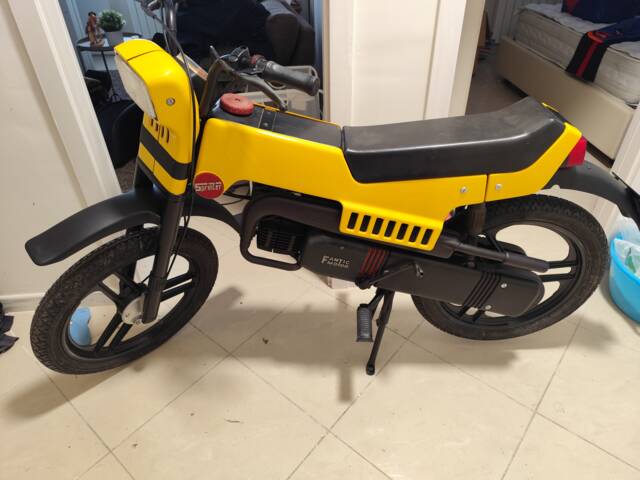
1983 | Fantic Sprinter
Rarissimo ciclomotore

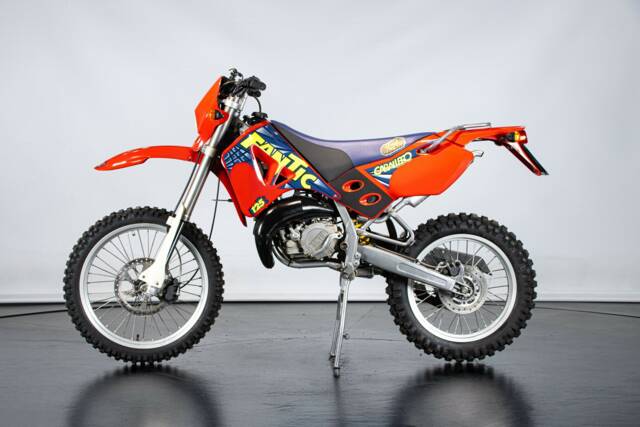
1996 | Fantic Caballero 125
Fantic Motor CABALLERO 125 XM
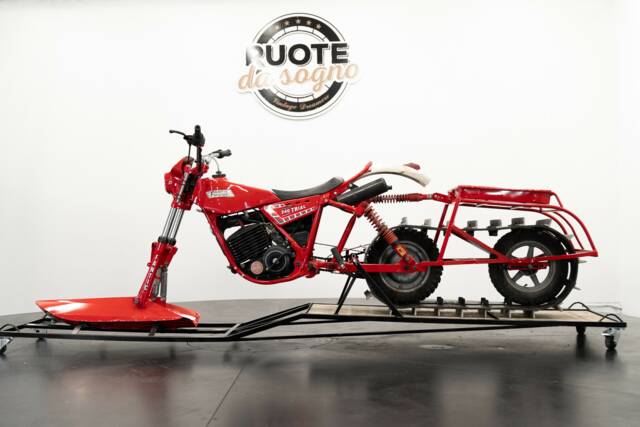
1985 | Fantic Trial 240 Professional
Fantic Motor 240 Alpen Scooter
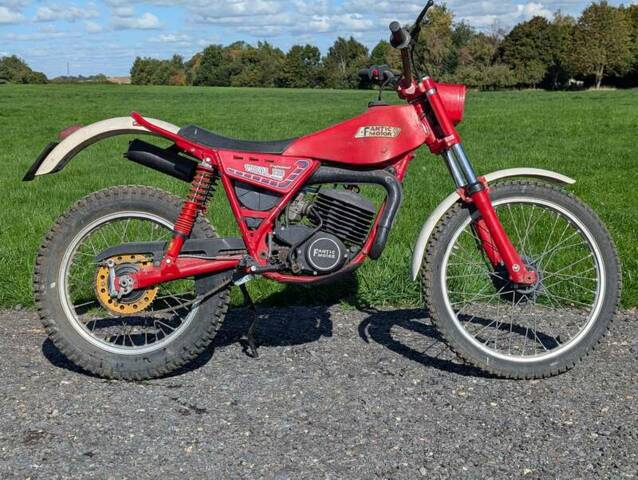
1982 | Fantic Caballero 125 Regolarità Competizione
c.1982 Fantic FM237 Trials Bike 124cc

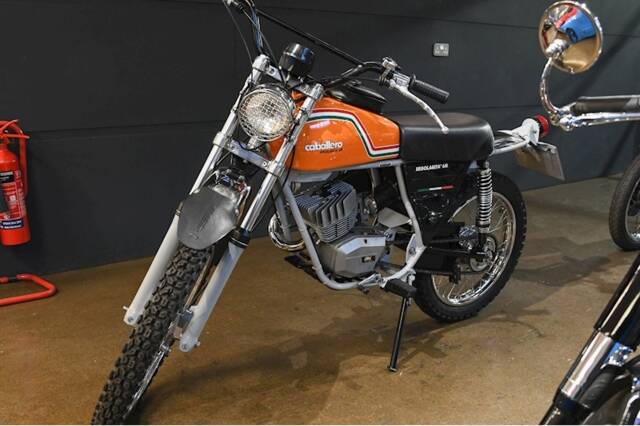
1973 | Fantic Caballero 50 Regolarità
Fantic Caballero Regolarita
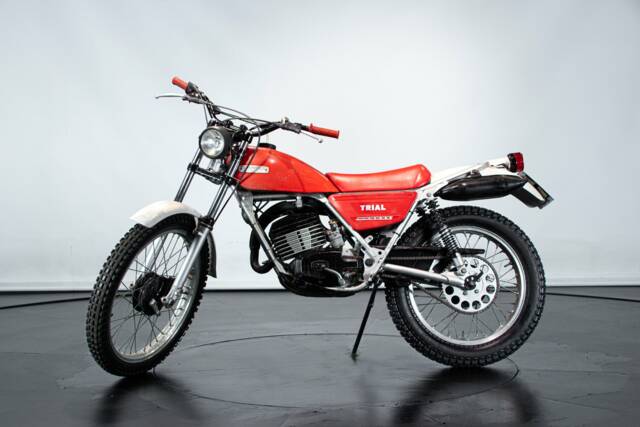
1981 | Fantic Trial 125
-
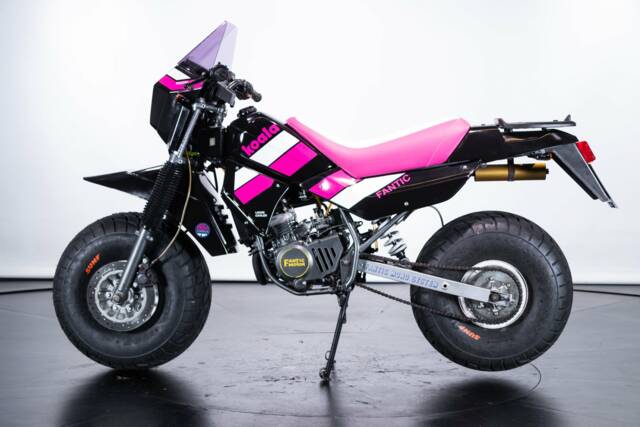
1988 | Fantic Koala 50
-
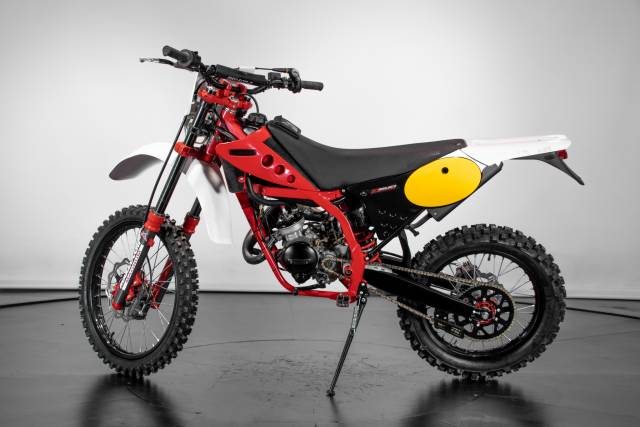
2005 | Fantic Caballero 50 Regolarità Competizione
-
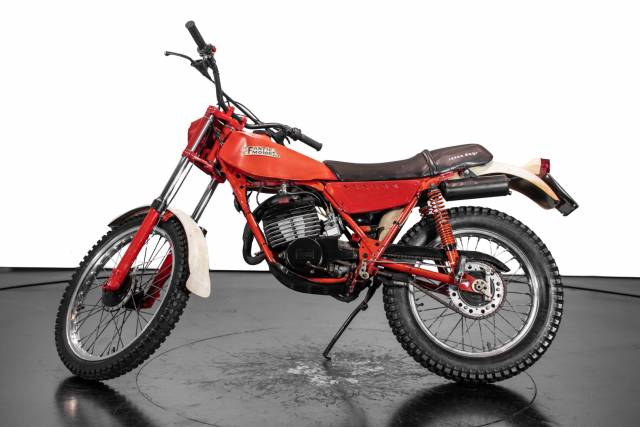
1983 | Fantic Trial 200 (FM350)
-
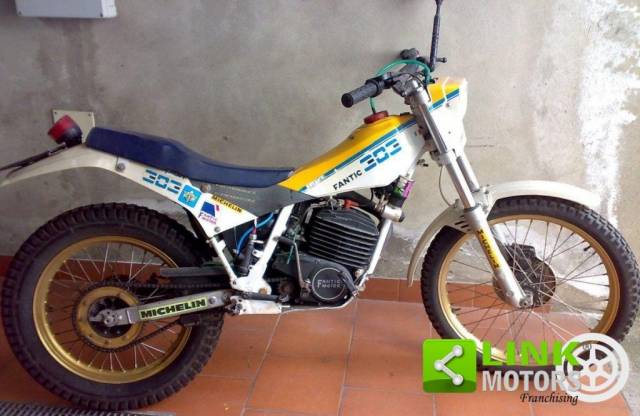
1988 | Fantic Trial 303
FANTIC MOTOR Trial 125 Fantic-Motor Trial-125
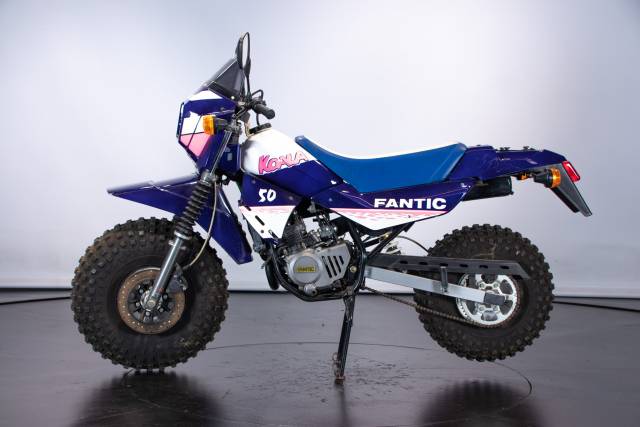
1984 | Fantic Koala 50
-
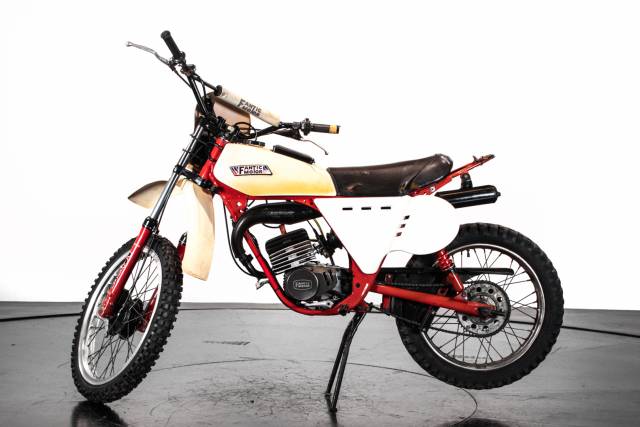
1980 | Fantic Caballero 50 TX 190
-
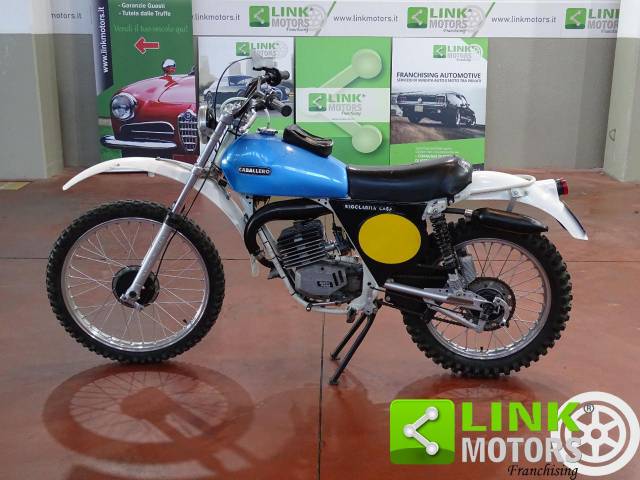
1976 | Fantic Caballero 50 Regolarità
FANTIC MOTOR Cab. Reg. 50 Caballero Regolarità Casa TX190
Create search alert
Let yourself be notified as soon as a listing is published that matches your search filters.
History & Heritage
Fantic Motor emerged in 1968 in Barzago, near Lake Como, founded by Dr. Mario Agrati and Henry Keppel-Hesselink. Both founders brought experience from Agrati Garelli, but they saw a specific gap in the market: the growing demand for small-capacity off-road bikes. While the Japanese "Big Four" were beginning to dominate the road, Fantic focused on the dirt, initially targeting the American youth market with mini-bikes and go-karts.
The defining moment arrived in 1970 with the launch of the Caballero. This 50cc enduro bike became a phenomenon, particularly in the United Kingdom and Italy. In Australia, the brand remained an exotic rarity during this period, often brought in by European immigrants or dedicated trial enthusiasts. The Caballero wasn't just a moped; it was a statement of intent, featuring a Minarelli engine and a chassis that looked like a full-sized competition machine.
By the mid-1970s, Fantic had grown into Italy's second-largest motorcycle manufacturer. They expanded their range to include 80cc, 125cc, and 200cc models, utilizing engines from Minarelli and Franco Morini. Their design philosophy was always centered on lightness and agility, which naturally led them toward the world of observed trials.
The 1980s were Fantic’s golden era on the world stage. They secured their first Enduro World Championship in 1981, but it was in the Trials arena where they became truly dominant. Partnering with French rider Thierry Michaud, Fantic claimed three World Trials Championships in 1985, 1986, and 1988. The bikes they used—the Fantic 300 series, including the 301, 303, and 305—became the benchmark for trial performance globally.
In Australia, these trials bikes found a dedicated following among the local competition scene. However, the broader Australian motorcycle market was heavily dominated by Japanese brands, making any Fantic a rare sight on local trails. The company faced financial difficulties in the 1990s as the market shifted away from two-stroke machines and competition intensified. Fantic declared bankruptcy in 1995, and the brand lay dormant for nearly a decade.
The revival began in 2005 when the VeNetWork group acquired the rights to the brand. Based now in Casier near Treviso, the new Fantic Motor returned to its roots while embracing modern technology. The 2016 relaunch of the Caballero nameplate as a modern-retro scrambler (available in 125, 250, and 500cc variants) proved to be a massive success. In Australia, this revival has been spearheaded by a small but passionate distributor network since roughly 2020, bringing the iconic Italian brand back to Australian roads and tracks.
Highlights & Key Features
What makes a Fantic special? For Australian collectors and riders, the appeal lies in the uncompromising focus on off-road agility and the character of Italian two-stroke engineering.
The Fantic Caballero remains the soul of the brand. In its classic 1970s form, it featured high-mounted exhausts, slim tanks, and a stance that suggested it could tackle any terrain. For the Australian buyer, finding a vintage 50cc or 125cc Caballero is a challenge, as most were never officially imported in large numbers. Those that do exist are often private imports from the UK or Italy, prized for their lightweight construction (often under 70kg for the 50cc models) and their "giant-killer" reputation in small-bore enduro.
The Trial 303 is perhaps the most significant competition bike Fantic ever produced. Used by Michaud to win the 1988 World Championship, it featured a 249cc two-stroke engine, a incredibly short wheelbase, and a revolutionary mono-shock rear suspension. In the Australian vintage trials scene, these bikes are highly sought after for their precision and historical weight. They represent the peak of air-cooled trials development before the industry moved toward liquid cooling.
Fantic's Enduro Professional series (125cc and 200cc) offered a more serious alternative to the Japanese trail bikes of the 80s. While a Honda XL or Yamaha XT was a dual-purpose compromise, the Fantic was a race-ready machine with Dell'Orto carburettors, magnesium engine cases in some variants, and high-spec suspension. In the Australian context, these are "specialist" machines—harder to maintain than a Japanese equivalent, but far more rewarding for the rider who appreciates European craftsmanship.
A quirky highlight of the range is the Fantic Chopper 50. Born from the "Easy Rider" craze of the 1970s, this mini-chopper featured a banana seat, sissy bar, and extended forks. It is the antithesis of Fantic's racing pedigree, yet it has become a massive cult item for collectors who value 70s kitsch and rare Italian design.
Technical Data
The technical specifications of classic Fantics reflect their era's obsession with two-stroke power and extreme weight saving. Most classic models used engines from the specialized Italian manufacturer Minarelli, which Fantic later acquired in 2020.
Classic Fantic engines are almost exclusively air-cooled two-strokes. The trials models often featured forced-air cooling (a small fan) to prevent overheating during slow-speed technical sections. Carburetion was almost always handled by Dell'Orto, ensuring that while the bikes were exotic, the fuel systems were relatively standard for European machines. Gearboxes were typically 5 or 6-speed units, designed to keep the narrow powerbands of the small-capacity engines in their "sweet spot."
Market Overview & Buying Tips
The Australian market for classic Fantics is niche and highly specialized. Unlike in Europe where Fantics were ubiquitous, an Australian buyer will likely be looking at a machine that has been imported or was part of a very small local batch.
Caballero 50 & 125
Finding a classic Caballero in Australia often requires looking at the UK or European markets. Because of their popularity in the UK, many "grey imports" have made their way to Australia over the decades.
- Price Range (AUD): Expect to pay between A$3,500 and A$7,000 for a decent, running Caballero. Fully restored 50cc models in "Super Six" or "Regolarita" spec can fetch upwards of A$9,000 given their rarity in the Southern Hemisphere.
- Inspection Points: Check for frame corrosion, especially around the footpegs and swingarm pivot. The Minarelli engines are robust, but parts like original airboxes and side covers are notoriously hard to find.
Trial 303 / 305 / 240
These are the most common classic Fantics in Australia, thanks to the active vintage trials community.
- Price Range (AUD): A functional Trial 240 or 303 will typically cost between A$4,500 and A$8,500. A pristine, competition-ready 303 with World Championship-era livery can exceed A$12,000.
- Inspection Points: Listen for "bottom end" noise. The crankshaft bearings on high-performance trials bikes live a hard life. Check the "Nikasil" plating on the cylinder; if it's worn, a professional re-plate is expensive.
Modern-Retro Caballero (2020+)
The new generation of Caballeros (500 Scrambler, Flat Track, Rally) is widely available through Australian dealers.
- Price Range (AUD): Used 500cc models typically trade between A$8,500 and A$12,000 depending on the variant and accessories. New prices are around A$14,000 - A$16,000.
- Inspection Points: These are modern bikes with Euro 5 compliance. Check for service history at authorized dealers. The 500cc engine is a liquid-cooled single that has proven to be reliable, though early 2020 models had some minor ECU mapping issues that should have been addressed under warranty.
Parts & Shipping to Australia
This is the biggest hurdle for Australian Fantic owners. While basic engine parts for Minarelli motors are available through specialists like Wemoto Australia, specific Fantic cycle parts (tanks, seats, plastics) usually must be sourced from Italy or the UK.
- Shipping Costs: Expect to pay A$100 to A$300 for international shipping on larger items.
- Importing a Bike: If you find a classic Fantic in Europe, importing it to Australia involves the Registered Automotive Workshop Scheme (RAWS) or the personal import scheme for vehicles over 25 years old. Budget at least A$3,000 to A$5,000 for shipping, customs, and quarantine fees on top of the purchase price.
Performance & Riding Experience
Riding a classic Fantic is an visceral, unpotted experience. It is the antithesis of the modern, smooth, Japanese four-stroke.
The Caballero 50 experience is defined by the "on-off" nature of its small two-stroke engine. There is very little torque below 5,000 RPM, but as the expansion chamber kicks in, the bike takes on a frantic, buzzy energy. It feels much faster than it actually is, largely because of its featherweight chassis. In the bush, the Caballero is a joy—you can manhandle it over obstacles that would stump a heavier bike. The "pedals" on early UK-spec models are a hilarious reminder of 70s legislation, but they are useless for anything other than a slow walking pace.
The Trial 303 is a precision instrument. The riding position is entirely stand-up; the seat is merely a suggestion for when you're waiting for your turn in a section. The 249cc engine provides immense "grunt" right off idle, allowing you to pop the front wheel over logs with a flick of the wrist. The clutch is exceptionally light and progressive, essential for the millimeter-accurate throttle control required in trials. On the road, however, the 303 is miserable. The short gearing and trials-spec tires make anything over 60 km/h feel sketchy and vibrates through the pegs. It is a machine for a specific purpose, and it excels there.
The Enduro 125 Professional is where Fantic showed it could build a "real" motorcycle. It feels like a miniature version of a 500cc desert racer. The suspension (often Marzocchi) is surprisingly plush even by modern standards, and the bike carries its speed well over rough ground. The high-strung 125cc engine requires constant gear changes to stay in the power, making it a high-workload but high-reward ride.
For the Australian rider accustomed to wide-open trails, a classic Fantic offers a different kind of fun. It’s about finesse and technical skill rather than outright speed. The sound—that sharp, metallic "ding-ding-ding" of an Italian two-stroke—is the perfect soundtrack for a Sunday morning in the hills.
Design & Aesthetics
Fantic design has always been characterized by a certain Italian flair and functional aggression. They managed to make small-capacity bikes look serious and purposeful.
The Caballero design language is the blueprint for the modern "scrambler" trend. The contrast between the slim, brightly colored fuel tank (often red or orange) and the blacked-out engine and frame created a striking look. The high-mounted, chrome-shielded exhaust is the signature element, giving the bike an unmistakable silhouette. Even the 50cc models looked like they belonged on a motocross track rather than a suburban street.
The Trial series of the 80s represents the "form follows function" peak. The bikes became increasingly skeletal, with the frame wrapping tightly around the engine and the rear fender swooping up to provide maximum clearance for the wheel. The red and white color scheme of the Michaud era is legendary among trial fans. It looked fast even when standing still. The use of lightweight alloys and plastics was advanced for the time, though Italian plastics of the 80s are prone to UV damage—something to watch out for in the harsh Australian sun.
The Chopper 50 is the outlier. It is a masterpiece of 1970s kitsch. The exaggerated rake of the forks, the button-tufted banana seat, and the "Easy Rider" stars-and-stripes paint jobs on some models make it a fantastic conversation piece. It represents a time when Fantic wasn't just about winning races, but about having fun and tapping into global cultural trends.
Today, the modern Fantic Caballero range pays homage to these classic designs with incredible accuracy. The "tank badge" logo, the round headlight with its small grill, and the dual-exit exhaust on the 500cc models are all direct nods to the 1970s originals. It is one of the few "retro" designs that feels authentic because it draws from such a specific, high-performance lineage.
Motorsport & Culture
Fantic is a name that commands respect in the European motorsport scene, even if it is less of a household name in Australia. Their success was built on being the "giant killer"—the small Italian firm that took on the world and won.
The three World Trials Championships with Thierry Michaud (1985, 1986, 1988) are the cornerstone of the brand's identity. Michaud wasn't just a rider; he was a developer who helped Fantic refine their chassis and engine technology. His rivalry with Jordi Tarrés (on the emerging GasGas machines) defined a decade of trials. For an Australian collector, owning a Fantic 303 is owning a piece of that history—a machine that ended the dominance of the traditional Spanish trial brands.
In the Enduro world, Fantic’s 1981 World Championship proved that their engineering was durable as well as fast. They were a constant presence in the International Six Days Enduro (ISDE), often fielding teams that punched well above their weight. This racing DNA is why classic Fantics still feel "sharp" today; they weren't built as budget commuters, but as competition tools.
Culturally, Fantic occupies a unique space. In Italy and the UK, it is a brand associated with youth and freedom—the first "proper" bike a teenager could ride. In Australia, the culture is more focused on the collector and the vintage competitor. The Fantic owner in Australia is usually someone who appreciates European engineering and wants something that stands out at a "Classic Italian" bike meet or a "Vinduro" (Vintage Enduro) event. They are bikes for the connoisseur who is willing to put in the extra effort for parts and maintenance in exchange for a machine with genuine soul and heritage.
Summary
Fantic Motor is a hidden gem of the motorcycle world, offering a blend of Italian style, innovative engineering, and genuine racing pedigree. Whether you are looking for the nostalgic thrill of a Caballero, the technical precision of a Trial 303, or the modern-retro convenience of the new 500cc range, Fantic provides an experience that is far removed from the mainstream.
For the Australian buyer, Fantic ownership is an adventure in itself. It requires a willingness to engage with the international community, a patience for sourcing parts from overseas, and a deep appreciation for the "underdog" spirit of this Barzago-born brand. The rewards, however, are significant: a bike that turns heads at every corner, a soundtrack that brings back the golden era of two-strokes, and a connection to a brand that defined the world of off-road competition in the 1980s.
The market for classic Fantics in Australia is small but stable, with prices reflecting the rarity and desirability of well-maintained machines. With the brand's successful modern revival, interest in the classic models is only set to grow. If you are looking for an Italian classic that offers more than just good looks—a machine with a heart forged in the heat of World Championship competition—then a Fantic motorcycle is the perfect addition to your garage. Discover the legend of the Caballero and find your piece of Italian off-road history today.
Technical Specifications Table (Reference)
For those looking to restore or identify a specific model, here is a breakdown of the most common frame and engine codes found on classic Fantics:
Note: Australian "grey imports" may have slight variations in lighting and carburation to meet local registration requirements of the time. Always verify frame and engine numbers against the Italian factory records if you are seeking a high-value collector piece.
Buyer's Checklist for Australian Fantic Seekers
- Compliance Plates: For bikes built after 1988, check for an Australian Compliance Plate. For older bikes, ensure you have the correct "Vehicle Import Approval" paperwork if it wasn't originally sold in Australia.
- Chrome Condition: The Italian chrome on 70s Fantics wasn't always top-tier. Check the fork stanchions for pitting—re-chroming in Australia is expensive.
- Engine Seal Integrity: Two-strokes that have sat for years will have dried-out crank seals. This causes "air leaks" which can lean out the engine and cause a seizure. Budget for a seal replacement on any "barn find."
- Originality: In the trials world, many bikes were modified. Look for the original Dell'Orto carb; Mikuni conversions are common but lower the collector value.
- The "Caballero" Name: Be aware that "Caballero" was used for many models. The "Regolarita Competizione" is the high-spec version, while the "Casa" is the softer, street-legal version. Know what you are buying!
Fantic remains a brand for those who dare to be different. In a sea of Japanese and German machinery on Australian roads, the Italian "Horseman" (Caballero) still rides with a unique and proud spirit. Find your Fantic today and experience why this small factory from Barzago became a giant of the off-road world.