- Motorcycle
- EMW (1 offer)
Buy EMW Motorcycle
Eisenacher Motorenwerk produced motorcycles between 1945 and 1955 that began as BMWs and ended as EMWs. The R 35 became a symbol of divided Germany—identical technology, different emblems, and a fascinating Cold War curiosity for Australian collectors.
Search results
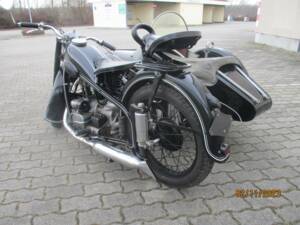
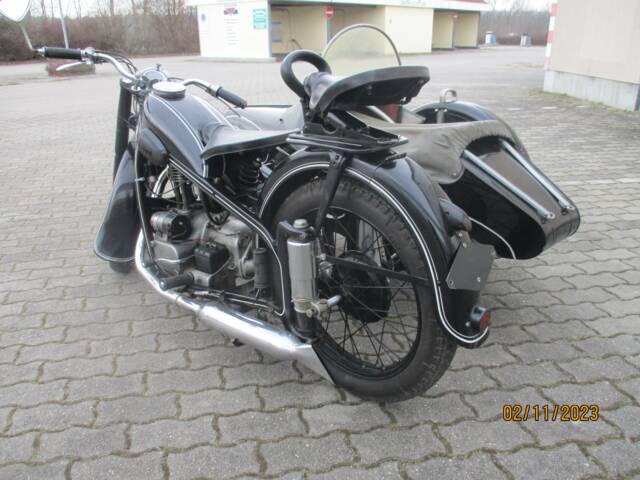
1955 | EMW R 35
EMW EMW R R 35

EMW listing references from Classic Trader
Below you will find listings related to your search that are no longer available on Classic Trader. Use this information to gain insight into availability, value trends, and current pricing for a "EMW" to make a more informed purchasing decision.
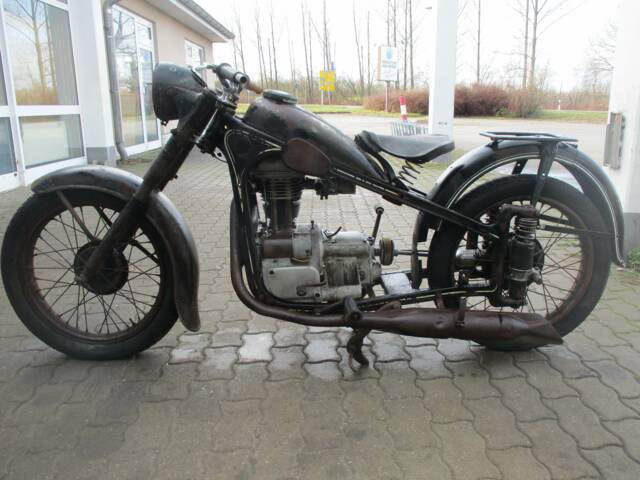
1953 | EMW R 35/3
EMW EMW R R 35/3
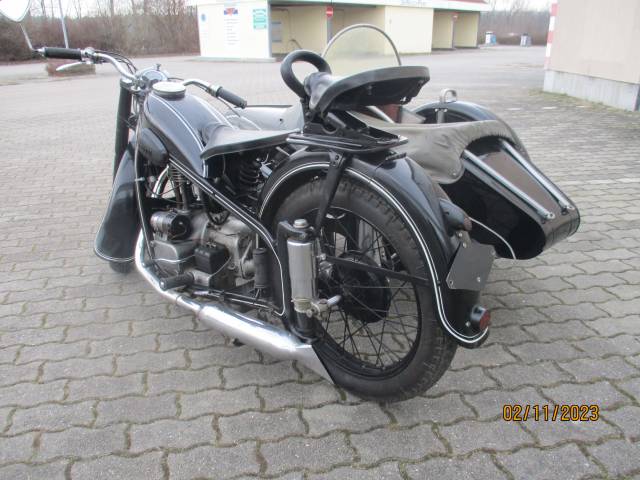
1955 | EMW R 35
EMW EMW R R 35
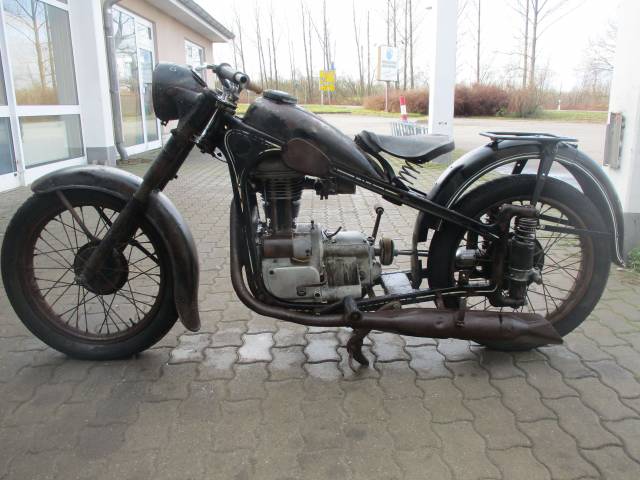
1953 | EMW R 35/3
EMW EMW R R 35/3
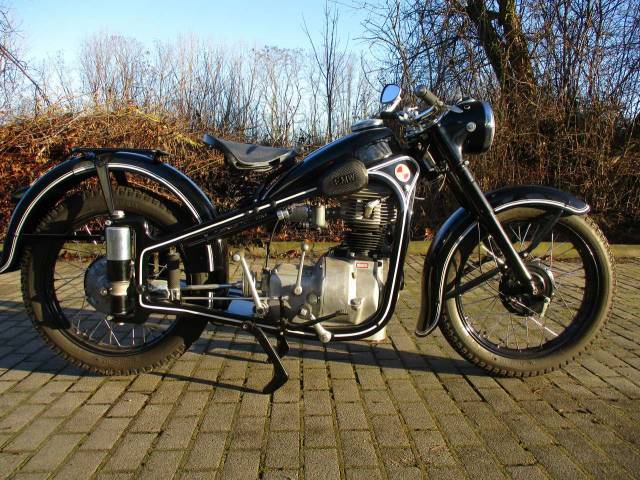
1954 | EMW R 35
EMW EMW R R 35
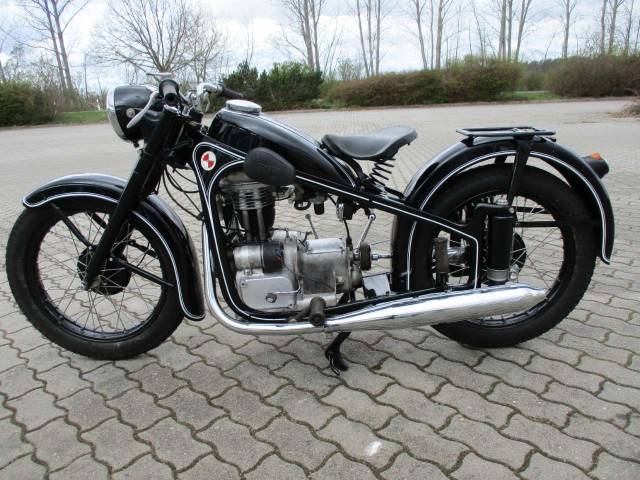
1953 | EMW R 35
BMW R 35/2 EMW R 35
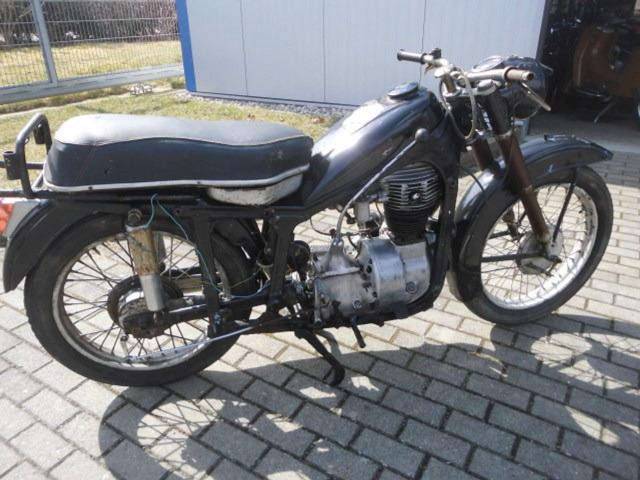
1949 | EMW R 35
EMW EMW R R 35
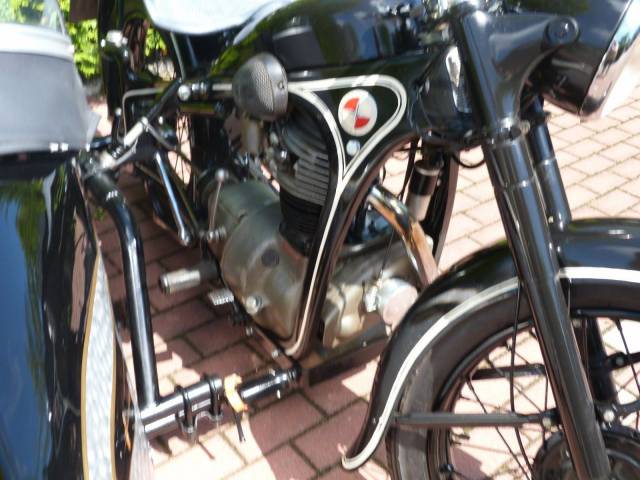
1955 | EMW R 35/3
1955 EMW R35/3

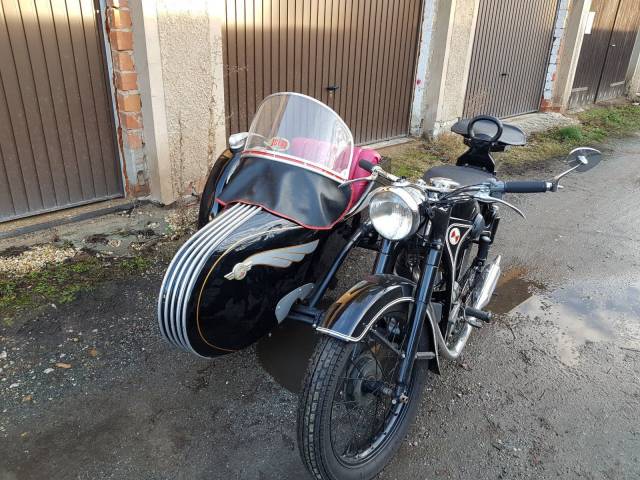
1955 | EMW R 35
Gespann
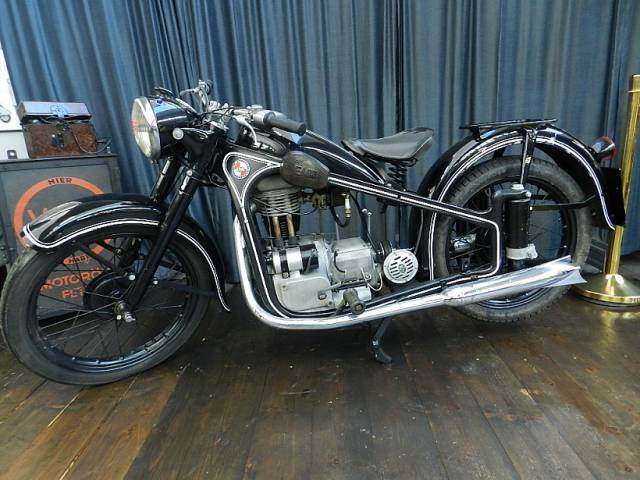
1953 | EMW R 35

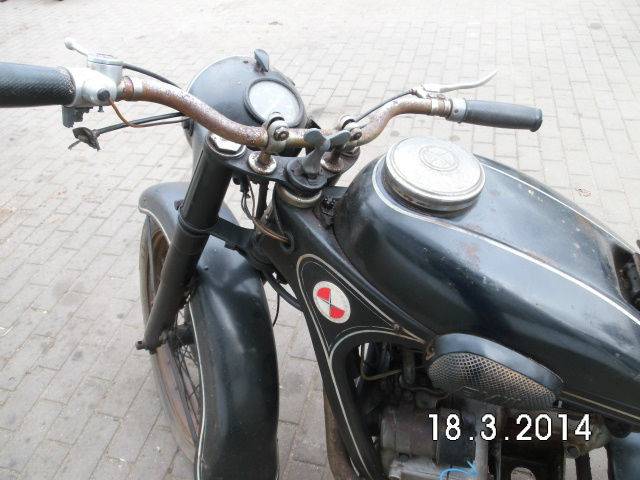
1953 | EMW R 35
EMW R 35, Nachfolger BMW R 35
The story of EMW (Eisenacher Motorenwerk) is one of the most compelling chapters in post-war motoring history, representing a literal fork in the road for the BMW brand. For the Australian enthusiast, an EMW is more than just a vintage motorcycle; it is a mechanical time capsule from the early days of the Cold War. Produced in the Thuringian factory in Eisenach, these machines were born from the ruins of World War II, continuing the lineage of the pre-war BMW R 35 under Soviet administration. Between 1945 and 1955, over 90,000 motorcycles left the factory gates, initially bearing the famous blue-and-white BMW roundel before a legal battle forced a change to the red-and-white EMW emblem in 1952. In the Australian market, where European classics are highly prized but East German variants are exceptionally rare, the EMW R 35 stands out as a unique alternative to the more common British and Japanese vintage bikes.
History & Heritage
The origins of the Eisenach factory date back to 1896 with the founding of the Fahrzeugfabrik Eisenach (FFE). BMW acquired the plant in 1928, and during the Second World War, the entire motorcycle production was moved from Munich to Eisenach to protect it from Allied bombing. When the war ended in July 1945, Eisenach found itself in the Soviet occupation zone. While the Munich factory lay in ruins and was forbidden from producing motorised vehicles, the Eisenach plant remained largely intact. The Soviet Military Administration (SMAD) recognised the value of the BMW designs and ordered the immediate resumption of production to satisfy the Red Army's need for reliable transport.
From late 1945, the BMW R 35 was put back into production using existing parts and salvaged tooling. The factory was nationalised and incorporated into the Soviet-controlled Awtowelo (Automobile and Bicycle) state company. By 1949, production had ramped up to over 4,000 units annually, primarily destined for government agencies, the police, and the FDJ (Free German Youth) motorsport groups. Throughout this period, the motorcycles were sold as BMWs, complete with the blue-and-white logo, much to the chagrin of the BMW management in Munich who had no control over the quality or distribution of these "Eastern" BMWs.
The inevitable legal confrontation reached its peak in 1952. A court ruling in Düsseldorf prohibited the Eisenach factory from using the BMW name and logo. Consequently, the brand was renamed EMW (Eisenacher Motorenwerk), and the blue sections of the roundel were changed to red. This transition marked the official birth of EMW as a distinct entity, although the technology remained rooted in the 1937 BMW design. The final evolution of the series, the R 35/3, introduced significant improvements such as a reinforced frame and rear suspension, before motorcycle production in Eisenach ceased entirely in 1955. The factory was then renamed Automobilwerke Eisenach (AWE) and shifted its focus exclusively to the production of Wartburg cars. For Australian collectors, tracing the history of an EMW often involves navigating this complex web of political and legal shifts, making every surviving example a piece of geopolitical history.
Highlights & Features
The EMW R 35 is, for all intents and purposes, a BMW R 35 produced in the East. Its defining feature is the 342cc single-cylinder OHV engine, a robust and reliable powerplant that produces 14 hp at 5,200 rpm. While these figures might seem modest by modern standards, the R 35 was a capable machine for its era, reaching a top speed of 100 km/h. One of the most significant technical highlights is the shaft drive (Kardanantrieb), a hallmark of BMW engineering that EMW continued. This system eliminated the need for a messy chain and provided a smooth, low-maintenance power delivery that was particularly suited to the rough roads of post-war Europe.
The chassis of the EMW is equally distinctive. It features a pressed steel frame made from riveted sheet metal profiles. This construction method was a pragmatic choice during times of material scarcity, as it required less welding and allowed for efficient mass production. The early models (produced until 1951) were "hardtails" with no rear suspension, relying on the sprung saddle to provide rider comfort. The front end featured a telescopic fork, which was quite advanced for the late 1930s when the design was first conceived.
As the model evolved into the R 35/2 and finally the R 35/3, several key features were updated. The R 35/2 introduced a foot-operated gear change, replacing the earlier hand-shift lever located on the side of the fuel tank. The R 35/3 brought the most significant mechanical upgrade: a damped rear suspension with straight-travel plungers. This change required a redesign of the frame and the final drive housing but vastly improved the bike's handling and comfort. For the Australian rider, these later models are often preferred for their slightly more modern ergonomics and improved ride quality on local roads.
Another highlight is the compatibility with Stoye sidecars. EMW produced thousands of sidecar outfits, and the R 35/3 frame was specifically reinforced to handle the additional stresses of sidecar use. A "Gespann" (outfit) with a Stoye sidecar is a quintessential sight of 1950s East German motoring and remains a highly sought-after configuration for collectors today. The 6-volt electrical system, while primitive, is a testament to the simplicity of the era, though many Australian owners choose to upgrade to 12-volt systems for better reliability and lighting performance.
Technical Data
Market Overview & Buying Tips
In the Australian classic motorcycle market, EMW occupies a very specific niche. Unlike the ubiquitous BMW R-series from West Germany, EMWs are exceptionally rare in the Southern Hemisphere. Most examples currently in Australia have been privately imported by enthusiasts or collectors who appreciate the brand's unique history. Consequently, finding an EMW for sale locally can be a challenge, and many buyers look towards the European market, particularly Germany and Poland, to source high-quality machines.
Current Market Prices (2024-2025): Prices for EMW motorcycles have remained relatively stable but reflect their rarity and the cost of restoration. In the Australian context, you can expect the following price ranges (converted to AUD and including estimated import considerations):
- Project Bikes: A$5,000 – A$10,000. These are typically incomplete or non-running machines requiring a full nut-and-bolt restoration.
- Good Condition (Patina/Unrestored): A$13,000 – A$18,000. Bikes that are mechanically sound and rideable but show their age. These are often the most desirable for those who value authenticity.
- Concours/Fully Restored: A$20,000 – A$28,000. Professionally restored examples that look as they did when they left the Eisenach factory.
- Sidecar Outfits: Add a premium of A$4,000 – A$7,000 for a genuine Stoye sidecar in matching condition.
Importing to Australia: If you are considering buying an EMW from overseas, be prepared for the logistical realities of importing a classic vehicle to Australia. Shipping costs from Europe can range from A$2,000 to A$4,000 depending on the service. Additionally, you must account for GST (10%) on the landed value and potential customs duty. Compliance for pre-1989 motorcycles is generally straightforward under the "Classic Vehicle" rules, but you must ensure the bike is free of asbestos (common in old brake linings and gaskets) and meets biosecurity requirements.
What to Look For: When inspecting an EMW R 35, the pressed steel frame is the most critical area. Because it is made of riveted layers, moisture can get trapped between the sheets, leading to internal corrosion that is difficult and expensive to repair. Check all rivet points and the lower sections of the frame for signs of "swelling" or rust. The engine is generally robust, but listen for excessive top-end noise, which could indicate worn valve gear or piston slap.
Originality is a major factor in value. Early EMWs (1945-1951) that still carry their original BMW badges are highly prized. However, many bikes were "updated" in the 1950s with later EMW parts, so verifying the engine and frame numbers against production records is essential. Parts availability is surprisingly good, thanks to a dedicated network of specialists in Germany who produce high-quality reproductions and stock New Old Stock (NOS) components. However, shipping these parts to Australia can be costly and time-consuming, so factor this into your maintenance budget.
Performance & Riding Experience
Riding an EMW R 35 is a visceral experience that transports you back to a different era of motorcycling. It is not a bike for those in a hurry; rather, it is a machine that rewards a deliberate and mechanical approach. The starting ritual is the first step in the journey. You must turn on the fuel tap, tickle the carburettor until it just begins to weep, set the manual ignition advance/retard lever, and give a firm, purposeful kick. When the 342cc single fires into life, it does so with a rhythmic, mechanical clatter that is unmistakably OHV.
On the road, the EMW feels solid and planted. The shaft drive provides a direct connection to the rear wheel, with none of the "snatch" sometimes associated with old chain-driven bikes. The four-speed gearbox is robust, but the shifts are long and require a certain amount of finesse, especially on the early hand-shift models. The foot-shift on the R 35/3 is more intuitive for modern riders, but the gearbox remains unsynchronised, so rev-matching on downshifts is a skill you will quickly need to master.
The handling is a product of its time. The hardtail models offer a very direct connection to the road surface—every bump and ripple is felt through the frame. The sprung Pagusa saddle does an admirable job of soaking up the worst of it, but long rides on poorly maintained Australian backroads can be a test of endurance. The R 35/3 with its plunger rear suspension is significantly more comfortable, though it still lacks the sophisticated damping of later designs. The telescopic front fork is surprisingly effective, providing decent steering precision for a bike of this vintage.
Braking is perhaps the area where the EMW shows its age the most. The drum brakes are adequate for the speeds the bike is capable of, but they require a significant amount of lever pressure and plenty of foresight. In modern traffic, you must ride defensively, leaving ample space for stopping. However, at a relaxed cruising speed of 70-80 km/h on a quiet country road, the EMW is in its element. The engine has a lovely "thump" to it, and the lack of vibration compared to some vertical twins of the era makes for a surprisingly pleasant ride. It is a motorcycle that encourages you to slow down and appreciate the mechanical harmony of a bygone age.
Design & Aesthetics
The design philosophy of EMW can be summed up in one word: Functionalism. There is very little on an R 35 that isn't there for a specific purpose. The pressed steel frame gives the bike a rugged, industrial look that is quite different from the elegant tubular frames of its British contemporaries. It looks like a machine built to survive a war, which, in many ways, it was. The lines are clean and purposeful, with the large, deeply valanced mudguards providing excellent protection from the elements—a practical feature for a bike intended for year-round use in all weather conditions.
The emblem is, of course, the most famous design element. The transition from the blue-and-white BMW roundel to the red-and-white EMW version is a visual marker of the bike's political history. For many collectors, the red-and-white badge is a badge of honour, representing the resilience of the Eisenach workers who kept the factory running under incredibly difficult circumstances. The typography remains identical to the BMW original, a subtle nod to the shared heritage.
In terms of colour schemes, EMWs were almost exclusively finished in black or a dark "Awtowelo" grey, often adorned with simple white pinstriping (Linierung). There was very little chrome; most brightwork was either painted or finished in a duller nickel plating, reflecting the austerity of the post-war years. The fuel tank, with its integrated tool box on the top, is a classic design touch that is both beautiful and functional. The overall aesthetic is one of understated strength—it is a handsome motorcycle in a "form follows function" kind of way.
The Stoye sidecars deserve a special mention in the design section. These sidecars were beautifully crafted with a streamlined, "zeppelin" shape that perfectly complemented the lines of the R 35. A full EMW outfit is a masterpiece of industrial design, looking fast even when standing still. For the Australian enthusiast, the sight of an EMW/Stoye combination at a local bike meet is guaranteed to draw a crowd, as much for its aesthetic appeal as for its rarity.
Summary
The EMW R 35 is a fascinating anomaly in the world of classic motorcycles. It is a machine that straddles two worlds: the pre-war engineering excellence of BMW and the post-war industrial pragmatism of East Germany. For the Australian collector, it offers a unique opportunity to own a piece of history that is both technically interesting and culturally significant. While it may lack the outright performance of some of its peers, it more than makes up for it with its robust construction, ease of maintenance, and the sheer presence it commands on the road.
Owning an EMW in Australia requires a certain level of dedication, particularly when it comes to sourcing parts and navigating the import process. However, the rewards are significant. You are not just buying a motorcycle; you are becoming a custodian of a story that involves the division of a nation, a landmark legal battle, and the enduring legacy of German engineering. Whether you are a BMW enthusiast looking to complete your collection or a lover of unique mechanical history, the EMW R 35 is a machine that deserves a place in any serious garage. It is an honest, hardworking, and deeply charismatic motorcycle that continues to captivate riders more than seven decades after it first rolled off the production line in Eisenach.