- Motorcycle
- Demm (4 offers)
Buy Demm Motorcycles
From precision gear manufacturing to setting 24 world speed records at Monza, Demm represents the pinnacle of Italian small-capacity engineering. Discover the rare Smily, Scout, and Dick Dick models that found a second home in Australia's dry climate.
Search results
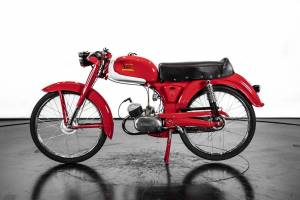
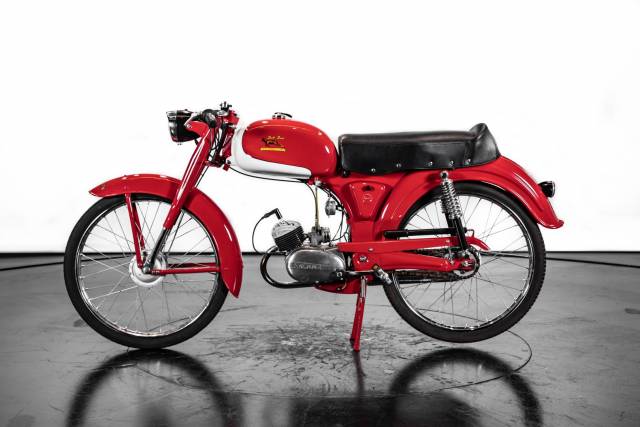
1959 | Demm Dick Dick
PRISTINE !

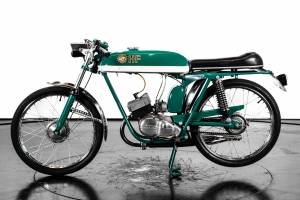
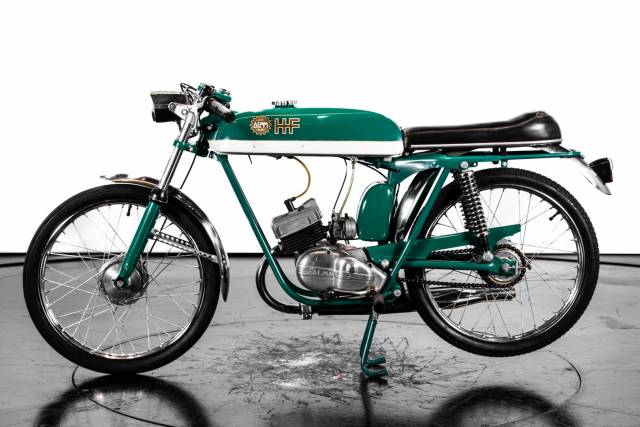
1971 | Demm HF 50
SUPER SPORT HF
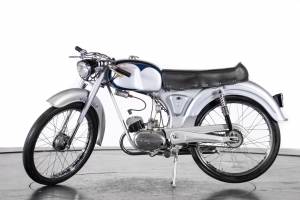
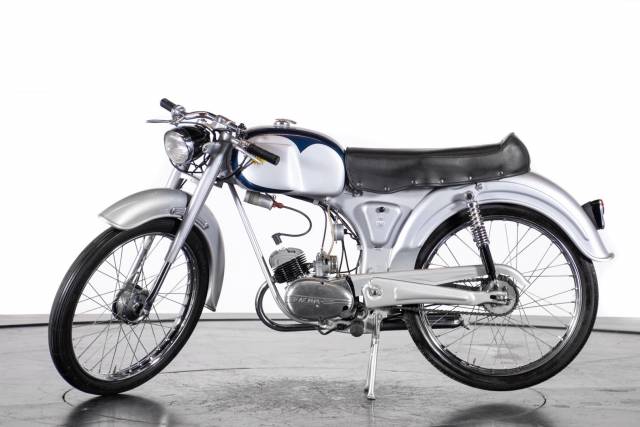
1962 | Demm Sport Lusso
Very rare . Super restoration
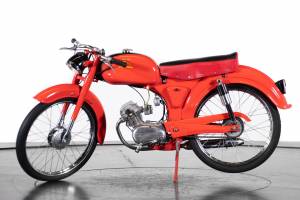
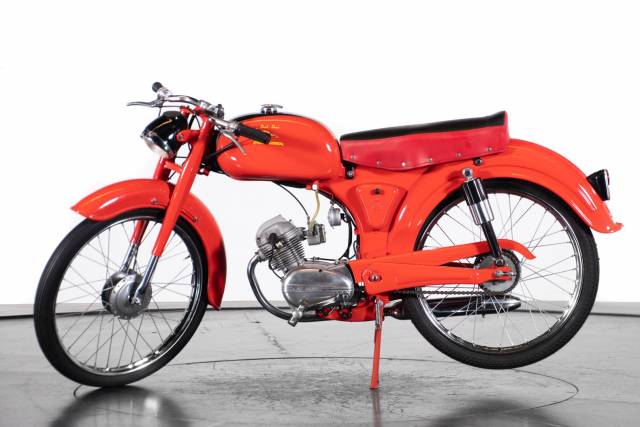
1956 | Demm Dick Dick
DICK DICK SPORT !!! YEAR 1959 !!
Newsletter
The best Demm listings, straight to your inbox
Get hand-picked Demm listings, plus the best of cars, motorbikes, and auctions on Classic Trader — all in one place.
Demm listing references from Classic Trader
Below you will find listings related to your search that are no longer available on Classic Trader. Use this information to gain insight into availability, value trends, and current pricing for a "Demm" to make a more informed purchasing decision.
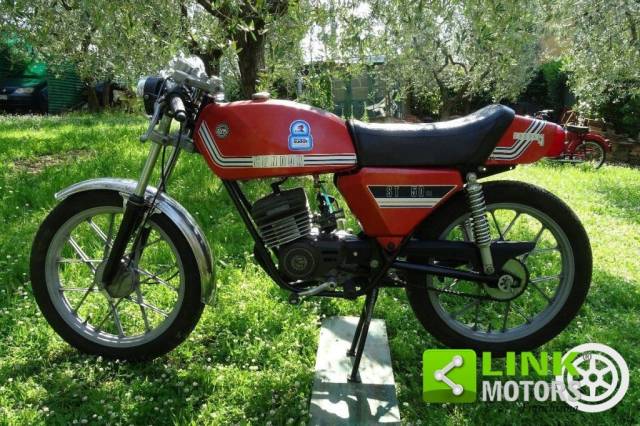
1978 | Demm Condor ST 50
DEMM Condor-ST-50
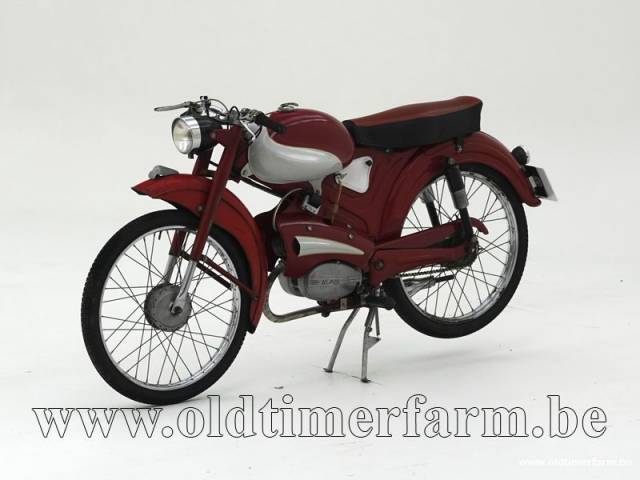
1961 | Demm Unificato Sport
1961 Demm Unificato '61

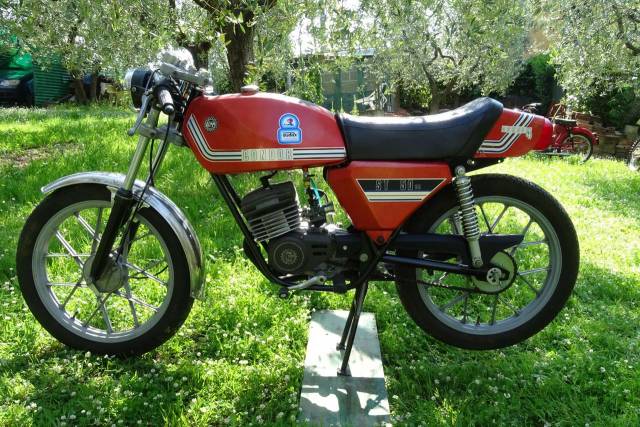
1978 | Demm Condor ST 50
ALTRE MOTO O TIPOLOGIE Special DEMM CONDOR ST 50
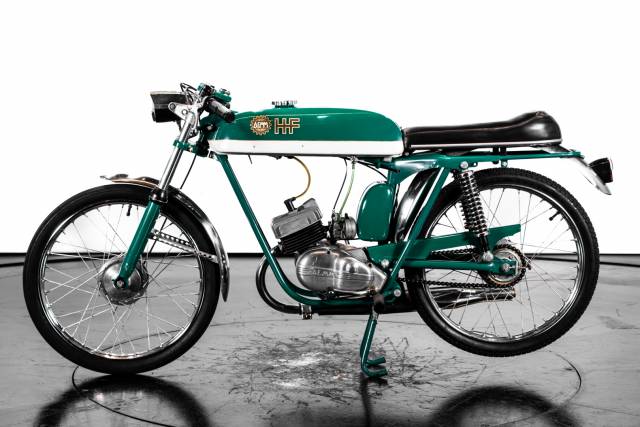
1970 | Demm HF 50
-
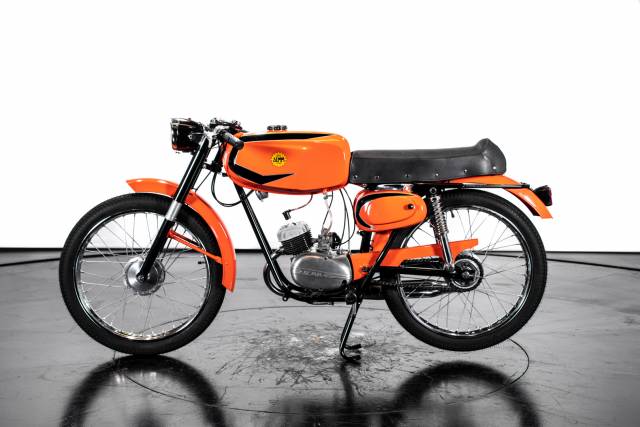
1968 | Demm Super Sport Export
-
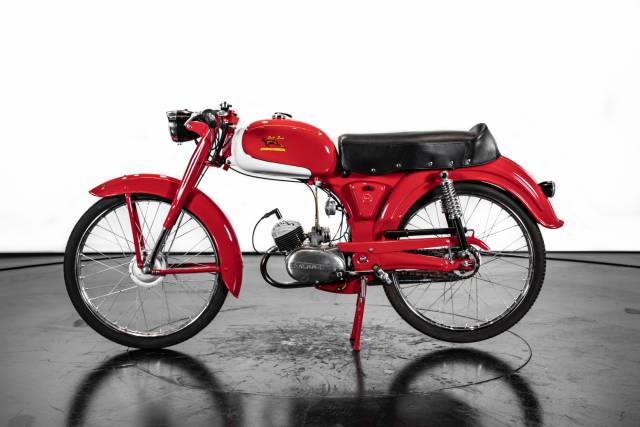
1959 | Demm Dick Dick
-
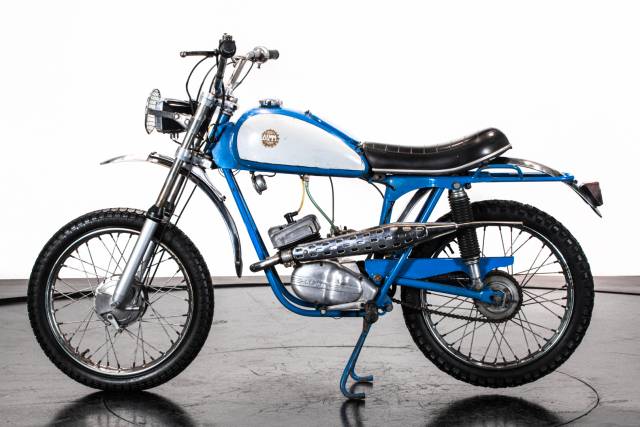
1972 | Demm HF 50
-
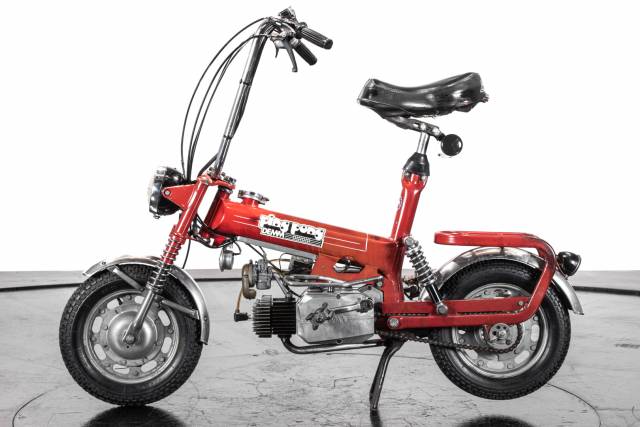
1972 | Demm Ping Pong
-
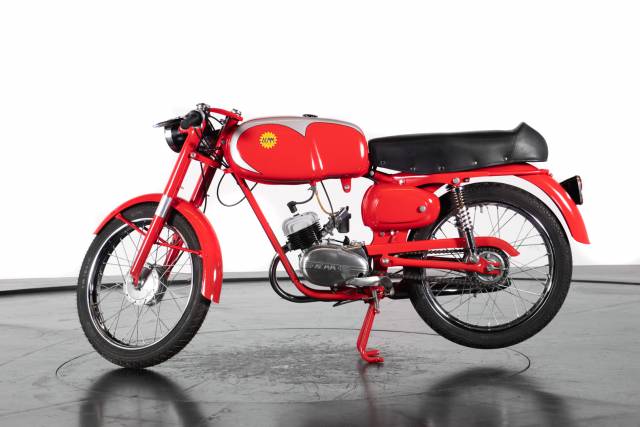
1963 | Demm 50 Sport Special
-
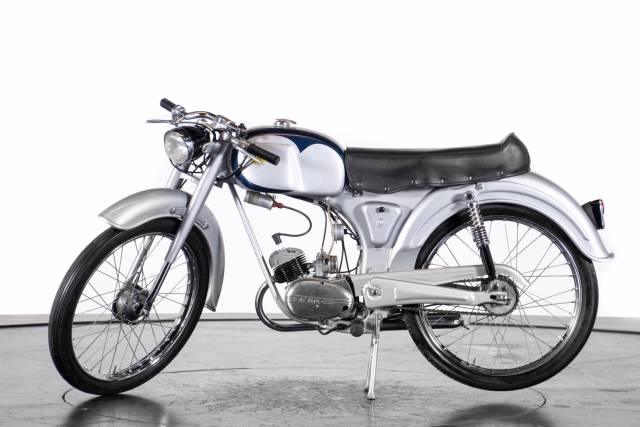
1961 | Demm 50 Sport Special
-
History & Heritage
The story of DEMM (Daldi e Matteucci Milano) is a testament to Italian mechanical ingenuity. Founded in 1919 by brothers Giacomo Daldi and Luigi Matteucci, the company initially focused on high-precision automotive components and gears. It wasn't until 1952 that the factory in Porretta Terme, nestled in the Apennine Mountains near Bologna, began producing the lightweight motorcycles and mopeds that would define its legacy.
Demm distinguished itself from the crowded field of Italian post-war manufacturers through superior engineering. While many competitors relied on cast-iron components for their 50cc engines, Demm utilised aluminium crankcases as standard, a hallmark of quality that ensured better heat dissipation and longevity. This technical edge was proven on the world stage in 1956, when Demm set 24 world speed records in the 50cc class at the Monza circuit.
For the Australian market, Demm holds a unique position. During the 1960s and 70s, Australia became a significant export destination for the brand. Models like the Smily, Scout, and the compact Ping Pong were imported to meet the demand for reliable, economical transport in both urban centres and rural townships. Unlike the damp, salt-heavy environments of Europe, the dry Australian climate proved to be a perfect preservative for these machines. Many Australian-delivered Demms survived in remarkably original condition, free from the terminal frame rot that claimed their European siblings.
The brand's racing pedigree continued into the 1960s, winning the Italian Mountain Championship in 1961 with a sophisticated DOHC (Double Overhead Cam) 50cc machine. Although Demm ceased motorcycle production in 1988 to return to its roots in industrial transmissions, the Demm Museum in Porretta Terme continues to curate the history of these "jewels of the Apennines."
Highlights & Features
Demm motorcycles are often described as "miniature masterpieces." Their appeal lies in the combination of Italian styling and over-engineered mechanicals. The Dick Dick series, named after the agile African antelope, remains the most sought-after by collectors. It was offered in numerous configurations, including rare four-stroke OHV versions that provided a more refined riding experience than the typical two-stroke "buzz-boxes" of the era.
Key highlights of the Demm range include:
- Technical Innovation: The introduction of the Velomatic automatic transmission in the mid-1960s showcased Demm's desire to make motorcycling accessible to everyone.
- Racing DNA: Even the base models benefited from the lessons learned at Monza. The porting on the 50cc cylinders was exceptionally efficient, allowing even restricted export models to punch above their weight.
- Australian Export Specs: Australian models often featured robust lighting systems and heavy-duty suspension components to handle local conditions. The Smily and Scout models are particularly well-known in the Australian moped community for their durability.
- Aesthetic Detail: From the winged tank emblems to the polished aluminium engine covers, Demm bikes carried a level of finish usually reserved for much larger machines. The Sport Lusso models, with their chrome accents and two-tone paint schemes, are prime examples of mid-century Italian industrial design.
Technical Data
Demm Dick Dick 48cc (1959-1964)
Demm HF 50 Supersport (1971)
Demm Smily / Scout (Export Models)
Market Overview & Buying Tips
The market for Demm motorcycles in Australia is a niche but dedicated one. While they lack the mass-market recognition of Vespa or Honda, their rarity and technical interest make them highly prized by serious collectors of Italian machinery.
Price Ranges (2024-2025 Estimates)
Prices for Demm motorcycles have seen a steady increase as collectors look beyond the "big names" for unique engineering.
- Dick Dick / Sport Lusso (Restored):
A$2,500 – A$6,000
Pristine examples, particularly the four-stroke OHV models, command a premium. A beautifully restored Dick Dick Sport recently fetched approximately A$5,300 at a European auction, and similar prices are expected for high-quality Australian survivors. - HF 50 Supersport:
A$3,000 – A$6,500
The "boy racer" of the 50cc world. These are rare in Australia and highly sought after for their performance and aggressive styling. - Smily / Scout / Ping Pong (Export Models):
A$1,500 – A$3,500
These are the most common Demm models found in Australia. Unrestored "barn finds" can still be found for under A$1,000, but the cost of sourcing parts can quickly exceed the purchase price. - Racing Machines (DOHC / Minarelli-powered):
A$7,000+
Authentic Demm racing machines are museum-grade items. Prices are highly dependent on documented racing history and originality.
What to Look for When Buying
1. Engine Condition:
The four-stroke OHV engines are robust but require precise valve adjustments. Listen for excessive top-end noise. For two-stroke models, check for crank seal leaks, which can lead to lean running and engine seizure.
2. Transmission:
The Velomatic automatic transmission is a weak point if neglected. Parts for the centrifugal clutch are difficult to find. Ensure the bike takes off smoothly without excessive slipping or shuddering. Manual gearboxes are generally more reliable but check for "jumping" out of gear under load.
3. Frame and Forks:
Demm mopeds like the Smily and Scout are known for their unusually short front forks. Ensure these are not bent or seized. While the Australian climate protects against rust, check the frame welds for stress cracks, particularly around the engine mounts.
4. Originality and Parts:
Sourcing parts for Demm in Australia is the biggest challenge. Shipping costs from Italy or the UK can be significant. Prioritise bikes that are complete with original Dell'Orto carburettors, tank badges, and trim pieces. Missing side covers or original lights can be almost impossible to replace without buying a second "parts bike."
5. Documentation:
Many Demms in Australia were never formally registered or have lost their paperwork over the decades. While "club registration" (Historic Plates) is possible in most Australian states, having an original import plate or previous registration papers adds significant value.
Riding Experience
Riding a Demm is an exercise in "slow-motion excitement." It is not about outright speed, but about the tactile connection to a bygone era of mechanical purity.
The Dick Dick 48cc four-stroke offers a surprisingly sophisticated ride. The engine has a rhythmic, sewing-machine-like thrum that is far more pleasant than the erratic idle of a two-stroke. On the road, the 1.4 hp requires a patient approach. You don't just "ride" a Demm; you manage its momentum. Hills require a tactical approach, and in some cases, a bit of "pedal assistance" if the incline is steep.
The HF 50 Supersport provides a completely different sensation. It is a nervous, high-strung machine that wants to be revved. The four-speed gearbox allows you to keep the small engine in its powerband, and at 60 km/h, the bike feels much faster than it actually is. The vibration through the handlebars and the scream of the exhaust provide a visceral racing experience in miniature.
The export Smily and Scout models are the quintessential "cruisers" of the moped world. Their 19-inch wheels provide better stability on uneven Australian roads than the smaller wheels found on many scooters. The riding position is upright and relaxed, making them perfect for Sunday morning trips to the local café or coastal cruises.
Design & Aesthetics
Demm's design philosophy was one of understated elegance. While other manufacturers went for flamboyant plastics in the 1970s, Demm largely stuck to classic lines and high-quality materials.
The Dick Dick is a masterpiece of proportions. The teardrop-shaped fuel tank, often finished in two-tone schemes like cream and burgundy, flows seamlessly into the frame. The use of polished aluminium for the engine cases and chrome for the mudguards gives the bike a premium feel that belies its small displacement.
The Sport Lusso (Luxury Sport) models took this further with additional brightwork and more aggressive seating positions. The "low-slung" look of the racing-inspired models, with their clip-on style handlebars and rear-set footpegs, captured the imagination of young riders who dreamed of Monza.
In contrast, the Ping Pong was a marvel of functional design. As a folding moped, it was designed to be carried in the boot of a car or on a boat. Despite its utilitarian purpose, it retained the characteristic Demm attention to detail, with a sturdy folding mechanism and a surprisingly comfortable seat.
Other Considerations
The Australian Demm Community
Australia has a small but passionate community of Demm owners. Online forums like Moped Army and local vintage motorcycle clubs are invaluable resources for technical advice and lead on spare parts. Because Demm exported specific models to Australia, local owners often have a better understanding of the "export-spec" quirks than European collectors.
Parts Availability & Restoration
Restoring a Demm in Australia requires a "detective" mindset. You will likely become well-acquainted with international shipping services.
- Consumables: Tyres (usually 2.00 x 19), chains, and spark plugs are easily sourced locally.
- Engine Parts: Gaskets and piston rings can often be matched from other Italian brands like Garelli or Minarelli, but specific Demm internals usually require sourcing from Italy.
- Bodywork: This is the hardest part. If your Australian find is missing its original tank or fenders, be prepared for a long search on Italian classified sites like Subito.it.
Dry Climate Advantage
One of the biggest selling points for an Australian-market Demm is the preservation of the metalwork. While European bikes often suffer from "pitting" in the chrome and deep-seated rust in the fuel tanks, Australian bikes found in inland regions are often remarkably clean. This makes them excellent candidates for "sympathetic restorations" where the original patina is preserved.
Summary
Demm represents a fascinating chapter in the history of the Italian motorcycle industry. They were a company that refused to compromise on engineering, even when building the smallest of machines. For the Australian collector, a Demm offers a unique combination of rarity, racing heritage, and "Aussie-delivered" history.
Whether you are looking for the sophisticated thrum of a Dick Dick four-stroke, the aggressive performance of an HF 50, or the nostalgic charm of a Smily, owning a Demm is about more than just transport. It is about preserving a piece of mechanical art that once set the world on fire at Monza and found a quiet, sun-drenched second life on Australian roads.
Find your piece of Italian history on Classic Trader – where the smallest engines often tell the biggest stories.