- Motorcycle
- CZ (0 offers)
Buy CZ Motorcycle
From the munitions factories of Strakonice to the pinnacle of world motocross, CZ motorcycles represent a raw, mechanical era of racing history. With seven world titles and a reputation for indestructible Eastern Bloc engineering, these machines are now prized by Australian collectors and vintage racers alike.
Search results
Currently, there are no matching listings for your search.
Create search alert
Let yourself be notified as soon as a listing is published that matches your search filters.
CZ listing references from Classic Trader
Below you will find listings related to your search that are no longer available on Classic Trader. Use this information to gain insight into availability, value trends, and current pricing for a "CZ" to make a more informed purchasing decision.
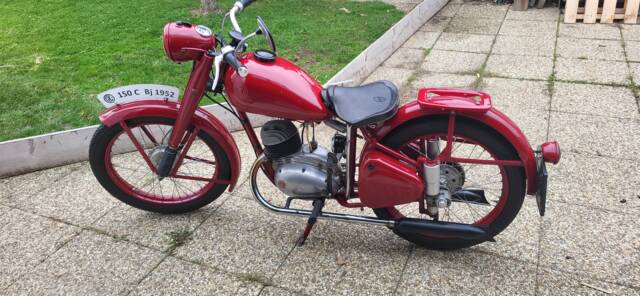
1952 | CZ 150
Top Zustand

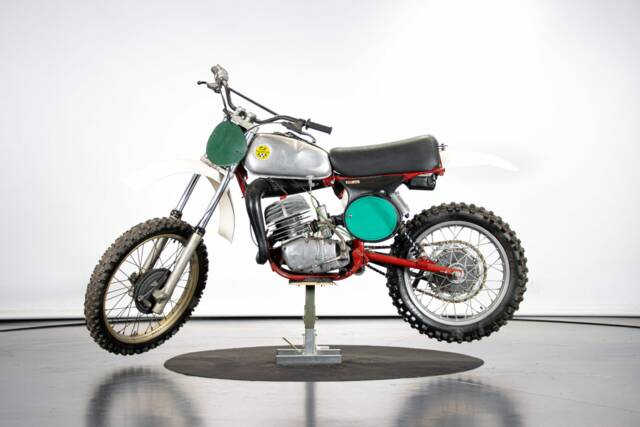
1970 | CZ 250 Moto Cross
MXR 250 CZ

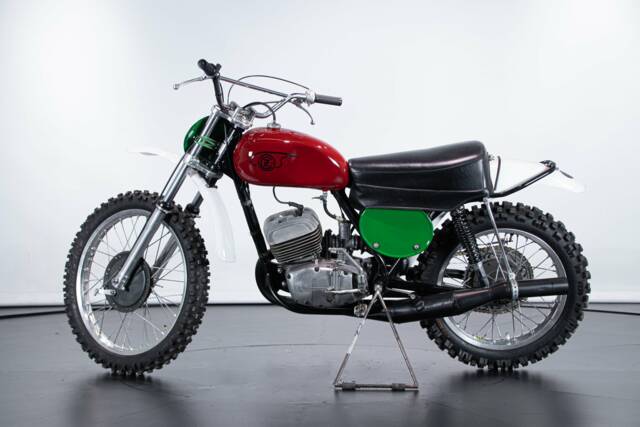
1970 | CZ 250 Moto Cross
-
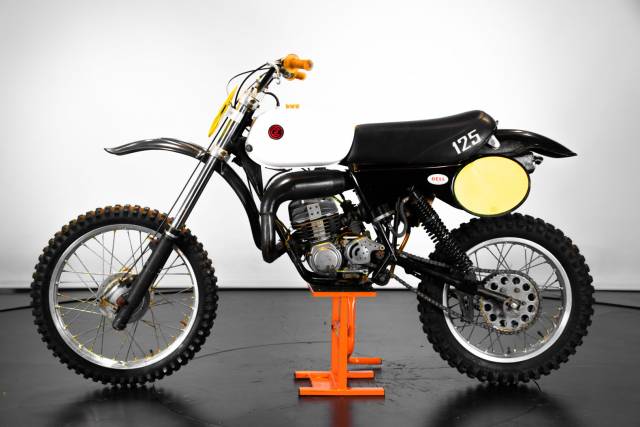
1986 | CZ 125 Cross
-
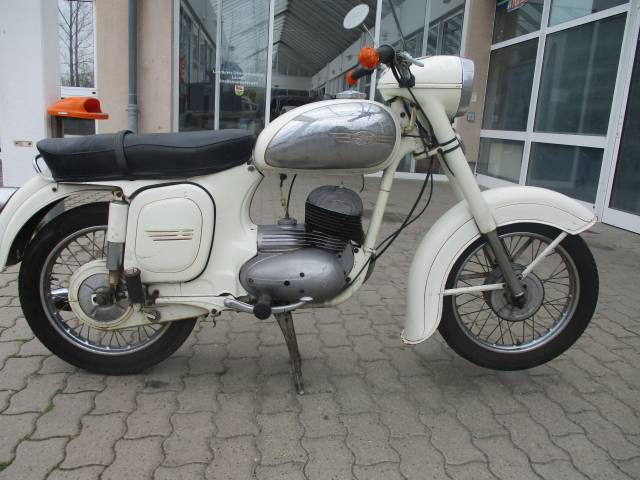
1962 | CZ 125
CZ 125 Modell 453

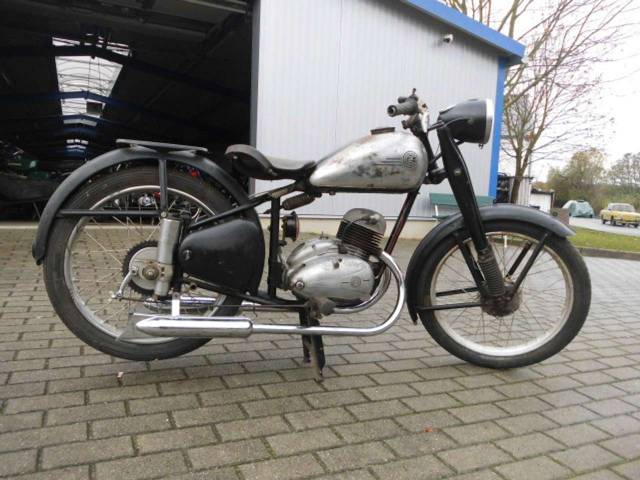
1950 | CZ 150
Jawa CZ 150
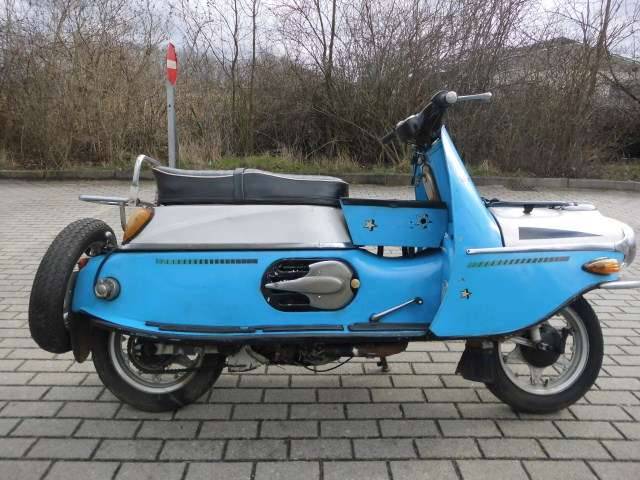
1963 | CZ 175 Mirimin
CZ 175 Cezeta 502
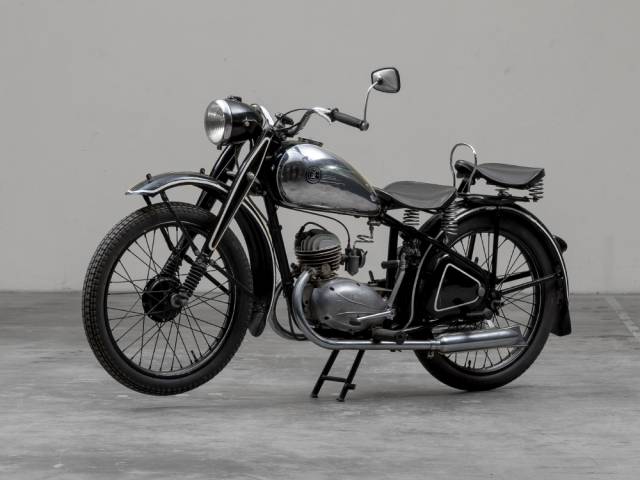
1947 | CZ 125
Classic Cars & Racing Bikes, 08.12.2016, 703
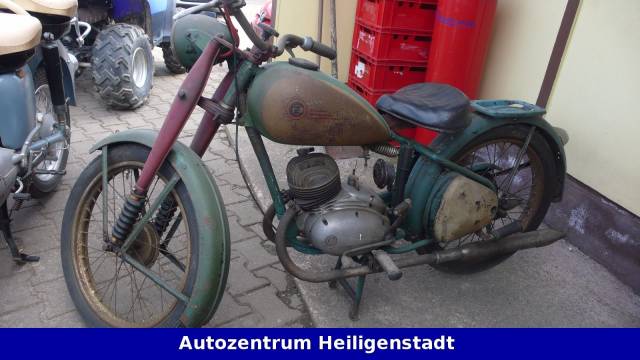
1939 | CZ 150
CZ-150
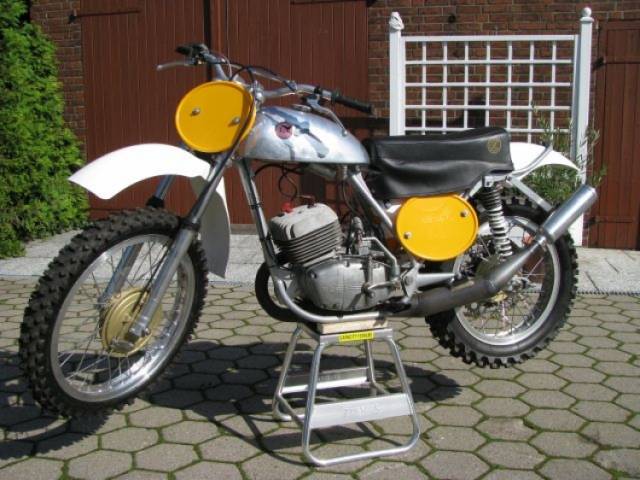
1972 | CZ 250 Moto Cross
CZ 250 Motocross
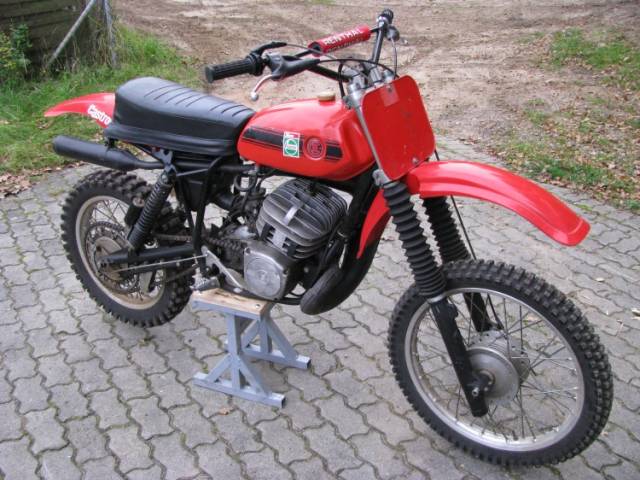
1985 | CZ 250 Moto Cross
CZ 250
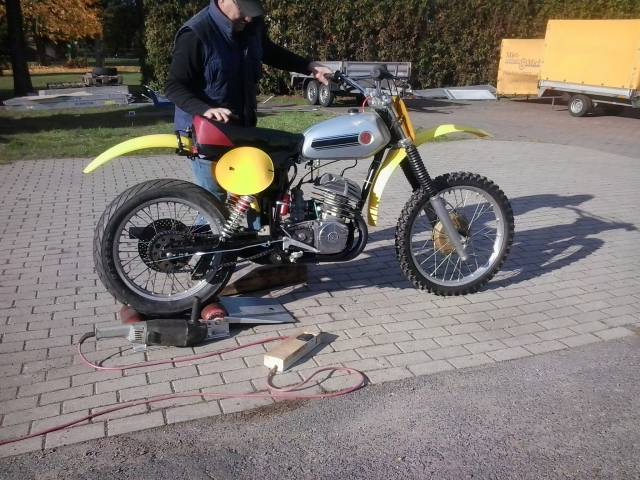
1982 | CZ 380
Create search alert
Let yourself be notified as soon as a listing is published that matches your search filters.
History & Heritage
The story of CZ is one of the most remarkable underdog narratives in the history of motorcycling. Founded in 1919 as Česká Zbrojovka Strakonice (the Czech Armament Works), the company initially focused on weapons production. In the aftermath of World War I, the demand for armaments fluctuated, leading the factory in Strakonice, Bohemia, to look toward civilian transport. In 1931, the first CZ motorcycle rolled off the line—a simple motorised bicycle with a 76cc engine. This humble beginning masked the racing ambition that would later see the brand dominate the world stage.
Throughout the 1930s, CZ expanded its range to include 175cc, 250cc, and 350cc models. These early machines were known for their robust pressed-steel frames and reliable two-stroke engines. However, the outbreak of World War II saw the factory return to military production under German occupation. It wasn't until after the war, under the new communist regime of Czechoslovakia, that CZ’s golden era began to take shape.
In 1949, the state mandated a merger between CZ and their rivals, JAWA. While the two brands shared some technical resources and management, they retained distinct identities for many years. CZ became the brand associated with rugged, lightweight machines and, eventually, specialized competition off-road bikes. This focus led to the development of the motocross machines that would change the sport forever.
The 1960s were the years of CZ’s undisputed dominance. Between 1964 and 1968, the brand captured seven World Motocross Championships. Belgian legend Joel Robert won the 250cc titles in 1964, 1966, and 1968, while East German rider Paul Friedrichs secured a hat-trick of 500cc titles from 1966 to 1968. During this period, CZ was the machine to beat. Their bikes were lighter and more agile than the British four-stroke "thumpers" of the era and more reliable than many of their European rivals.
For Australian riders, the 1970s marked the height of the "dirt bike boom." As motocross became a mainstream pursuit in Australia, CZ bikes arrived on our shores as a competitive alternative to the expensive Husqvarnas and the emerging Japanese offerings. At tracks from Echo Valley in Toowoomba to the sands of Western Australia, the CZ "yellow tankers" and later the "coffin tanks" were a common sight. They were the choice of the privateer who needed a bike that could take a beating on Australia’s often unforgiving, hard-pack clay tracks.
One of the most legendary chapters in CZ history involves the 1974 250cc World Championship. Czech rider Jaroslav Falta had effectively won the title on his CZ, only to have it stripped away by the FIM in a controversial decision that favoured the Soviet-backed Gennady Moiseev (riding a KTM). This "stolen championship" only added to the brand's cult status among racing purists. Despite the political pressures behind the Iron Curtain, the engineers at Strakonice continued to push the boundaries of performance, even as the "Big Four" Japanese brands began to pour massive resources into the sport.
By the 1980s, the technological gap between the state-funded CZ factory and the rapidly innovating Japanese manufacturers became too wide to close. While the Japanese were introducing liquid cooling, monoshock suspension, and power valves, CZ was still refining its air-cooled, twin-shock designs. Production continued through the 1990s following the fall of the Berlin Wall, including a brief partnership with Cagiva, but the motorcycle division eventually ceased production in 1997. Today, the legacy of CZ lives on through a dedicated global community of restorers and vintage motocross (VMX) racers.
Highlights & Features
When discussing CZ motorcycles, five distinct models or series stand out as the pillars of the brand’s identity. For a collector or enthusiast in the Australian market, understanding these machines is essential.
The CZ 250 Twin Port (Type 968)
Often referred to as the "holy grail" of CZ racing bikes, the Twin Port (produced in the mid-1960s) is a masterpiece of engineering simplicity. The name comes from the two exhaust ports exiting the single cylinder, a design choice intended to manage the extreme heat generated by a high-performance two-stroke engine. These bikes were incredibly light, weighing around 100kg, and produced enough power to dominate the 250cc world stage. In Australia, finding a genuine, unmolested Twin Port is a rare feat, and they command significant premiums among collectors.
The CZ 360 Side Pipe (Type 969)
The 360 Side Pipe was the weapon of choice for the 500cc class (Open Class). It featured a distinctive high-mounted exhaust that exited on the right side of the bike. This model carried Paul Friedrichs to his three world championships. It was known for its massive torque and "tractor-like" power delivery, making it surprisingly effective on technical tracks. For Australian VMX racers, the 360 is a popular choice for the Pre-70 classes, offering a raw power experience that modern bikes simply cannot replicate.
The Coffin Tank Generation (Type 980/981)
Introduced in 1973, the "Coffin Tank" models (named for the angular, boxy shape of the fuel tank) represent the most iconic era of CZ for many Australians. These bikes were rugged, affordable, and exported in large numbers to the US and Australia. Available in 250cc and 380cc configurations, they featured a "pork-chop" style motor (due to the shape of the crankcase) and were the entry point for thousands of riders into the world of competitive motocross. Their simple design makes them an excellent project for first-time CZ restorers.
The Falta Replica
Following Jaroslav Falta’s heroic 1974 season, CZ released a "Falta Replica" model. These were high-spec machines for the time, featuring magnesium hubs, alloy fuel tanks, and air-assisted rear shocks. In the Australian market, these are highly sought after as they represent the peak of CZ’s motocross development. They are often identified by their red frames and sophisticated (for the time) suspension setups.
The CZ 125 & 175 Road & Trail Models
While the racing bikes get the glory, CZ also produced thousands of road and trail bikes. Models like the CZ 175 Trail (often branded as Jawa-CZ) were imported into Australia as reliable, budget-friendly commuters or farm bikes. These machines used detuned versions of the rugged two-stroke motors found in the racing bikes. Today, they offer a nostalgic entry into the world of classic European motorcycles, often for a fraction of the price of the motocross variants.
Technical Data
The technical specifications of CZ motorcycles reflect a philosophy of "over-engineering." The engines were built to withstand the rigours of international racing with minimal maintenance. Below is a breakdown of the key models relevant to the Australian collector and VMX scene.
Note: Power figures are estimates based on factory specifications. Competition modifications can significantly increase output. All CZ models require a pre-mixed fuel/oil ratio, typically between 20:1 and 32:1 depending on the oil quality and engine state of tune.
Market Overview & Buying Tips
The Australian market for CZ motorcycles has seen a steady rise in interest over the last decade, driven largely by the growth of the Vintage Motocross (VMX) scene. Organizations like Heaven VMX in New South Wales and various clubs across Victoria and Queensland have created a demand for these "Iron Curtain" classics.
Current Pricing in Australia (2024 - 2025)
Pricing for CZs in Australia can vary wildly based on condition and rarity.
- Project bikes (incomplete or non-running): Expect to pay between A$1,500 and A$3,000.
- Runners / VMX ready: A decent, running CZ 250 or 380 "Coffin Tank" typically fetches between A$4,500 and A$7,500.
- Showroom Restorations: Fully restored "Falta Replicas" or early "Yellow Tankers" can reach A$9,000 to A$13,000.
- The Rarities: A genuine, documented CZ 250 Twin Port can exceed A$20,000 if it appears on the Australian market, though many are traded privately between collectors.
Importing and Sourcing Parts
For the Australian owner, parts availability is a double-edged sword. While local specialists like Classic Style Australia in Melbourne occasionally stock parts, most owners rely on international sources.
- Czech Republic: Sites like Retro Moto CZ are the primary source for authentic components.
- USA: The US has a massive CZ following, with specialists like CZ World providing everything from gaskets to complete engines.
- Shipping Costs: This is a critical factor for Australian buyers. Shipping a heavy engine or frame from Europe or the US can cost anywhere from A$300 to A$600. Even smaller parcels of engine internals will often incur A$50 to A$100 in shipping fees. It is always advisable to "bundle" your orders to maximize the value of international freight.
Critical Buying Tips for Australians
- Asbestos Awareness: When importing older bikes or parts into Australia, be aware of strict Border Force regulations regarding asbestos. Gaskets and brake shoes on 1970s CZs often contained asbestos. It is highly recommended to have these removed or replaced before shipping to avoid costly quarantine seizures and cleaning fees.
- Frame Integrity: Check for cracks around the steering head and the footpeg mounts. Many CZs were raced hard in Australia’s dry, rough conditions, and metal fatigue is a common issue.
- Engine Compression: CZs are known for their longevity, but they are also sensitive to poor fuel mixtures. Always perform a compression test. A healthy 250cc motor should show at least 120-130 PSI.
- Ignition Systems: The original Magneto systems can be temperamental. Many Australian owners convert their bikes to modern VAPE or Powerdynamo electronic ignitions. This significantly improves starting reliability and performance.
- Carburetion: While the original Jikov carburettors are period-correct, they can be difficult to tune. A popular Australian modification is the fitment of a Mikuni VM series carb, which offers much more consistent jetting for the Australian climate.
Riding Experience
Riding a CZ is a visceral experience that connects you directly to the grit and determination of 1960s and 70s racing. There is no fuel injection, no traction control, and no electronic assistance. It is just you, a high-compression two-stroke single, and the dirt.
The Power Delivery
A CZ 250 is often described as "violent" in its power delivery compared to modern four-strokes. There is a distinct "hit" as the engine enters its powerband, usually accompanied by a sharp, metallic scream from the exhaust. In contrast, the 380cc and 400cc models offer a much broader spread of torque. These "big bores" can be lugged through corners in a higher gear, using their massive rotating mass to find traction on slippery Australian clay. They feel more like a tractor than a modern dirt bike, pulling relentlessly from the bottom end.
Handling and Suspension
Compared to the plush, long-travel suspension of a modern KTM or Yamaha, a vintage CZ feels stiff and short-tempered. You feel every bump and every rock. However, the low centre of gravity and relatively narrow profile make them surprisingly agile in tight corners. On an Australian VMX track, a well-set-up CZ can still hold its own against much newer machinery, provided the rider is willing to put in the physical effort. The "twin-shock" rear end requires a specific riding style—you need to keep the rear wheel loaded to maintain traction, often involving more "body English" than on a modern bike.
The Ergonomics
The ergonomics of a 1970s CZ are a product of their time. The seats are relatively flat, and the handlebars are often wider than what modern riders are used to. The "Coffin Tank" models have a very distinctive feel between the knees—the square tank is surprisingly comfortable once you adjust your leg position. The controls are heavy; the clutch pull on a 380 requires a strong left hand, and the drum brakes (while adequate for the era) require significant pressure to bring the machine to a halt.
The Sound and Scent
Part of the CZ riding experience is the sensory assault. The "ring-ding-ding" of the engine at idle, the smell of burnt castor oil (if you’re using traditional premix), and the vibration that tingles through the footpegs all contribute to the charm. For many Australian riders, these machines evoke memories of Sunday afternoons at the local track, covered in dust and grinning from ear to ear.
Design & Accessories
The design of CZ motorcycles is a masterclass in industrial functionality. In the Soviet-influenced environment of the time, there was little room for "styling" for styling’s sake. Every curve of the frame and every casting of the engine served a purpose.
Industrial Aesthetic
The "naked" look of a CZ motocross bike is part of its enduring appeal. The massive cooling fins on the cylinder head, the exposed chromoly frames, and the simple, hand-painted tanks give the bikes a "factory" feel. Even the road models, like the CZ 175, possess a rugged, utilitarian charm that has made them popular in the "brat" and "scrambler" custom scenes in cities like Sydney and Melbourne.
Common Accessories and Upgrades
For the Australian owner looking to improve their machine, several period-correct and modern accessories are popular:
- Alloy Rims: Replacing the heavy original steel rims with Akron or Excel alloy rims reduces unsprung weight and improves handling.
- Improved Shocks: While the original air shocks were revolutionary, most Aussie racers now opt for modern Ohlins, Progressive, or Hagon units to save their lower backs from the harshness of the track.
- Plastic Fenders: Original fibreglass mudguards are brittle and rare. Most riders use period-correct plastic replicas from manufacturers like Preston Petty.
- Mikuni Conversions: As mentioned, replacing the Jikov carb with a Mikuni is the most common functional upgrade for Australian riders.
Racing Heritage
CZ's racing pedigree is the foundation upon which its collector value is built. For a brand from a relatively small country behind the Iron Curtain to dominate the global motocross scene for half a decade was an incredible feat.
The World Championships
The list of CZ’s FIM World Titles remains one of the most impressive in the sport:
- 1964: Joel Robert (250cc)
- 1965: Viktor Arbekov (250cc)
- 1966: Joel Robert (250cc) & Paul Friedrichs (500cc)
- 1967: Paul Friedrichs (500cc)
- 1968: Joel Robert (250cc) & Paul Friedrichs (500cc)
These victories were achieved against the best the world had to offer, including the formidable British, Swedish, and Belgian teams. The fact that Paul Friedrichs won three consecutive 500cc titles on what was essentially a heavily modified production bike (the 360 Side Pipe) is a testament to the engineering genius at Strakonice.
The ISDT Connection
Beyond motocross, CZ was a powerhouse in the International Six Days Trial (ISDT), the "Olympics of Motorcycling." The Czechoslovakian national team, riding CZ and JAWA machines, won the prestigious World Trophy numerous times throughout the 1950s, 60s, and 70s. These events proved the incredible reliability of the CZ engine. An ISDT bike had to survive 1,500 kilometres of brutal off-road riding with only the rider allowed to perform maintenance. CZ’s success here cemented their reputation for "unstoppable" engineering.
The Australian Connection
In Australia, the racing heritage of CZ is kept alive through the **VJMC (Vintage Japanese Motorcycle Club)**—which, despite its name, includes a vibrant section for Eastern European machines—and dedicated VMX clubs. Australian riders who grew up watching legends like Falta and Robert now rebuild these machines to relive their youth. Events like the Vinduro (Vintage Enduro) scene also see a strong turnout of CZ 175 and 250 trail bikes, proving that these old warhorses still have plenty of life left in them.
Summary
Buying a CZ motorcycle in Australia is more than just a financial transaction; it is an entry into a storied chapter of motorsport history. Whether you are looking for a museum-quality 250 Twin Port, a rugged 380 Coffin Tank for weekend VMX racing, or a nostalgic 175 Trail for a custom project, CZ offers a unique blend of Eastern Bloc durability and world-class racing pedigree.
While the challenges of international parts shipping and the nuances of tuning 1970s two-strokes are real, the rewards are immense. There is nothing quite like the sound of a CZ single hitting its powerband on a dusty Australian track. These machines are honest, mechanical, and evocative of a time when racing was won with grit, steel, and a handful of throttle. As the vintage scene continues to grow, the "Iron from Strakonice" remains one of the most respected and sought-after marques in the classic motorcycle world.
For the Australian collector, the advice is simple: buy the best example you can afford, invest in a modern electronic ignition, join a local VMX club, and enjoy one of the purest riding experiences on two wheels. CZ might have stopped production in 1997, but for those who value mechanical honesty and championship-winning heritage, the brand has never been more alive.