- Motorcycle
- Bultaco (1 offer)
Buy Bultaco Motorcycles
Bultaco redefined off-road competition with high-revving two-strokes that dominated the world stage from Barcelona. From the game-changing Sherpa T to the fierce Pursang, these Spanish machines remain the gold standard for vintage trials and motocross enthusiasts across Australia.
Search results
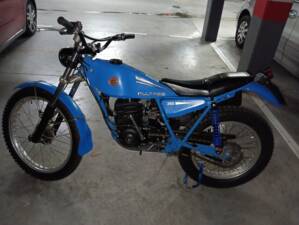
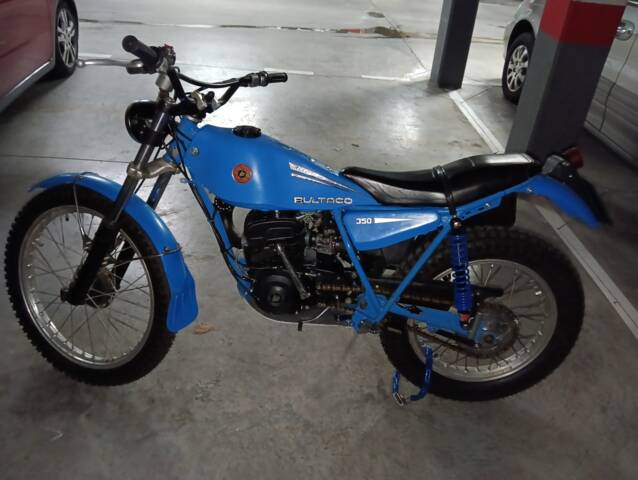
1981 | Bultaco Sherpa T 350
Registered. Historic. Insured

Bultaco listing references from Classic Trader
Below you will find listings related to your search that are no longer available on Classic Trader. Use this information to gain insight into availability, value trends, and current pricing for a "Bultaco" to make a more informed purchasing decision.
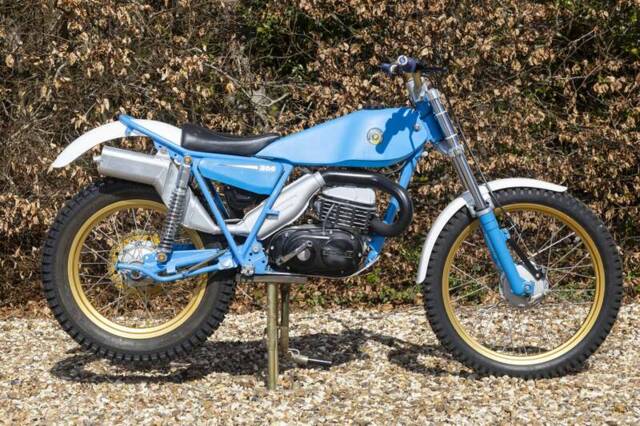
1978 | Bultaco Sherpa T 350
1978 Bultaco Sherpa T350 199 326cc

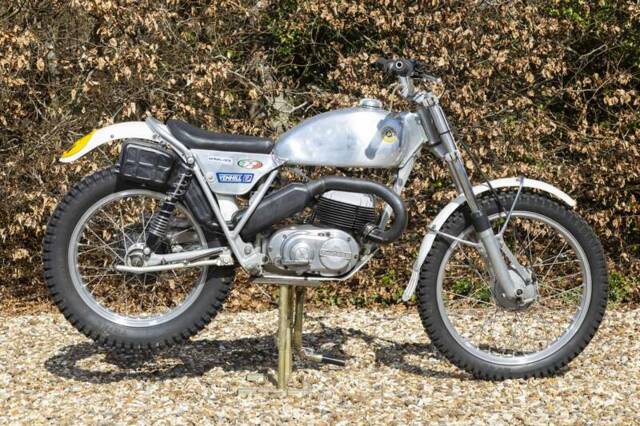
1975 | Bultaco Sherpa T 250
1975 Bultaco Sherpa T250 (Model 150) 244cc
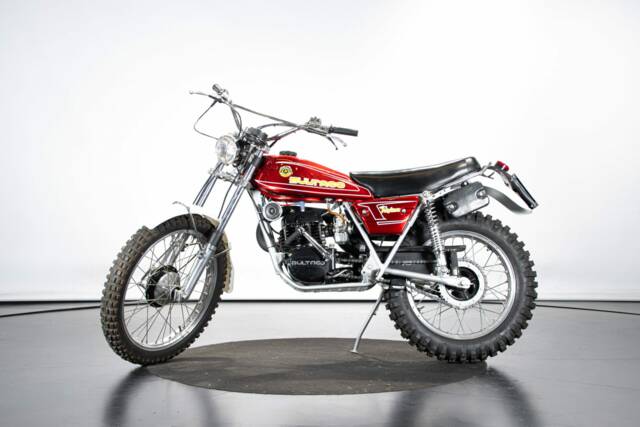
1978 | Bultaco Alpina 350
Bultaco 350 ALPINA

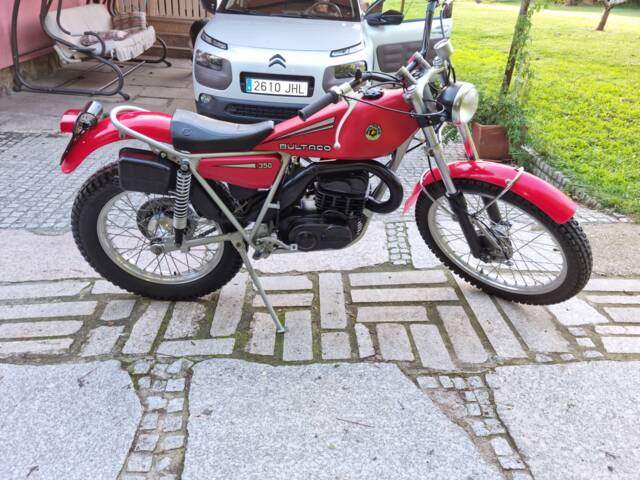
1978 | Bultaco Sherpa T 350
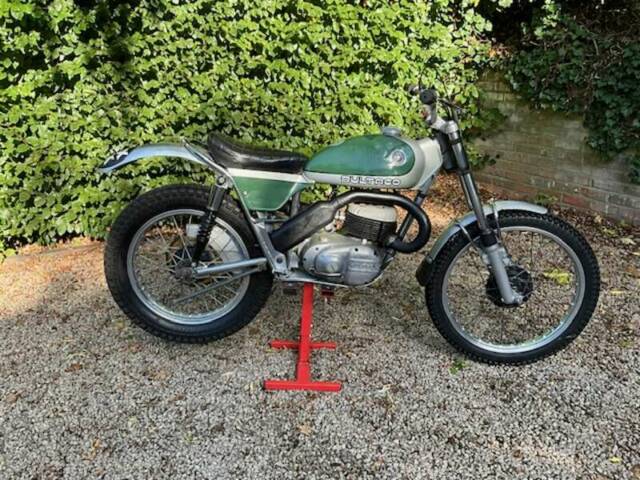
1971 | Bultaco Sherpa T 250
1971 Bultaco Sammy Miller Sherpa T 244cc
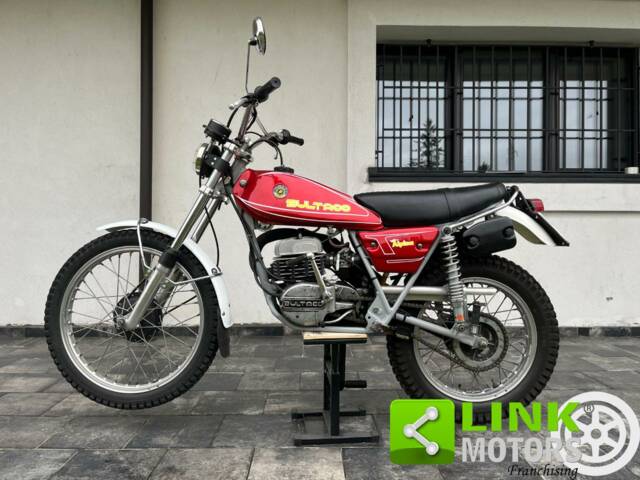
1980 | Bultaco Alpina 350
BULTACO Alpina 350 213
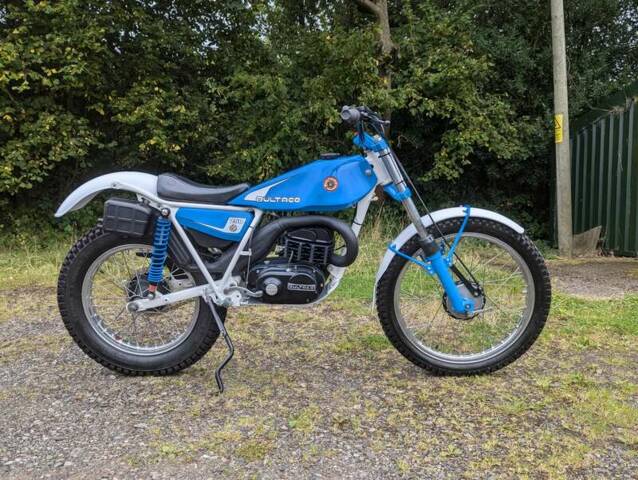
1982 | Bultaco Pursang 250 MK11
1982 Bultaco Sherpa 198B 250cc
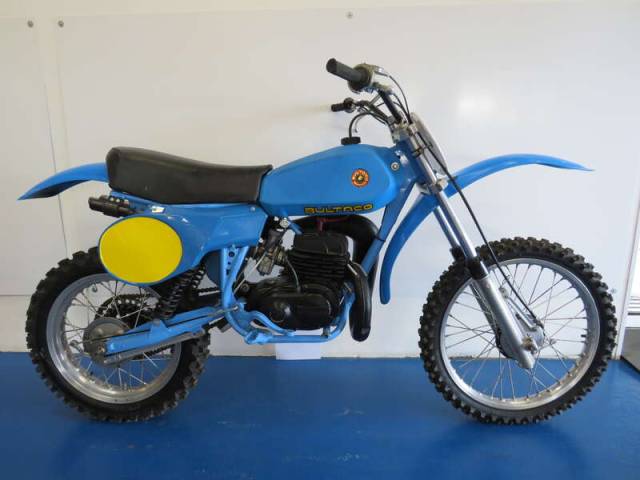
1981 | Bultaco Sherpa T 250
c.1981 Bultaco 250 Pursang 250cc
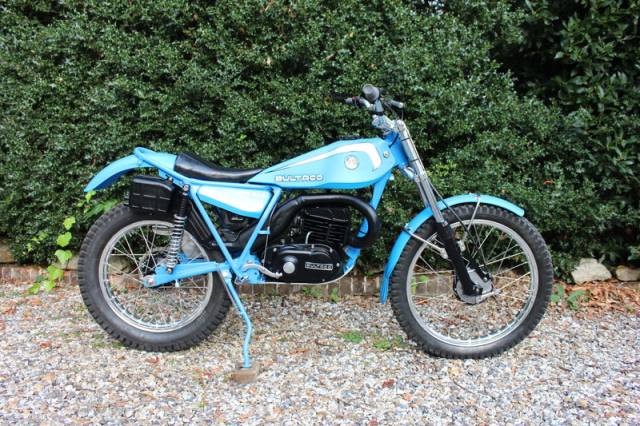
1980 | Bultaco Pursang 370
1980 Bultaco Sherpa 350 349cc
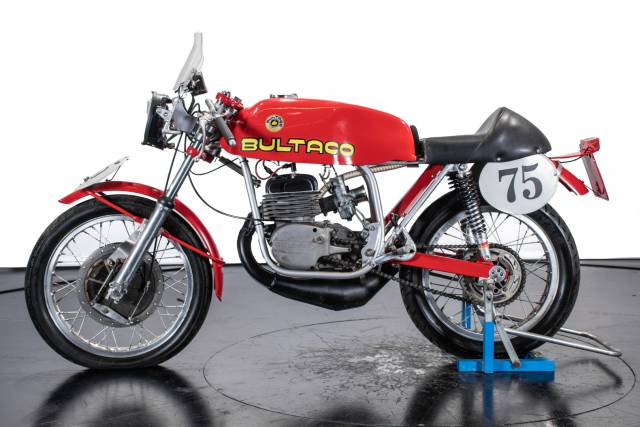
1969 | Bultaco TSS 350
-
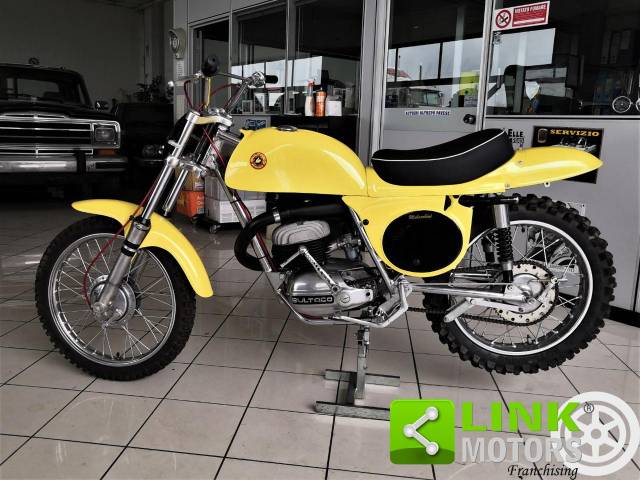
1969 | Bultaco Métisse
BULTACO Metisse Rickman 250
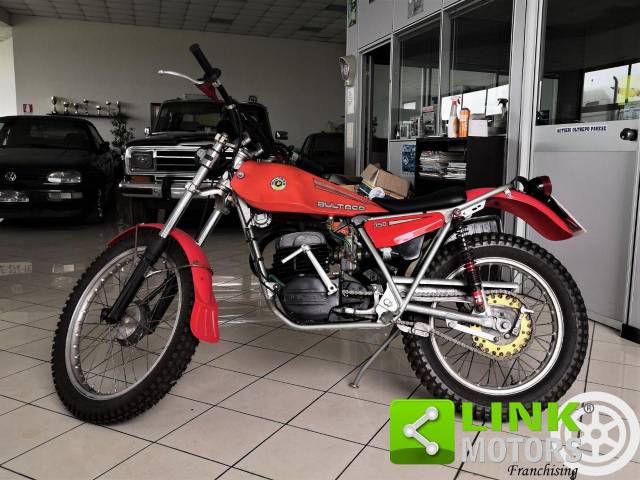
1978 | Bultaco Sherpa T 350
BULTACO Sherpa Trial 350 T 350
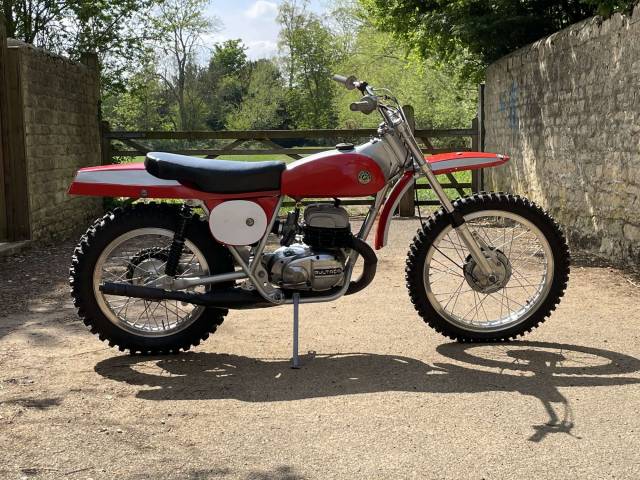
1968 | Bultaco Pursang 250
1968 Bultaco Pursang 104 250cc
History
The story of Bultaco is one of rebellion and racing obsession. Founded by Don Francisco Xavier "Paco" Bultó in 1958, the brand emerged from a bitter split at Montesa. When Montesa's board decided to withdraw from racing due to a Spanish economic slump, Bultó—the technical heart of the company—resigned in protest. A group of loyal engineers and racers followed him, and within months, Bultaco was born in a primitive workshop on Bultó’s family farm, San Antonio, near Barcelona.
The name Bultaco itself is a portmanteau of the founder's surname (Bultó) and his nickname (Paco). The famous "thumbs up" logo was inspired by Bultó’s observation of British racers signaling each other during competitions. On March 24, 1959, the first model, the Tralla 101, was launched. This 125cc two-stroke street bike immediately proved its mettle, taking seven of the top ten spots in the Spanish Grand Prix just weeks after its debut.
Bultaco’s impact on the Australian motorcycling landscape became significant in the 1960s and 70s. While British four-strokes had previously dominated, the arrival of lightweight, agile Spanish two-strokes coincided with the burgeoning off-road scene in Australia. The brand’s philosophy of "factory bikes for the public" resonated with Australian riders who needed durable, high-performance machines for the harsh conditions of the bush and the competitive world of trials and motocross.
The defining moment for the brand came in 1965 with the Sherpa T. Developed alongside legendary British rider Sammy Miller, it revolutionized trials riding by replacing heavy, cumbersome bikes with a lightweight, specialized design. In Australia, the Sherpa T became the weapon of choice for a generation of trials riders, establishing a legacy that continues today in the thriving vintage trials scene.
Throughout the 1970s, Bultaco dominated world championships. Names like Martin Lampkin, Yrjö Vesterinen, and Bernie Schreiber won five consecutive FIM Trial World Championships on Bultaco machinery. In motocross, the Pursang became a global icon, while the Alpina offered a versatile enduro option that was highly popular in Australia’s enduro and pony express events. Although the factory closed in 1983 amid industrial unrest and Japanese competition, the "Cemoto" legacy lives on through dedicated collectors and racers across the Australian continent.
Highlights & Features
Bultaco was never just a motorcycle manufacturer; it was a racing department that happened to sell bikes to the public. This racing-first approach led to several distinctive features that define the brand’s collectible status today.
The most significant highlight is the Sherpa T, widely regarded as the first modern trials motorcycle. Its arrival marked the end of the four-stroke era in trials. In Australia, the Sherpa T is prized for its slim profile, incredible balance, and a motor that provides smooth, tractable power from almost zero RPM. For an Australian collector, a "Slime" (the early slim-tank models) or a later 350cc version represents the pinnacle of vintage trials technology.
The Pursang stands out as one of the most beautiful and effective motocross bikes of its era. Known for its "boat tail" seat unit and striking color schemes—typically white with red or blue—the Pursang was famous for its sharp handling and explosive power. In the Australian vintage motocross (VMX) scene, the Pursang remains a top-tier competitor, often seen at events organized by clubs like the Heaven VMX in NSW or the Viper VMX in Victoria.
For those who prefer the road, the Metralla is the standout. Specifically the Metralla MK2, which at its launch was the fastest 250cc production bike in the world. Its clean lines, lightweight chassis, and surprising top speed made it a giant-killer on the street and in production racing. Finding an original Metralla in Australia is a rare treat for collectors, as many were raced or modified beyond recognition.
Another unique Bultaco feature is the engine versatility. The basic engine design was so robust and adaptable that it powered everything from trials bikes to world-championship road racers. This means that while specific parts might vary, the fundamental mechanical principles remain consistent across the range, making them relatively straightforward to maintain for those familiar with classic two-stroke tuning.
Finally, the aesthetic appeal of Bultaco motorcycles cannot be overstated. From the Akront alloy rims to the elegant fiberglass bodywork and the iconic "thumbs up" emblem, these bikes possess a Mediterranean flair that contrasts sharply with the utilitarian look of many contemporary British or Japanese machines.
Technical Data
The technical heart of every classic Bultaco is a single-cylinder, air-cooled two-stroke engine. Whether tuned for low-end torque in trials or high-end screaming power on the track, the "Cemoto" powerplant followed a consistent evolutionary path.
Key technical characteristics for Australian owners:
- Carburetion: Most models featured Amal or Bing carburetors. For Australian conditions, many owners switch to Mikuni for better reliability and ease of tuning in varied altitudes and temperatures.
- Ignition: Original points-and-condenser systems (often Femsa) can be temperamental. Electronic ignition conversions (like Rex's Speed Shop or Electrex World) are a common and recommended upgrade for Australian riders.
- Frame: Bultacos used high-quality chrome-moly steel tubing, contributing to their legendary handling and light weight.
- Premix: All classic Bultacos require a fuel-oil premix. In the Australian heat, a high-quality synthetic oil mixed at 40:1 or 50:1 is typically preferred over the original 25:1 recommendations to prevent plug fouling while ensuring lubrication.
Market Overview & Buying Tips
The Australian market for Bultaco motorcycles is specialized but passionate. Unlike the US or Europe where supplies are more plentiful, Australian Bultacos often have a hard-working history in local competition.
Australian Pricing Trends (2024–2025)
Prices in Australia have seen a steady increase as the "boomer" generation of racers seeks out the bikes of their youth.
- Sherpa T: A decent, rideable Sherpa T (250 or 350) typically fetches between A$4,500 and A$7,500. Pristine, matching-numbers restorations can exceed A$10,000.
- Pursang: These are highly sought after for VMX. Expect to pay A$6,000 to A$9,000 for a competitive MK8 or MK11. Rare early models or professional-grade restorations can reach A$12,000–A$15,000.
- Alpina: Generally more affordable, with good examples ranging from A$4,000 to A$6,500.
- Metralla: Extremely rare in Australia. A good MK2 can command anywhere from A$12,000 to A$18,000, with exceptional examples occasionally hitting higher at specialist auctions like Shannons or Donington. Recent 2025 auction data showed a Metralla MK2 selling for A$8,500 in fair/original condition, indicating a strong baseline for road models.
Parts Availability & Shipping to Australia
One of the biggest hurdles for Australian Bultaco owners is parts. While there are local specialists like Bultaco Australia (Robert Morgan) who carry a significant range of spares, many specialized items must be sourced from overseas.
- UK Sources: InMotion Trials is a primary source for Sherpa and Alpina parts. Shipping to Australia is reliable but can be expensive; expect to pay A$50–A$150 for shipping on medium-sized orders.
- USA Sources: Speed & Sport is excellent for Pursang and racing parts. US shipping costs have risen significantly, often making the freight cost higher than the parts themselves for small orders.
- Spain: Sourcing directly from Spain (e.g., Bultaco.com or specialist shops in Barcelona) is possible but often requires dealing with language barriers and varying shipping times.
Inspection Points for Buyers
When looking at a Bultaco in Australia, keep these points in mind:
- Engine Numbers: Bultaco engine and frame numbers should match or be within a very close range for maximum value. The number typically starts with the model number (e.g., "80" for a Model 80 Sherpa T).
- Fiberglass Condition: Original Bultaco fiberglass is prone to "blooming" or cracking, especially after decades in the Australian sun. Check the fuel tank for internal sealing; modern ethanol-blended fuels (E10) will destroy an unsealed original tank.
- Frame Cracks: Check the frame around the footpegs and the steering head, especially on Pursangs and Sherpas that have been used for serious competition.
- Crank Seals: If the bike has been sitting, the crank seals will likely be dry and brittle. A bike that is hard to start or won't idle usually needs new seals—an engine-out job.
Historic Registration (Club Plates)
A major advantage of owning a Bultaco in Australia is the access to Historic or Club Registration.
- NSW (Historic Vehicle Scheme): Requires the bike to be 30 years old and mostly original. Costs around A$50/year and provides 60 days of personal use via a logbook.
- VIC (Club Permit Scheme): Similar 25-year rule. Offers 45 or 90-day permits. It's significantly cheaper than full registration (approx. A$80–A$150 depending on the permit length).
- QLD (Special Interest Vehicle Scheme): Restricts use to club-sanctioned events and test runs.
- WA (Code 404): Offers a 75% discount on registration for original vehicles over 30 years old.
Performance
Riding a Bultaco is a sensory experience that starts with the smell of premix and ends with the unique "ring-ding" soundtrack of the Barcelona two-stroke.
The Sherpa T performance is all about the "plonk." Unlike modern trials bikes that rely on high-RPM bursts and clutch work, the Sherpa T is designed to find traction where none seems to exist. The heavy flywheel effect allows the engine to chug along at incredibly low speeds, making it a joy to ride in Australian creek beds or rocky sections. The steering is slow by modern standards but provides immense stability and confidence for the rider.
The Pursang offers a much more aggressive profile. When the engine hits its powerband, the acceleration is immediate and visceral. On a vintage motocross track, the Pursang feels light and flickable, though the short-travel suspension of the era requires the rider to be active and fit. It’s a bike that rewards commitment; the harder you ride it, the better it seems to work.
For the Alpina, the performance is a "best of both worlds" scenario. It’s essentially a Sherpa T with a slightly different gearbox, a larger seat, and a larger fuel tank. It’s not a high-speed desert racer, but for technical trail riding in the Blue Mountains or the Victorian High Country, its ability to climb and maneuver makes it nearly unstoppable.
The road-going Metralla provides a surprisingly modern riding feel. The 250cc engine is remarkably smooth for a large-capacity single-cylinder two-stroke. It handles with a precision that reflects its racing heritage, carving through corners with ease. However, being a lightweight two-stroke, it requires frequent gear changes to stay in the power, making every ride an engaging mechanical dialogue.
Design
Bultaco design is characterized by a "no-nonsense" elegance where every component is designed for easy maintenance and maximum efficiency.
The color palette is iconic. The "Bultaco Red" of the early Sherpas and the "Spanish Blue" of later models are instantly recognizable. The integration of the fuel tank and seat lines—especially on the "Kit Campeon" Sherpa T models—created a silhouette that many manufacturers tried to emulate throughout the 70s.
Material choice was also a hallmark. While Japanese manufacturers moved toward plastic, Bultaco stayed with high-quality fiberglass for tanks and mudguards well into the 70s. The polished aluminum engine cases and the sand-cast textures of the cylinder heads give these bikes a "hand-built" feel that is missing from mass-produced classics.
The layout is exceptionally rider-friendly. Paco Bultó was a tall man, and his bikes generally have a more spacious cockpit than their contemporary Italian counterparts. For the Australian rider, this often translates to a more comfortable standing position on off-road models.
The Thumbs Up logo is the finishing touch. Symbolizing the "Cemoto" spirit of victory and camaraderie, it’s a design element that has become a lifestyle brand in its own right, appearing on apparel and accessories worldwide.
Racing Heritage
Bultaco’s racing record is staggering. Between 1975 and 1979, Bultaco won every single FIM Trial World Championship. This era of dominance cemented the brand's reputation as the masters of technical off-road riding.
In Australia, the racing heritage is kept alive through the Vintage Motocross (VMX) and Post-Classic Trials movements. Events like the "Classic Dirt" or the "Trans-Tasman" series often feature large grids of Bultacos, proving that these machines are still competitive decades after they left the factory.
The brand also had a significant presence in road racing. The TSS (Tralla Super Sport) models were the first Spanish bikes to win world championship points. In the hands of riders like Ginger Molloy and even a young Barry Sheene, Bultaco's road racers proved that the Barcelona factory could compete with the best in the world on tarmac as well as dirt.
Summary
Buying a Bultaco is an entry into a prestigious club of enthusiasts who value history, performance, and mechanical purity. Whether it’s the world-conquering Sherpa T, the beautiful Pursang, or the rare Metralla, every Bultaco carries the DNA of Paco Bultó’s racing passion.
For the Australian buyer, the challenges of parts shipping and specialized maintenance are far outweighed by the reward of owning a piece of Spanish motorsport history. With a thriving local club scene and the availability of affordable historic registration, there has never been a better time to find a Bultaco and give the world a "thumbs up."
Find your next Bultaco on Classic Trader and experience the legendary performance of Spain's most iconic two-stroke brand. Discover the range of Sherpa, Pursang, and Alpina models available now and start your vintage motorcycling journey today.