- Motorcycle
- BMW
- BMW R 71 (0 offers)
BMW R 71 classic motorcycles for sale
The BMW R 71 is a rare find on the classic motorcycle market, celebrated for its robust build, side-valve flat-twin engine and significant historical role before and during the Second World War. With very limited supply and demand evidenced by 100% shares in our internal statistics, this pre-war BMW twin-cylinder attracts serious enthusiasts looking for engineering legacy and unique history.
Search results
Currently, there are no matching listings for your search.
Create search alert
Let yourself be notified as soon as a listing is published that matches your search filters.
Create listing
Do you have a BMW R 71 that you want to sell? Then create a listing now.
Create listingBMW R 71 listing references from Classic Trader
Below you will find listings related to your search that are no longer available on Classic Trader. Use this information to gain insight into availability, value trends, and current pricing for a "BMW R 71" to make a more informed purchasing decision.
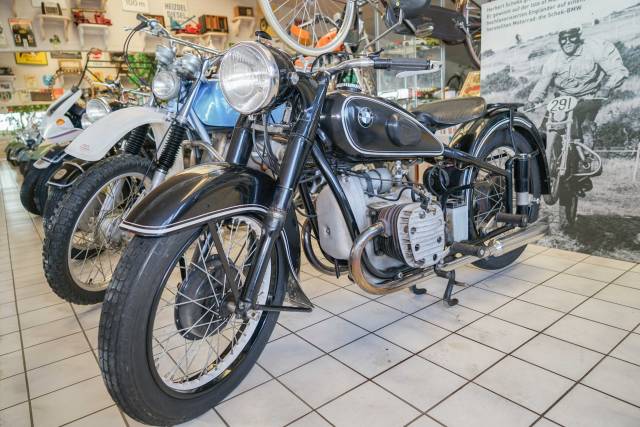
1938 | BMW R 71
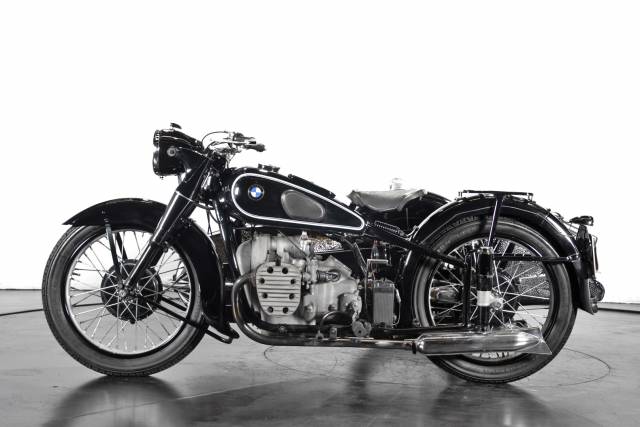
1939 | BMW R 71
-
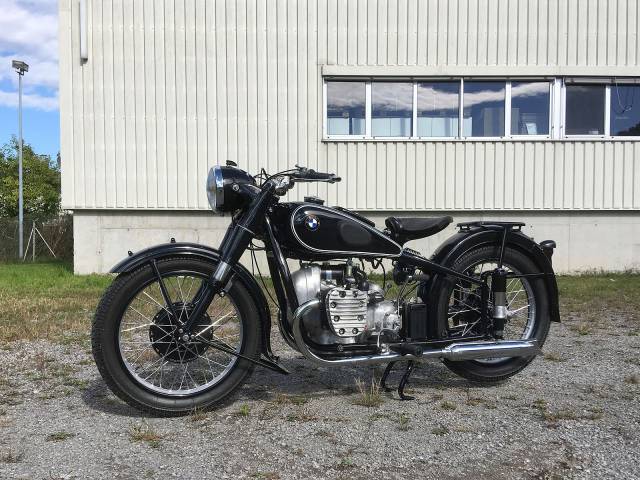
1939 | BMW R 71
BMW R71, Baujahr 1939, Vollrestauration
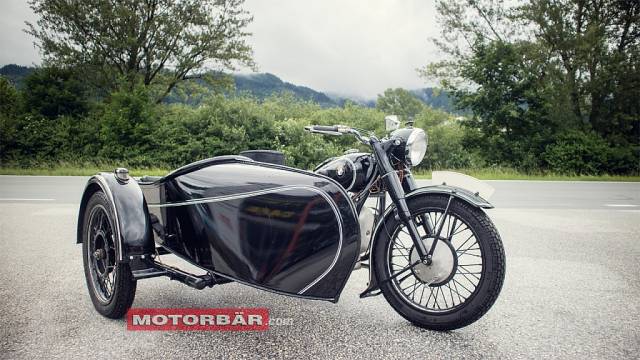
1939 | BMW R 71
Create search alert
Let yourself be notified as soon as a listing is published that matches your search filters.
Create listing
Do you have a BMW R 71 that you want to sell? Then create a listing now.
Create listingBMW R 71 Classic Motorbikes: Prices & Market Values
History of the BMW R 71
First introduced in 1938, the BMW R 71 marked a milestone for BMW Motorrad as a response to government demands for durable and dependable motorcycles ahead of the Second World War. The R 71 featured a side-valve, air-cooled, 746 cc two-cylinder Boxer engine and was widely utilised by the Wehrmacht, often paired with sidecars. Notably, its design was so notable that the Soviet Union reverse-engineered it as the basis for their IMZ-Ural and Dnepr military bikes. Production run was brief—less than 3,500 units were built until 1941, making the R 71 an exceedingly rare survivor from its era.
Model History of the BMW R 71
The R 71 succeeded the R 61 and refined the concept with improvements to engine robustness, frame design and sidecar mounting. After 1941, BMW shifted production to the R 75, a more advanced military bike with an OHV engine and drive to the sidecar wheel. The distinct position of the R 71 as an end-of-line side-valve boxer makes it a singular model in BMW’s heritage. Its legacy influenced motorcycle engineering far beyond Germany, evident in the long-running Soviet derivatives.
Highlights of the BMW R 71
Among its most distinctive features, the R 71 is a classic example of pre-war German engineering, combining a side-valve flat-twin engine layout with robust, fully enclosed drive shafts and a pressed-steel double-loop frame. The factory-offered sidecar compatibility and hand-shift gearbox add to the authenticity. Our internal marketplace statistics reveal the R 71 captures a 100% share of both supply and demand for this manufacturer code—highlighting its exclusivity and desirability among BMW classics.
Technical Data
Special Editions and Collectible Models
There are no officially documented special or limited editions of the R 71 factory-made by BMW; however, surviving examples with authentic war-time sidecars, original paint or provenance connected to military or governmental service can command particular interest. Additionally, military equipment and accessories—such as blackout lighting or radio mountings—are sought after by collectors.
Weak Spots and Common Issues
R 71 owners must be mindful of age-related wear on the side-valve engine, including piston ring and valve seat wear. The shaft-driven rear can develop play and seal leaks. Gearboxes, especially early models, may lose synchronisation or develop shifting issues. Frame corrosion and sidecar mount fatigue are notable due to heavy military use. Many parts are interchangeable with Soviet derivatives, which simplifies sourcing components but makes documentation and originality checks crucial.
Engine, Performance, Transmission and Handling
The flat-twin side-valve engine delivers steady low-end torque, well-suited for sidecar operation and durable under load. With around 22 hp, the R 71 is not quick by modern or post-war standards, but it is robust and resilient. Hand-operated gearbox and shaft drive provide typically BMW mechanical reliability. Road handling is sturdy, especially with a sidecar attached; solo riding requires confident control due to the R 71's period-specific geometry and weight balance. The best-regarded R 71s retain correct engine, frame and gearbox numbers, original finishes and matching period sidecars. Models with Wehrmacht provenance, complete documentation or genuine wartime modifications are of particular interest to collectors.
Interior, Comfort, Exterior and Design
The double-loop pressed steel frame, classic teardrop fuel tank and spring-mounted solo seat define the R 71's look. Toolboxes, exposed shaft drive and robust steel fenders signal utility-focused design. Factory black with white pinstriping is the most notable factory colour scheme; surviving examples with original paint are rare. Accessory options historically included large luggage racks and military-use sidecar mounts. The dashboard is minimal, focusing on reliable function rather than decoration. Seating and shock absorption reflect the era’s basic comfort standards.
Other Relevant Features
As production numbers were low and many R 71s saw hard military use, fully authentic survivors are rare. Many were exported, rebuilt or modified post-war—potential buyers should pay close attention to frame and engine number verification. The R 71’s technical simplicity makes it accessible for restoration, yet authenticity is best preserved with period-correct parts wherever possible.
Summary
The BMW R 71 occupies a unique place in motorcycle history as a robust, pre-war side-valve twin designed for military applications, built in limited numbers from 1938 to 1941. Its historical legacy, rarity, and technical impact—especially as the progenitor of Soviet military bikes—set it apart from other classic BMWs. Original, well-documented examples command significant interest. With both supply and demand shares at 100% on the Classic Trader platform, the R 71 stands out as a rare highlight for focused collectors and restorers aiming for originality and heritage.