- Motorcycle
- Aspes (1 offer)
Buy Aspes Motorcycle
From the dirt tracks of Gallarate to the most exclusive vintage collections in Australia, Aspes represents the pinnacle of 1970s Italian off-road engineering. With high-performance models like the Hopi and Navaho, these rare machines offer Australian collectors a unique blend of racing pedigree and Mediterranean flair.
Search results
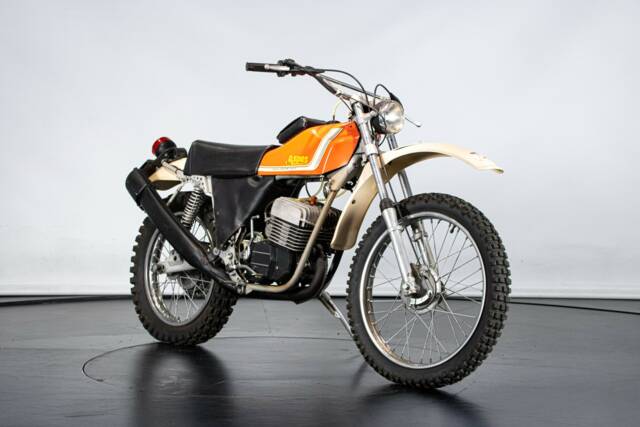

Aspes listing references from Classic Trader
Below you will find listings related to your search that are no longer available on Classic Trader. Use this information to gain insight into availability, value trends, and current pricing for a "Aspes" to make a more informed purchasing decision.
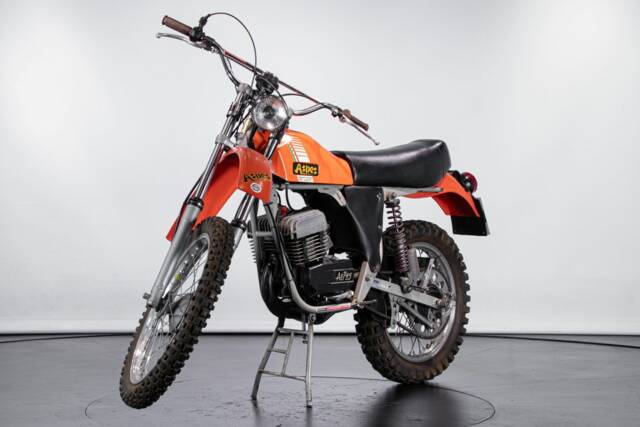
1977 | Aspes Hopi 125
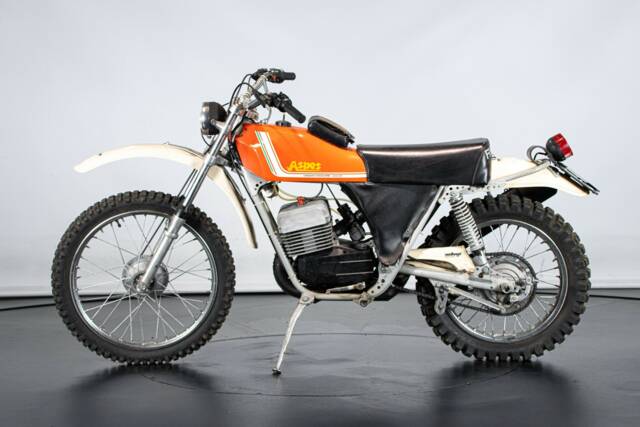
1983 | Aspes Hopi 125
Aspes 125 HOPI 5 RG
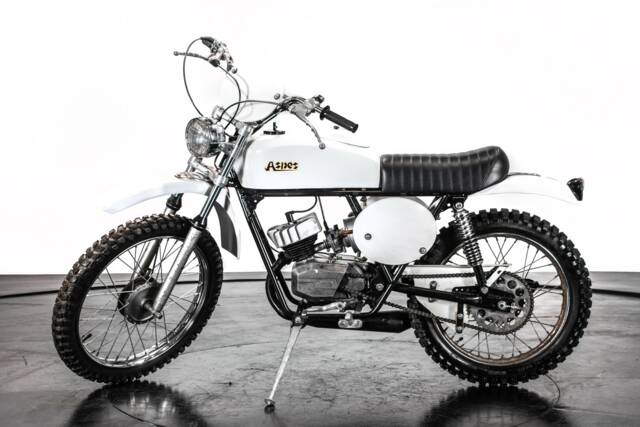
1974 | Aspes CS 70
Aspes Cross 50
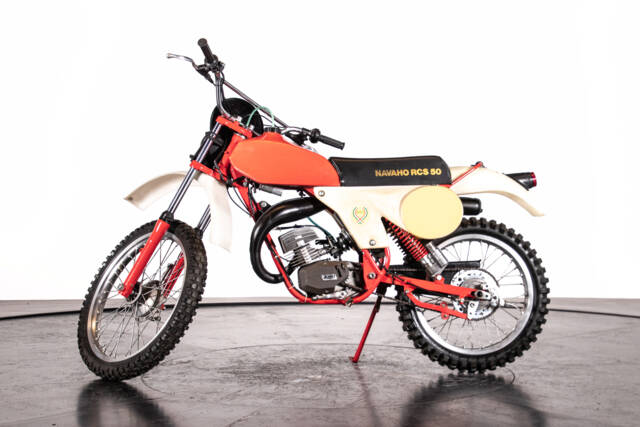
1980 | Aspes Navaho RCS
-
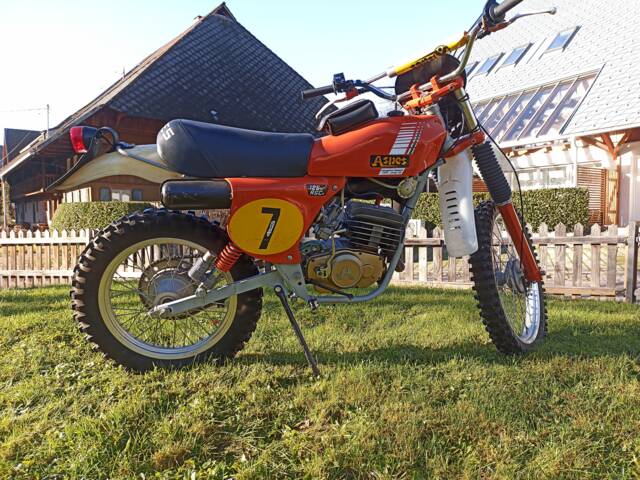
1979 | Aspes Hopi 125

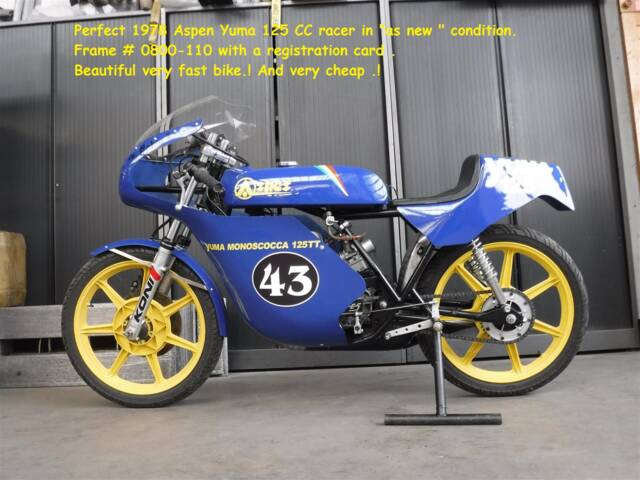
1978 | Aspes Yuma 125
Juma 125 Sport

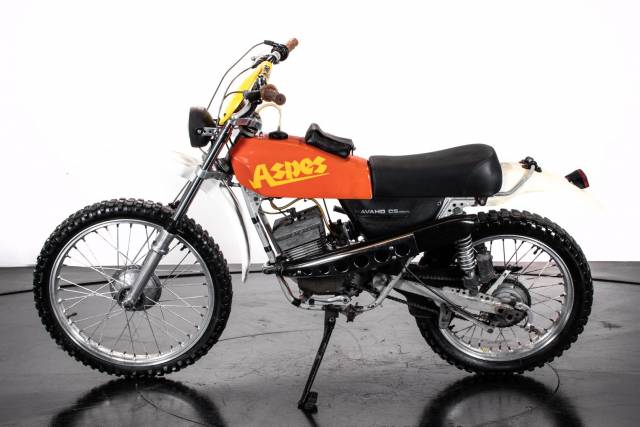
1976 | Aspes CS 75
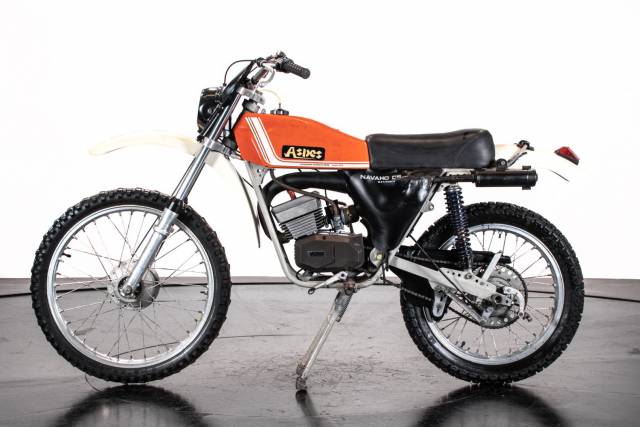
1976 | Aspes CS 75
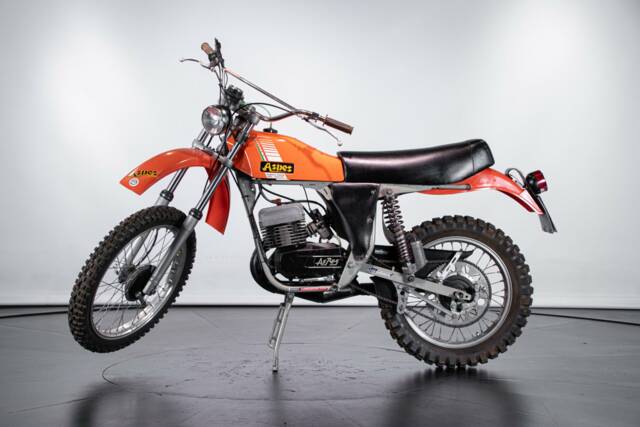
1977 | Aspes Hopi 125
-
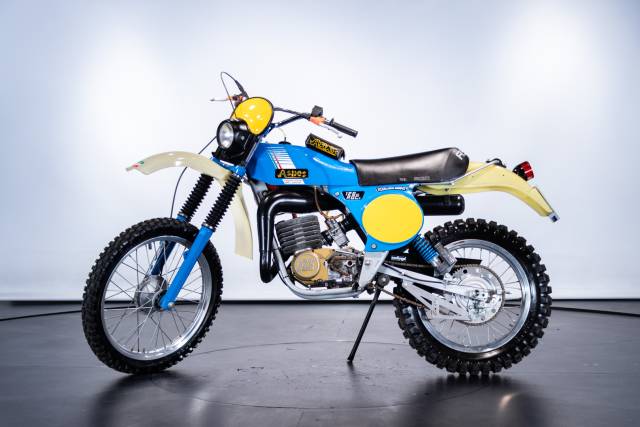
1979 | Aspes Hopi 125
-
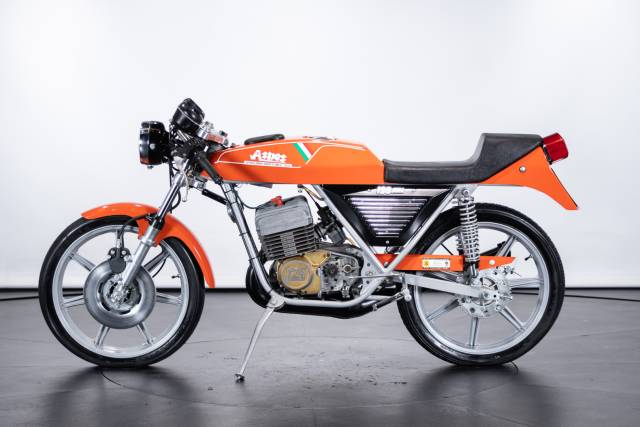
1978 | Aspes Yuma 125
-
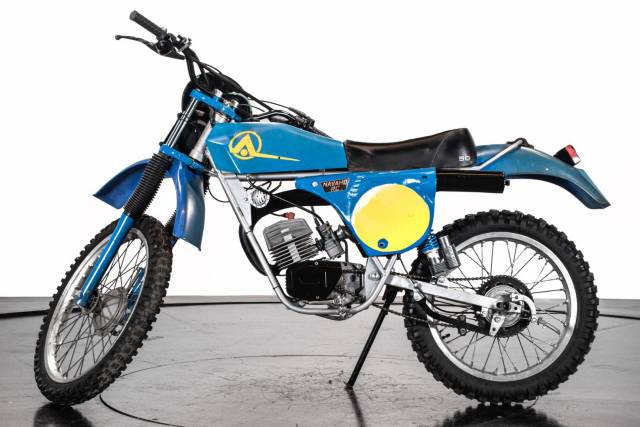
1979 | Aspes Navaho RC
History & Heritage
The story of Aspes Fabbrica Cicli e Ciclomotori is a classic tale of Italian industrial ambition. Founded in 1955 by the Sorrentino brothers in Gallarate, near Varese—a region also famous as the home of MV Agusta—the company initially focused on high-quality bicycles. The name "Aspes" was derived from "Aspesi," the maiden name of Teodosio Sorrentino's wife. For over a decade, the brothers perfected their craft in the bicycle market before pivoting to motorised transport in 1968.
The transition began with mopeds powered by Minarelli engines, but the brand truly found its soul in 1969 with the introduction of the Cross Special '69. This was a revolutionary machine for its time, featuring a Minarelli two-stroke engine and a cutting-edge Ceriani telescopic fork. The Sorrentino brothers correctly identified the burgeoning off-road market as a niche where a small, agile manufacturer could outmanoeuvre the mass-market giants of the era.
In 1970, Aspes launched the Apache 125, powered by a Maico engine. This model established the brand's signature naming convention: naming motorcycles after North American Indigenous tribes—Apache, Hopi, Navaho, Cheyenne, and Sioux. These names were more than just marketing; they symbolised the rugged, independent, and untamed spirit of the bikes.
The 1970s became the Golden Era for Aspes. While many competitors relied on external engine suppliers, Aspes took the bold step in 1972 of developing its own proprietary engines. The Hopi 125 became the flagship of this new era. These engines were masterpieces of compact design, measuring only 30 cm in width. They featured horizontally split crankcases for easy gearbox access, electronic ignition, and balanced crankshafts with light-alloy coatings.
Racing success followed almost immediately. In 1977, the CRC 125 won the Italian Motocross Championship in the 125cc category. Factory rider Felice Agostini (brother of the legendary Giacomo Agostini) and his siblings became synonymous with the brand's competitive edge. Aspes engines were renowned for being exceptionally fast and reliable, a reputation built on meticulous engineering rather than mass production.
While off-road bikes were the mainstay, Aspes also produced formidable road racers. The Juma 125, often powered by Sachs engines to facilitate international homologation, was a pure-bred street racer. The RGC/RCS (Road/Competition Special) series catered to ambitious privateer racers. These road models saw limited export outside of Europe, making them some of the rarest Italian motorcycles in the world today.
By the 1980s, like many small Italian manufacturers, Aspes struggled against the tide of Japanese mass production. The original production run ended in the late 1980s. Although the brand was revived in the 2010s to produce modern scooters and hybrids, these contemporary machines share only the name with the classic era. For the true collector, the "real" Aspes story remains firmly rooted in the two-stroke smoke of the 1970s.
Highlights & Special Features
Aspes motorcycles are the embodiment of Italian boutique engineering. What set them apart from contemporaries like SWM or Fantic was the commitment to in-house engine development. The Hopi 125 engine was a marvel of packaging; its narrow profile allowed for an incredibly slim frame, giving the rider superior control in tight technical sections. The horizontally split case was a mechanic's dream, allowing for quick trackside repairs—a vital feature for privateers without factory support.
The design aesthetic was equally striking. Early models from 1972 to 1975 featured metallic-flake paint jobs in vibrant oranges, reds, and blues. This wasn't typical Italian subtlety; it was a bold, almost American hot-rod influenced style that appealed to the youth culture of the time. The fuel tanks often featured intricate Indigenous-themed emblems, which have since become iconic pieces of motorcycle art.
Technically, the Hopi series sat at the top of the hierarchy. Many engines were further refined by Franco Abbrandini, a legendary Italian tuner. An "Abbrandini-tuned" Aspes is the holy grail for collectors, often commanding a 30–50% price premium. These engines featured hand-polished ports and precision-balanced internals that pushed performance to factory-works levels.
The CRC 125 Motocrosser (1977) remains the brand's most famous competition machine. It featured the best components of the era, including Ceriani suspension and high-level chrome exhausts. The 1979 "Big Crank" variant of the Hopi was specifically designed for the rigours of endurance racing, featuring a reinforced crankshaft that made it one of the most robust 125cc engines of its time.
For the road enthusiast, the Juma 125 offered a different kind of thrill. It was one of the few 125cc bikes of the era that felt like a "shrunken" Grand Prix bike rather than a dressed-up commuter. With its low-slung clip-ons and rear-set footpegs, it provided a riding position that demanded total commitment. Today, surviving examples of the Juma are exceptionally rare, with only a handful known to exist in the Southern Hemisphere.
Technical Data
Hopi 125 (1972-1979)
Navaho 50 (1972-1977)
CRC 125 Motocrosser (1977-1979)
Juma 125 Road Racer (1975-1978)
Market Overview & Buying Tips
The market for Aspes motorcycles is highly specialised. In Australia, these bikes are extremely rare, as the brand had almost no official presence in the Pacific region during its production years. Most Aspes motorcycles currently in Australia are private imports, often brought over by European expats or dedicated vintage motocross (VMX) enthusiasts.
Price Ranges (Estimated 2024-2025 in AUD)
Hopi 125 (Restored):
A$6,000 – A$13,500
A standard restored Hopi 125 RG typically sits around the A$6,000 mark. However, rare variants like the 1979 "Big Crank" or those with documented Abbrandini tuning can easily exceed A$10,000. Ex-works bikes with racing provenance are essentially priceless, with private sales in Europe reaching the equivalent of A$25,000+.
Navaho 50 (Restored):
A$2,500 – A$5,500
The Navaho is more accessible but still highly collectible for its style. Original metallic-flake "Fox RG" variants are the most sought after. Unrestored projects can occasionally be found for under A$1,500, but be prepared for high shipping costs if sourcing parts from Italy.
CRC 125 Motocrosser:
A$8,000 – A$17,000+
These are the crown jewels of the off-road range. A fully restored CRC with VMX racing history is a significant investment. In 2025, a notable collection of four Hopi MX bikes (including an ex-works Agostini machine) was offered in the UK for over £40,000 (approx. A$78,000), highlighting the rising global value of the brand.
Juma / RGC Road Racers:
A$9,000 – A$20,000
Road-going Aspes models are the rarest of all. A Juma 125 in showroom condition is a blue-chip investment. Expect to pay a premium for bikes with original fiberglass fairings and period-correct Sachs engine components.
What to Look for When Buying
The Engine: For the Hopi and CRC models, the in-house Aspes engine is the heart of the bike. Spare parts are virtually non-existent. Check for piston slap, bearing noise, and crankshaft alignment. If the engine is seized or damaged, you will likely need to have parts custom-machined, which is a costly endeavour in Australia. Minarelli-powered models (Navaho) are much easier to maintain as parts are shared with other Italian brands like Fantic and Garelli.
Frame & Chassis: Aspes used thin-walled steel tubing to keep weight down. Inspect the welds carefully, especially around the headstock and swingarm pivot, for signs of stress fractures. Ceriani forks are highly valuable; ensure they are original and not modern replicas. Authentic Ceriani components will have specific stampings that confirm their provenance.
Abbrandini Tuning: If a seller claims the bike is Abbrandini-tuned, look for engraved seals or specific markings on the engine casing. Without documented history or physical proof, treat these claims with caution. Genuine Abbrandini work significantly increases the bike's value and performance.
Import Considerations for Australia: Since most Aspes bikes will be imported, factor in the shipping and compliance costs. Shipping a motorcycle from Europe to Australia typically costs between A$2,500 and A$4,500 depending on the service. Additionally, you must account for the Import Processing Charge and potential GST (10%) on the landed value. Bikes over 25 years old benefit from easier compliance under the classic vehicle schemes in most Australian states.
Parts Availability & Maintenance
Critical Scarcity: The modern Aspes brand (post-2010) has no connection to the classic era and provides no support for vintage models. You cannot walk into a dealership and order parts.
Strategies for Australian Owners:
- Minarelli Compatibility: For Navaho 50 owners, many engine parts can be sourced via European specialists who stock Minarelli P6 components.
- Sachs Compatibility: Juma owners can often find engine internals through DKW or Zündapp networks.
- Custom Fabrication: For Aspes-specific engines, you will need a skilled machinist. In Australia, the VMX community is your best resource for finding specialists who can recreate two-stroke internals.
- Shipping from Europe: Expect to become a regular customer of Italian and UK-based vintage specialists. Shipping small parts to Australia is relatively fast but adds a "rarity tax" to every repair.
Riding Experience & Performance
Riding an Aspes Hopi 125 is a visceral, high-decibel experience that transports you straight to a 1970s MX starting gate. The engine doesn't just run; it screams. Below 5,000 RPM, there is very little power, but as the needle sweeps past 7,000 RPM, the powerband hits with the subtlety of a sledgehammer. This is old-school two-stroke performance at its most aggressive.
The compact dimensions of the bike are its greatest asset. At only 30 cm wide, the Hopi feels like an extension of the rider's body. In tight, technical Australian bush tracks, it can be flicked through gaps that would stop a modern 450 dead. The riding position is biased heavily toward the front, encouraging an aggressive "attack" posture that is perfect for climbing steep, loose inclines.
The Ceriani suspension, while primitive by modern standards, was the gold standard of its day. It provides excellent feedback, allowing the rider to feel every root and rock. However, it lacks the plushness of modern long-travel setups. On a vintage MX track, you will feel every landing, but the bike's light weight (under 85 kg) means it remains remarkably manageable even when the terrain gets rough.
The Navaho 50 offers a completely different sensation. It is a "style-first" machine, perfect for cruising coastal roads or attending local classic meets. With only 5 hp, it won't win any drag races, but the metallic-flake paint shimmering in the Australian sun and the crisp pop of the Minarelli engine make it a joy to ride at a relaxed pace. It's about the "cool factor" rather than outright speed.
For those brave enough to take a Juma 125 onto the tarmac, the experience is one of pure racing focus. The bike is nervous and high-strung. At 100 km/h, the vibrations through the clip-ons and rear-sets remind you that this is a racing machine with just enough equipment to be legal. It requires constant attention and precise gear changes to stay in the powerband, but when you get it right, it is one of the most rewarding small-capacity bikes ever made.
Design & Aesthetics
The design of Aspes motorcycles was a masterclass in functional flair. The Sorrentino brothers understood that to compete with the giants, they needed to look better than everyone else. The metallic-flake finishes of the early 1970s were a stroke of genius. These weren't just paint jobs; they were statements of intent. In the bright Australian light, an original orange or blue flake tank is a sight to behold.
The Indigenous-themed branding was a unique touch. The "Hopi" tank often featured abstract pueblo patterns, while the "Navaho" and "Apache" models carried stencilled emblems of chiefs in full headdress. While such naming conventions might be viewed differently today, in the 1970s they represented a spirit of freedom and resistance that resonated with the off-road community.
Structurally, the bikes were minimalist. The frames were constructed from high-grade steel tubing, with every unnecessary gram stripped away. The CRC Motocrosser took this to the extreme, featuring a naked aluminium or chrome-plated fuel tank and a wafer-thin seat. The high-level chrome exhaust was the only piece of "jewellery" on the bike, serving both as a performance part and a visual centrepiece.
The road models (Juma, RGC) adopted a more aerodynamic, "Grand Prix" aesthetic. The fiberglass fairings were tightly wrapped around the engine and frame, giving the bikes a purposeful, aggressive silhouette. The colour palettes for the road bikes were often more traditional—red and white or blue and yellow—but the sharp lines and racing ergonomics made them unmistakable.
Aspes didn't have a dedicated design department. The shapes and colours were often decided by the Sorrentino brothers themselves. This resulted in an unfiltered authenticity that is rare in modern manufacturing. Every curve of the tank and every weld on the frame was a direct result of racing experience and a passion for the craft.
Other Considerations
Racing Culture in Australia
While Aspes never had a factory team in Australia, the brand is a respected name in the Australian VMX (Vintage Motocross) scene. VMX racing is thriving in states like New South Wales, Victoria, and Queensland, where enthusiasts gather to race machines from the "Pre-75" and "Pre-78" eras. Owning an Aspes at one of these events makes you an instant celebrity; it is the "thinking man's" alternative to the ubiquitous Japanese and British bikes.
The Abbrandini Legend
For the serious collector, understanding the Abbrandini connection is vital. Franco Abbrandini was more than just a tuner; he was a magician of the two-stroke engine. His modifications weren't just about power; they were about making the engine more efficient and reliable under race conditions. In the Australian climate, where heat can be an issue for air-cooled engines, an Abbrandini-tuned motor with its superior porting and cooling characteristics is highly desirable.
The Modern Brand Confusion
It is important to reiterate for Australian buyers that the modern Aspes scooters seen in some international markets have no heritage link to the classic motorcycles. If you see a modern "Aspes" scooter for sale, it is a Chinese-manufactured OEM product using the purchased brand name. It will not have the engineering soul or the investment potential of a 1970s Hopi or Navaho.
Summary
Aspes is a brand for the connoisseur—the collector who values rarity, engineering integrity, and Italian soul over ease of ownership. In Australia, owning an Aspes is a commitment. It requires a willingness to navigate international parts networks, a passion for two-stroke technology, and an appreciation for a brand that dared to build its own engines when others took the easy path.
The market is small but dedicated. Whether it's a Navaho 50 for Sunday morning coffee runs or a CRC 125 for competitive VMX racing, an Aspes offers a level of exclusivity that few other brands can match. Prices are rising as global collectors realise the significance of these boutique Italian machines, making now an opportune time to secure a piece of this history.
An Aspes isn't just a motorcycle; it's a testament to a time when a small family firm in Gallarate could take on the world and win. It is a scream of two-stroke power, a flash of metallic-flake paint, and a permanent place in the pantheon of great Italian marques.
Find your Aspes on Classic Trader today—and join the ranks of those who know that the most legendary stories are often the ones most rarely told.