- Motorcycle
- Ardie (0 offers)
Buy Ardie Motorcycle
Ardie motorcycles were built for riders who value rarity, engineering character, and a distinctly German sense of purpose. In Australia, they are scarce enough to feel special the moment one appears for sale.
Search results
Currently, there are no matching listings for your search.
Create search alert
Let yourself be notified as soon as a listing is published that matches your search filters.
Ardie listing references from Classic Trader
Below you will find listings related to your search that are no longer available on Classic Trader. Use this information to gain insight into availability, value trends, and current pricing for a "Ardie" to make a more informed purchasing decision.
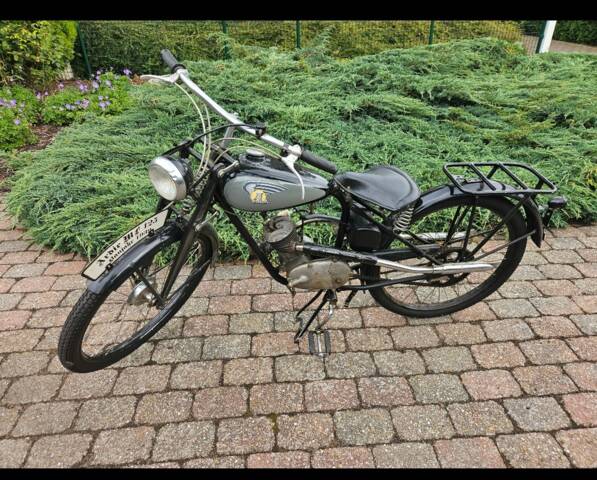
1939 | Ardie MF 125
RARITÄT! ARDIE Motorrad Bj. 1939 – fahrbereit mit Fahrzeugbrief

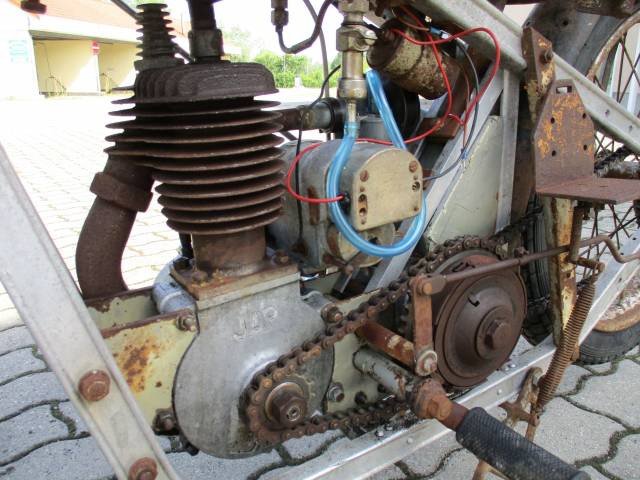
1932 | Ardie ZL 30
Ardie Silberfuchs ZL 20
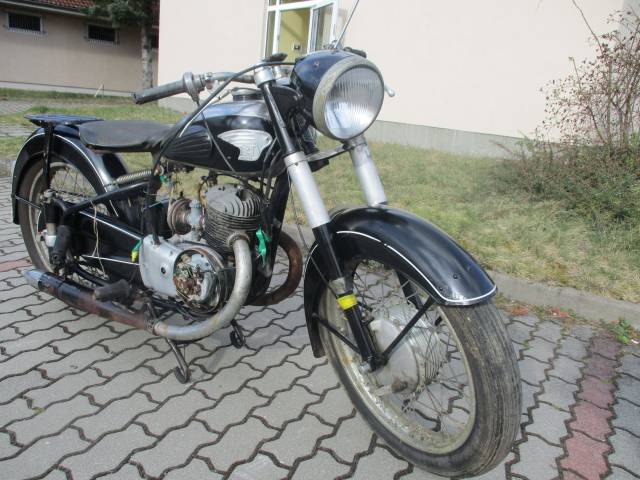
1953 | Ardie B 252
Ardie B 252
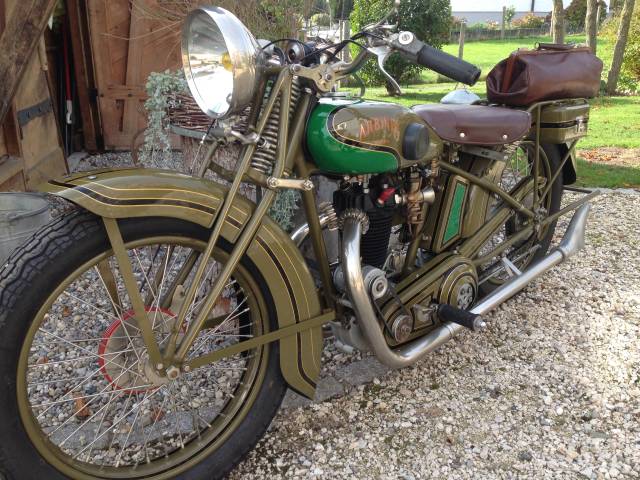
1936 | Ardie RZ 200
Arbinet

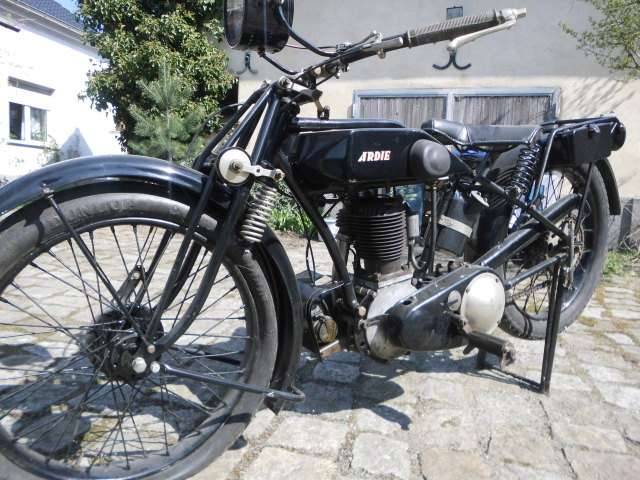
1928 | Ardie TM 500
Ardie TM 500
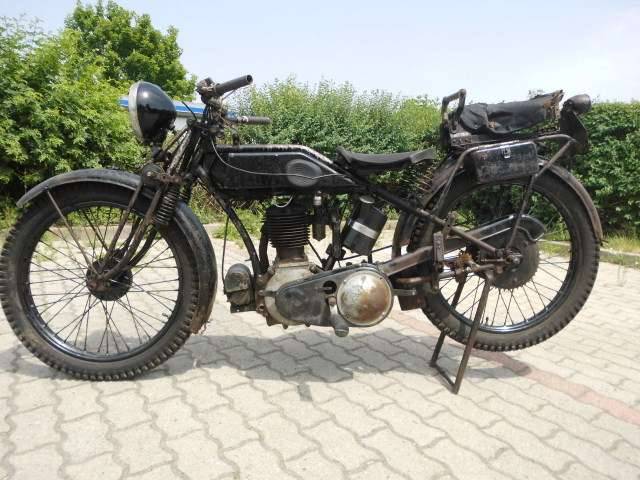
1929 | Ardie TM 500
Ardie TM 500
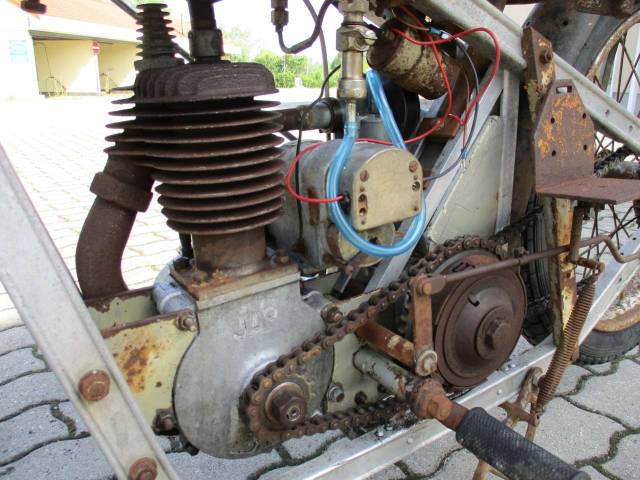
1932 | Ardie ZL 30
Ardie Silberfuchs ZL 20
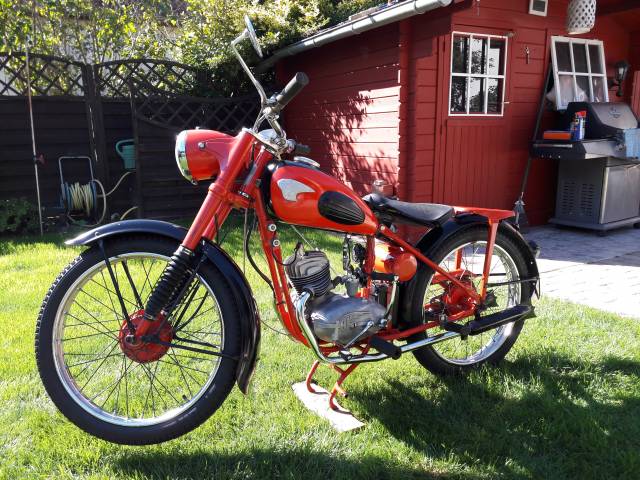
1951 | Ardie B 125
HU NEU, Fahrbereit, Alle Papiere vorhanden
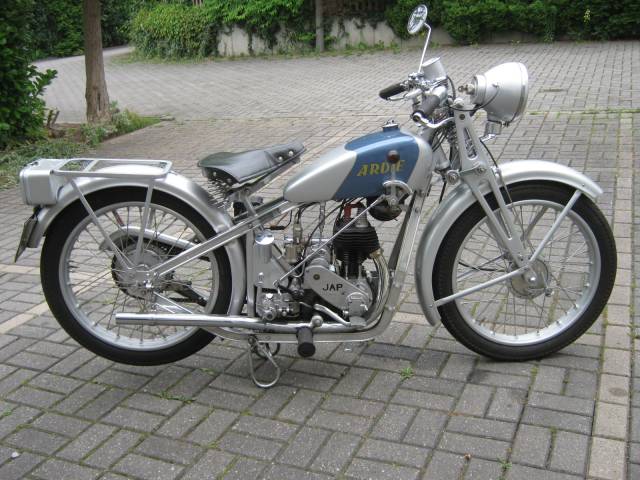
1930 | Ardie ZL 30
ARDIE ZL 30 SILBERFUCHS Rahmen aus Aluminium, JAP Motor
Create search alert
Let yourself be notified as soon as a listing is published that matches your search filters.
Ardie motorcycles occupy a narrow, fascinating corner of classic motorcycling. They are not common in Australia, they were never built in big numbers, and the surviving bikes tend to attract people who know exactly what they are looking at. That makes an Ardie listing more than just another old motorcycle advert: it is usually a chance to buy a machine with strong engineering personality, a real competition pedigree, and the kind of rarity that gives a collection depth.
For Australian buyers, Ardie also carries a particular appeal. German heritage bikes have long been respected here for their mechanical honesty and durable construction, while the local market has always rewarded machines that feel different from the usual British, Japanese, or Italian classics. Add in the fact that very few Ardies made it to Australia in period, and the result is a make that feels both international and niche. If you find one here, or decide to import one, you are dealing with a true specialist purchase.
History & Heritage
Ardie began in Nuremberg in 1919, a city with a strong manufacturing identity and a serious industrial reputation. The company was founded by Arno Dietrich, and its name is simply derived from his own: Ar-die. That direct, almost matter-of-fact naming suits the bikes themselves. Ardie never chased glamour for its own sake. Instead, it built motorcycles that mixed practical use with technical ambition.
The earliest Ardies were modest single-cylinder machines, designed for a post-war public that wanted mobility without extravagance. These first models established the brand as a maker of honest, well-made motorcycles rather than a style-first outfit. They were useful, robust, and sufficiently distinctive to carve out a place in a crowded German market.
The real identity shift came in the mid-1920s, when Ardie began using J.A.P. engines from Britain. That move transformed the marque. JAP power units were respected across Europe for their strength and flexibility, and Ardie used them to build everything from durable road bikes to more sporting machines. In many ways, this period defined the marque most strongly: German chassis design with British engine character, combined in bikes that could work as everyday transport and race machinery.
The best-known pre-war Ardies are the TM 500, the Silberfuchs, and the Silberpfeil. These models represent the brand at its most confident. The TM 500 became one of the most recognisable large-capacity Ardies, while the lighter, more refined Silber models showed how far the company could push its chassis work and finish. The use of Duraluminium frames on selected models gave Ardie a technical signature that still stands out today. That was not ordinary mass-market thinking; it was a statement of engineering intent.
Competition success followed. Ardie machines competed strongly in road and hill events during the 1920s and 1930s, and the brand’s racing involvement fed directly into its reputation. After the war, Ardie returned with smaller two-stroke models that suited changing market realities. These later bikes were less dramatic than the pre-war specials, but they are important because they show how the marque adapted rather than vanished. Production ended in 1958, leaving Ardie with a relatively short but unusually varied history.
For collectors, that history matters because it covers multiple eras of motorcycling in one badge: early utility, interwar technical experimentation, pre-war sporting prestige, and post-war practicality. That breadth is one reason Ardie remains so interesting on a category page like this one.
Highlights & Features
What makes an Ardie worth buying? First, it is the mix of scarcity and substance. Many old motorcycles are rare only because time has thinned them out. Ardie is different. The brand was never huge, and the surviving machines often have enough mechanical character to justify the effort of ownership.
Second, Ardie offers a genuine range of collector personalities:
- TM 500: the sturdy pre-war single, ideal for buyers who want a big, torquey, period-correct machine with JAP character.
- Silberfuchs: lighter, more refined, and especially attractive to collectors who like engineering detail.
- Silberpfeil: the premium pre-war Ardie, valued for its Duraluminium frame, elegance, and sporting intent.
- B 252: a practical post-war single for buyers who want an older German classic that is less intimidating than a pre-war machine.
- BZ 350: the final chapter, with twin-cylinder two-stroke appeal and strong collector interest.
The brand’s appeal is also shaped by the way it feels to own. An Ardie is not a generic restoration project. It is usually a bike that requires research, patience, and respect for originality. Matching numbers, correct period components, and authentic finishes matter a lot. That is especially true on the pre-war JAP-engined machines and the silver-framed models.
Australian buyers should also think about parts strategy. Some Ardie components can be sourced internationally, but the supply chain is not simple. JAP-related parts often turn up through specialist British suppliers, which means the UK remains important for sourcing. Shipping costs from Germany or the UK can be significant once heavy items, customs paperwork, and secure packing are included. That reality is part of Ardie ownership in Australia: the bike may be rare, but the parts hunt is often global.
The upside is that this is a brand where the ownership journey often feels as rewarding as the riding. When an Ardie is complete, correct, and properly sorted, it has a collector-grade presence that is hard to fake.
Technical Data
Frame: steel on most models; Duraluminium on selected pre-war Silber models
Front suspension: earlier Ardie/Druid-style fork designs; telescopic forks on later post-war bikes
Rear suspension: rigid on pre-war bikes; sprung rear from the post-war period onward
Market Overview & Buying Tips
Ardie is a specialist market, not a broad one. In Australia, that matters because the local supply is tiny. Very few Ardies were sold here new, and surviving examples are uncommon enough that most buyers will either wait for a local opportunity or look overseas. That scarcity supports values, but it also means a buyer must budget properly for transport, inspection, and recommissioning.
Typical price bands in AUD
Using a rough conversion of €1 ≈ A$1.65, current asking and auction levels translate broadly like this:
- Restoration project TM 500 / pre-war Ardie: about A$3,300–A$8,250
- Usable, partly restored pre-war bike: about A$13,200–A$29,700
- Top-quality documented pre-war example: about A$33,000–A$82,500+
- Post-war B 252 / BZ 350 project: about A$1,300–A$4,100
- Good riding post-war bike: about A$5,000–A$11,500
- Fully restored post-war bike: about A$10,000–A$19,800
Those figures are deliberately broad because originality changes everything. A complete, matching-numbers Ardie with correct period details can command a meaningful premium over a cosmetically bright but mismatched machine.
What Australian buyers should check
1. Paper trail and identity
For older imports, documentation is everything. Australian buyers should confirm frame and engine numbers early, then compare them with any available papers, old registration records, or restoration notes. A bike with clear identity is far easier to insure, import, and register.
2. Parts access
JAP-powered pre-war Ardies are not impossible to support, but the parts path often runs through the UK. That means some items are available, but not cheap once freight is added. Smaller consumables may be manageable; major castings, rare carburettors, or correct cycle parts can become costly quickly.
3. Australian registration realities
For pre-1960 bikes, Australia can be a friendly market in the right state, but there is still process. Imported road vehicles generally need approval before entry, and once the bike arrives it may need a VIN or equivalent identity path before registration. In several states, classic or historic schemes can help older motorcycles get onto the road with reduced use conditions. That is one reason a pre-war or early post-war Ardie can make more sense here than in many markets: the age works in its favour, if the paperwork is right.
4. Rust, originality, and hidden repairs
Inspect the tank internals, wheel rims, hubs, fasteners, and frame joints. On pre-war bikes, look for period-correct repairs rather than modern shortcuts. On the silver-frame machines, the frame itself is a major value point, so any damage or poor repair work is serious.
5. Engine completeness
If a JAP engine is missing key parts, assume the restoration bill will climb quickly. Complete engines are worth paying for.
Buying outlook
Ardie values are strongest when the bike is original, complete, and clearly documented. Australian collectors often like German classics because they feel precise, purposeful, and less overexposed than some better-known makes. That helps Ardie, especially among buyers who want something rarer than a common British twin but not as fragile in reputation as a one-off exotic.
The market is also supported by the growing respect for classic motorcycle preservation in Australia. A bike like an Ardie fits neatly into that culture: rare enough to impress, historic enough to matter, and mechanically distinct enough to reward a serious owner.
Riding Experience
Riding an Ardie depends very much on which era you choose, but the common thread is mechanical presence. These are not motorcycles that disappear beneath you. They ask for attention, and in return they give character.
On a TM 500, the feeling is broad and deliberate. The big single-cylinder JAP engine has the kind of low-speed thrust that makes relaxed progress feel easy, yet the bike still carries the physicality of pre-war design. Controls are period-awkward, braking is modest by modern standards, and the whole machine encourages smoothness rather than aggression. When sorted properly, it has a satisfying, authoritative gait.
The Silberpfeil feels sharper. Its lighter construction and stronger tune make it the most spirited of the pre-war Ardies. You feel the engineering ambition in the way it responds. It is a bike that can still surprise people who assume all pre-war motorcycles are slow and vague. With the right road and the right rider, it has a lively, confident rhythm.
The B 252 changes the mood entirely. It is more accessible, less demanding, and easier to imagine using on a sunny weekend ride. The post-war two-stroke character is simpler and more direct. It does not have the drama of the pre-war machines, but it has a pleasant honesty that many collectors appreciate.
The BZ 350 is the most usable-feeling Ardie of them all. The twin-cylinder layout gives it more flexibility and a more modern pace, so it feels closer to the kind of classic you could genuinely take out for a proper run. It still feels vintage, of course, but not in a way that saps enjoyment. For many buyers, that balance is the sweet spot.
In Australia, road character matters too. Long distances, variable surfaces, and warm weather make smooth throttle response and reliable cooling more than just trivia. A well-sorted Ardie can suit that environment surprisingly well, especially if the bike is chosen with riding rather than only display in mind.
Design & Style
Ardie design moved through clear phases, and each has its own collector appeal.
The early machines were practical and restrained. They were built to work first, but they still had visual identity. Simple lines, clean tanks, and a purposeful stance gave them a serious look that suits the company’s engineering-minded image.
The pre-war Silber models are the design peak. The combination of polished or bright metalwork, compact proportions, and lightweight engineering created motorcycles that looked advanced even before you studied the details. The Silberpfeil in particular has a striking presence: elegant, technical, and just a little formal, like a machine built for riders who wanted proof that engineering could also be beautiful.
Post-war Ardies went in the opposite direction. They became more functional, with black paint, restrained trim, and less decorative flair. That simplicity suits them. A B 252 or BZ 350 does not need visual drama to make its point; the appeal lies in proportion, honesty, and period utility.
For collectors, originality matters as much as shine. Correct badges, original instruments, proper tanks, and period seat trims can transform a bike’s value. A heavily customised Ardie may still be interesting, but it usually speaks more to one owner’s taste than to the marque’s heritage.
Racing Heritage
Ardie earned its reputation in competition as well as on the road. That racing heritage is part of why the marque still feels credible today. It was not a showroom-only story. Ardie machines were actually tested in hard use, and that experience fed back into the road bikes.
The pre-war years were especially important. Ardie-supported riders took on events where endurance, hill-climbing skill, and mechanical robustness all mattered. Success in those settings gave the brand more than publicity; it gave it legitimacy. Buyers today still respond to that because a motorcycle with competition roots feels more purposeful than one built only for commuting.
There is also a broader cultural point. Ardie represents a strand of German motorcycling that valued engineering precision, race-informed development, and practical durability. That makes it appealing to Australian collectors who often admire machines with real mechanical depth rather than pure marketing fame. It also fits the Australian habit of respecting under-the-radar classics that reward knowledge.
In a market where British names often dominate conversation, Ardie offers something a little different: German design with a racing edge and, in the pre-war years, that useful British JAP connection. For many enthusiasts, that blend is exactly what makes a classic memorable.
Summary
An Ardie is a serious collector’s motorcycle: rare, historically rich, and mechanically distinctive. Whether you are looking at a pre-war TM 500, a silver-framed performance model, or a later post-war two-stroke, the brand offers genuine character rather than just badge appeal.
For Australia, the attraction is even stronger because the bikes are so uncommon here. That rarity helps values, but it also means you need to think about shipping, parts sourcing, and registration from the start. German heritage bikes have a strong following among Australian collectors, and Ardie fits that taste very well: purposeful, well-made, and not overdone.
If you are searching for an Ardie motorcycle to buy, focus on originality, completeness, and documentation. A good example can be worth the wait. When one appears on Classic Trader, it is the kind of listing that deserves quick attention.
Find Ardie motorcycles on Classic Trader and discover now the offers & prices in AUD.