- Motorcycle
- Simson
- Simson SR 2 (1 offer)
Simson SR 2 classic vehicles for sale
The Simson SR 2 is a household name among East German mopeds, prized for its robust construction and simple, effective technology. Produced in the GDR during the late 1950s and 1960s, the SR 2 became synonymous with everyday mobility and resourceful engineering. Prospective buyers are attracted by its straightforward mechanics and the nostalgia surrounding this era-defining moped.
Search results
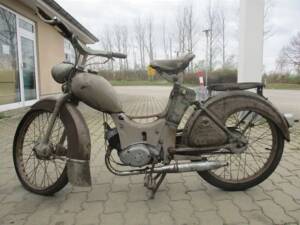
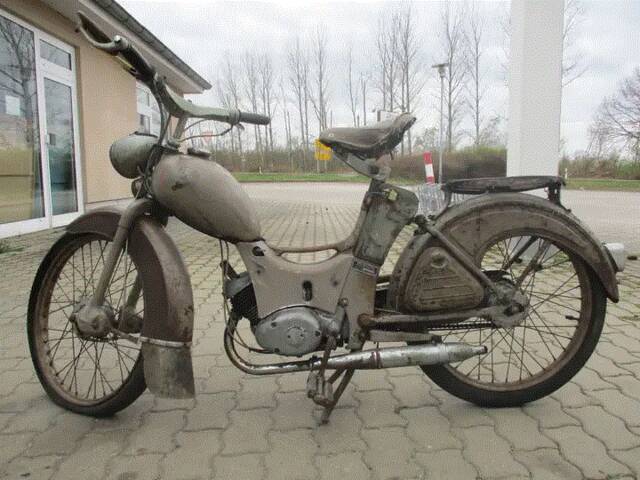
1958 | Simson SR 2
Simson SR 2 NR. 57822

Simson SR 2 listing references from Classic Trader
Below you will find listings related to your search that are no longer available on Classic Trader. Use this information to gain insight into availability, value trends, and current pricing for a "Simson SR 2" to make a more informed purchasing decision.
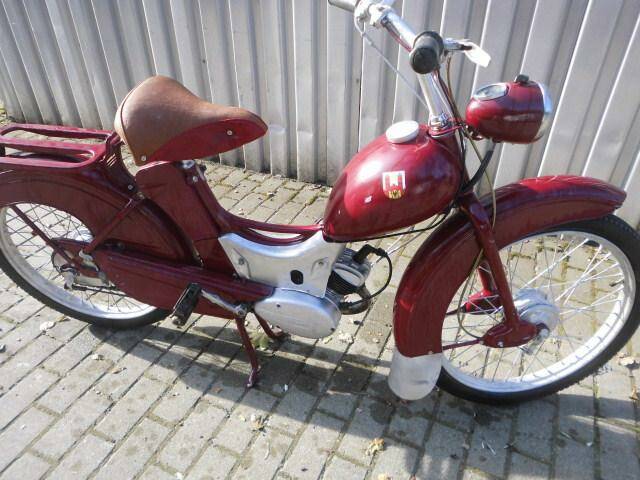
1957 | Simson SR 2
Simson SR 2 unsere Nummer 221017
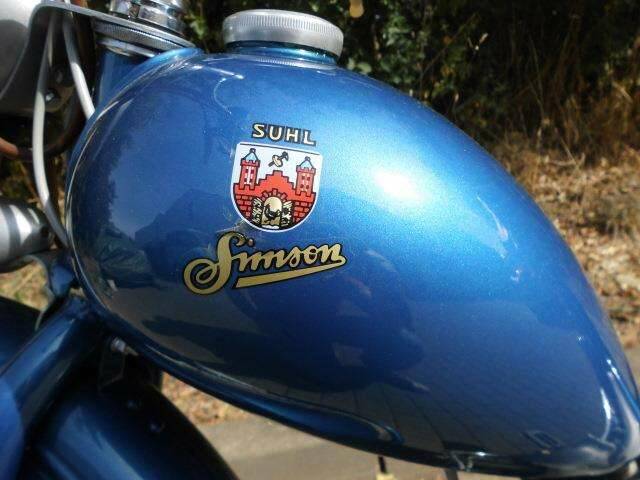
1961 | Simson SR 2
Simson SR 2
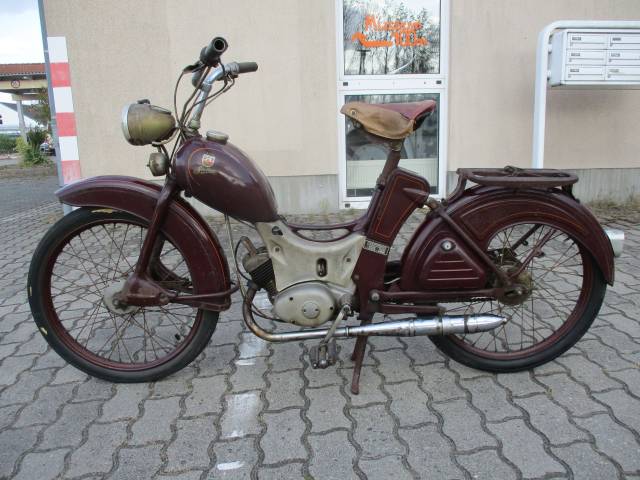
1960 | Simson SR 2
Simson SR 2
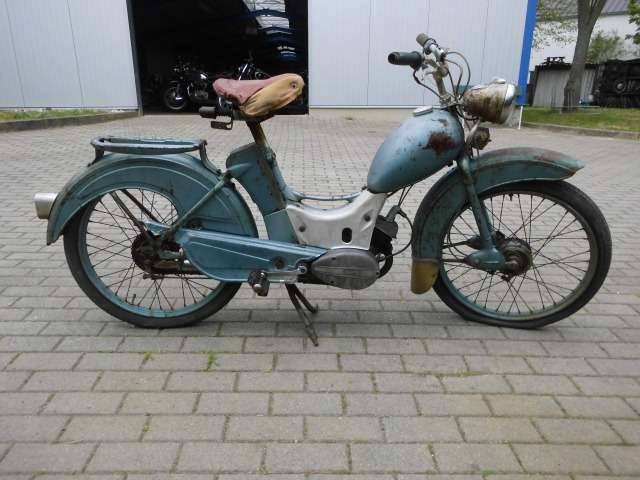
1959 | Simson SR 2
Simson SR 2
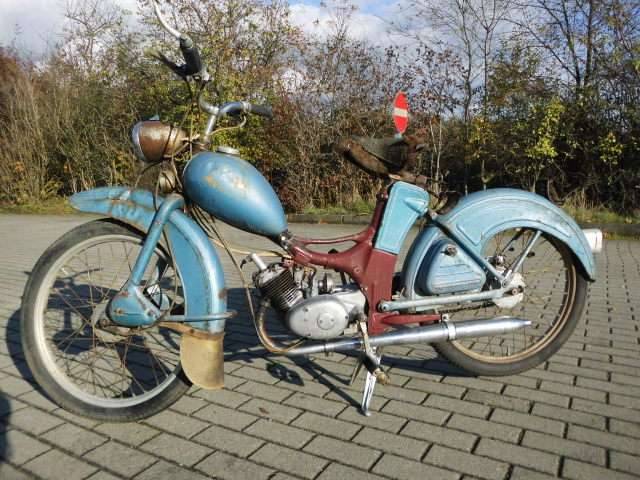
1973 | Simson SR 2
Simson SR 2 Exportfarbe
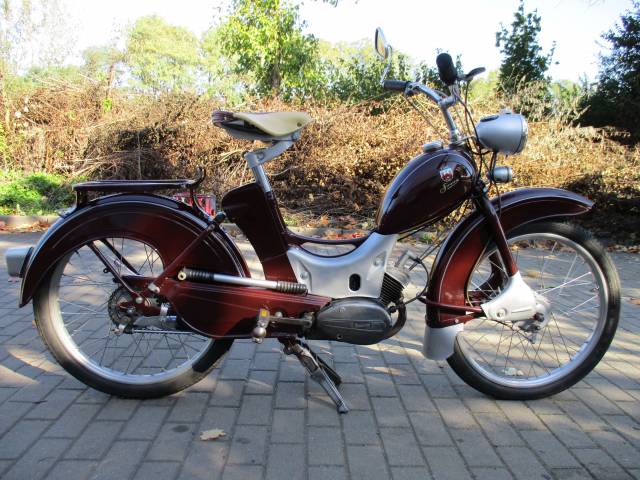
1958 | Simson SR 2
Simson SR 2
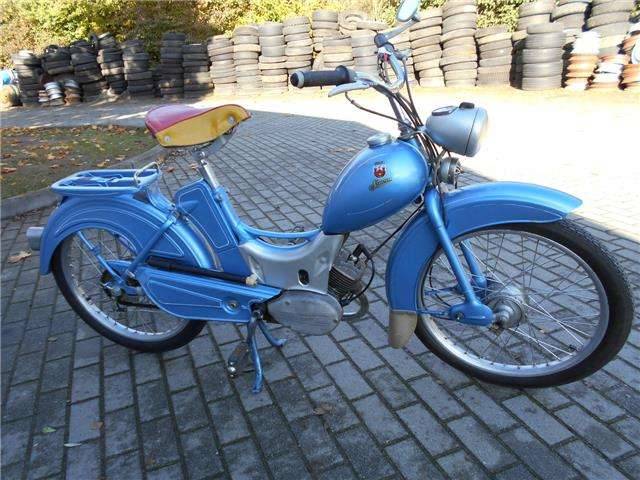
1959 | Simson SR 2
Simson SR 2E Exportfarbe
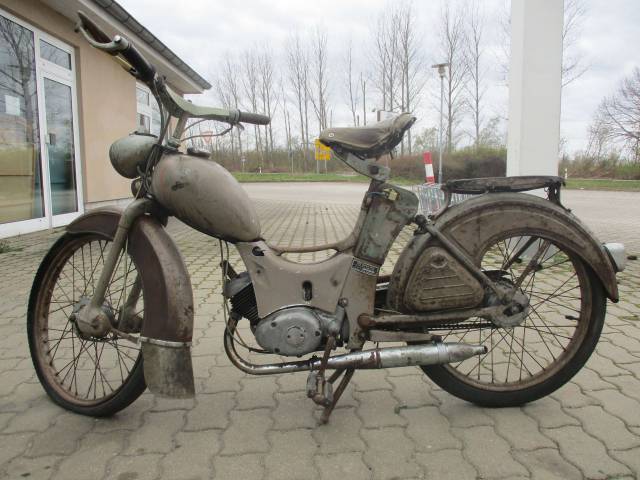
1958 | Simson SR 2
Simson SR 2
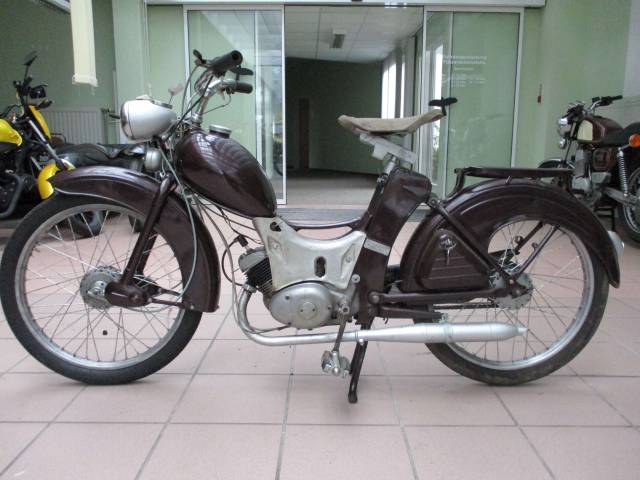
1958 | Simson SR 2
Simson SR 2
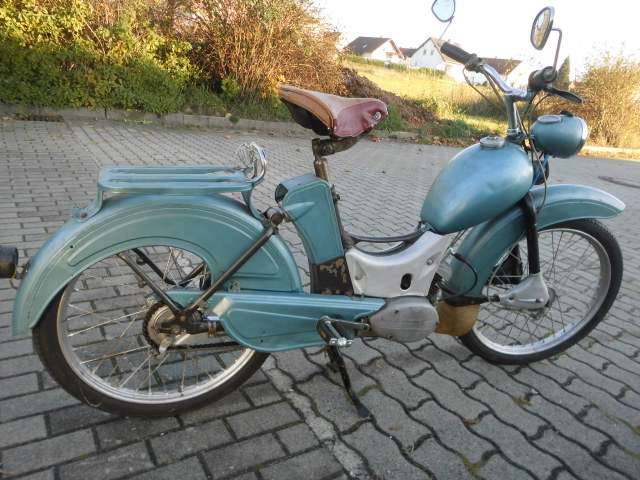
1959 | Simson SR 2
Simson SR 2
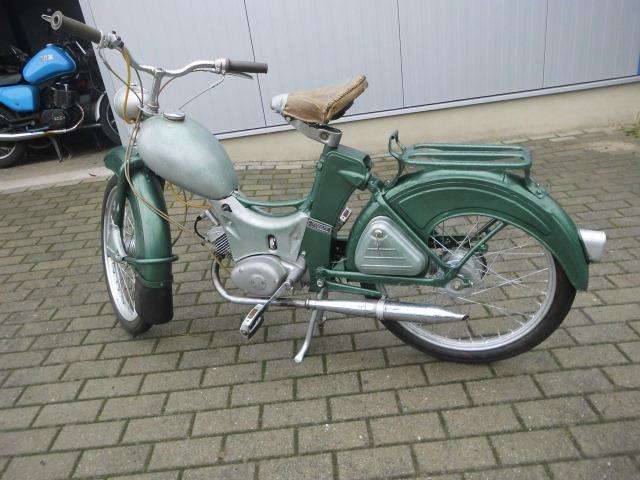
1958 | Simson SR 2
Simson SR 2
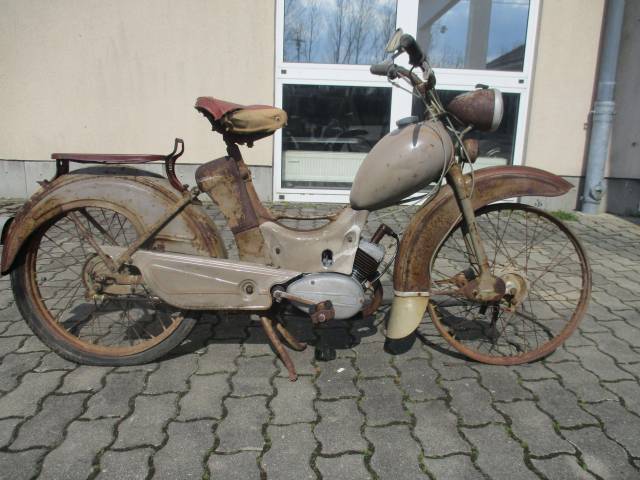
1959 | Simson SR 2
Simson SR 2
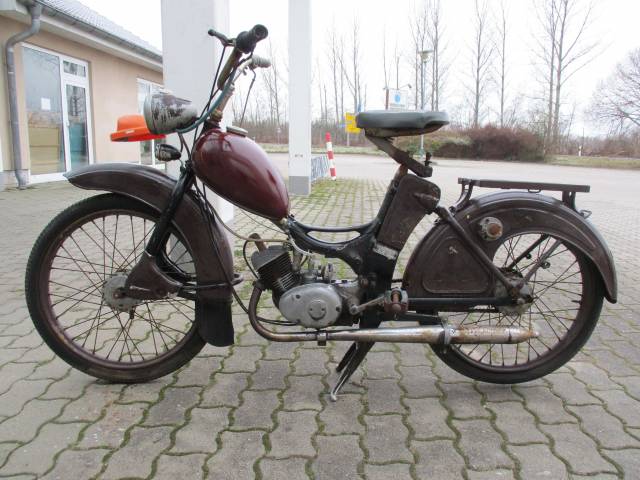
1959 | Simson SR 2
Simson SR 2
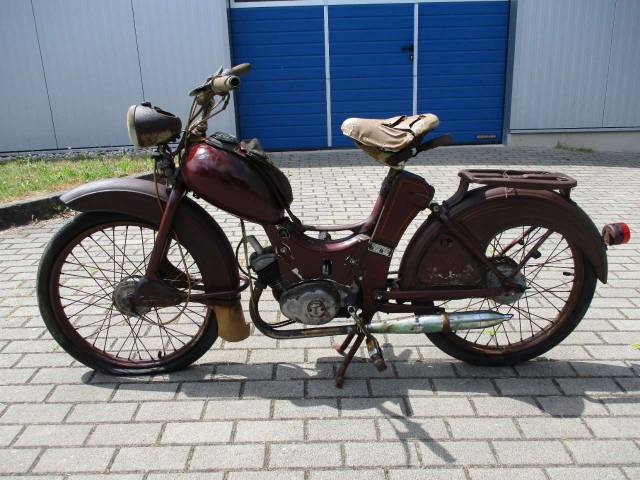
1960 | Simson SR 2
Simson SR 2
Simson SR 2 Classic Motorbikes: Prices & Market Values
The market value of Simson SR 2 motorcycles is primarily determined by technical condition, originality, and mileage, as well as rarity, history, and documentation. A well-maintained, largely original vehicle with low, verifiable mileage and a complete history including expert reports and documentation generally achieves significantly higher prices than a comparable vehicle with deferred maintenance, extensive modifications, or an unclear provenance.
Simson SR 2: Market Prices & Value Trends
Based on Classic Trader marketplace sales data from February 2021 to October 2025, the Simson SR 2 market appears broadly stable, with prices clustered in the lower four figures and only occasional higher-end results. Most recorded transactions for this 1950s–early 1960s 2 hp moped sit around £700 to £1,600, reflecting typical rider-quality bikes, older restorations, or honest originals. A smaller number of stronger prices reach roughly £2,400 to £2,800, which is more consistent with well-presented examples or more comprehensively refurbished bikes rather than a new normal for the model. Recent 2025 data includes entries near £1,100–£1,400, suggesting no clear late-stage surge despite earlier peaks in 2021–2024. The spread is largely explained by condition, completeness, and period-correct parts, and German-focused supply in Europe tends to keep values grounded while steady collector interest supports the floor.
History of the Simson SR 2
The Simson SR 2 was introduced in 1957 in the former GDR as a successor to the very successful SR 1 model. Developed by VEB Fahrzeug- und Jagdwaffenwerk Ernst Thälmann in Suhl, the SR 2 was designed to offer affordable personal transport in the aftermath of WWII, amid limited resources. The SR 2 quickly became a staple on East German roads thanks to its simple construction, reliable two-stroke engine, and easily serviceable components. Production continued with minor updates into the early 1960s, reflecting the vehicle's essential role in GDR everyday life.
Model series history
The SR 2 was designed as a direct improvement over its predecessor, the SR 1, offering better ergonomics, frame stability, and electrical equipment. In 1960, the model was further modernised as the SR 2E ('E' for 'Einheitsmodell', unified model), featuring enhanced suspension and a reinforced frame. The SR 2 and its updated sibling remained the backbone of Simson’s small vehicle programme until it was succeeded by the KR 50 in the mid-1960s. The progression marked a transition to more modern, fully covered designs and a shift in the East German vehicle landscape.
Highlights of the Simson SR 2
The Simson SR 2 stands out for its minimalist construction and legendary reliability. The simple two-stroke engine, gravity-fed fuel system, and cable-operated brakes made it suitable for home repairs and long service life. Notably, the moped’s accessibility made it popular across generations and social backgrounds within the GDR.
Technical data
Special editions of the Simson SR 2
The SR 2E stands out as an important variant within the series, introduced in 1960. This model features reinforced frame sections, improved suspension, and updated electrical systems, making it somewhat more sought-after among enthusiasts interested in later production years or enhanced technology. Special paint schemes or accessory packs are rare but occasionally appear on the market.
Weak Spots and Common Issues
Classic Simson SR 2 models are generally robust, but typical wear affects the two-stroke engine seals and carburettor over time. Electrical issues can arise due to ageing wiring harnesses or contact breakers, while original exhausts and tank interiors are prone to corrosion if poorly maintained. The friction-based braking system also requires periodic adjustment and replacement of cables to ensure safety. Frame and fork bearings should be checked for play due to decades of use.
Engine, Transmission and Handling
The Simson SR 2 is powered by a modest 48 cc, air-cooled two-stroke engine producing about 1.5 PS, sufficient for the legal moped speed limit of 40 km/h. The two-speed foot-operated transmission is straightforward, typical for its era. Handling is defined by a rigid rear frame and telescopic fork at the front. The small wheels and low weight make it nimble in city environments, though the limited suspension travel and simple drum brakes reflect the vehicle’s utilitarian roots. - SR 2E: Enhanced with frame and suspension upgrades, marking the technological peak of the SR 2 lineage.
Design, Interior and Accessories
The SR 2 features a pared-down, functional design typical for GDR mopeds of the late 1950s and early 1960s. A steel-tube frame with pressed-steel elements gives the moped a distinctive silhouette. Colour options were limited, mainly comprising utilitarian shades such as light grey, olive, and blue. Accessories were minimal but practical, including optional luggage racks, toolkits, and handlebar windshields. The seating position prioritises comfort during city rides. Decorative chrome trims were rare due to material scarcity in the GDR, making them a point of interest for collectors if present on surviving models.
Further information
The Simson SR 2 benefits from a strong enthusiast scene in Germany and neighbouring countries, with a broad availability of spare parts and restoration advice. The simplicity of design allows for easy repairs, and period literature remains accessible through enthusiasts' clubs and online forums.
Summary
The Simson SR 2 is celebrated for its robust mechanics, simple maintenance, and historic significance as an East German moped. Its high share in supply and demand highlights its ongoing relevance. Whether as a restoration project or a nostalgic daily rider, the SR 2 embodies the practical engineering spirit of its time.