Zastava 750 classic cars for sale
The Zastava 750, developed in Yugoslavia based on the Fiat 600, stands out with its compact size, rear-wheel drive and individual mechanical charm. Whether in original condition or as a sporty Abarth-style rebuild, the 750 appeals to enthusiasts who value affordable maintenance and authentic driving experience.
Search results
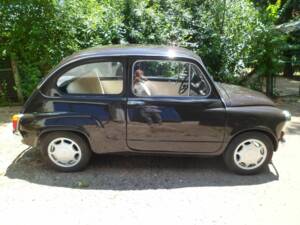
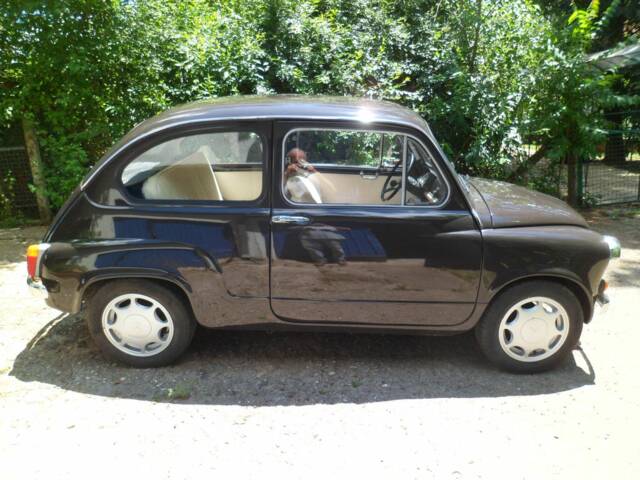
1984 | Zastava 750L
Zastava 750 | 1984 | Route 66 Auctions - For sale by auction. Estimate 3600 EUR

Zastava 750 listing references from Classic Trader
Below you will find listings related to your search that are no longer available on Classic Trader. Use this information to gain insight into availability, value trends, and current pricing for a "Zastava 750" to make a more informed purchasing decision.
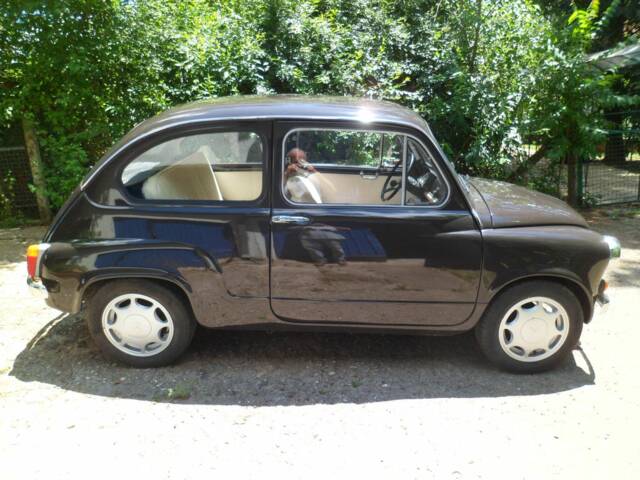
1984 | Zastava 750L
Zastava 750 | 1984 | Route 66 Auctions - For sale by auction. Estimate 3500 EUR
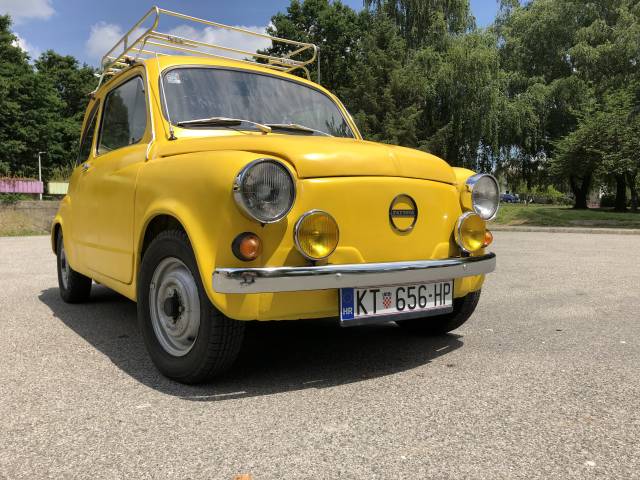
1985 | Zastava 750L
'FIĆO'
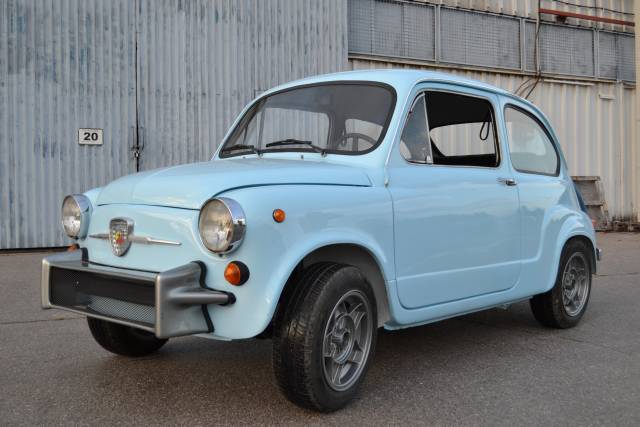
1978 | Zastava 750L
Perfect Condition
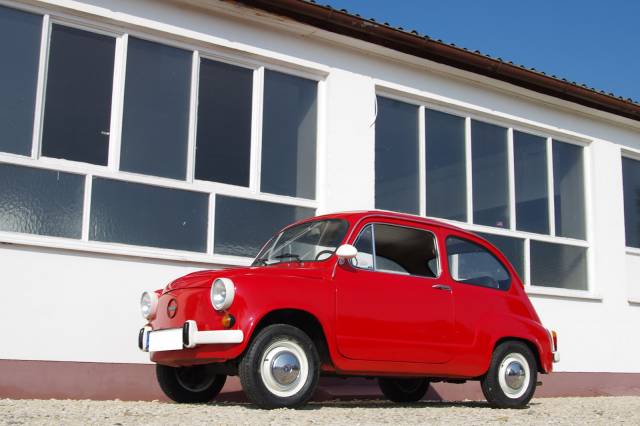
1983 | Zastava 750L

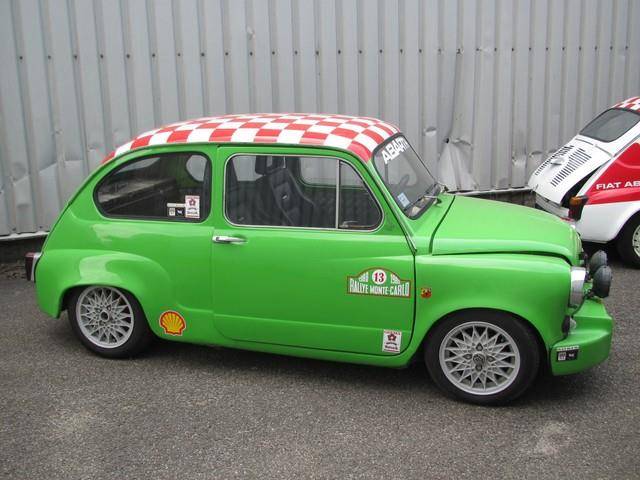
1983 | Zastava 750L
Oldtimer Fiat
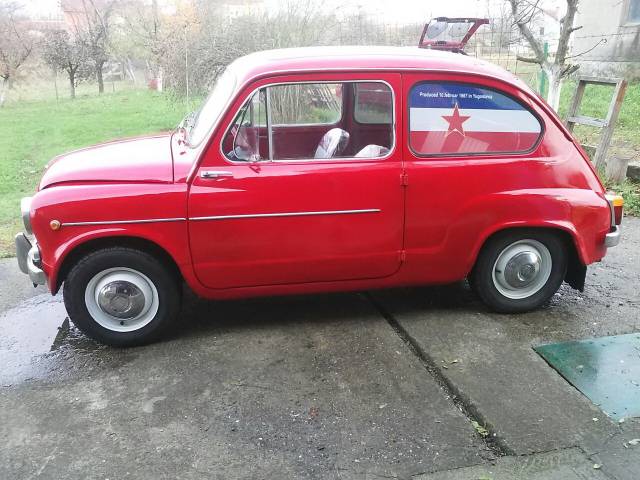
1967 | Zastava 750L
ZASTAVA (FIAT) 750
Zastava 750 Classic Cars: Prices & Market Values
History of the Zastava 750
Manufactured from 1962 by Zavod Crvena Zastava in Kragujevac, Yugoslavia, the Zastava 750 was Fiat-licensed and developed as an accessible city car for Eastern European roads. With its roots firmly in the Fiat 600, it featured subtle increases in body length and bespoke engineering. This supermini became known as the smallest Zastava ever produced, serving urban and rural communities alike with simple robustness and renowned rear-wheel drive agility. Production of the 750 continued until it was succeeded by the slightly larger Zastava 850 in 1980, reflecting gradual progress in engine displacement and market needs.
Model History
The Zastava 750’s lineage traces back to the Fiat 600, the archetype of post-war small cars. Introduced in 1962, Zastava continued the model with periodic updates in bodywork and technical underpinnings—sometimes mirroring Fiat, but increasingly moving towards region-specific adaptations. Early models had a 767 cc engine with 25 PS, but over time saw mechanical updates such as the introduction of the 750 SE with increased output and sportier variants. In 1980, production overlapped briefly with the Zastava 850, which featured a larger engine and became rarer than the enduring 750.
Highlights and Uniqueness of the Zastava 750
Distinctive for its rear-engine layout, minimal weight and robust Italian/Yugoslav mechanicals, the Zastava 750 is also known for a thriving modification scene, often with Abarth-inspired aesthetics and mechanical tweaks. Its small 767 cc or later 903 cc engine and 4-speed manual gearbox offer an honest, engaging drive. Notably, many vehicles on today's market remain in original condition, with matching numbers, classic upholstery, and historic paperwork, while others embrace racing modifications—from sports seats to FIA-compliant roll cages.
Technical Data
Special Editions and Collectible Models
Performance-oriented variants featuring Abarth-style modifications are especially sought after. These include aftermarket enhancements like sports seats, roll cages, performance exhausts and Cromodora alloy wheels. Genuine Zastava 750 replicas, and customs with full or partial racing kits, are valued within the scene for their motorsport spirit and unique appearance.
Weak Spots and Common Issues
While the Zastava 750 is built for simplicity, buyers should inspect for common issues: corrosion at the sills, wheel arches and floor pan is not unusual, especially where factory galvanisation and protection have faded. Brake components, including the master cylinder, lines and drum/disc wear, require regular maintenance. Suspension components (shocks, linkages, bearings) often need overhaul, particularly on cars that have covered many miles or seen track use. The electrical system is basic but can suffer from age-related faults—restoration is straightforward but complete reconditioning is often advisable. Seek cars with documented restoration to ensure work has been done thoroughly.
Engine, Performance, Transmission and Handling
Driving a Zastava 750 is an experience rooted in mechanical connection. The modest engine, whether the early 767 cc 25 PS or the sportier 903 cc setup, delivers peppy urban performance and nimble handling, especially appreciated on tight, winding roads. The 4-speed manual offers direct shifting, while the rear-wheel drive layout ensures balanced dynamics. Suspension modifications—sometimes to Abarth spec—improve cornering but can stiffen the ride. The car's agility, low centre of gravity, and compact proportions mean parking and urban manoeuvres are effortless. Disc brakes up front (where installed) give dependable stopping power, while enthusiasts value models upgraded with sport seats, roll cages and wider wheels for occasional motorsport use. - Zastava 750 SE (30 PS, increased torque)
- Zastava 750 Abarth spec builds (sports exhaust, roll cage, sportier wheels, FIA-compliant in some custom builds)
- Standard 750 with 767 cc engine for originality
- 903 cc modified 750s for a more dynamic driving character
Interior, Comfort, Exterior and Design
The Zastava 750's design sticks close to its Italian roots, but regional colour palettes and interior materials make Yugoslav-built models distinctive. Complementing the classic instrument cluster and simple door cards, interiors are seen in both factory vinyl and aftermarket leatherette, along with sporty steering wheels and racing seats in modified examples. Typical sport accessories include roll cages, Abarth-style body panels, and custom paint colours, particularly replicas of historic racing liveries. Standard 13-inch steel wheels or iconic Cromodora alloys (often 8x13 at the rear, 7x13 at the front) are period-correct upgrades, and original or restored bodywork is prized by connoisseurs.
Other relevant features
Zastava 750s are frequently offered with extensive documentation, historic titles, and restoration evidence. Their compact footprint and low weight not only endear them to urban drivers but also make them practical classics for regular use and classic rallies. Private enthusiasts and collectors alike can find both untouched originals and race-prepped builds, showing how versatile the platform remains.
Summary
The Zastava 750, as the reference point for Yugoslav classic cars, is easy to maintain, offers engaging mechanical reliability, and caters to both purists and modifiers. Its unmistakable appearance, simple technology and thriving owner community secure its reputation as the sole focal point of Zastava’s classic car lineage on today’s market.