Willys Jeep classic cars for sale
The Willys Jeep defined a new class of robust, all-terrain vehicles during the Second World War, setting benchmarks for off-road performance and reliability still admired by enthusiasts and collectors today.
Search results
Currently, there are no matching listings for your search.
Create search alert
Let yourself be notified as soon as a listing is published that matches your search filters.
Create listing
Do you have a Willys Jeep that you want to sell? Then create a listing now.
Create listingWillys Jeep listing references from Classic Trader
Below you will find listings related to your search that are no longer available on Classic Trader. Use this information to gain insight into availability, value trends, and current pricing for a "Willys Jeep" to make a more informed purchasing decision.
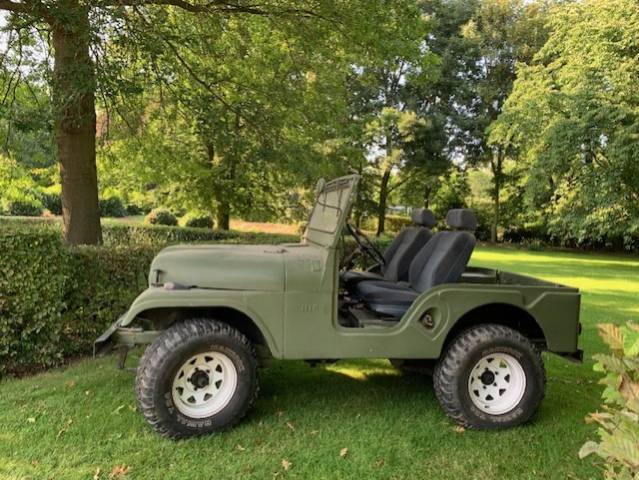
1962 | Willys Jeep Truck
Jeep entièrement rénovée

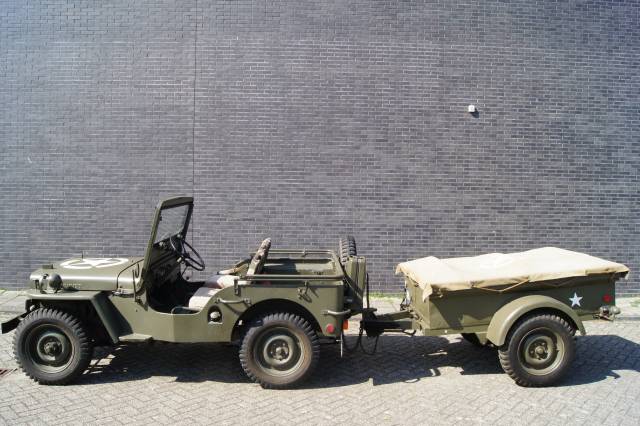
1950 | Willys Jeep Truck
Jeep met aanhanger

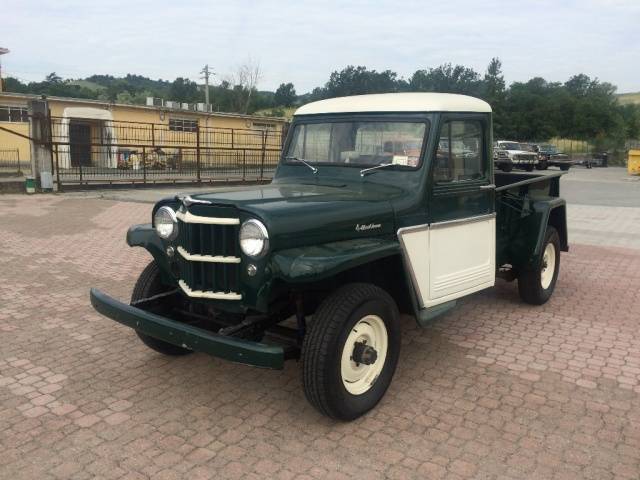
1950 | Willys Jeep Truck
-

Create search alert
Let yourself be notified as soon as a listing is published that matches your search filters.
Create listing
Do you have a Willys Jeep that you want to sell? Then create a listing now.
Create listingWillys Jeep Classic Cars: Prices & Market Values
History of the Willys Jeep
The Willys Jeep originated as a response to the United States Army’s need for a rugged reconnaissance vehicle in 1941. Developed collaboratively by Willys-Overland and – for part of the production run – Ford, the Jeep became essential not just for US forces but also for Allied armies worldwide. More than 600,000 units were manufactured according to a standardized design between 1941 and 1945, representing the first mass production of four-wheel-drive vehicles on such a scale. The vehicle’s combination of compact size, manoeuvrability, and military-grade durability contributed to its reputation and ensured its continued influence on future generations of off-road vehicles.
Model History
The Willys Jeep MB was the primary version for military use during WWII, often mirrored by the Ford GPW which adhered to identical design specifications. The MB’s direct predecessor was the Bantam Reconnaissance Car, whereas its lineage continued post-war with the CJ (Civilian Jeep) series, enabling adaptation for agricultural, industrial, and recreational purposes. Willys maintained the Jeep’s fundamental characteristics in subsequent civilian models, ensuring its status as a reference point for the burgeoning 4x4 off-road market.
Highlights and Unique Features
Willys Jeep vehicles established hallmarks such as selectable four-wheel drive, a minimalistic open body, and a robust ladder-frame chassis. Its exceptional ground clearance and low maintenance requirements were key assets for military deployment in diverse environments. The Jeep’s immediate recognisability and functional approach—emphasising utility over comfort—set it apart from both its contemporaries and later off-road vehicles.
Technical Data
Special Editions and Collectors’ Models
Variants included field ambulances, radio command vehicles, and reconnaissance adaptations. Particularly rare are models with original wartime fitments or unique unit markings, with some post-war CJ Series early numbers drawing significant interest from marque enthusiasts due to engine codes, military-specific features, or documented service history.
Weak Spots and Common Issues
While generally robust, original Willys Jeeps may present issues typical for vehicles of their age and usage: corrosion in chassis rails, perished suspension mounts, wear in drivetrain components due to earlier military service, and outdated electrics in untouched examples. Regular inspection of running gear and sympathetic upgrades to brake and fuse systems are recommended for operational reliability.
Engine, Performance, Transmission, and Handling
The original 'Go Devil' engine, though modest in power, delivered excellent torque at low rpm, ideal for tough off-road conditions. The 3-speed manual transmission with synchromesh on later models made gear selection more user-friendly compared to other military vehicles of the time. Its part-time four-wheel drive system combined with a substantial ground clearance delivered capabilities unmatched in its vehicle class during the 1940s. - Willys MB (2.2-litre I4, 3-speed manual)
- Ford GPW (mechanically identical to MB, produced under licence)
- CJ-2A (the first civilian Jeep, retaining much of the MB’s mechanical layout)
Interior, Comfort, Exterior and Design
Externally, the Willys Jeep presented angular bodywork designed for rapid production and straightforward repair in the field. Body panels were flat and free from ornamentation. The interior followed a utilitarian philosophy, with basic steel seating, removable canvas top, and minimal instrumentation limited to essential functions. Most vehicles retained their military olive drab paint, though civilian versions later added a broader palette. Early models included front-mounted spare wheels and easy-access tool compartments. Civilian variants sometimes appeared with optional equipment like power take-off units or agricultural implements.
Other Features
Wartime Willys Jeeps are occasionally found with original period accessories such as blackout lights or jerry can holders, while restoration projects may reveal field modifications made by military engineers. Documentation tracing a specific Jeep’s service assignment can add unique historical interest.
Summary
The Willys Jeep stands out as a technical and historical milestone, offering robust four-wheel-drive engineering, field-proven versatility, and a direct lineage to modern off-road vehicles. For classic car buyers in the UK, these vehicles represent a pure and uncompromising approach to utility vehicle design, with strong supply and demand indicating a focused and sustained interest in this model series above all other Willys offerings.