- Coche
- Willys-Knight
- Willys-Knight 70A (0 ofertas)
Willys-Knight 70A classic cars for sale
The Willys-Knight 70A represents an era when innovation in engine technology set the brand apart from its competitors. Famed for its unique sleeve-valve engine and dignified appearance, the 70A offers an authentic driving experience that reflects the technical ambitions of the late 1920s.
Resultados de la búsqueda
Actualmente no hay anuncios que coincidan con su búsqueda.
Create search alert
Let yourself be notified as soon as a listing is published that matches your search filters.
Create listing
Do you have a Willys-Knight 70A that you want to sell? Then create a listing now.
Create listingWillys-Knight 70A listing references from Classic Trader
Below you will find listings related to your search that are no longer available on Classic Trader. Use this information to gain insight into availability, value trends, and current pricing for a "Willys-Knight 70A" to make a more informed purchasing decision.
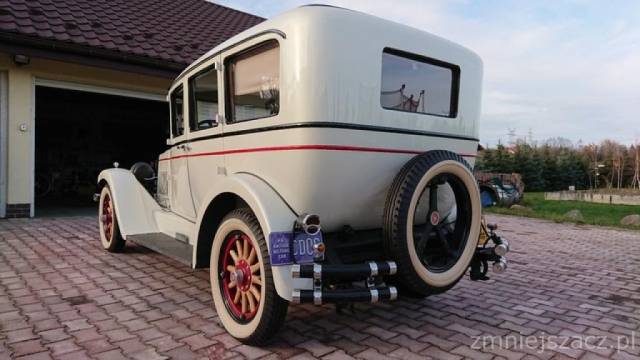
1928 | Willys-Knight 70A
Sehr Seltene Retro Fahrzeug zu Verkaufen! (Restauriert mit Org. Teilen )
Create search alert
Let yourself be notified as soon as a listing is published that matches your search filters.
Create listing
Do you have a Willys-Knight 70A that you want to sell? Then create a listing now.
Create listingWillys-Knight 70A Classic Cars: Prices & Market Values
History and origins of the Willys-Knight 70A
The Willys-Knight 70A finds its roots in the American interwar period, a time marked by rapid progress in automobile engineering. Willys-Overland introduced the Knight series in the 1910s to capitalise on the reputation of the Knight sleeve-valve engine, a sophisticated alternative to poppet-valve systems. The 70A, produced towards the late 1920s, embodied Willys-Knight's commitment to refinement and reliable performance. The model became notable for its relatively quiet running and robust mechanicals, appealing to a clientele seeking luxury at a competitive price point.
Model History of the 70A Series
The 70A followed the earlier Willys-Knight models that debuted with sleeve-valve technology. Sitting between the more utilitarian Willys models and the upmarket Knight lineup, the 70A represented a careful balance between price and prestige. Its predecessor, the Model 66, helped establish the formula, while the 70A served as a bridge to later models that persisted until Willys-Overland shifted focus towards more mainstream vehicles in the 1930s. The progression in the 70A's design and engineering neatly illustrates the brand's ongoing efforts to refine its distinctive engine and chassis construction.
Highlights and Unique Features of the Willys-Knight 70A
The standout feature of the 70A is its sleeve-valve engine, a rarity among American automakers of the period. This design contributed to an especially smooth and quiet operation. The 70A's bodywork echoed established luxury cues of its time yet retained a distinctive Willys proportion and grill design. Owners appreciated the car for its torque-rich, flexible driving characteristics and the sense of mechanical solidity.
Technical Data
Special Editions and Collectible Variants
There are no documented factory special editions of the Willys-Knight 70A; however, body styles provided by select coachbuilders or rare factory configurations can be viewed as collectible outliers. Custom-bodied examples, if found, attract additional historic interest.
Weak Spots and Common Issues
While the sleeve-valve engine is robust, it demands diligent lubrication and maintenance compared to more conventional poppet-valve units. Oil consumption tends to be higher. Owners should watch for wear in the sleeve assemblies and be attentive to oil quality and consumption. Sourcing exact replacement parts may require specialist connections due to the low production numbers and design specificity.
Engine, Performance, Transmission and Handling
The heart of the 70A is its sleeve-valve inline-6, delivering smoothness rather than outright speed. Power delivery is even and well suited to the upright driving style of the era. The 3-speed manual transmission shifts deliberately but reliably, and the mechanical brakes are indicative of 1920s design, requiring anticipation and measured use. The suspension prioritises a soft, stately ride, absorbing rough surfaces well, but handling is best described as stately and comfort-oriented. The most notable 70A models are the sedan and touring versions. They showcase the engine's unique qualities and period-correct comfort. Occasionally, original-bodied examples from recognised coachbuilders or with special period equipment stand out within collector circles.
Design, Interior and Accessories
The 70A’s design exudes 1920s American luxury, featuring large fenders, a vertical grille, and generous chrome detailing. Interiors typically employed mohair or leather seats, with wooden trim and simple, elegant dash layouts. Options were largely limited but included wire wheels, step plates, and rear luggage racks. The 70A’s accessories and bespoke elements—like optional trunk mounts and period-correct instrumentation—underscore its appeal to vintage motoring aficionados.
Other Noteworthy Features
The Willys-Knight 70A is valued among prewar car enthusiasts for representing the technical innovation of the sleeve-valve system and the distinct sound and driving sensations it provides. Surviving examples often reward attentive owners with a unique window into late-1920s American automotive culture.
Summary
The Willys-Knight 70A stands as a testament to a distinct era of engineering, with its sleeve-valve engine and dignified design setting it apart among classic cars. Low production numbers and the technical specificity of the model ensure that any surviving 70A delivers a particularly authentic and engaging classic car experience for those with an appreciation for prewar ingenuity.