- Car
- Willys-Knight
- Willys-Knight 66 (1 offer)
Willys-Knight 66 Classic Cars for Sale
The Willys-Knight 66 stands out for its advanced Knight sleeve-valve engine, refined 6-cylinder performance, and generous dimensions. With elegant open-top variants, high-quality craftsmanship, and space for up to seven, this rare classic is sought after by vintage rally fans and Concours d’Elegance enthusiasts alike.
Search results
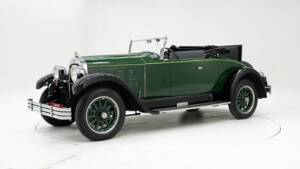
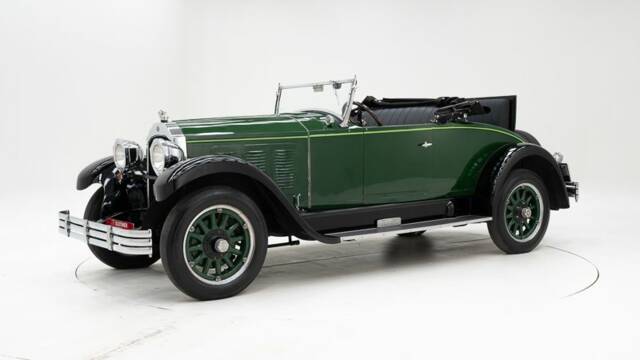
1928 | Willys-Knight 66 A
1928 Willys Knight 66A '28

Willys-Knight 66 listing references from Classic Trader
Below you will find listings related to your search that are no longer available on Classic Trader. Use this information to gain insight into availability, value trends, and current pricing for a "Willys-Knight 66" to make a more informed purchasing decision.
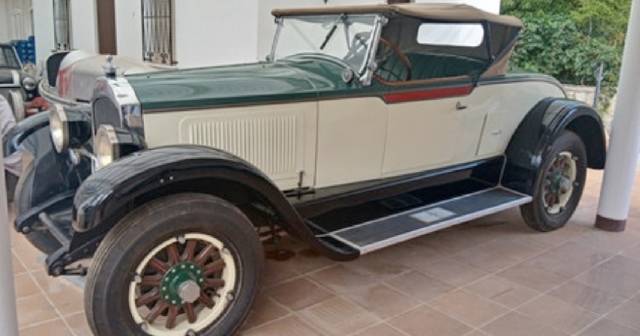
1924 | Willys-Knight 66 A
Modelo único en España del elegante Willys 66

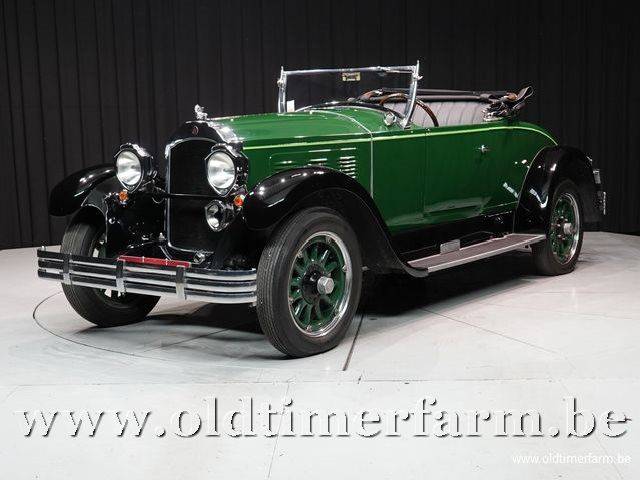
1928 | Willys-Knight 66 A
1928 Willys Knight 66A '28
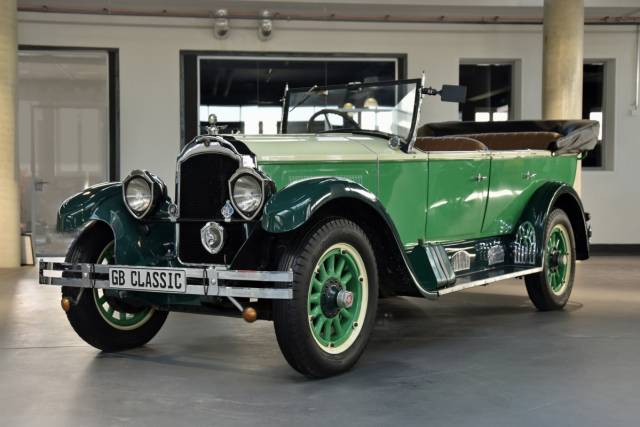
1927 | Willys-Knight 66 A
Restauriert und Motor überholt

Willys-Knight 66 Classic Cars: Prices & Market Values
History of the Willys-Knight 66
The Willys-Knight 66 emerged during a period of automotive innovation, positioned in Willys-Knight’s lineup as a luxurious and technologically advanced model. Introduced with a focus on smooth operation, the model utilised the patented Knight sleeve-valve engine technology—a rarity in its era. The 66 drew attention for its silent running and was widely recognised at prestigious events, such as Concours d’Elegance, for its distinctive, stately character. Being built for comfort and presence, it became an apt choice for luxury motoring in the pre-war years, representing the peak of Willys-Knight engineering philosophy.
Model History: Evolution and Variations
The model code '66'—also identified in some sources as '66A'—was developed as a successor to previous four-cylinder Willys-Knight offerings, ushering in six-cylinder refinement and larger displacement. Body styles included elegant two-seat cabriolets, versatile roadsters, and accommodating touring versions with seating for up to seven passengers, reflecting a commitment to both exclusivity and practicality. Distinction within the model line often came via trim and equipment, but all versions maintained the celebrated sleeve-valve engine as their centrepiece.
Highlights and Notable Characteristics
The Willys-Knight 66 is instantly recognised for its 4179 cc six-cylinder sleeve-valve engine, generating a refined 70 hp output. Unlike conventional poppet engines, the sleeve-valve system delivered whisper-quiet operation, something highly prized by connoisseurs. The model’s large, imposing bodywork, available in open and closed forms, underlines its luxury positioning. Owners value the model for its rare combination of advanced engineering, comfort, and impressive road presence. As a result, the 66 enjoys high regard among classic car enthusiasts and is a distinguishing feature at historical motoring events.
Technical Data
Special Editions and Collectible Models
Certain Willys-Knight 66 examples, particularly the limited-production cabriolet and roadster variants, rank among the most collectible. Vehicles known from Concours d’Elegance events often feature period-correct restorations and hold special appeal due to their rarity, historical significance, and exceptional preservation. Models retaining original patina or featuring meticulous restorations by renowned specialists are particularly valued within the collector scene.
Weak Spots and Common Issues
While the Willys-Knight 66’s sleeve-valve engine offers remarkable smoothness and quiet, it does demand expert maintenance. The complex valve system requires regular lubrication and precise adjustment, and improper care can lead to oil consumption issues or excessive smoke. Prospective owners should inspect for evidence of correct engine upkeep and pay attention to the chassis and wooden body frame condition—common concerns with vehicles of this vintage.
Engine and Performance, Transmission and Handling
The 6-cylinder Knight sleeve-valve engine’s hallmark is exceptional smoothness and acoustic subtlety. At 70 bhp, it delivers strong, period-appropriate performance for a car of substantial weight, with responsive torque and a relaxed cruising manner. The 66’s overall large size ensures a stately ride, while its robust suspension design provides credible comfort for longer journeys—making it suitable for classic rallies and touring events. Notable variants include the 2-seat cabriolet and roadster for their elegance and the 7-passenger touring body for versatility. Each configuration employs the same advanced sleeve-valve engine technology.
Interior, Comfort, Exterior and Design
The imposing Willys-Knight 66 exhibits strong American design with generous proportions, high-quality coachwork, and detailed period trim. Interiors often feature woodwork and leather, with convertible and roadster versions providing open-air experiences. Tailored accessories such as polished metal fittings, period-correct lighting, and specialised seating arrangements are not uncommon. Cars restored for show tend to retain authenticity, sometimes displaying a sympathetically-aged patina, reflecting decades of careful stewardship.
Further Noteworthy Features
The Willys-Knight 66’s reputation in the Concours d’Elegance community highlights its cultural cachet among collectors. Its combination of technical innovation (sleeve-valve engine), statement-making size, and historical presence endears it to participants in vintage rallies, especially those seeking authentic pre-war motoring experiences. Original components and careful documentation bolster individual cars’ historical value.
Summary
The Willys-Knight 66 distinguishes itself as a rare, technically advanced classic tailored for enthusiasts valuing engineering sophistication and authentic pre-war motoring. With its refined sleeve-valve engine, stately appearance, and storied presence at international classic events, the 66 stands as Willys-Knight’s emblematic model—desirable for both historic travels and discerning collectors.