Vauxhall Chevette classic cars for sale
The Vauxhall Chevette, produced between 1975 and 1984, stood out in the British supermini scene with its distinctive hatchback design, robust engineering, and direct connection to Opel’s technical know-how. Its practicality and versatile body styles made it a solid choice in its class, drawing on both British and continental influences.
Search results
Currently, there are no matching listings for your search.
Create search alert
Let yourself be notified as soon as a listing is published that matches your search filters.
Create listing
Do you have a Vauxhall Chevette that you want to sell? Then create a listing now.
Create listingVauxhall Chevette listing references from Classic Trader
Below you will find listings related to your search that are no longer available on Classic Trader. Use this information to gain insight into availability, value trends, and current pricing for a "Vauxhall Chevette" to make a more informed purchasing decision.
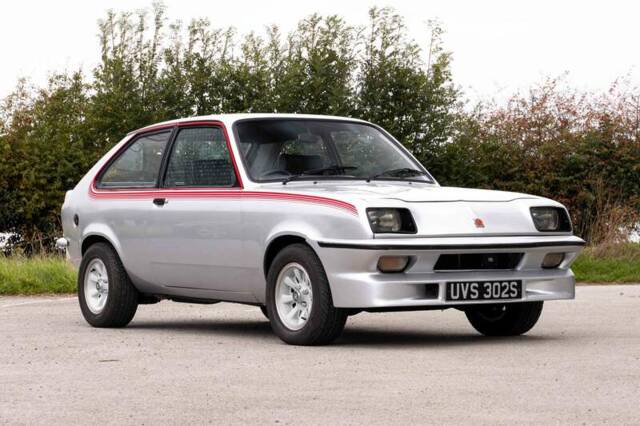
1977 | Vauxhall Chevette
1977 Vauxhall Chevette HS - First Manufactured, ex-Press
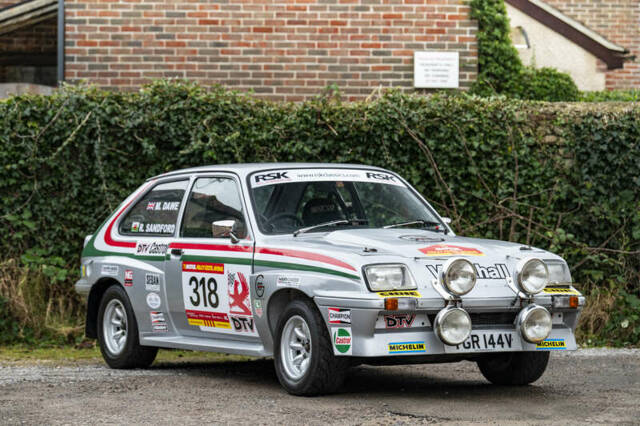
1979 | Vauxhall Chevette HS Group 4
1979 Vauxhall Chevette HS 'Group 4' Specification
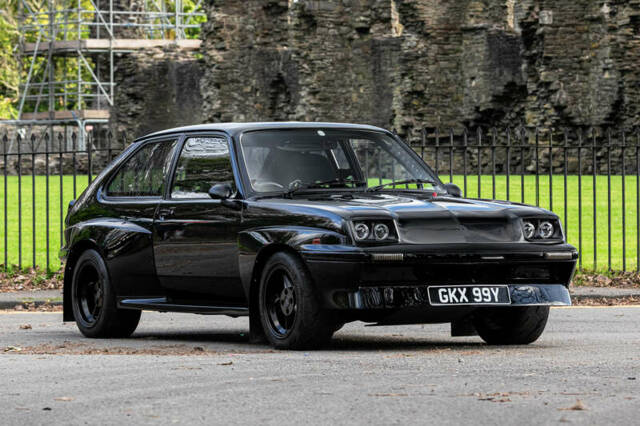
1983 | Vauxhall Chevette
1983 Vauxhall Chevette - 'The Vader'
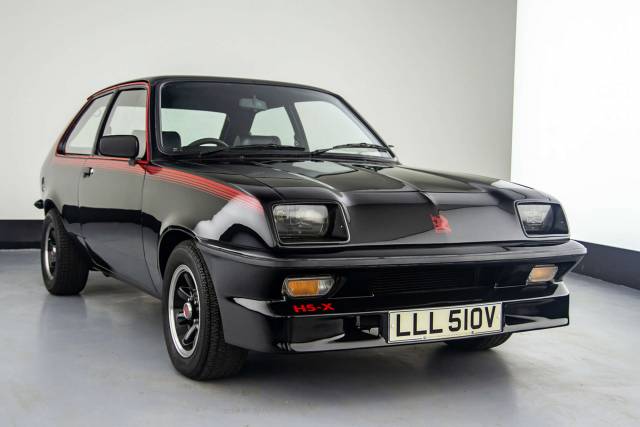
1980 | Vauxhall Chevette HS-X
1980 Vauxhall Chevette HS-X
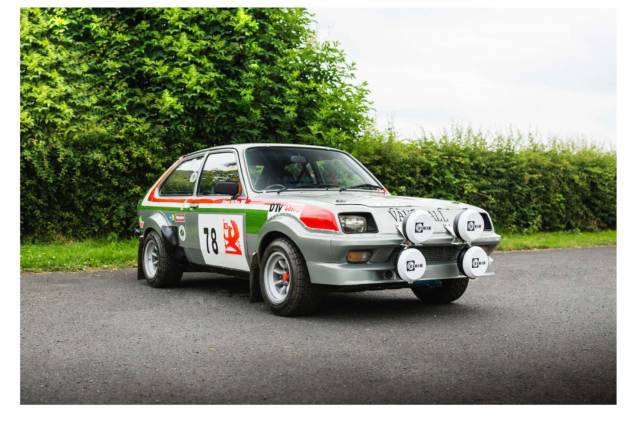
1978 | Vauxhall Chevette HS Group 4
1978 Vauxhall Chevette HS Group 4 - Ex Works - Jimmy McRae
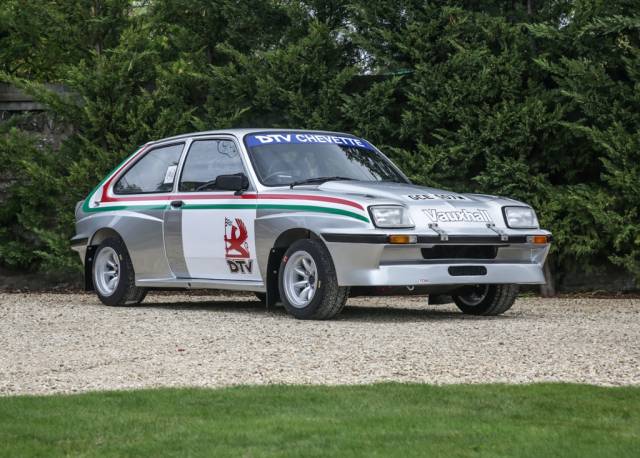
1980 | Vauxhall Chevette
Vauxhall Chevette LWB HSR Ex-Factory Works car. Group 4 specification
Create search alert
Let yourself be notified as soon as a listing is published that matches your search filters.
Create listing
Do you have a Vauxhall Chevette that you want to sell? Then create a listing now.
Create listingVauxhall Chevette Classic Cars: Prices & Market Values
Introduction and history of the Vauxhall Chevette
The Vauxhall Chevette, introduced in 1975, marked a departure for Vauxhall as its first compact hatchback—a body style then uncommon among British manufacturers. Built on the General Motors T-Car platform, which unified small car development across several global GM brands, it was essentially a British variation of the Opel Kadett C. Vauxhall offered the Chevette with a 1256 cm³ engine and a distinctively styled front end referred to as the 'Droop Snoot,' echoing Vauxhall's performance models. The Chevette’s 1970s entry coincided with a growing UK demand for fuel-efficient, practical cars, positioning it perfectly in an era shaped by oil crises and shifting urban needs.
Model history
The Chevette’s initial three-door hatchback configuration appeared in 1975, pioneering the supermini layout for Vauxhall. In June 1976, Vauxhall expanded the range to include four-door saloons and the later three-door estate models. 1979 brought a further refreshed lineup of hatchbacks, saloons, and estate variants. Exports began in 1980, notably to Germany as the Opel Chevette, plugging the gap until the Corsa A’s arrival. The Chevette exited the German market in 1982 after selling 12,332 units; UK production continued until January 1984, eventually replaced by the Vauxhall Nova and closing with 415,000 units produced.
Highlights of the Vauxhall Chevette
The Vauxhall Chevette distinguished itself with the British hatchback design and versatile lineup, including hatchbacks, saloons, and estates. Its recognisable 'Droop Snoot' nose gave it a character missing from many contemporary rivals. The Chevette balanced cost-effectiveness with engineering robustness inherited from GM’s global development. Alongside British sales, the Chevette also reached New Zealand, Mauritius, and Germany. Nevertheless, its engineering featured uniquely British quirks, like imperial-threaded bolts, complicating repairs outside the UK.
Technical data
Special Editions and Collectible Models
Although special limited editions of the Chevette were rare, some models like the HS and HSR—though predominantly noted in the rallying scene—featured powertrain and suspension upgrades and motorsport-derived styling cues. However, these editions remain the exception, as the standard Chevette formed the core of the range.
Engine and Performance, Transmission and Handling
Most Chevette models featured the 1.3-litre overhead-valve petrol engine. The rear-wheel drive chassis was straightforward, with McPherson strut front suspension and a live rear axle. Its handling was predictable, and the modest power output suited city driving and rural commuting. Gear shifts were typically sturdy, though the linkage could feel notchy with age. Popular Chevette models include the original three-door hatchback—widely praised for its practical dimensions and cargo flexibility. The rare HS/HSR performance variants, intended for rally use, offered more power and upgraded handling but remain a separate chapter in the Chevette line.
Interior, Comfort, Exterior and design
The Chevette’s exterior broke from British tradition with a sharply sloped hatch, emphasising aerodynamics and practicality. Inside, basic but durable materials suited everyday use, reflecting the Chevette’s utilitarian ethos. While custom trim levels were sparse, the Chevette could be found in a palette of period-specific colours and sometimes with special upholstery details. The front end’s 'Droop Snoot' remained its most recognisable design signature.
Summary
The Vauxhall Chevette represents a rare example of 1970s British innovation supported by international engineering. With a range of practical body styles, distinctive styling, and international pedigree, it appeals to enthusiasts appreciating British classics with a GM backbone. Our statistics indicate its standout status: all classic Vauxhalls offered and sought on our platform are Chevettes, highlighting its focused and committed following.