- Automobile
- Unic
- Unic L1 (0 offerte)
Unic L1 classic car for sale
The Unic L1 is a rare French classic, highly sought after for its distinct character as a utility vehicle and its fascinating post-war construction details. Its combination of robust mechanics and practical features makes it a unique option for enthusiasts of vintage commercial vehicles.
Risultati della ricerca
Attualmente non ci sono annunci corrispondenti alla tua ricerca.
Create search alert
Let yourself be notified as soon as a listing is published that matches your search filters.
Unic L1 listing references from Classic Trader
Below you will find listings related to your search that are no longer available on Classic Trader. Use this information to gain insight into availability, value trends, and current pricing for a "Unic L1" to make a more informed purchasing decision.
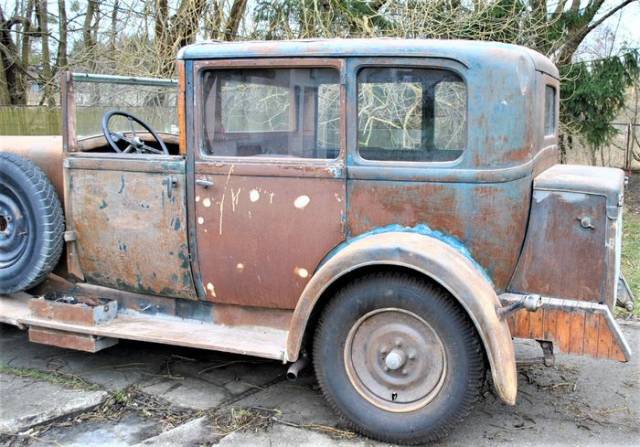
1930 | Unic L1
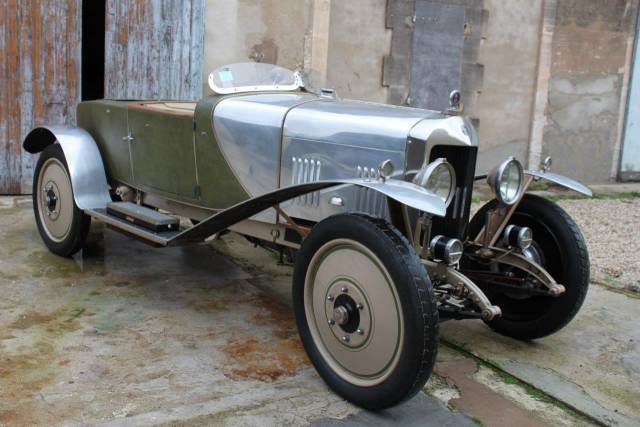
1924 | Unic L1
Unic L2 Supersport
Create search alert
Let yourself be notified as soon as a listing is published that matches your search filters.
Unic L1 Classic Cars: Prices & Market Values
History of the Unic L1
Founded in France, Unic established a reputation for building durable and dependable commercial vehicles. The L1 model, dating from around 1951, reflects the utilitarian focus of post-war automotive manufacturing. Designed as a utility or project vehicle, the L1 showcased Unic's dedication to practical engineering and adaptability. The model’s construction often included a cabin with windows, interior fittings, and straightforward mechanical solutions such as a crank starter, indicating the resourcefulness and economic realities of its era.
Model History
The L1 model stood as a reference point in Unic's model lineup for robust utility vehicles in the early 1950s. Its predecessor likely included pre-war Unic trucks and light commercial vehicles. The L1’s bodywork was sometimes adapted from other makes, such as Citroën from the 1930s, which underscores the creativity and practicality during vehicle restoration and modification practices in the period. Successor models continued Unic’s tradition of reliable French commercial transport solutions.
Highlights of the Unic L1
The Unic L1 impresses with its French engineering, rare market presence, and distinctive features like an integrated cabin and period-correct interior fittings. Its construction allowed creativity—original bodies were sometimes replaced with other classic elements, reflecting both necessity and flair. Functional mechanics and the potential for originality in components such as headlights or bodywork give each Unic L1 a unique character.
Technical Data
Special Editions and Collectible Models
Based on available information, there are no officially documented special editions for the Unic L1, though adaptations often resulted in highly individual vehicles through the use of bodywork from other vintage sources, notably Citroën.
Engine and Performance, Transmission and Handling
The Unic L1 is equipped with a straightforward, utilitarian engine designed for reliability rather than high performance. Its manual gearbox offered simple, effective operation, in line with the needs of mid-20th-century utility vehicles. Mechanical condition is typically sound, with basic functioning of core systems; however, originality of certain parts such as headlights may vary—all part of the charm and real-world practicality of vintage commercial vehicles. Notable examples often feature creative use of non-original bodywork, highlighting the adaptability of the L1 chassis to different restoration approaches.
Interior, Comfort, Exterior and Design
The L1's design emphasises practicality: a cabin with windows and basic, functional interior fittings mark its utilitarian ethos. Instrumentation and fittings are period-relevant, reflecting the standards of 1950s French commercial vehicles. Some examples display non-original bodies, typically retrofitted from other classic marques like Citroën, which infuses the L1 with visual uniqueness. Exterior details such as the classic crank starter underscore the era-specific engineering solutions.
Summary
The Unic L1 stands out as an exceptionally rare French utility vehicle from the early 1950s. Its mechanical robustness, distinctive adaptations, and practical cabin make it a highlight for fans of historical commercial transport. With a limited population in the classic car marketplace, the L1 attracts attention from enthusiasts seeking both authenticity and individuality in their vintage utility vehicles.