Trabant 500 classic cars for sale
The Trabant 500, known in its early years as the P 50, stands as the foundation of East German automotive culture. Produced from 1957 to 1962 by VEB Sachsenring in Zwickau, the Trabant 500 remains a compact yet robust symbol of a distinct era. Discover available examples and dive deeper into the story behind this unique small car.
Search results
Currently, there are no matching listings for your search.
Create search alert
Let yourself be notified as soon as a listing is published that matches your search filters.
Create listing
Do you have a Trabant 500 that you want to sell? Then create a listing now.
Create listingTrabant 500 listing references from Classic Trader
Below you will find listings related to your search that are no longer available on Classic Trader. Use this information to gain insight into availability, value trends, and current pricing for a "Trabant 500" to make a more informed purchasing decision.
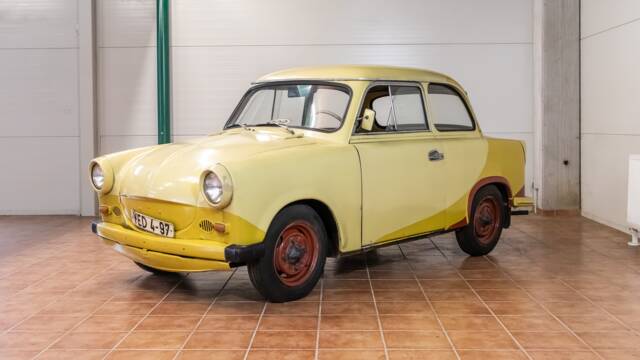
1962 | Trabant 500
Iconic model of East German automotive history

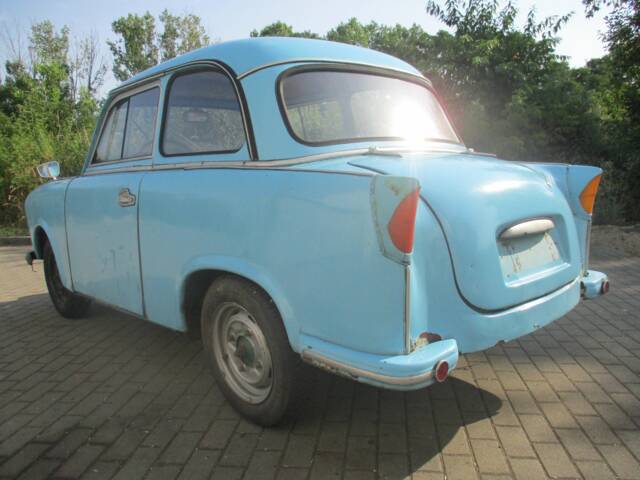
1959 | Trabant 500
Trabant P50

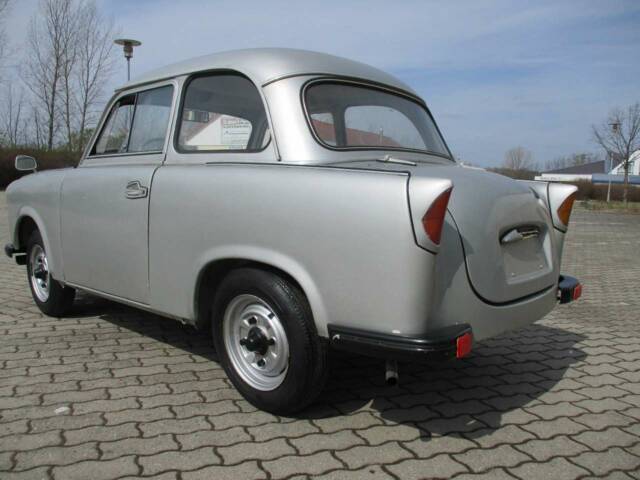
1959 | Trabant 500
Trabant P50
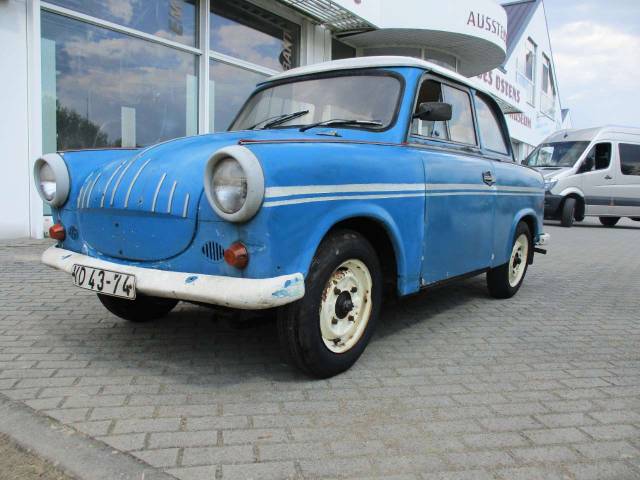
1959 | Trabant 500
Trabant P50
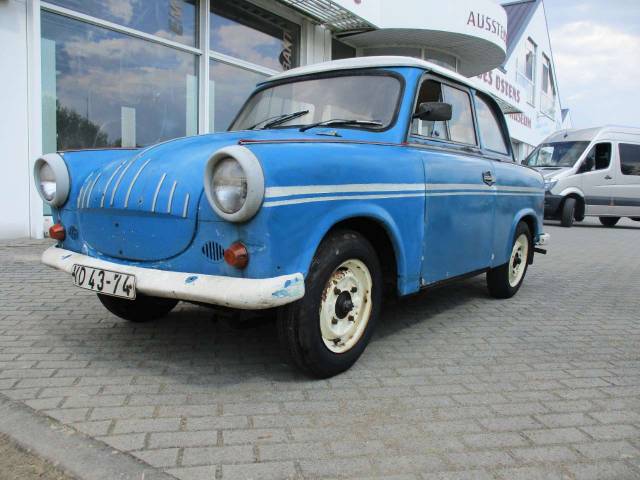
1959 | Trabant 500
Trabant P50
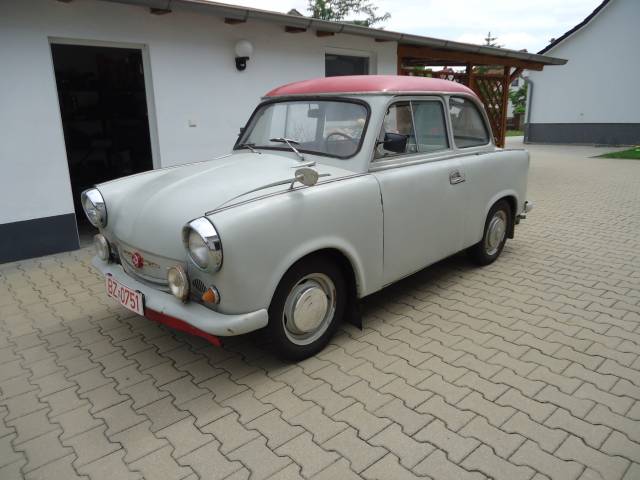
1961 | Trabant 500
Originalzustand , Fahrbereit mit H.U. bis 07/ 2022
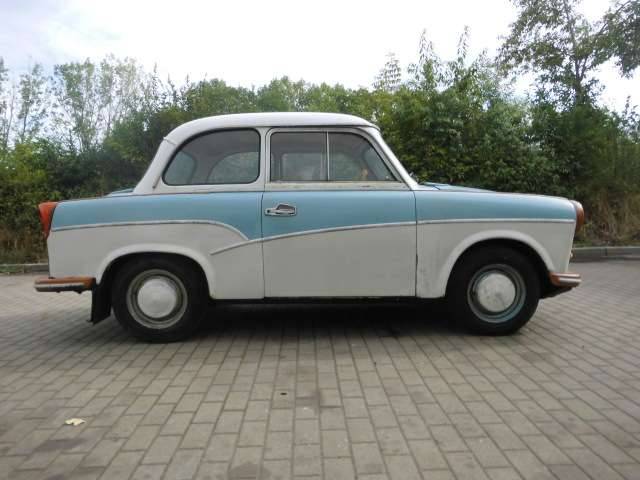
1961 | Trabant 500
Trabant P50 P 50 / 1
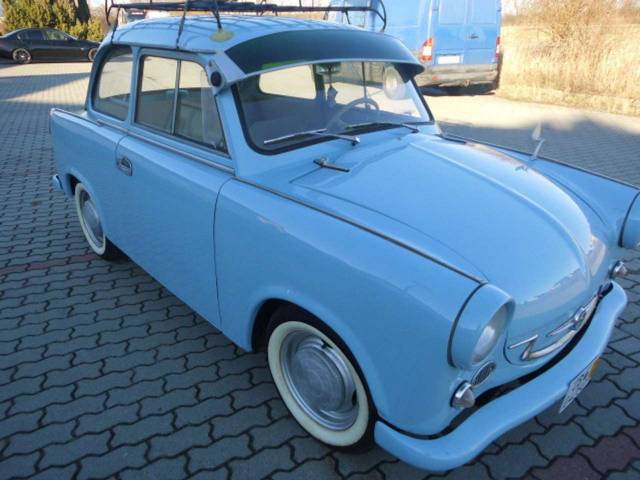
1962 | Trabant 500
Trabant P50
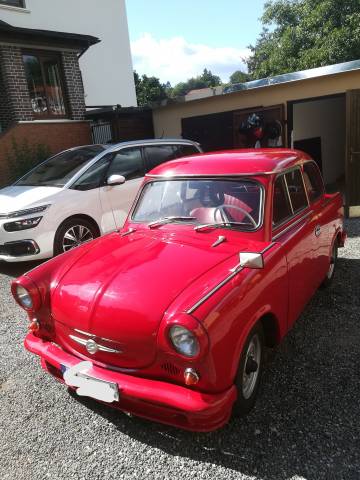
1961 | Trabant 500
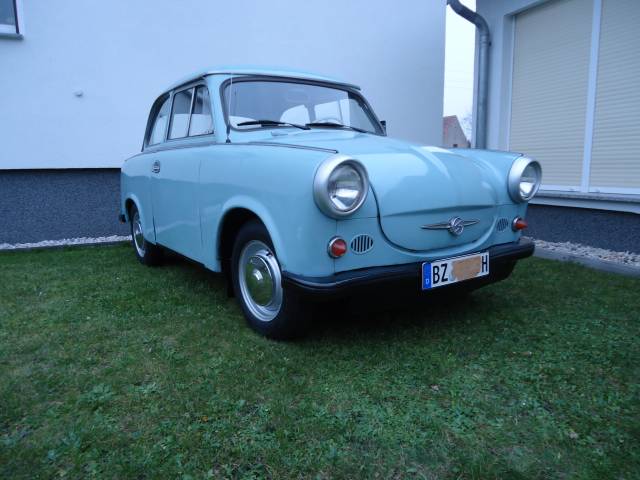
1960 | Trabant 500
Wiederinbetriebnahme Nach Dornröschenschlaf
Create search alert
Let yourself be notified as soon as a listing is published that matches your search filters.
Create listing
Do you have a Trabant 500 that you want to sell? Then create a listing now.
Create listingTrabant 500 Classic Cars: Prices & Market Values
History of the Trabant 500
The Trabant 500, initially launched as the P 50, was the first mass-produced model from the Trabant lineup. Development began in the mid-1950s at the Karl-Marx-Stadt R&D plant, where engineers aimed to create an exceptionally lightweight yet sturdy vehicle. This quest led to the pioneering use of Duroplast plastic panelling—a first for a German car—combined with a steel chassis. The name 'Trabant' (meaning 'satellite') referenced contemporary fascination with space, while '500' indicated the engine's displacement class. Serial production commenced in Zwickau in July 1958, following a merger of AWZ and VEB Sachsenring. Throughout its lifecycle, the Trabant 500 emerged as the go-to family car for East Germans, particularly as Wartburg targeted a more upscale segment. Well over 130,000 units were made before the model's production ended in 1962, eclipsed by the evolution to the Trabant 600 and eventually the 601.
Model History
The Trabant 500’s roots lie in the AWZ P70, produced as an interim model from 1955 to 1958, which utilised some early Duroplast components but relied primarily on steel. With the launch of the P 50/500 in 1958, Trabant set a new standard among small cars for the Eastern Bloc. Continuous development led to the introduction of the 'Z' engine in 1959, boosting output, and new carburettor variants. The model range expanded with additional paint combinations and more distinguished trims, including two- and three-tone paint schemes available at an extra cost. In 1962, the 500 was replaced by the short-lived Trabant 600, carrying forward both technical updates and aesthetic cues before the longer-run Trabant 601 took centre stage.
Highlights & Unique Features
Distinctive Duroplast panelling made the Trabant 500 not only cost-effective but also immune to rust. Models could be ordered in rare two-tone or even three-tone paint finishes, with chrome detailing available. The compact body, lightweight build (630 kg), and spartan interior reflected design priorities focused on efficiency and the economic context of the GDR. The Trabant 500 has left a cultural mark, making onscreen appearances in films about the Cold War and even starring as a staged prop in music tour events, adding a layer of nostalgia for enthusiasts today.
Technical Data
Special Editions and Collectible Models
During 1959, special colour schemes—two-tone and three-tone paint variants—became available, accompanied by optional chrome trim, making these configurations stand out among collectors. These finishes were offered for a supplementary charge and are now rarely encountered on the market, lending an extra appeal to surviving examples.
Weak Spots and Common Issues
Reports and observed ads point to good spare part availability and straightforward mechanics, but as with most cars of this age, buyers should examine the integrity of Duroplast bodywork, look for possible corrosion in the steel subframe, and check for proper function of the two-stroke engine and four-speed gearbox. Rubber seals, wiring, and carburettor condition can often require attention after decades, particularly if the car has not been regularly used or preserved in dry conditions.
Engine, Performance, Transmission & Handling
The Trabant 500’s sub-500cc two-cylinder, two-stroke engine cannot hide its modest power figures—around 20 PS with later variants. While acceleration is leisurely by any modern standard, the engine’s simplicity translates into low-cost upkeep and reliability when maintained rightly. The four-speed column-shifted manual transmission reinforces the period feel, and the front-wheel drive setup offers predictable manners at low and moderate speeds. Due to its light curb weight, even the limited output is enough for uncongested secondary roads of the era, though highways are best avoided. Particular interest surrounds cars with rare original paintwork, sound-running two-stroke engines, and surviving documentation such as oldtimer papers and matching numbers. Kombi and coupé prototypes shown early in production are especially rare, but almost all market-available 500 models are basic saloons.
Interior, Comfort, Exterior, and Design
Straight-lined and functional, the Trabant 500 sports the compact dimensions and practical interior typical for a socialist people’s car. Interior fixtures are sparse, prioritising function over luxury, though certain rare editions offered livelier upholstery and body paint. The use of Duroplast for outer body panels was innovative and economical, while contributing to the unique tactile feel—unlike the pressed steel found in contemporaries from Western Europe. Accessory options were limited in period but included a heater, radio, and on rare occasions, special trim elements such as chrome highlights or two-tone seat covers.
Other Relevant Features
The Trabant 500 is frequently seen at classic car rallies and events focused on GDR vehicles. The vehicle can be registered as a historic car, eligible for special insurance and plates depending on local regulations, and is favoured for its approachable mechanical design, which encourages DIY restoration.
Summary
With a total production surpassing 131,000 units, the Trabant 500 paved the way for the later models of the Trabant family and represented both a technical achievement and a facet of East German daily life. Today, it remains a tangible reminder of post-war innovation under challenging circumstances, valued for its resolute engineering, unique materials, and the history it carries wherever it appears.