Tojeiro Halton classic cars for sale
The Tojeiro Halton stands as a unique piece of 1950s British motorsport history—a car engineered specifically for RAF racing enthusiasts, featuring a lightweight tubular frame, hand-built aluminium body, and pioneering disc brakes. Discover why this rare machine continues to fascinate collectors and racing historians alike.
Search results
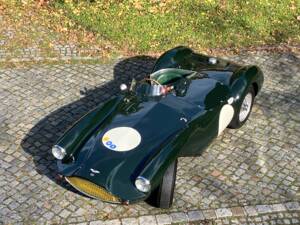
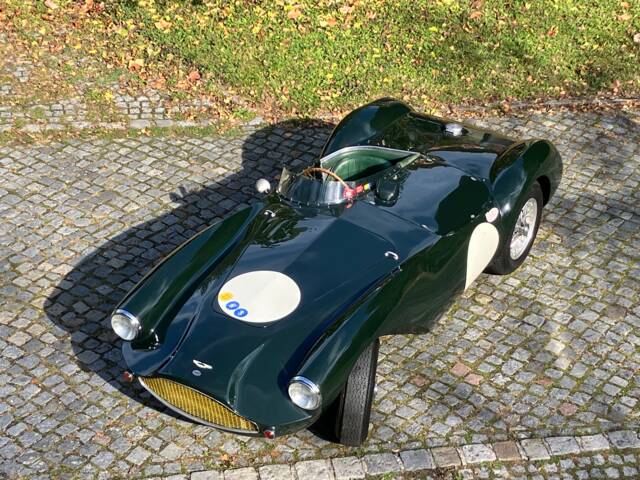
1955 | Tojeiro Halton
Halton Tojeiro with 3 L Aston Engine
Tojeiro Halton Classic Cars: Prices & Market Values
Introduction and history of the Tojeiro Halton
Conceived in 1954/55 by renowned engineer John Tojeiro, the Tojeiro Halton emerged during a transformative period for British motorsport. The project was commissioned by a collective of Royal Air Force pilots—the Halton Stable Racing Club—who sought cutting-edge race cars tailored to their exacting standards. Tojeiro’s approach centred on lightweight engineering, combining a stiff tubular frame with advanced aerodynamics via a hand-crafted aluminium body. The Halton not only reflects Tojeiro’s innovative outlook but acts as a direct predecessor to his later, more famous work on the AC Ace chassis, which helped lay the groundwork for the Shelby Cobra. The car became a regular fixture at Silverstone races between 1954 and 1957, exemplifying British racing passion during the postwar revival.
Model history
The Tojeiro Halton was developed as a bespoke series specifically for the Halton Stable Racing Club, with no direct predecessor or mass-produced successor. Throughout its active years, the Halton served as a testbed for technical advancements, including adjustable setups and a variety of engines ranging from 1.1 to 3.0 litres. Its continuous evolution symbolised the hands-on, experimental spirit of mid-1950s British club racing, with direct links to Tojeiro’s subsequent projects for AC and Jaguar.
Highlights of the Tojeiro Halton
This model is characterised by a lightweight tubular frame, meticulous hand-built aluminium bodywork, and one of the earliest uses of disc brakes in motor racing—a factor that provided a clear competitive edge on the track. Its roots with RAF pilots and the exclusive Halton Stable Racing Club underline its rarity and historical interest. The car’s adaptable engineering allowed for a wide range of engine configurations, ensuring each example’s individuality.
Technical data
Special Editions and Collectible Models
Each Tojeiro Halton was a bespoke build for the Halton Stable Racing Club—effectively making every car a unique edition. Variations in engines and continuous experimental upgrades further underline the exclusivity of each chassis. There are no mass-market special editions, but provenance linked to original RAF owners or documented racing history amplifies collectability.
Weak Spots and Common Issues
Owing to the hand-built nature and era-specific technology, the Tojeiro Halton requires careful attention to rust around the tubular frame and corrosion on the aluminium body. Period disc brakes and mechanical linkages may need thorough restoration. Sourcing era-correct components requires specialist knowledge and resources, particularly for drivetrain and custom body elements. Attention to historical documentation is crucial for authenticity.
Engine and Performance, Transmission and Handling
The Halton’s tubular chassis and low centre of gravity deliver agile, predictable road-holding, especially at club circuits like Silverstone for which it was developed. Engine selection ranged from lively 1.1-litre units to robust 3.0-litre blocks, allowing varied performance profiles. The introduction of disc brakes—pioneering for its time—increased braking performance and reliability during intense competition. The 4-speed manual transmission complements the focused, analogue driving experience. All extant Haltons are of special interest due to their unique build and RAF racing provenance. Individual engines, set-ups, and racing history should be evaluated to identify especially noteworthy examples.
Interior, Comfort, Exterior and Design
Designed at a time when comfort was secondary to performance, the cockpit of the Halton prioritises function with minimalist controls, lightweight seats, and little by way of luxury. The pronounced aluminium body—crafted by hand—delivers striking curves and optimal airflow. Unpainted finishes and exposed rivet work were not uncommon, emphasising the car’s racing intentions. Each car could feature minor visual differences reflecting the bespoke nature of construction.
Other relevant features
The strong technical affiliation between Tojeiro and other major British manufacturers, including chassis supply for the Jaguar C-Type, marks the Halton’s place in wider UK automotive heritage. Each car often tells a story of continual modification and improvement during its career, reflective of the experimental culture of 1950s racing clubs.
Summary
The Tojeiro Halton embodies the inventive drive of British motorsport in the 1950s: bespoke engineering, cutting-edge technical features like early disc brakes, and direct lineage from racing luminaries. Its intense association with RAF pilot club racers and experimental character distinguish it as a rare but pivotal chapter in postwar automotive history.