- Car
- Thornycroft
- Thornycroft 20 HP (0 offers)
Thornycroft 20 HP classic cars for sale
The Thornycroft 20 HP stands as a representation of early twentieth-century British engineering, bridging commercial and private motoring with a robust, reliable chassis. Known for their technical prowess and mechanical endurance, Thornycroft models like the 20 HP attract enthusiasts with a taste for substantial, authentic motoring experiences from the formative years of the British car industry.
Search results
Currently, there are no matching listings for your search.
Create search alert
Let yourself be notified as soon as a listing is published that matches your search filters.
Create listing
Do you have a Thornycroft 20 HP that you want to sell? Then create a listing now.
Create listingThornycroft 20 HP listing references from Classic Trader
Below you will find listings related to your search that are no longer available on Classic Trader. Use this information to gain insight into availability, value trends, and current pricing for a "Thornycroft 20 HP" to make a more informed purchasing decision.
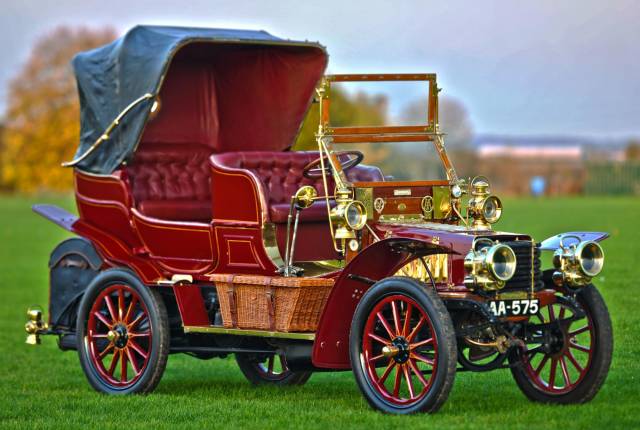
1903 | Thornycroft 20 HP

Create search alert
Let yourself be notified as soon as a listing is published that matches your search filters.
Create listing
Do you have a Thornycroft 20 HP that you want to sell? Then create a listing now.
Create listingThornycroft 20 HP Classic Cars: Prices & Market Values
History of the Thornycroft 20 HP
Founded in 1864 as a shipbuilding company, Thornycroft ventured into road vehicle production at the turn of the 20th century. The 20 HP series emerged as part of Thornycroft's efforts to translate their engineering reputation from maritime to automotive. These vehicles featured robust construction and reliable engineering, catering to customers who needed dependable transportation in an age when motoring was still in its infancy. The 20 HP became a preferred base for bespoke bodywork and was often used for both private and commercial applications.
Model History
The Thornycroft 20 HP was introduced in the early 1900s, following smaller-engined models in the company's lineup. Succeeding Thornycroft's earlier carriage-style vehicles, the 20 HP brought a more powerful engine and improved chassis design. Later Thornycroft automobiles continued to increase in engine capacity, but the 20 HP retains historical significance as a transition from lightweight primitive cars to sturdier, more refined vehicles. By the early 1920s, Thornycroft had redirected its focus towards commercial vehicles, marking the end of this era for their passenger models.
Highlights and Special Features
Vehicles from the Thornycroft 20 HP model series are renowned for their sturdy engineering and adaptability. Many units survived the decades due to their solid build and the company's reputation for quality. These cars often feature unique, coachbuilt bodies tailored to specific owner requests, making each surviving example one-of-a-kind. Mechanical simplicity and access to robust components ensure longevity and ease of restoration for enthusiasts.
Technical Data
Special Editions and Collectible Models
Due to the era in which the Thornycroft 20 HP was produced, many cars were delivered as chassis only, with specialists fitting bodies to order. This practice led to a diversity of unique vehicles, with some displaying distinctive coachbuilder signatures. Police tenders, ambulances, and formal limousines on the 20 HP chassis are particularly notable variants, prized for their provenance and individuality.
Weak Spots and Common Issues
With no centralized data on recurring faults, it is generally recommended to examine chassis integrity, wear in drivetrain components, and the state of any wooden structural elements, as is typical with vehicles of this vintage. Mechanical components are robust but rely heavily on period-accurate maintenance practices. Sourcing parts may require engagement with specialist vintage vehicle clubs or bespoke fabrication.
Engine and Performance, Transmission and Handling
The 20 HP Thornycroft delivers its power through a large displacement four-cylinder engine, tuned for low-rev torque rather than outright speed. The transmission is manually operated, often without synchromesh, requiring skill and mechanical sympathy from the driver. The car rides on leaf spring suspension and possesses solid axles, resulting in a ride quality and handling characteristics typical of Edwardian motoring: upright, communicative, and rewarding for those accustomed to vintage vehicles. Particularly interesting are Thornycroft 20 HP models with original coachwork, as these are exceedingly rare and offer a direct link to Edwardian-era motoring. Chassis used for period commercial purposes (such as ambulances or police vehicles) are highlighted due to their historical documentation and unique bodywork executions.
Interior, Comfort, Exterior and Design
Interiors are typically constructed with hardwood frames, clad in quality fabrics or leather depending on the coachbuilder and original specification. Dashboard layouts are functional, with brass or nickel-plated instrumentation. Exteriors range from open tourers to formal limousines, often painted in deep, period-appropriate colours. Accessories such as carriage lamps, running boards, and bespoke detailing reflect individual owner requirements and the chosen coachbuilder’s style. The overarching design language is robust and upright, consistent with British vehicles of pre-WWI provenance.
Other Information
The Thornycroft 20 HP also found a niche in early motor sport and ceremonial roles due to its reliable chassis. Surviving examples often benefit from active support by British vintage vehicle clubs, ensuring advice, expertise, and a degree of access to pattern parts for restoration and preservation.
Summary
The Thornycroft 20 HP embodies an era of innovation and transition in British motoring, offering substantial engineering, adaptability of coachwork, and the enduring appeal of a seldom-seen marque. These vehicles represent a confluence of bespoke craftsmanship and mechanical durability for enthusiasts captivated by early 20th-century automotive history.