Sunbeam Imp classic cars for sale
The Sunbeam Imp stands out in British motoring history as the groundbreaking small car from the Rootes Group, featuring an all-aluminium engine and clever engineering. Its distinctive design and innovative technology make it a favourite among enthusiasts searching for an agile classic with a unique character.
Suchergebnisse
Zur Zeit sind keine passenden Inserate zu Ihrer Suche veröffentlicht.
Create search alert
Let yourself be notified as soon as a listing is published that matches your search filters.
Create listing
Do you have a Sunbeam Imp that you want to sell? Then create a listing now.
Create listingSunbeam Imp listing references from Classic Trader
Below you will find listings related to your search that are no longer available on Classic Trader. Use this information to gain insight into availability, value trends, and current pricing for a "Sunbeam Imp" to make a more informed purchasing decision.
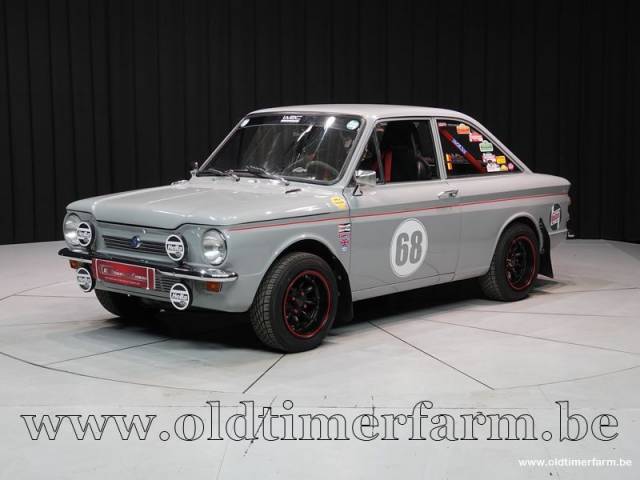
1968 | Sunbeam Imp Californian
1968 Sunbeam Californian '68
Create search alert
Let yourself be notified as soon as a listing is published that matches your search filters.
Create listing
Do you have a Sunbeam Imp that you want to sell? Then create a listing now.
Create listingSunbeam Imp Classic Cars: Prices & Market Values
History of the Sunbeam Imp
The Sunbeam Imp was introduced in 1963 by the Rootes Group as a response to Britain's increasing demand for compact, economical cars. Developed with a focus on innovative technology, it became the first British car to feature an engine block and cylinder head cast entirely in aluminium. This rear-engined, four-seater vehicle marked a technological leap in the mass market, further emphasised by distinctive features such as a transaxle and all-independent suspension. Its launch was accompanied by ambitious publicity campaigns, underlining the manufacturer's belief in this pioneering small car. Production continued until 1976, surviving even as Rootes was absorbed by Chrysler Europe, cementing the Imp's reputation as a forward-thinking British car.
Model history
Initially launched as the Hillman Imp, several variations were marketed under different Rootes brands, including the Sunbeam Imp. Throughout its lifespan, the Imp range expanded to include different trim levels, sportier models, and body variants such as vans and coupes. While it broke away from traditional British car design with its rear-mounted aluminium engine and independent suspension, the model was never directly succeeded, but elements of its engineering influenced later European compact cars. The end of production in 1976 closed an important chapter in British small car history.
Highlights and Unique Features
The Sunbeam Imp is celebrated for its aluminium engine, a significant innovation that reduced weight and improved efficiency. The rear-engine layout, unusual for British cars of the time, provided responsive handling. Compared to other vehicles from Sunbeam, the Imp represents a distinctive chapter, demonstrating the marque’s willingness to innovate and stand out in both engineering and style.
Technical Data
Special Editions and Collectible Models
During its production run, the Imp family included several performance and limited-run variants, especially under the Sunbeam and Singer badges. Notable are the Sunbeam Imp Sport with upgraded carburettors and a tuned engine, and even rarer derivatives intended for competition. Their variations in tuning and trim set them apart from standard Imp models.
Weak Spots and Common Issues
Early Imps were known for teething problems related to engine and cooling system reliability—primarily due to the new aluminium engine technology. With proper maintenance and upgraded parts, many of these issues have been addressed in surviving cars, but attentive regular servicing remains essential.
Engine, Performance, Transmission and Handling
The Imp’s lightweight construction and rear-engine setup result in lively city driving and excellent traction. The small, aluminium-block engine is rev-happy and delivers impressive efficiency for its size, complemented by a precise four-speed gearbox. Its all-independent suspension means the Imp tackles winding roads with surprising poise. The car’s layout inspired several competition versions, further solidifying its reputation for sharp handling. - Sunbeam Imp Sport: Twin carburettors, higher compression ratio, tuned for greater power.
- Standard Sunbeam Imp: 875cc aluminium engine, rear-mounted, economical and light.
Interior, Comfort, Exterior and Design
With compact, angular bodywork and a practical hatchback layout, the Imp maximises interior space relative to its size. The dashboard and controls reflect 1960s British styling, with clear instrumentation and simplistic ergonomics. Optional extras included vinyl interiors, special paint colours, and period-correct accessories such as heated rear windows or upgraded wheels. The Sunbeam variants sometimes carried unique badging and trim details to differentiate them from standard models.
Other Noteworthy Features
The Imp’s engineering legacy lives on in its influence on subsequent small cars, particularly regarding lightweight construction and space-efficient packaging. Owners value the car’s maintainability and the sense of community around the Imp scene.
Summary
The Sunbeam Imp remains a touchstone of British automotive innovation, combining lightweight aluminium engineering with characterful design. It represents the only Sunbeam model with a lasting impact on the classic car scene, dominating both supply and enthusiast interest in its marque.