Sunbeam Alpine classic cars for sale
The Sunbeam Alpine stands for classic British roadster culture: a lightweight two-seater, produced in five distinct series from 1953 to 1968 by the Rootes Group, and later as a coupé until 1975. Its unique design, mechanical innovations and rally successes make it a sought-after choice among enthusiasts of ’50s and ’60s British sports cars.
Search results
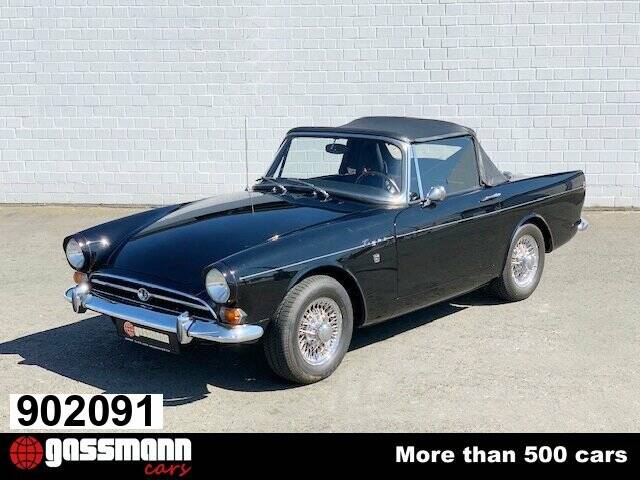
1966 | Sunbeam Alpine 260
Tiger Alpine 260 V8 Sunbeam - MK 1A / Serie 1

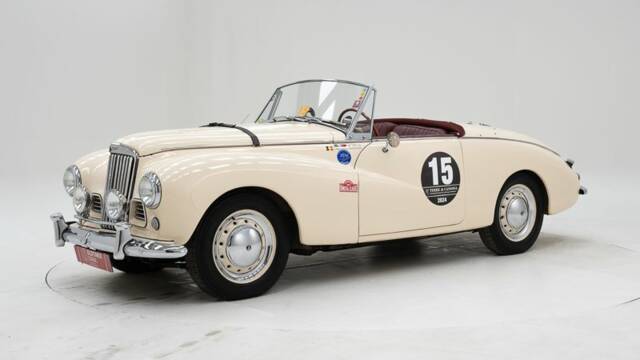
1954 | Sunbeam Alpine Mk I
1954 Sunbeam Alpine Mark I '54

Auctions ending soon

Loading…
Loading…
Loading…
Loading…
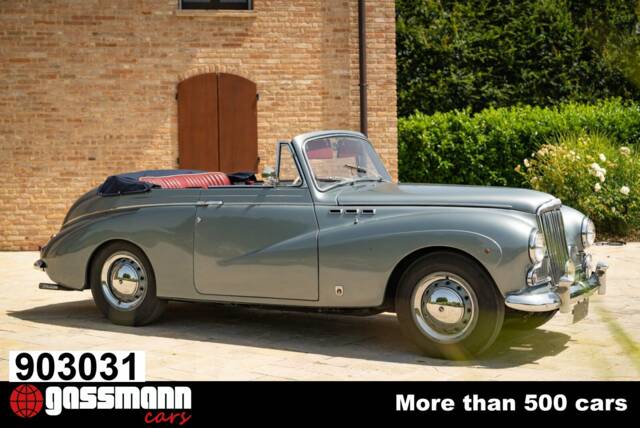
1955 | Sunbeam Alpine Mk IIA/III
Sunbeam Tabolt 90 MK III Cabriolet - RHD
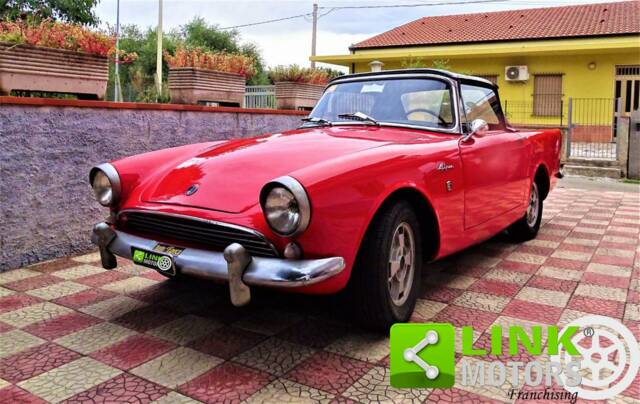
1963 | Sunbeam Alpine Mk II
OTHERS-ANDERE Sunbeam 1.6 Alpine

Newsletter
The best Sunbeam listings, straight to your inbox
Get hand-picked Sunbeam listings, plus the best of cars, motorbikes, and auctions on Classic Trader — all in one place.
Sunbeam Alpine listing references from Classic Trader
Below you will find listings related to your search that are no longer available on Classic Trader. Use this information to gain insight into availability, value trends, and current pricing for a "Sunbeam Alpine" to make a more informed purchasing decision.
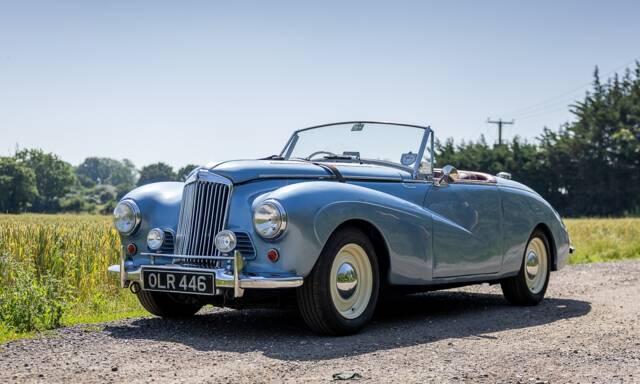
1953 | Sunbeam Alpine Mk I
1953 Sunbeam Alpine Mk. I

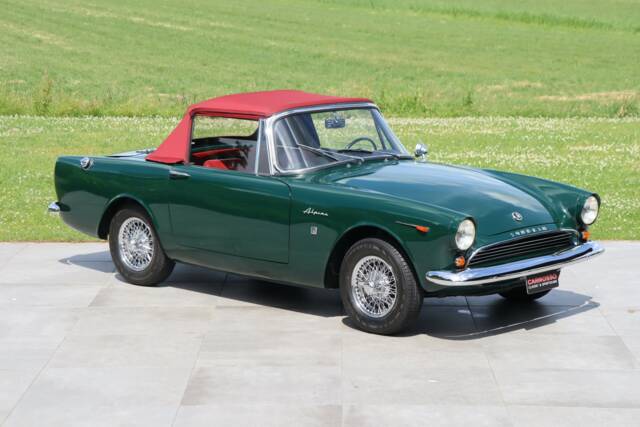
1963 | Sunbeam Alpine Mk IV
Sunbeam Alpine Spider Series III Carrozzeria Touring - Restored

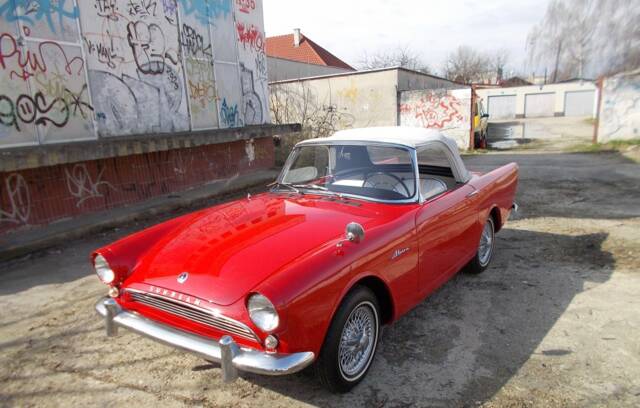
1962 | Sunbeam Alpine Mk II
Sunbeam Alpine 1962
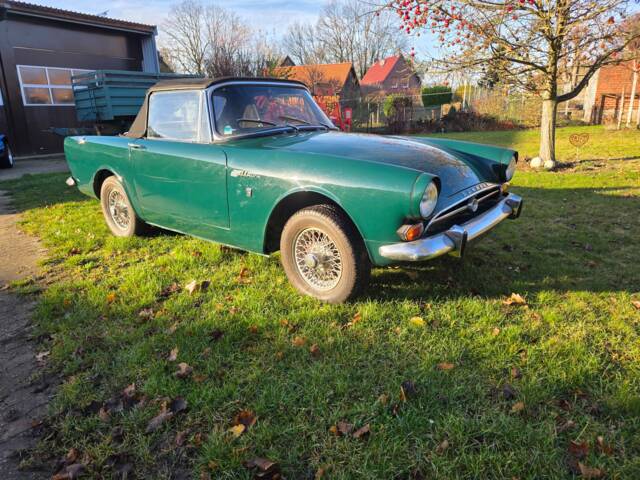
1964 | Sunbeam Alpine Mk IV
Sunbeam Alpine ST Series IV Projektaufgabe
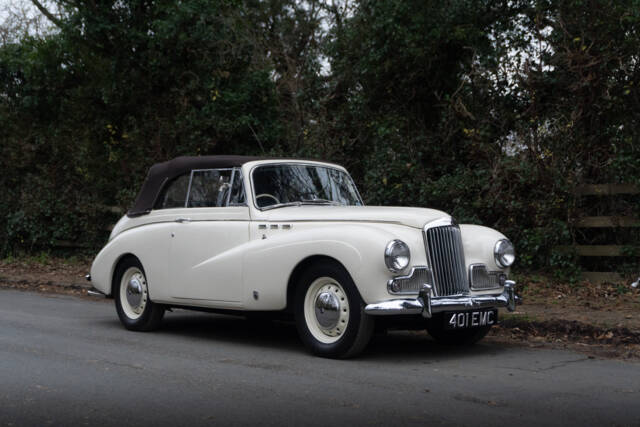
1955 | Sunbeam Alpine Mk IIA/III
1955 Sunbeam MKIII DHC
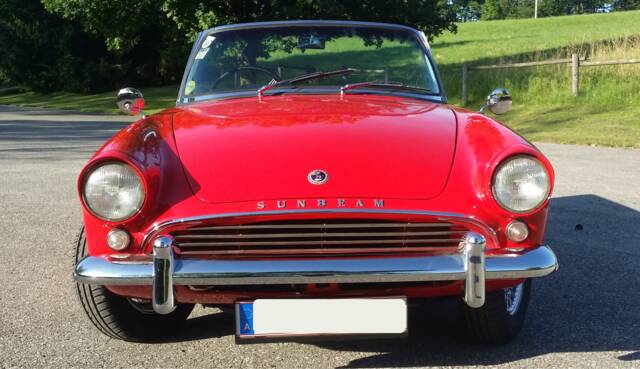
1960 | Sunbeam Alpine Mk I

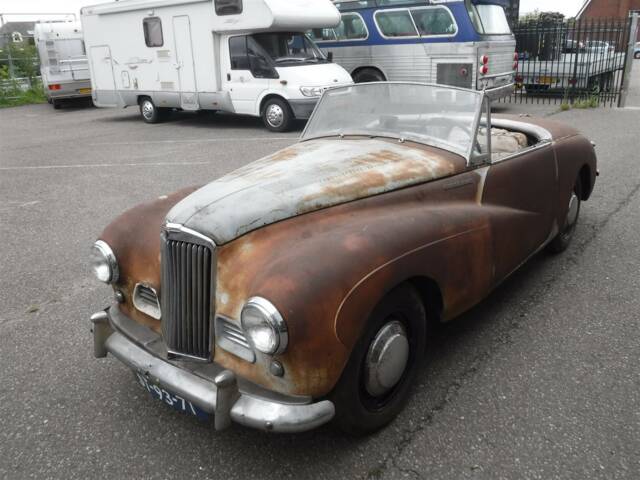
1955 | Sunbeam Alpine Mk IIA/III
Sunbeam-alpine roadster ''55
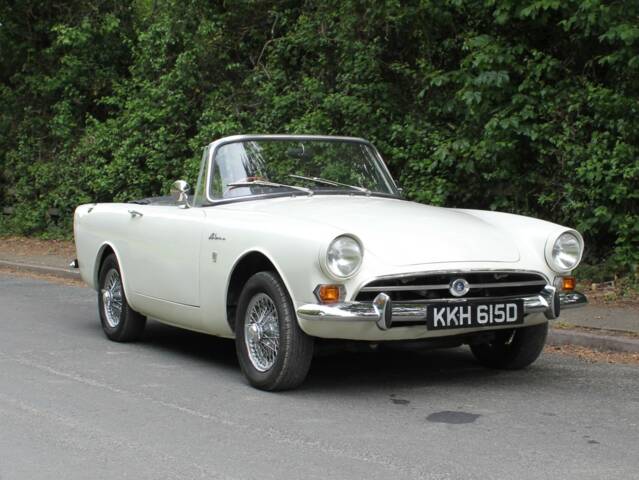
1966 | Sunbeam Alpine Mk V
1966 Sunbeam Alpine MKV 1725
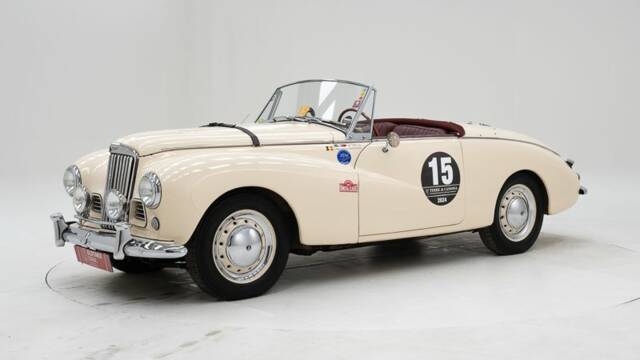
1954 | Sunbeam Alpine Mk I
1954 Sunbeam Alpine Mark I '54
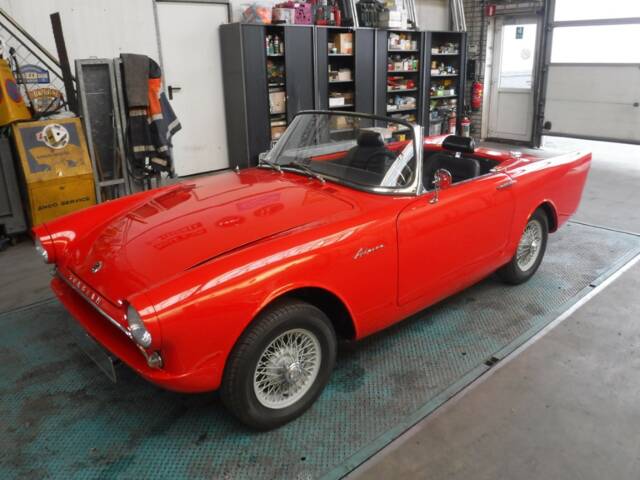
1962 | Sunbeam Alpine Mk II
Sunbeam-Alpine 1962
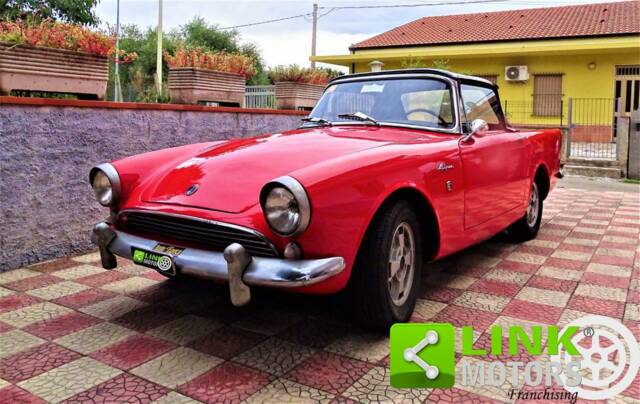
1963 | Sunbeam Alpine Mk II
OTHERS-ANDERE Sunbeam 1.6 Alpine
Sunbeam Alpine Classic Cars: Prices & Market Values
The market value of Sunbeam Alpine classic cars is primarily determined by the specific manufacturer code and variant, as well as technical condition, originality and mileage. Additional factors include rarity, history and documentation. A well-maintained, largely original vehicle with low, verifiable mileage and complete history including appraisals and documentation typically achieves significantly higher prices than a comparable vehicle with deferred maintenance, many modifications or unclear provenance.
Sunbeam Alpine: Market Prices & Value Trends
Based on sales data from the Classic Trader marketplace, Sunbeam Alpine prices across Europe have been broadly stable to slightly firmer over the 2021–2025 period, with most activity centred on the later Series cars. Mainstream four-cylinder models such as the Mk II, Mk III, Mk IV and Mk V (roughly 1962–1967, typically 80–93 hp) commonly sit in a realistic market band of about £12,000 to £25,000, reflecting the spread between usable drivers and sharper, better-presented cars. UK and continental listings cluster in the mid-teens to low-£20,000s, suggesting steady demand for honest, road-ready examples rather than a speculative surge. Earlier Alpines and standout variants can skew the headline numbers: early Mk I cars and rarities sometimes appear well above the core range, and the V8-powered Sunbeam Alpine 260 (1966) is in a different tier altogether, with figures around £60,000–£77,000 in this dataset. For today’s buyers, the market rewards provenance, bodywork quality and documented restoration, while sellers benefit most from clear history and original-spec presentation.
History of the Sunbeam Alpine
The Sunbeam Alpine emerged in 1953 as a direct response to the era’s demand for agile, sporting two-seaters. Built first as the Sunbeam-Talbot Alpine, it drew development inspiration from the Sunbeam-Talbot 90 and found early rallying success in Alpine events, lending its name and reputation. Its body was constructed by Thrupp & Maberly, an arm of the Rootes Group. After a short production run of the first series (just over 2,000 built), the Alpine disappeared until a complete redesign yielded the Series I in 1959. Targeting the US market, designers Kenneth Howes and Jeff Crompton infused American stylistic cues with British engineering. The Alpine then evolved over five series, with production ceasing in 1968. In total, around 70,000 cars were produced before the model was succeeded by the Sunbeam New Rapier.
Model history: Series and Development
The Alpine’s lineage begins with the hand-built Mk I and Mk III models (1953–1955, about 2,250 produced). The later mass-produced second-generation Alpine (1959–1968) comprised five series:
- Series I (1959–1960): 1.5-litre, 78 PS engine, strictly roadster, origins in the Sunbeam Rapier.
- Series II (1960–1963): Upgraded 1.6-litre, 80 PS engine, improved rear suspension, nearly 20,000 built.
- Series III (1963–1964): Introduction of hardtop (GT) models, quarter-light windows, and two boot-located fuel tanks.
- Series IV (1964–1965): Reduced tailfins, single carburettor, optional automatic, synchronised manual gearbox.
- Series V (1965–1968): 1.7-litre, up to 100 PS with twin carburettors, close to 19,000 produced. Features included more robust engine construction and a 5-speed manual option in late examples. Distinctive design and mechanical evolution anchor each Alpine series—culminating in a design that’s unmistakably mid-century British.
Highlights and Unique Features
The Sunbeam Alpine is known for its agile handling, lightweight chassis, and practical innovations such as a concealable soft top, wind-down windows (unusual for early ’60s roadsters), and, in some series, a twin-tank arrangement that optimised luggage space. Export versions were produced in both left- and right-hand drive. The Series V model received particular attention for its uprated engine and late-’60s design elements. In motorsport, the Alpine scored rally victories in events like the Alpine Rally and was driven by renowned figures such as Stirling Moss.
Technical Data
Special editions and rare models
The Alpine Tiger, based on the Series IV but equipped with a Ford V8 engine, was developed for the US market and became a distinct model due to its performance. Extremely rare, it is often mistakenly grouped with Alpines but is separate in classification. Among the regular Alpines, the Series III GT (fixed head only, ca. 5,600 built) and early hand-built Mk I/III models (about 200 surviving globally) hold special interest for collectors, due to their production methods and racing provenance.
Engine, Performance, and Driving Experience
Alpines offer rear-wheel drive dynamics, sprinting ability, and admirable mechanical robustness, appreciated in both rally and touring settings. Depending on series, engines range from 78 PS (Series I) up to 100 PS (Series V, twin carburettors). Notable features include overdrive gearboxes on some models for comfortable cruising, crisp manual transmission action, and generally lightweight handling. Automatics appeared briefly in the Series IV, though were rarely chosen. Suspension geometry evolved for better stability from Series II onwards. Robust drivetrain and effective brakes meant good reliability for long trips as well as daily use. - Series II: 1,592 cc, 80 PS, 19,956 made. Favoured for its balance of power and period-correct features.
- Series V: 1,725 cc, twin carb, up to 100 PS, sought after for performance improvements and late-60s styling.
Design: Exterior, Interior, Equipment
The Alpine signature is its finely contoured bodywork, often highlighted by vivid colours (green, blue, red), ample chrome, finely shaped tailfins (tamed in Series IV), and a unique twin-tank system (Series III+). The interior features either vinyl or leatherette seats, with Jaeger instrumentation and walnut burl dashboards featured in GT and Series V models. Options included wire wheels, detachable hardtops, overdrive gearboxes, and differing headlight/trim arrangements depending on year. Weight-saving elements—such as minimalist exterior handles and limited trim—were standard to emphasise sporting intent. For export, left-hand drive was available directly from the factory and rare today.
Other features and community
Parts supply for Alpines is generally good via marque clubs and specialist traders, with some early-series parts requiring diligence to source. The Sunbeam Alpine Owners Club and several international registers foster a strong community, regular events, and technical knowledge exchange. Publications like 'Stardust' provide further historic and restoration details. Historically, Alpines competed successfully in rallies across the UK and continental Europe, and period-correct rally conversion parts are still traded today.
Summary
The Sunbeam Alpine remains a benchmark for British 1950s–60s roadsters—technically versatile, stylistically bold, historically significant, and, with nearly 100% of Sunbeam listings and views on our platform, dominant in both the classic supply and demand landscape. Each series delivers specific mechanical and visual distinctions, giving buyers plenty of choice for personal taste and intended use. Club support, broad parts supply, and rally heritage further distinguish the Alpine as a truly usable and fascinating classic for the discerning enthusiast.