Subaru BRZ classic cars for sale
The Subaru BRZ is a purist 2+2 sports coupé, engineered through an exceptional partnership with Toyota, and built by Subaru at the Gunma plant. Drivers looking for a true rear-wheel drive experience with a naturally aspirated boxer engine will find the BRZ offers precise handling and a mechanical, analogue feel rare among modern cars.
Search results
Currently, there are no matching listings for your search.
Create search alert
Let yourself be notified as soon as a listing is published that matches your search filters.
Create listing
Do you have a Subaru BRZ that you want to sell? Then create a listing now.
Create listingSubaru BRZ listing references from Classic Trader
Below you will find listings related to your search that are no longer available on Classic Trader. Use this information to gain insight into availability, value trends, and current pricing for a "Subaru BRZ" to make a more informed purchasing decision.
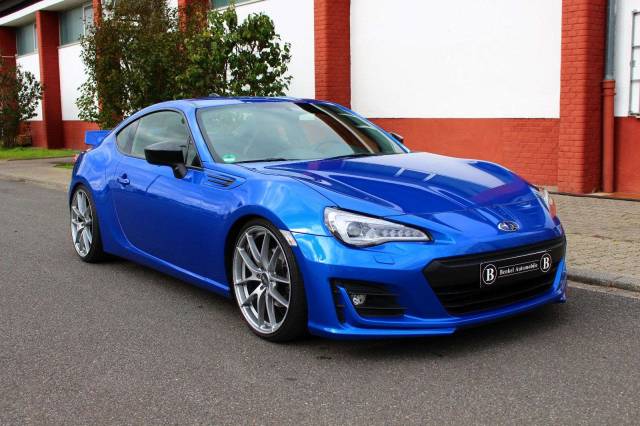
2020 | Subaru BRZ
Subaru BRZ Sport+ OZ ST-Gewinde H&R

Create search alert
Let yourself be notified as soon as a listing is published that matches your search filters.
Create listing
Do you have a Subaru BRZ that you want to sell? Then create a listing now.
Create listingSubaru BRZ Classic Cars: Prices & Market Values
History of the Subaru BRZ
The Subaru BRZ emerged from a collaboration between Subaru and Toyota, aiming to recapture the essence of lightweight, rear-wheel drive sports cars. Launched in 2012, the BRZ was designed to appeal directly to enthusiasts favouring responsive dynamics over raw power. Subaru contributed its flat-four boxer engine, while Toyota focused on the chassis and design. Uniquely, the BRZ is manufactured alongside its sibling, the Toyota 86 (also known as GT86), at Subaru’s Gunma facility in Japan. Together, these models revived the spirit of compact, agile coupés that prioritise driver engagement.
Model Evolution and Milestones
The BRZ entered production in 2012 and has maintained its core philosophy through each generation: light weight, naturally aspirated power, and direct driver feedback. The platform has remained largely consistent, with subtle improvements in rigidity, technology, and safety. The BRZ and Toyota 86 are nearly identical beneath the skin, but the Subaru variant is typically tuned for a slightly sharper throttle response and minor suspension differences. Over time, special editions and incremental upgrades have been introduced, but the fundamental package—a rear-wheel drive, boxer-powered coupé—remains unchanged, as no direct predecessor in Subaru’s lineup existed before this joint venture.
Key Features and Market Facts
Key highlights of the Subaru BRZ are its low-mounted 2.0-litre (and for later models, 2.4-litre) naturally aspirated boxer engine, rear-wheel drive configuration, and a nearly perfect weight distribution. The lightweight chassis and minimal electronic intervention set the BRZ apart, making it a favourite for drivers seeking a ‘back-to-basics’ sports car. Accurate steering and a close-ratio gearbox enhance the connection between car and driver. Cabin design prioritises functionality with a low seating position and clear, easy-to-read instrumentation.
Technical Data
Special Editions and Limited Models
Subaru has periodically released special BRZ editions such as the BRZ tS (Tuned by STI) and the BRZ Series.Blue and Series.Yellow for certain markets. These include upgrades like STI-tuned suspension, improved brakes, exclusive wheels, unique paint finishes, and limited interior detailing. Each special model further hones the BRZ’s sharp driving characteristics and often introduces visual or equipment enhancements that set them apart from the standard version.
Engine, Transmission, and Handling
A naturally aspirated boxer engine sits at the heart of the BRZ, paired with rear-wheel drive and a choice of manual or automatic gearboxes. The engine’s linear power delivery, combined with precise, well-weighted steering and a communicative chassis, rewards skilled driving and cornering. The BRZ’s modest curb weight, rigid body structure, and mechanical limited-slip differential contribute to agile, predictable handling and a distinctly analogue feel absent in contemporary sports cars. Earlier versions with the FA20 2.0-litre engine are popular among purists for their high-revving nature, while later 2.4-litre models offer increased torque and improved driveability but retain the basic ingredients: manual gearbox, rear-wheel drive, and a track-focused chassis setup.
Exterior, Interior, and Design Features
The BRZ’s silhouette is defined by a low bonnet, short overhangs, and a sloping roofline, maximising aerodynamic efficiency and minimising visual mass. Interior design centres the driver with deep, supportive seats and logical, tactile controls. Depending on market and edition, unique colours, contrast stitching, and Alcantara details appear on special editions. Optional extras have included performance tyres, sports exhausts, navigation, and lightweight alloy wheels. The minimalist, focused cabin ensures drivers remain engaged with the road.
Summary
The Subaru BRZ stands as a rare example of a modern sports coupé that prioritises unfiltered driving pleasure. Its partnership with Toyota resulted in a lightweight, rear-wheel drive platform powered by a responsive boxer engine—an appealing proposition for any enthusiast searching for an engaging, collectible classic with contemporary reliability.