Stoewer R 180 classic cars for sale
The Stoewer R 180 stands out as a rare four-door saloon, built without a B-pillar for easier rear entry. Developed in the lineage of Germany’s first front-wheel-drive production cars, the R 180 carries both technical innovation and historical significance. Discover more about this unique classic and its role in automotive history.
Search results
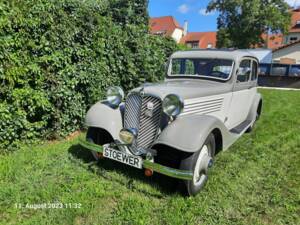
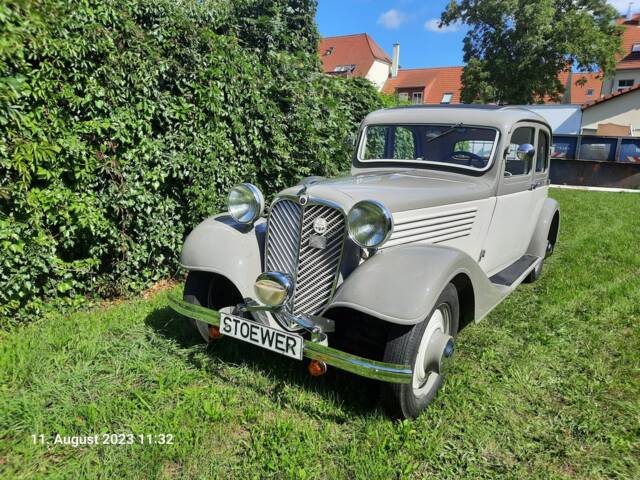
1935 | Stoewer R 180
Limosuine without a B-pillar

Stoewer R 180 Classic Cars: Prices & Market Values
History and Origins of the Stoewer R 180
The Stoewer R 180 emerges from the rich tradition of the Stoewer-Werke, founded in Stettin in 1899 under the guidance of Emil and Bernhard Stoewer. After becoming a public limited company in 1916, Stoewer played an influential role in German automotive engineering. Originally renowned for their large eight-cylinder vehicles until 1933, the company sought higher production numbers, turning to smaller, technologically pioneering models. The R 180 is a direct descendant of the innovative V5—the first mass-produced German car with front-wheel drive and swing axles—which paved the way for the R 140, then R 150, and ultimately the R 180. Production ceased after WWII when the facilities were dismantled, making the R 180 a witness to a crucial era in automotive progression.
Development and Model Series Evolution
The R 180 belongs to a short but impactful model lineage. Originating from the V5 platform—which introduced front-wheel drive and independent suspension to German mass production—the series evolved through incremental updates: first the R 140, followed by the R 150, and finally the R 180. Each model refined the technical concept, with the R 180 marking the series’ pinnacle. There are no known direct successors; the end of production following WWII closed the chapter on Stoewer automobile manufacturing.
Highlights and Market Presence
Distinctive in its era, the Stoewer R 180 offered a four-door configuration without a B-pillar, enabling a unique open entry for passengers—an unusual solution for its time. Built with a focus on technical progress, each vehicle stands as a rare testimony to Stoewer's forward-looking engineering. Because of its advanced design and low production numbers, the R 180 is rarely seen on the market today.
Technical Data for the Stoewer R 180
Special Editions and Collectible Models
There are currently no verified special editions or factory collectible variants of the Stoewer R 180 documented. Each R 180 is, by virtue of its rarity and history, a unique collector’s item in its own right.
Engine and Performance, Transmission and Handling
Engineered from the foundations of Germany’s early front-wheel drive developments, the R 180 delivered a driving experience markedly different from contemporary rear-wheel-drive limousines. Stoewer’s focus on independent suspension and advanced drivetrain layout contributed to improved road handling and comfort, especially for its era. Because the R 180 is the only listed Stoewer model, it stands alone in the brand’s classic car market presence. Its technical lineage from the V5 and unique features set it apart from other German automobiles of the period.
Interior, Comfort, Exterior and Design
Design highlights include the absence of a B-pillar between the front and rear doors, which makes ingress and egress especially comfortable—an innovative approach in the late 1930s. The four-door saloon body was robust yet elegant, reflecting Stoewer’s attention to both practicality and visual harmony. No further special colours, materials, or accessories are currently documented; any surviving R 180 models are typically restored with care to original standards where possible.
Summary of the Stoewer R 180
The Stoewer R 180 is a technical and historical outlier, shaped by the pioneering spirit of its manufacturer. Focusing on both passenger comfort and engineering innovation, it captures a transitional moment in pre-war German automotive design. Today, the R 180’s rarity and direct lineage from some of Germany’s earliest front-wheel drive vehicles secure its distinctive place in classic car history.