Stoewer 8 Classic Cars for Sale
The Stoewer 8 stands as a hallmark of solid German automotive engineering from the 1920s, famed for its rare eight-cylinder models and built in limited numbers. Discover why these vehicles from the small Stettin factory are among the most sought-after classics from their era.
Search results
Currently, there are no matching listings for your search.
Create search alert
Let yourself be notified as soon as a listing is published that matches your search filters.
Create listing
Do you have a Stoewer 8 that you want to sell? Then create a listing now.
Create listingStoewer 8 listing references from Classic Trader
Below you will find listings related to your search that are no longer available on Classic Trader. Use this information to gain insight into availability, value trends, and current pricing for a "Stoewer 8" to make a more informed purchasing decision.
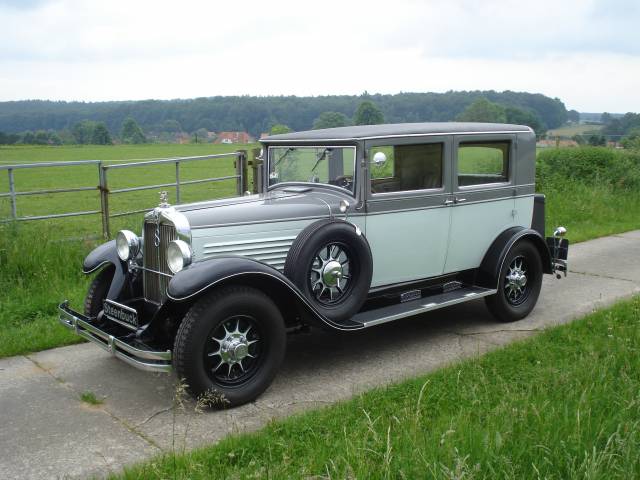
1928 | Stoewer Typ S10 10/50 PS Superior
Letztes fahrfähiges Exemplar seiner Art!
Create search alert
Let yourself be notified as soon as a listing is published that matches your search filters.
Create listing
Do you have a Stoewer 8 that you want to sell? Then create a listing now.
Create listingStoewer 8 Classic Cars: Prices & Market Values
History of the Stoewer 8
Stoewer-Werke, based in Stettin, began automobile production as early as 1899 and built a reputation for crafting reliable and robust vehicles. By 1918, the company had sold over 10,000 cars and commercial vehicles, establishing its presence in the German automotive landscape. Through the economic challenges of the 1920s and 1930s, Bernhard Stoewer steered the brand towards producing exclusive vehicles. The introduction of small eight-cylinder models, notably the S 10 and G 15, marked a decisive chapter—positioning Stoewer within the upper echelons of automotive manufacturing. These vehicles, sometimes called the "Rolls-Royce of Pomerania," became synonymous with luxury, quality, and engineering finesse during their brief production run.
Model History of the Stoewer 8
The Stoewer 8 series emerged as a response to the need for unique, high-end vehicles from a comparatively small manufacturer. With only 790 examples produced in the 1920s, these models highlight a short but impactful period in Stoewer's model development. Predecessors were more conventional four- and six-cylinder vehicles. The eight-cylinder configuration set the S 10 and G 15 apart, and no direct successor in the Stoewer line achieved similar prestige. This exclusivity makes surviving Stoewer 8 models a rare sight at classic car events today.
Highlights of the Stoewer 8
Standout features of the Stoewer 8 include the advanced eight-cylinder engine for its time and a build quality that earned it the moniker "Rolls-Royce of Pomerania." The small production run of just 790 vehicles underlines its exclusivity and collectible status. The craftsmanship, understated elegance, and robust reputation contributed to the vehicle's high regard among connoisseurs.
Technical Data
Special Editions and Collectible Models
Every Stoewer 8, by virtue of low total production and historical context, qualifies as collectible. The S 10 and G 15 models stand out as the select examples of Stoewer’s eight-cylinder ambition. Limited production numbers and the vehicles’ strong reputation for quality ensure their position as notable collectibles.
Weak Spots and Common Issues
As no specific weaknesses or recurring technical issues are recorded in the available data, the Stoewer 8’s reputation for solid engineering persists. However, due to the age and rarity of these cars, sourcing parts or undertaking restoration requires patience and an expert touch. Potential owners should expect maintenance to demand specialist skills and commitment.
Engine and Performance, Transmission and Handling
The Stoewer 8 models were built with small-displacement eight-cylinder engines that delivered an impressively smooth power delivery for the period. Their configuration offered a refined driving experience, and the chassis design was matched for comfort over long distances. Period reports and enthusiasts note the vehicles’ robust torque characteristics and well-balanced handling for their class. Notably, the S 10 and G 15 models are the most sought-after Stoewer 8s, celebrated for both their historical value and advanced (for the time) engineering.
Interior, Comfort, Exterior and Design
Stylistically, the Stoewer 8 was an understated but elegant machine. The exterior design reflected contemporary tastes, blending luxury without ostentation. Interiors typically featured high-quality materials and tailored workmanship. Depending on the configuration, buyers could specify unique upholstery, trim elements, and exclusive features—commendable for a marque of its size in the 1920s.
Other relevant features
The Stoewer 8’s greatest distinction lies in combining technical sophistication with build exclusivity during a turbulent economic era. Its nickname, the "Rolls-Royce of Pomerania," is testament to its aspirational appeal and continued fascination for classic car enthusiasts.
Summary
Built in the 1920s in limited numbers, the Stoewer 8 epitomises the ambition and craftsmanship of the Stoewer-Werke during its prime. Prestigious, robust, and exceedingly rare, these vehicles are an enduring symbol of German automotive ingenuity. Their engineering and historic scarcity make any surviving example a focal point of serious collector interest.