Standard Vanguard classic cars for sale
The Standard Vanguard holds a distinct place in British automotive history. Produced from 1947 to 1963 by the Standard Motor Company in Coventry, England, it marked the brand’s post-war revival and introduced innovative design and engineering ideas for its era. The Vanguard is notable for being the main representative of Standard’s production in this time frame, combining a robust build with clear British character.
Search results
Currently, there are no matching listings for your search.
Create search alert
Let yourself be notified as soon as a listing is published that matches your search filters.
Create listing
Do you have a Standard Vanguard that you want to sell? Then create a listing now.
Create listingStandard Vanguard listing references from Classic Trader
Below you will find listings related to your search that are no longer available on Classic Trader. Use this information to gain insight into availability, value trends, and current pricing for a "Standard Vanguard" to make a more informed purchasing decision.
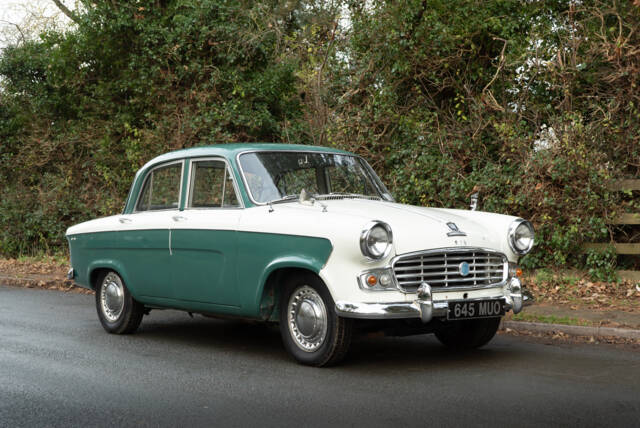
1962 | Standard Vanguard Luxury Six
1962 Standard Vanguard Vignale Luxury

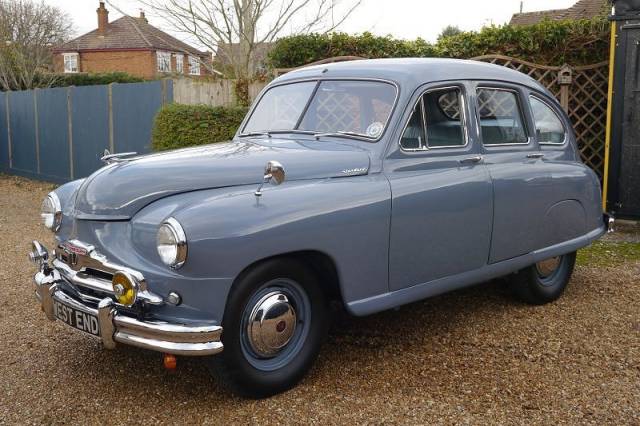
1952 | Standard Vanguard Phase I
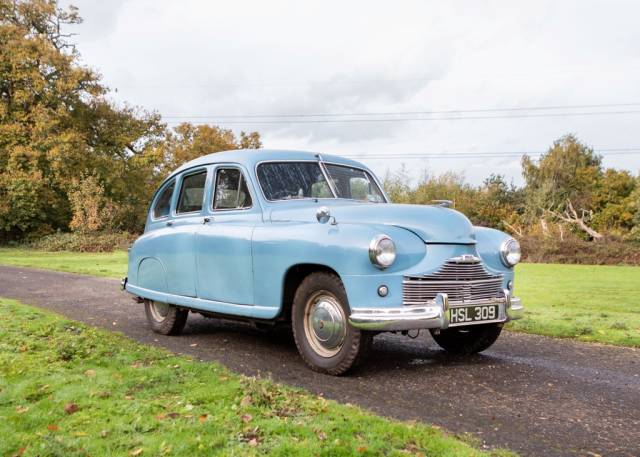
1951 | Standard Vanguard Phase I
Standard Vanguard
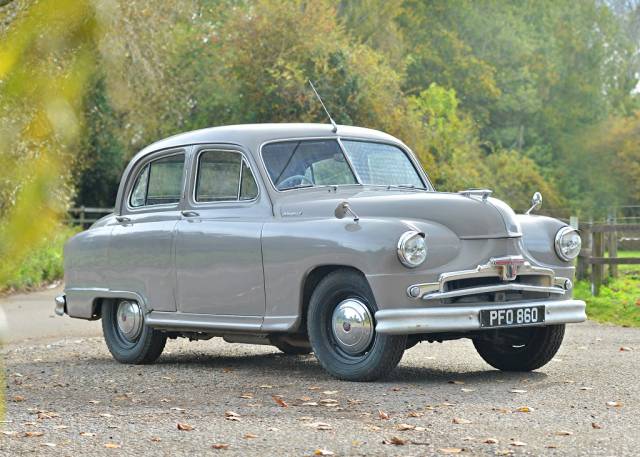
1954 | Standard Vanguard Phase II
Standard Vanguard Phase II Saloon
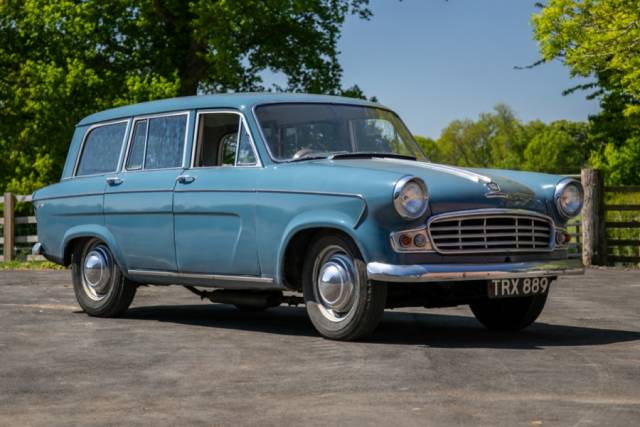
1959 | Standard Vanguard Vignale
Online live auction – 23rd May 2020. Estimate: no reserve
Create search alert
Let yourself be notified as soon as a listing is published that matches your search filters.
Create listing
Do you have a Standard Vanguard that you want to sell? Then create a listing now.
Create listingStandard Vanguard Classic Cars: Prices & Market Values
History of the Standard Vanguard
The Standard Vanguard was launched in 1947, right after World War II, during a period of reconstruction for the British automotive industry. Designed as an entirely new model, the Vanguard departed from pre-war designs with its American-inspired, streamlined ponton body. It was named after the HMS Vanguard, the last British battleship, symbolising strength and modernity. The vehicle became a cornerstone for Standard, representing a new direction and catering to both domestic and export markets. Its production in Coventry played a key role in post-war British industry, and the Vanguard became well-known as a reliable family and fleet car.
Model History
The Vanguard replaced Standard’s pre-war models with an entirely new mechanical and stylistic platform. Across successive series—from the original Phase I to later updates—each model brought refinements in styling and technology, culminating in the introduction of more modern features in later years. The Vanguard series set the foundation for later models and successors within the Standard line-up until production ceased in 1963.
Highlights and Unique Features
The Standard Vanguard stands out for its modern-for-the-era body design and solid engineering. Its introduction marked one of the first British cars to adopt a full-width ponton body after the war. The Vanguard served a variety of roles, from family saloons to use as taxis and police vehicles, demonstrating its versatility. Its export success and adaptability for overseas markets reinforced its significance.
Based on our listing statistics, the Vanguard accounts for 100% of Standard vehicles listed and viewed on Classic Trader, indicating that all supply and demand within the Standard marque currently centres on the Vanguard model series.
Technical Data
Special Editions and Collectible Models
Throughout its production, the Vanguard was developed into several noteworthy variants, including estate (station wagon) models and light commercial versions. Certain limited editions or export versions may be especially sought after due to unique trim or mechanical adaptations for specific markets. However, the core of collectibility for many enthusiasts centres on well-preserved original examples.
Weak Spots and Common Issues
There is currently no detailed data available regarding typical weak spots for the Standard Vanguard. As with many British classics of the era, attention should be paid to general mechanical wear, rust in structural places, and the condition of original interior and exterior trim.
Engine and Performance, Transmission and Handling
Early Vanguards were fitted with a reliable 2.1-litre four-cylinder engine, known for its torque rather than outright speed. Handling reflects the robust but comfortable ride priorities of the late 1940s and 1950s British saloon market. Manual gearboxes were typical, with later models benefiting from some improved components to increase driving refinement and ease of maintenance. Popular models include the original Vanguard Phase I, appreciated for its historical role as Standard’s postwar flagship, and later Phases that offered incremental updates to comfort and performance.
Interior, Comfort, Exterior and Design
The Vanguard broke with pre-war British traditions, featuring smooth ponton lines and an understated, functional cabin. Interior materials focused on durability with modest comfort elements. The wide body allowed for spacious seating compared to earlier standards. While not outfitted with extravagant trim, the Vanguard’s straightforward design made it a practical choice in its era. Some estate versions and export models included unique finishes and accessory options, although most were utilitarian in nature.
Other Features
The Vanguard’s versatility enabled it to serve as the basis for estate and light commercial vehicles, further extending its utility in both domestic and overseas markets. Its production illustrates British industry’s adaptation to the post-war economy, prioritising efficiency and resilience.
Summary
The Standard Vanguard symbolises the post-war renewal of the British automotive industry. Its robust engineering, modern-for-its-time looks, and adaptability make it the centrepiece of the Standard brand and a noteworthy option for classic car enthusiasts seeking a slice of mid-century British motoring history.