SIMCA 1501 classic cars for sale
The SIMCA 1501 is a rare presence among French saloon and estate cars of the late 1960s and early 1970s. Notably found in distinctive configurations like the Kombi with the powerful 342 S engine, the model boasts unique features and equipment options that set it apart from its contemporaries.
Resultados de la búsqueda
Actualmente no hay anuncios que coincidan con su búsqueda.
Create search alert
Let yourself be notified as soon as a listing is published that matches your search filters.
Create listing
Do you have a SIMCA 1501 that you want to sell? Then create a listing now.
Create listingSIMCA 1501 listing references from Classic Trader
Below you will find listings related to your search that are no longer available on Classic Trader. Use this information to gain insight into availability, value trends, and current pricing for a "SIMCA 1501" to make a more informed purchasing decision.
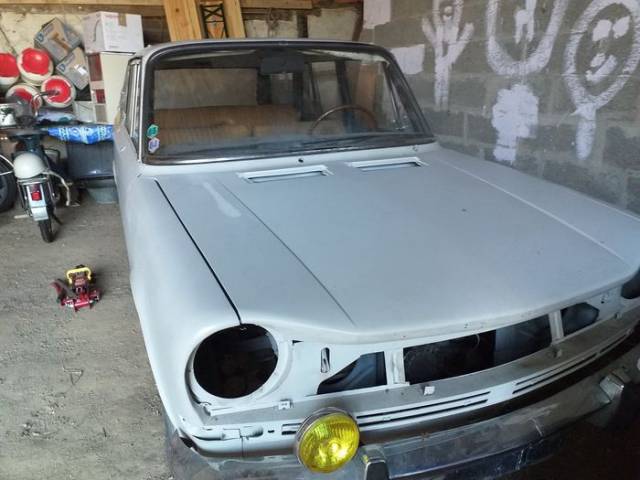
1969 | SIMCA 1501 Break
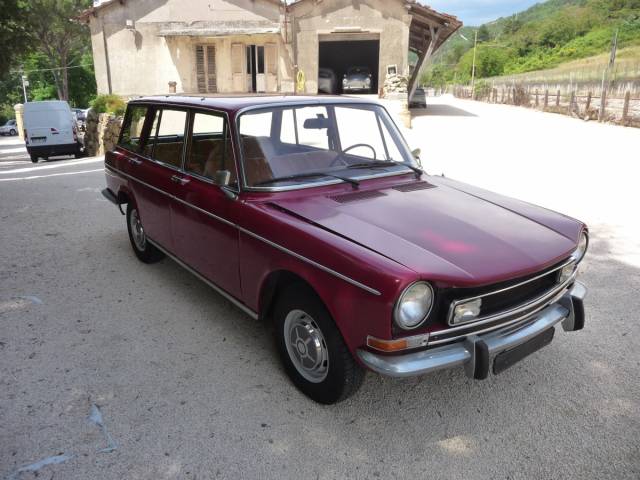
1975 | SIMCA 1501 Break
AUTO DA RESTAURARE PARZIALMENTE
Create search alert
Let yourself be notified as soon as a listing is published that matches your search filters.
Create listing
Do you have a SIMCA 1501 that you want to sell? Then create a listing now.
Create listingSIMCA 1501 Classic Cars: Prices & Market Values
Introduction and history of SIMCA 1501
The SIMCA 1501 emerged in the late 1960s as part of a generation of French mid-size cars, designed to offer a balance between comfort, practicality, and engineering finesse. Positioned between the more compact SIMCA 1100 and the larger SIMCA 1301, the 1501 was tailored to families and professionals seeking a robust and spacious vehicle. Its development reflected the post-war ambition to provide a car suitable for both city and rural driving, with an eye on export markets. Over its production run, the 1501 distinguished itself with various body variants and mechanical improvements, culminating in its reputation for durability and straightforward mechanics.
Model history
The 1501 served as a direct evolution of the SIMCA 1301, maintaining the platform but upgrading performance and offering expanded features. While its design roots and architectural heritage lay within the SIMCA 1300/1500 line, the 1501 introduced revised styling details and a range of engine options. It also set the stage for further SIMCA development, eventually leading to successors under Chrysler Europe and Talbot branding. Notably, some limited-production configurations like certain engine types or interior trims were only available for a single model year.
Highlights of SIMCA 1501
Among SIMCA enthusiasts and knowledgeable collectors, the 1501 is admired for its practical estate (Kombi) variant, which combined everyday usability with the flexibility of a French station wagon. Certain powertrains—like the rare 342 S engine—were available for an exceptionally brief production window, making surviving examples highly sought-after by model connoisseurs. Factory options included distinctive body colours such as Velasquez Green, and the cabin could be equipped with beige upholstery as a rare extra.
In supply statistics, while overall numbers of 1501 listings remain low compared to other SIMCA models, these special versions represent a smaller share, further underlining their exclusivity.
Technical data
Special Editions and Collectible Models
Notably, the SIMCA 1501 estate equipped with the 342 S engine represents a true limited-production version, as this powertrain configuration was limited to a single model year. Such specifics mark out these cars as especially valued within the SIMCA community, with original colours like Velasquez Green or unique beige interiors further distinguishing these collectible examples.
Weak Spots and Common Issues
No specific weak spots or common issues have been widely documented in the available material. Nonetheless, as with any vehicle produced over 40 years ago, general attention should be paid to rust in the bodywork and aging components particular to the model's mechanical setup. Checking for authenticity in rare engine and trim configurations is essential for prospective buyers.
Engine and Performance, Transmission and Handling
The SIMCA 1501 stood out for its lively engines, particularly in the Kombi variant fitted with the 342 S unit, delivering more power and torque compared to the standard ranges. The car paired rear-wheel-drive dynamics with smooth-shifting manual transmissions. Estate models balanced solid load capacity with responsive road manners for the era, thanks to a robust chassis and torque-friendly engines. Enthusiasts today are especially drawn to drivetrains that were only available in limited production years, given their distinct mechanical character. The Kombi (estate) with the 342 S engine is highlighted for its performance and rarity. Distinctive features of this model year setting it apart include its non-catalysed engine and rare interior/exterior combinations.
Interior, Comfort, Exterior and design
The SIMCA 1501 was designed with practical French comfort in mind. Inside, the option of beige upholstery offered a unique period touch, complementing the understated French dashboard layout and clear instrumentation. Externally, special paint finishes like Velasquez Green signaled a careful attention to design detail for models produced in a specific trim year. The estate body type maximised utility without compromising on mid-century French styling cues, including robust chrome elements and expansive glass areas. Original accessories and period-correct Sonderausstattungen further increase the appeal for purist collectors.
Other relevant features
For dedicated collectors, verifying the provenance of colour and interior specifications is recommended, as certain configurations like Velasquez Green with beige interior are especially prized and were only available in tightly defined production windows.
Summary
The SIMCA 1501, particularly in rare configurations like the Kombi estate with the 342 S engine, stands out for its blend of French practical engineering, unique market versions, and carefully selected period options. Scarcity of listings, paired with focused interest from knowledgeable collectors, underpins the model's lasting attraction in the classic car scene.