SEAT Marbella classic cars for sale
The SEAT Marbella is a compact city car produced in Spain, offering simple yet practical engineering and an unmistakable connection to the Fiat Panda in design and technology. This model is known for its straightforward interior, lightweight build, and affordable entry into classic motoring—a suitable option especially for urban environments and budget-conscious enthusiasts.
Search results
Currently, there are no matching listings for your search.
Create search alert
Let yourself be notified as soon as a listing is published that matches your search filters.
Create listing
Do you have a SEAT Marbella that you want to sell? Then create a listing now.
Create listingSEAT Marbella listing references from Classic Trader
Below you will find listings related to your search that are no longer available on Classic Trader. Use this information to gain insight into availability, value trends, and current pricing for a "SEAT Marbella" to make a more informed purchasing decision.
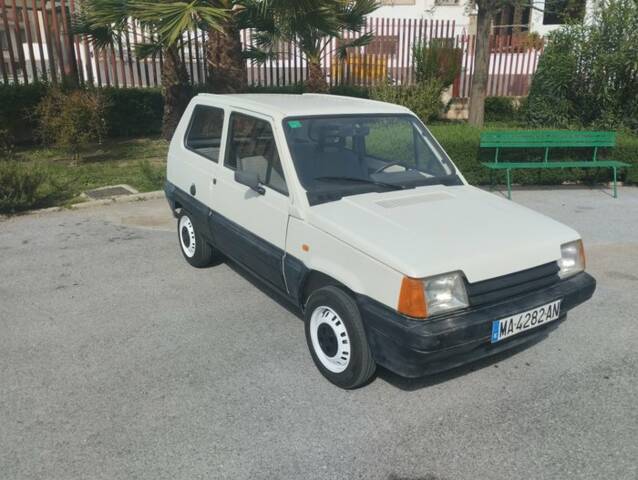
1989 | SEAT Marbella
Seat - Marbella - 1989
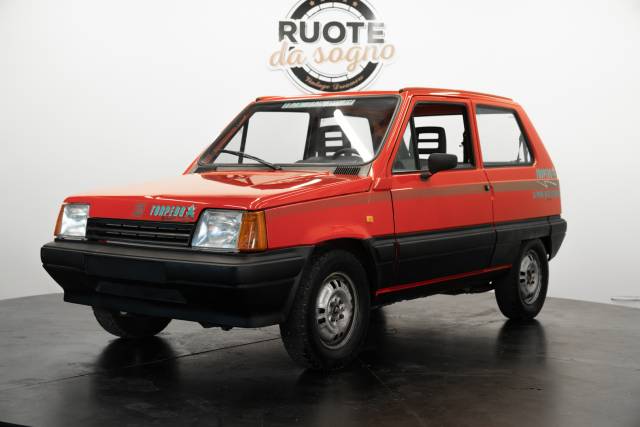
1990 | SEAT Marbella Torpedo
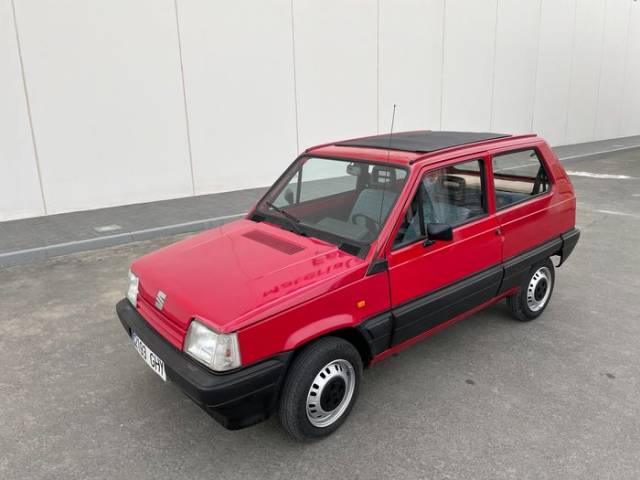
1996 | SEAT Marbella
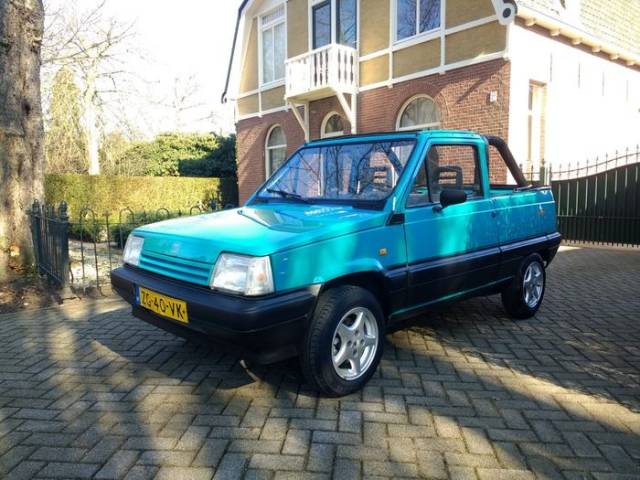
1991 | SEAT Marbella
Create search alert
Let yourself be notified as soon as a listing is published that matches your search filters.
Create listing
Do you have a SEAT Marbella that you want to sell? Then create a listing now.
Create listingSEAT Marbella Classic Cars: Prices & Market Values
Introduction and history of SEAT Marbella
The SEAT Marbella's roots trace directly to a collaboration between the Spanish manufacturer SEAT and Fiat, with the Marbella essentially being a Spanish-built continuation of the original Fiat Panda. Manufactured at facilities in Pamplona and Barcelona from the early 1980s, the Marbella initially appeared as a badge-engineered Fiat Panda. Following SEAT's separation from Fiat, the model was visually and technically refined, leading to the unique Marbella designation. This car captured the spirit of practical Spanish city transport during a time of significant transition for SEAT, combining Italian mechanical underpinnings with subtle Spanish refinements.
Model history
Launched in 1980, the Marbella began its life in the shadow of the Fiat Panda before gaining individuality after the mid-1980s breakup with Fiat. In 1983, SEAT introduced a mild restyling, changing its grille and minor design details, which set it apart visually from the Fiat. The Marbella stayed in production throughout the 1980s and into the 1990s. Its role as an affordable city car with basic equipment lasted until newer, more modern SEAT models took over. The Panda lineage is clear, but the Marbella stood on its own, especially in Spain where it became a familiar sight on urban roads.
Highlights of SEAT Marbella
A notable aspect of the Marbella is its link to the Fiat Panda, enabling strong parts availability and affordable maintenance. The model's compact size, three-door hatchback layout, and impressively low kerb weight make it nimble for narrow city streets. Variants offered included radio preparation and, in some instances, aftermarket parking sensors. The car's simple interior, front-wheel drive, and manual gearbox make it a pure, unembellished urban runabout.
Technical data
Special Editions and Collectible Models
No widely documented limited editions or special collectible variants of the Marbella exist—most models are known for their utilitarian configuration and straightforward specification. However, some market-specific series or particularly well-preserved examples may attract attention from enthusiasts and collectors focusing on simple city cars from the 1980s and 1990s.
Weak Spots and Common Issues
There are no significant model-specific weaknesses documented for the SEAT Marbella based on current information, but as with any aging city car, buyers should pay attention to the usual wear on suspension components, potential rust in southern European climates, and the condition of the manual transmission. The mechanical similarity to the Fiat Panda means that parts are readily accessible, and repair costs remain low.
Engine and Performance, Transmission and Handling
The Marbella's performance focuses on urban usability rather than speed or comfort. Its small petrol engine offers adequate power for city use, while the manual gearbox ensures direct driving involvement. The low weight and compact dimensions translate to agile handling in tight city spaces. The straightforward suspension setup is durable but prioritises simplicity over ride quality. Brakes and steering are equally straightforward, delivering dependable functionality without unnecessary complexity. Popular Marbella variants include those built in the 1990s, notably 1991 and 1996 production years, valued for their improved reliability and incremental specification upgrades compared to earlier versions.
Interior, Comfort, Exterior and design
The Marbella maintains a minimalist and functional design, staying true to its Panda heritage. The three-door body is practical, featuring simple lines and compact proportions characteristic of 1980s and 1990s city cars. The interior is straightforward, prioritising function over luxury—with durable fabrics, basic instruments, and minimal electronic features. Some models may come with radio preparation or basic after-factory accessories like parking sensors. Colour choices and trim levels were generally spartan, in keeping with the car's no-nonsense philosophy. Customisation was limited, but this simplicity is part of the Marbella's honest charm.
Other relevant features
Due to its light weight and mechanical layout, the Marbella is inexpensive to operate and maintain, and insurance costs tend to be low. Its practical dimensions make it suitable as a city car or as an entry point for classic car ownership. The interchangeability of many components with Fiat Panda models reduces upkeep hassle, appealing to first-time classic enthusiasts or as a secondary car for everyday errands.
Summary
The SEAT Marbella stands as a Spanish answer to the Fiat Panda—offering urban practicality, easy maintenance, and affordable entry into classic car ownership. Its straightforward design, connection to Panda technology, and dominance among SEAT classic cars combine to define its place in both Spanish and European automotive history. For anyone seeking a practical, budget-conscious, and distinctly Spanish classic, the Marbella is a compelling choice.