SEAT 1500 classic cars for sale
The SEAT 1500 stands out as a Spanish classic, offered as a saloon and rare estate, known for its spacious six-person interior, rear-wheel drive, and robust mechanicals borrowed from both Fiat and Barreiros. Its comfortable ride and original features, including some with disc brakes on all wheels, make it a unique piece of automotive history. Explore our listings to find your own preserved example of this distinctive model.
Search results
Currently, there are no matching listings for your search.
Create search alert
Let yourself be notified as soon as a listing is published that matches your search filters.
Create listing
Do you have a SEAT 1500 that you want to sell? Then create a listing now.
Create listingSEAT 1500 listing references from Classic Trader
Below you will find listings related to your search that are no longer available on Classic Trader. Use this information to gain insight into availability, value trends, and current pricing for a "SEAT 1500" to make a more informed purchasing decision.
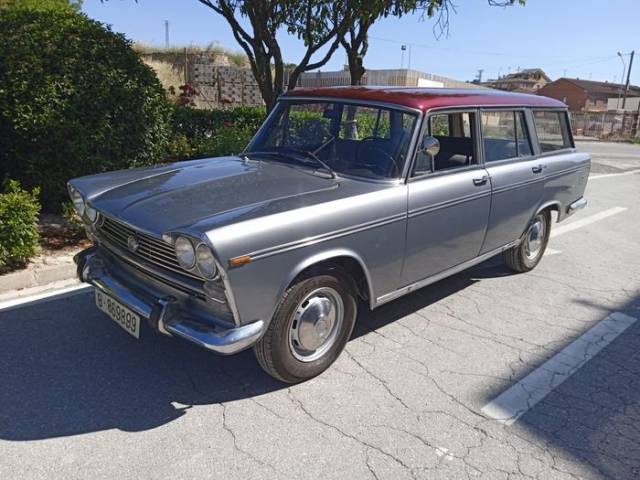
1971 | SEAT 1500
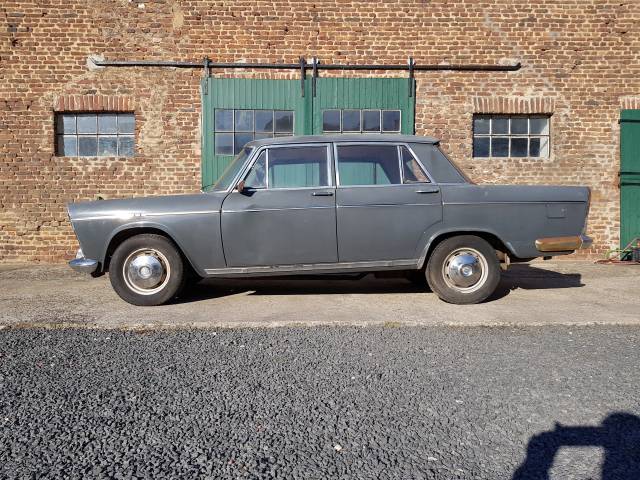
1965 | SEAT 1500
Seat 1500 D 2000 Diesel Fiat
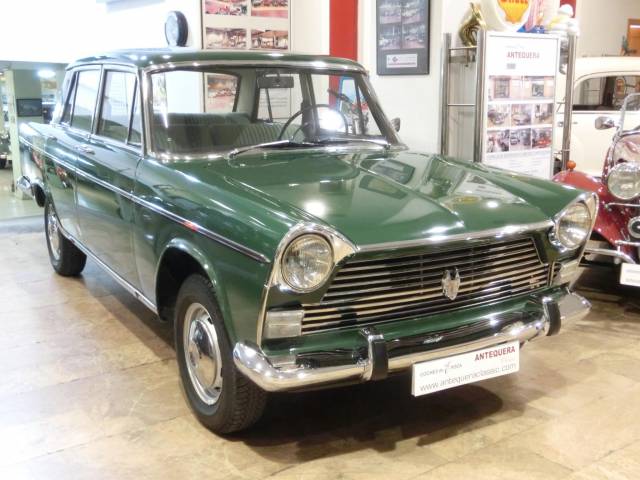
1968 | SEAT 1500
1500 MONOFARO
Create search alert
Let yourself be notified as soon as a listing is published that matches your search filters.
Create listing
Do you have a SEAT 1500 that you want to sell? Then create a listing now.
Create listingSEAT 1500 Classic Cars: Prices & Market Values
History of the SEAT 1500
Launched in 1963 as the successor to the SEAT 1400 C, the SEAT 1500 was manufactured until 1973. It was based on the Italian Fiat 2300, but employed the reliable 1481 cc engine from the Fiat 1500, making it accessible yet robust for Spanish roads. In 1965, the model family was expanded with the introduction of the estate (Familiar) version. The SEAT 1500 quickly found favour as a practical car for families or as a taxi, with its six-seat configuration and roomy interior. Later on, diesel-powered versions with the Barreiros C24 engine offered better fuel economy, particularly suitable for commercial users. Notable for the era were four-wheel disc brakes on certain variants and the option of a longer wheelbase (allungata), especially valued in taxi service. With minor visual changes over its production run, the car retained its classic, understated saloon silhouette.
Model Progression and Variants
The SEAT 1500 replaced the SEAT 1400 C and continued the tradition of solid, reliable motoring for Spanish buyers. Main variants included the standard saloon, the extended wheelbase 'allungata' version, and the rarely-seen estate (Familiar) with folding rear seats. Engines ranged from the petrol 1.5-litre four-cylinder—shared with the Fiat 1500—to later diesel Barreiros C24 options, meeting the needs of both private owners and commercial operators. Production ended in the early 1970s as the SEAT 132 took over the mantle.
Highlights and Distinctive Features
The SEAT 1500’s appeal lies in its practical six-seat design, large boot, and exceptionally comfortable ride—often featuring original period upholstery and, in some cases, Alcantara or era-correct fabrics. The rear-wheel-drive layout and large engine bay made the car relatively easy to maintain. Some saloons and estates are noted for their original roof vinyl—an unmistakeable period detail. Later cars with all-round disc brakes offered advanced stopping power for their class. The robust and rare estate version is highly sought after due to its low survival rate. Many SEAT 1500 cars have been preserved with unique features like original bench seat coverings.
Technical Data of the SEAT 1500
Special Editions and Rare Models
A select number of SEAT 1500s were delivered as 'allungata', or extended wheelbase, which offered even greater interior space—these are especially rare today. The 'Familiar' estate version is among the least commonly seen SEATs from any decade, with only a handful of survivors. Some variants may feature factory options such as special upholstery or vinyl roofs, marking them as particularly desirable amongst enthusiasts.
Maintenance and Known Weaknesses
Potential buyers should look out for rust-prone areas, especially the wheel arches, underbody, and underside of the tailgate. The bodywork, typically vulnerable to corrosion, demands regular inspection and restoration. Interior fabrics and original seat coverings can be difficult to source if replacements are required. Mechanical parts—especially from Barreiros diesel models—may be rare, and sourcing original trim and body components can present challenges. Regular underbody cleaning and preservation are highly recommended to maintain value.
Engine Performance, Transmission, and Road Manners
The SEAT 1500 is powered by either a 1.5-litre petrol four-cylinder or a diesel Barreiros C24, with manual transmission options providing a direct, classic drive. The model delivers rear-wheel drive handling, with predictable steering and a comfortable suspension setup. All-round disc brakes in select models offered excellent braking performance for its period, making the car safe and confident in daily use. The car retains a reputation for solid cruising, especially in longer wheelbase versions, while retaining an ease of maintenance loved by classic car technicians. - SEAT 1500 Familiar: Especially valued for its versatility and rarity.
- SEAT 1500 Allungata: Extended wheelbase models are prized by collectors for their unique body style and taxi history.
- Diesel Barreiros C24 Variant: Recognised for fuel economy, especially in commercial or high-mileage use.
Interior, Comfort, and Design Details
The SEAT 1500 features a spacious, uncluttered interior with seating for six. Original upholstery, including period Alcantara and fabric patterns, creates an authentic classic experience. Some cars retain their original bench seat covers and folding rear benches. Externally, notable details include available roof vinyl, chrome trim, and the signature large boot—a boon for long trips or family outings. Wheel and hubcap designs offer subtle but distinct identity, while dashboard layouts are simple but functional. Accessories from the period, such as vintage radios and sunshades, can sometimes be found on well-preserved examples. The estate’s unique lines and practicality set it apart in the SEAT range.
Further Noteworthy Details
SEAT 1500s were often used as taxis across Spain, and vehicles with commercial histories sometimes show unique period modifications. The rare cost of spare parts can influence restoration, making originality in trims and mechanicals especially valued. Some original cars feature period accessories, such as specific wheel trims, sun-visors, or roof racks from the 1960s and 1970s.
Summary of the SEAT 1500
Spanning a decade of Spanish motoring from 1963 to 1973, the SEAT 1500 remains a symbol of robust engineering, family-friendly practicality, and authentic 1960s-1970s design. With spacious interiors, multiple body styles, and select technical advancements for its time, surviving examples are well suited to enthusiasts seeking a true classic from Spain’s automotive history.