Santana 88 Classic Cars for Sale
The Santana 88 is an off-road vehicle based on the Land Rover Series III platform, renowned for its robust engineering, selectable four-wheel drive, and practical versatility. Manufactured in Spain under licence, this model appeals to collectors and enthusiasts seeking an authentic, utilitarian classic 4x4. Explore a diverse range of configurations, from hardtops to soft-tops, and discover the mechanical simplicity that defines the Santana 88.
Search results
Currently, there are no matching listings for your search.
Create search alert
Let yourself be notified as soon as a listing is published that matches your search filters.
Create listing
Do you have a Santana 88 that you want to sell? Then create a listing now.
Create listingSantana 88 listing references from Classic Trader
Below you will find listings related to your search that are no longer available on Classic Trader. Use this information to gain insight into availability, value trends, and current pricing for a "Santana 88" to make a more informed purchasing decision.
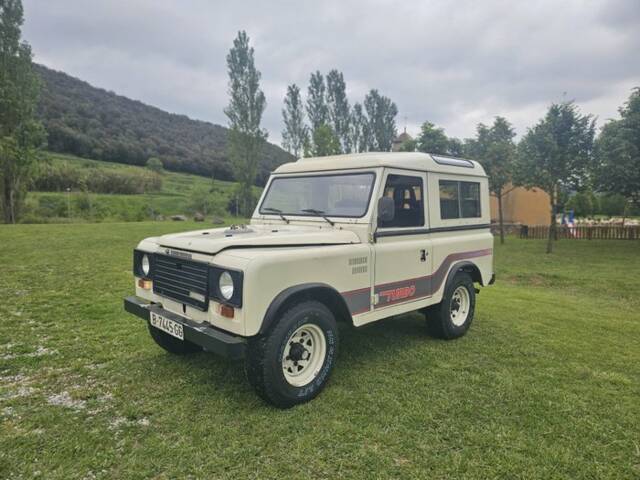
1984 | Santana 88
Land Rover - Series IV Santana Turbo - 1984

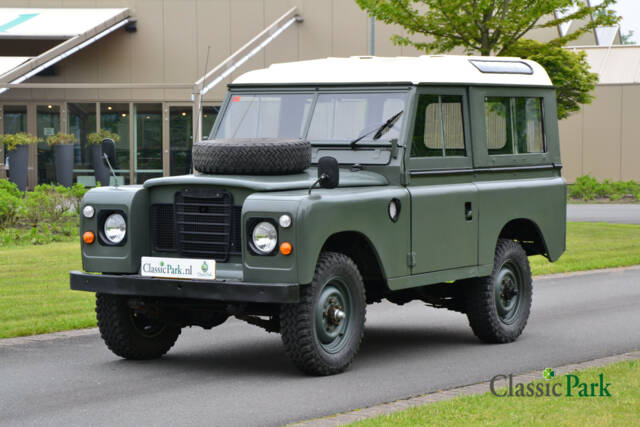
1980 | Santana 88
Land Rover SANTANA
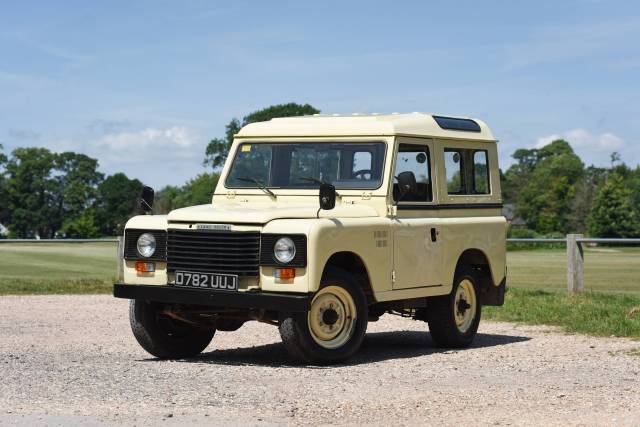
1986 | Santana 88
LHD - 2 Owners - Great Condition

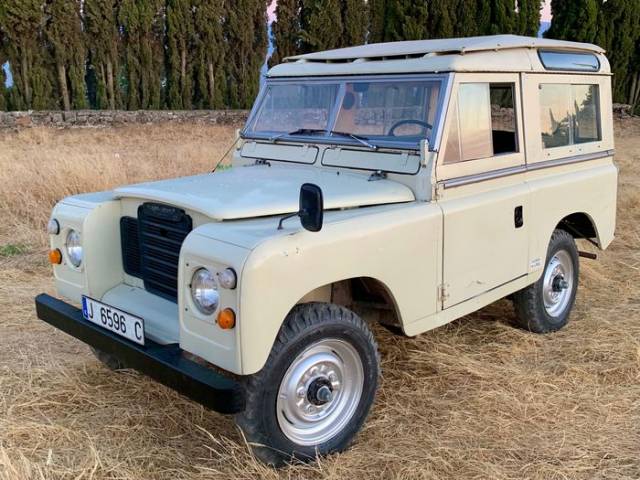
1976 | Santana Land Rover 88
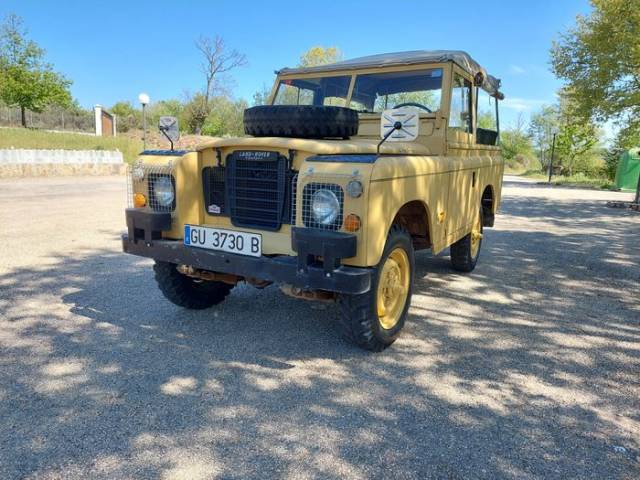
1978 | Santana Land Rover 88
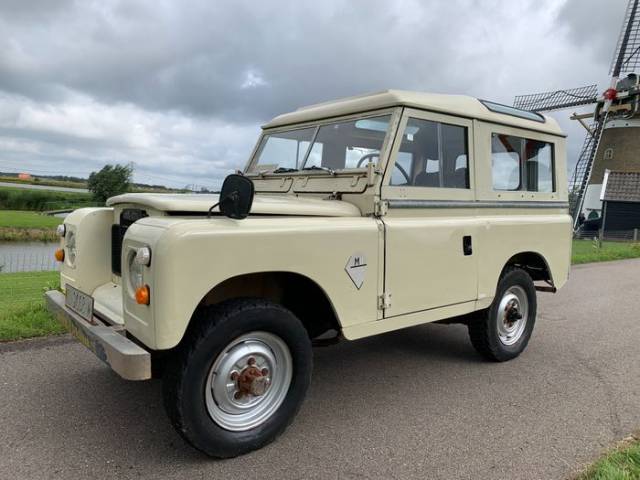
1980 | Santana Land Rover 88
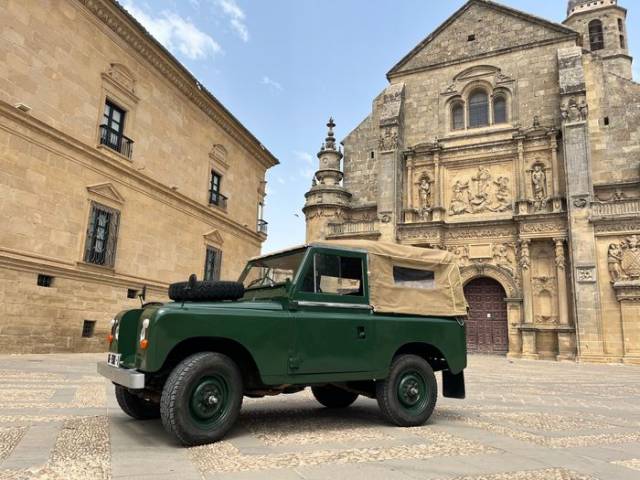
1978 | Santana Land Rover 88
Create search alert
Let yourself be notified as soon as a listing is published that matches your search filters.
Create listing
Do you have a Santana 88 that you want to sell? Then create a listing now.
Create listingSantana 88 Classic Cars: Prices & Market Values
History of the Santana 88
The Santana 88 owes its origins to a Spanish licensing agreement with Land Rover, leading to the production of the Series III by Metalúrgica de Santa Ana (Santana). The vehicle was targeted at agricultural and utility markets in Spain and other export regions where a reliable and easily repairable off-roader was needed. Throughout the 1970s, the Santana 88 maintained its core, straightforward design: a body-on-frame chassis, simple mechanicals, and a focus on functionality. The Spanish factory became known for its high-quality assembly and the model's ability to cope with tough rural environments. Many vehicles left the plant as practical workhorses—equipped with minimalistic interiors but built to last.
Model History
Initially developed from the Land Rover Series III, the Santana 88 diverged over time with local innovations and specifications, particularly in engine options and interior details. Preceded by earlier Series IIA models and eventually succeeded in spirit by the Santana Aníbal PS-10, the 88 remained a mainstay of Spanish countryside motoring throughout the 1970s. Available mainly as hardtops or cabriolets, the Santana 88 accommodated up to seven passengers in Station Wagon versions. Throughout its production, the vehicle retained classic mechanical features including a four-speed manual gearbox and selectable all-wheel drive, ensuring adaptability across terrains.
Highlights of the Santana 88
The Santana 88 stands out for its body-on-frame design, selectable all-wheel drive, and rugged steel wheels. The diesel engine—offering around 60 hp with notable torque at low rpm—enables practical towing and off-road driving. Many vehicles are still equipped with their original analogue instruments and simple, functional interiors. Unique touches like the bonnet-mounted spare wheel, removable soft tops, and reinforced steel chassis are distinctive to the model. The Santana 88’s roots in Spanish manufacture make it a sought-after variant among Land Rover enthusiasts. Original trailer couplings and homologated seat belts are commonly found.
In supply, Santana 88 vehicles coded 'Serie III' make up 90% of our Santana 88 inventory, with other variants accounting for 10%. In terms of demand, general 88 models account for 57.7% of Santanas viewed, while the Serie III accounts for 42.3%. These figures highlight both healthy supply and steady buyer interest across the series.
Technical Data
Special Editions and Collectible Models
Most Santana 88s were produced for practical, commercial use, but Station Wagon versions with full seating and convertible variants with removable canvas tops appeal particularly to collectors. Limited-run paint colours and certain factory-fitted accessories, such as the original bonnet spare wheel mount or homologated seat belts, can increase desirability.
Engine and Performance, Transmission and Handling
The Santana 88 is equipped with a robust diesel motor, designed to deliver substantial low-end torque—essential for hauling and off-road capability. The manually selectable four-wheel drive works through a mechanical four-speed transmission, ensuring reliable traction. The ladder chassis, paired with leaf spring suspension, provides considerable ground clearance and durability when traversing rough terrain. While performance is modest by modern standards, the mechanical purity allows straightforward servicing and high mechanical longevity. Payload ratings around 600 kg and a trailer coupling underline its practical strengths. Notable model variants include the Station Wagon, with enhanced passenger capacity, and the removable top Cabriolet versions. Both featured the proven diesel engine and selectable all-wheel drive system.
Interior, Comfort, Exterior and Design
The Santana 88’s styling echoes the utilitarian emphasis of its British counterpart: angular bodywork, visible steel panels, and functional elements like externally mounted spare wheels define its presence. Spanish-made variants often retained practical features such as steel wheels and basic, functional dashboards with analogue displays. Interior layouts maximise endurance and usability, with vinyl seats (often retrofitted seatbelts) and minimal decoration. Exterior paint options commonly included navy-grey with beige soft tops, but other period-correct hues are also found. Accessories like original floor mats, door panels, and removable canvas roofs signify well-preserved examples. Special detail: authentic trailer couplings were a regular factory fitment.
Other Features
The Santana 88 is known for easy maintenance: its simple bodywork and mechanical construction allow for repairs without special tools—ideal for remote use. Spanish-built quality, particularly in the late 1970s, contributed to its reputation for endurance and reliability. Vehicles were frequently optioned for agricultural or forestry use, equipping them well for utilitarian roles.
Summary
The Santana 88, built in Spain under licence from Land Rover, has secured a loyal following due to its durable architecture, practical versatility, and mechanical simplicity. With its 2300cc diesel delivering impressive low-end torque, flexible seating arrangements, and hard-wearing ladders frame, the model remains particularly suitable for off-roaders valuing authenticity and ease of maintenance. Collectors and drivers find value in original accessories, straightforward servicing, and a design that puts function before frills.