Salmson AL3 classic cars for sale
The Salmson AL3 stands as a testament to early French engineering aimed at the passionate driver seeking lightweight agility and mechanical clarity from the interwar era. Discover the technical distinction and purposeful design underpinning every AL3 made.
Suchergebnisse
Zur Zeit sind keine passenden Inserate zu Ihrer Suche veröffentlicht.
Create search alert
Let yourself be notified as soon as a listing is published that matches your search filters.
Create listing
Do you have a Salmson AL3 that you want to sell? Then create a listing now.
Create listingSalmson AL3 listing references from Classic Trader
Below you will find listings related to your search that are no longer available on Classic Trader. Use this information to gain insight into availability, value trends, and current pricing for a "Salmson AL3" to make a more informed purchasing decision.
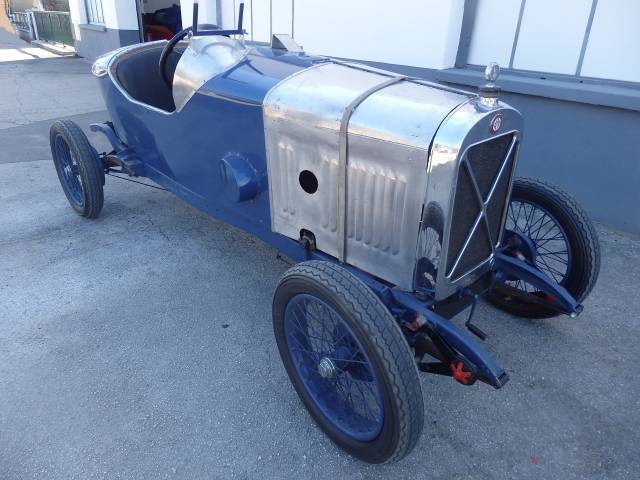
1921 | Salmson AL3
SALMSON AL3
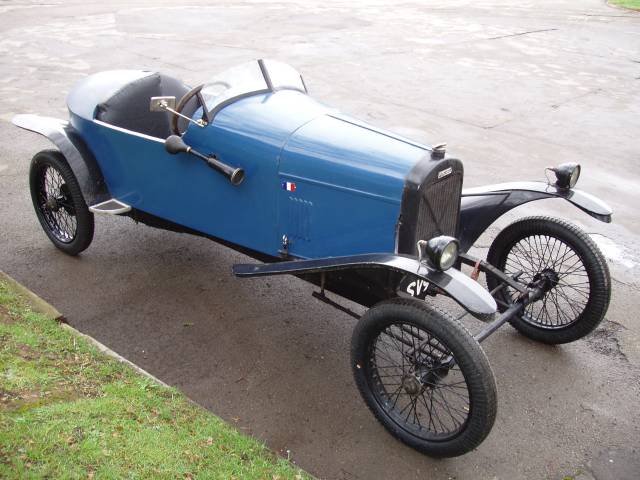
1923 | Salmson AL3
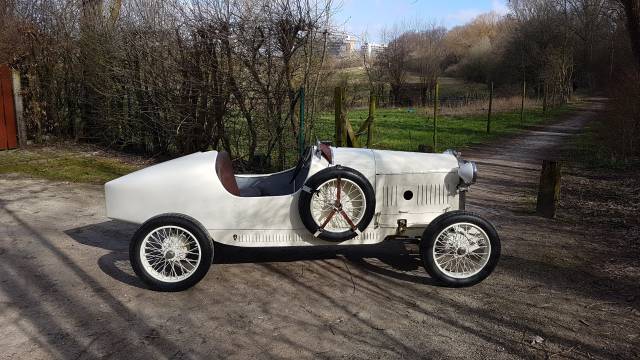
1923 | Salmson AL3
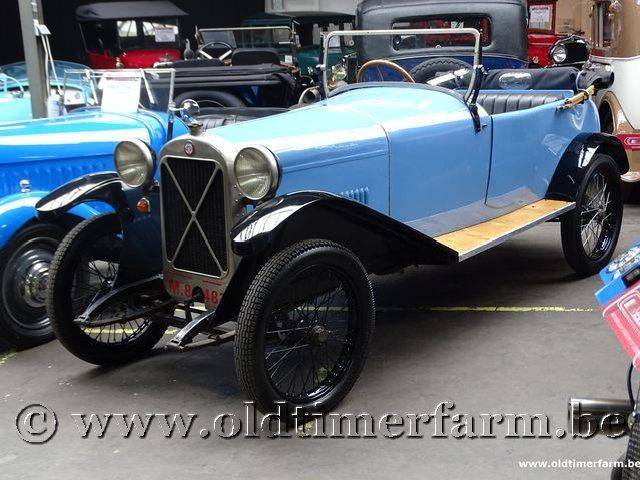
1924 | Salmson AL3
1924 Salmson AL3 Sport '24
Create search alert
Let yourself be notified as soon as a listing is published that matches your search filters.
Create listing
Do you have a Salmson AL3 that you want to sell? Then create a listing now.
Create listingSalmson AL3 Classic Cars: Prices & Market Values
History of the Salmson AL3
Salmson, a Paris-based engineering firm, pivoted towards automotive manufacturing following its origins in aero engines and pumps. Introduced during the 1920s, the AL3 epitomised the brand’s transition from utilitarian machines to spirited automobiles. Its release marked Salmson's move into sports car production, catering to French motorsport enthusiasts and urban drivers alike. The AL3 was produced at a time when the French automobile market was dominated by large, heavyweight vehicles, making its focus on lightness and mechanical precision a clear differentiator. The car's development drew from Salmson's experience in aviation and racing, leading to engineering solutions focused on reduced weight, improved aerodynamics, and heightened driver engagement.
Model history of the AL3
The AL3 entered production in the early 1920s and quickly set itself apart from bulkier French competitors. The model is best contextualised as a commercial evolution from Salmson’s pre-war voiturettes and a forebear for later competition-focused models such as the Salmson S4. While the AL3 itself did not have a direct predecessor with the same nameplate, it built upon lightweight chassis and engine concepts from earlier Salmson experiments. Its legacy includes inspiring subsequent small-displacement models focused on agility rather than brute power, shaping the Salmson lineup throughout the 1930s.
Highlights of the Salmson AL3
The AL3’s most attractive aspect is its deliberate focus on reducing weight and maximising driving pleasure. Unlike contemporaries preoccupied with opulence, the AL3 prioritised a nimble chassis and relatively advanced mechanical features, such as overhead valve engines and fine-tuned steering. The connection to the company's aviation background is clear in the precise engineering and focus on efficient power delivery. The model’s stature in early French motorsport, as well as its suitability for city and country driving, gave it a reputation as a versatile and reliable driver’s car.
Technical data
Special editions and collectible models
While there are no widely-documented factory-issued special editions of the AL3, some coachbuilt variations exist, reflecting the era’s penchant for personalisation by independent body makers. Custom-bodied AL3s—especially those built for motorsport or with streamlined open-top bodies—are particularly prized by connoisseurs for their rarity and historical significance.
Weak spots and common issues
Due to the AL3’s age and early manufacturing methods, the most common issues are related to engine wear, corrosion of the chassis and bodywork, and deterioration of electrical insulation and connections. The overhead valve setup, while providing spirited performance, demands regular valve adjustments and lubrication. Spare parts, particularly bespoke mechanical components, can require sourcing through marque specialists or fabrication. Water ingress in wood-framed bodies and outdated electrical systems are also areas requiring close attention during inspections.
Engine, performance, transmission and handling
The AL3’s four-cylinder engine was renowned for its free-revving nature and durability within its displacement class. Though its outright power figures are modest by today’s standards, the car’s light kerb weight and precise steering provide an engaging driving experience, allowing enthusiastic motoring on secondary roads and in city traffic alike. Buyers should be aware of non-synchronised gearboxes, typical of the period, demanding double declutching for smooth shifts. The suspension gives clear feedback, though ride comfort is secondary to responsiveness. Brakes are drum-type and require regular tuning. Among AL3s, open-top sports bodies and factory competition variants are particular highlights, as these tend to have unique handling and historical credentials.
Interior, comfort, exterior and design
The AL3 is defined by spare, purposeful coachwork—frequently realised in open two-seater or torpedo forms—that reflect a clear 1920s design ethos. Interiors are minimalist, with simple instrumentation and lightweight bucket seating, crafted in materials such as leather or canvas. Some AL3s featured mahogany dashboard inlays and wire-spoke wheels as period flourishes. Colour palettes tended to favour understated tones such as cream, dark blue, or British Racing Green, but examples finished by coachbuilders can show substantially more variety. Accessories like fold-down windscreens, full-length tonneau covers, and period rally lighting reinforce the car's dual focus on practicality and sporting intent.
Other relevant features
Original manuals, provenance documentation, or period-correct spares notably increase the appeal of individual AL3s to knowledgeable buyers. Vehicles with a verifiable competition history, or those maintained by well-known Salmson specialists, particularly attract attention in the enthusiast communities.
Summary
The Salmson AL3 stands as a rare representative of lightweight French motoring, with all listed classic Salmson cars being examples of this model. Its appeal rests on purposeful engineering, historic motorsport involvement, and a driving experience focused on agility and engagement. Buyers should carefully assess technical and body condition, especially given age-related vulnerabilities. Custom-bodied and period competition AL3s enjoy added attention due to their distinctiveness and scarcity.