- Car
- RUF (0 offers)
Buy RUF Classic Cars
Find distinctive RUF classic cars on Classic Trader, from early turbocharged conversions to rare manufacturer-built collectors’ cars. Australian buyers can assess provenance, right-hand-drive suitability and import preparation before choosing the character of RUF that suits them.
Search results
Currently, there are no matching listings for your search.
Create search alert
Let yourself be notified as soon as a listing is published that matches your search filters.
RUF listing references from Classic Trader
Below you will find listings related to your search that are no longer available on Classic Trader. Use this information to gain insight into availability, value trends, and current pricing for a "RUF" to make a more informed purchasing decision.
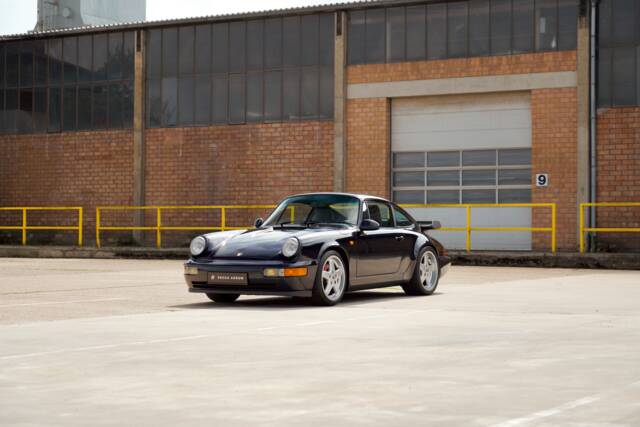
1991 | RUF RCT
Modified by RUF in period | Delivered new in Germany

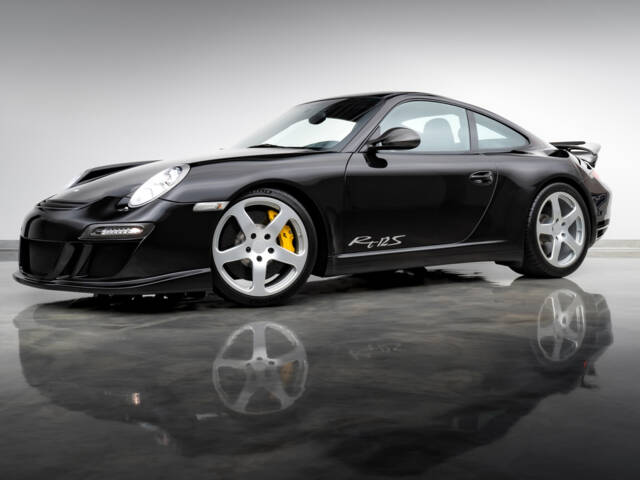
2011 | RUF Rt 12 S
2011 RUF Rt12 S

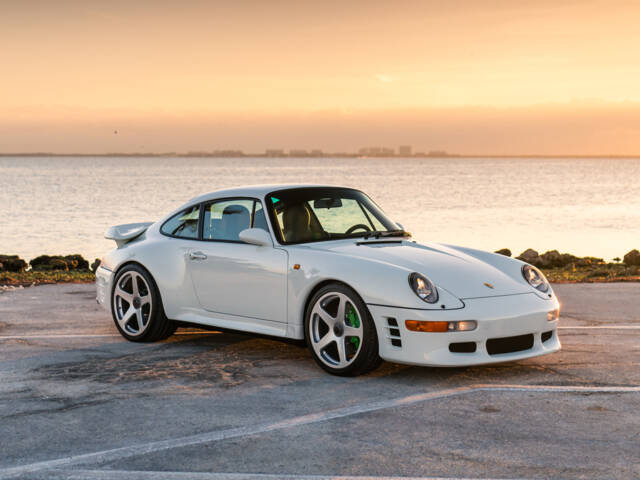
1998 | RUF Turbo R
1998 RUF Turbo R
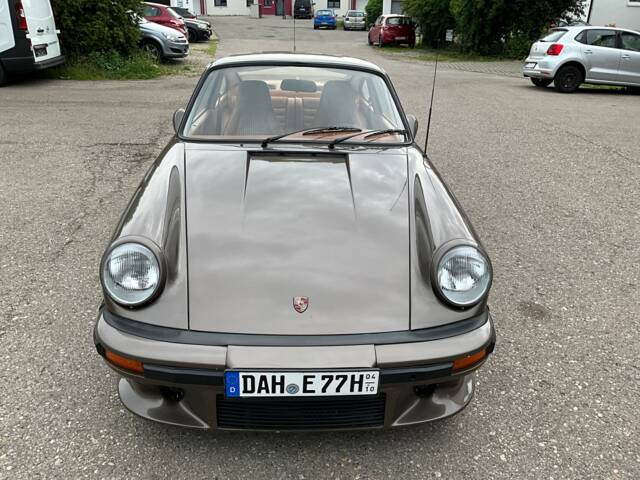
1978 | RUF SCR 3.2
Porsche 911 SC/R
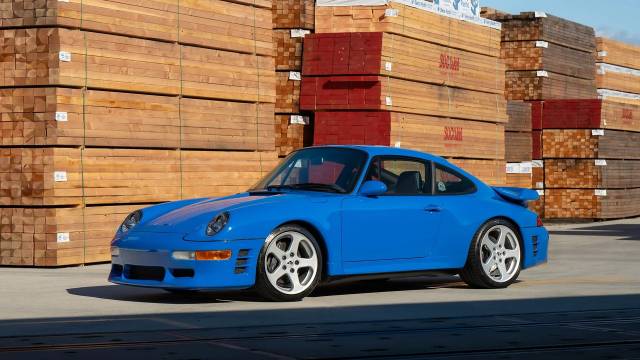
1998 | RUF BTR2
1998 RUF BTR
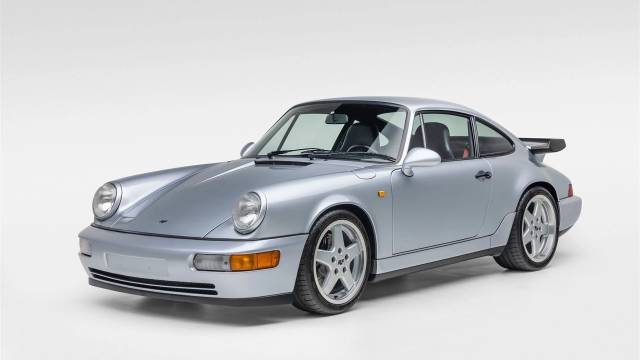
1994 | RUF RCT
1994 RUF RCT
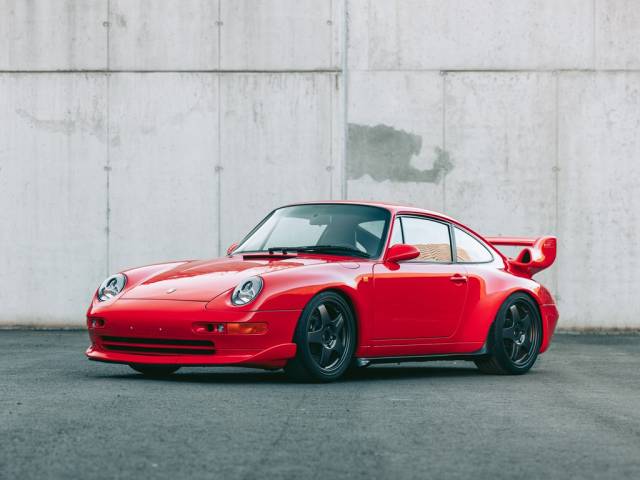
1995 | RUF Turbo R
1995 Porsche RUF Turbo R
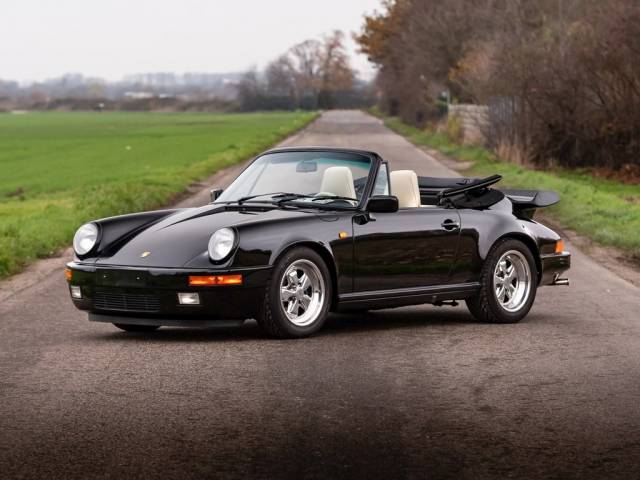
1987 | RUF BTR 3.4
1987 Porsche RUF BTR Cabriolet
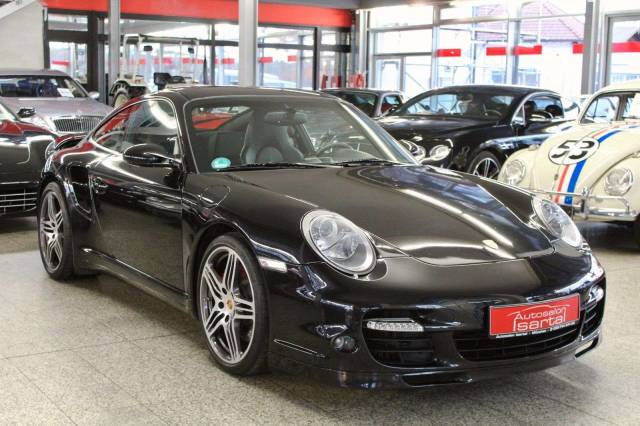
2006 | RUF 911 Turbo
Ruf 997 RUF Turbo -1. Hd. -CH-Fzg. -Bestzustand !
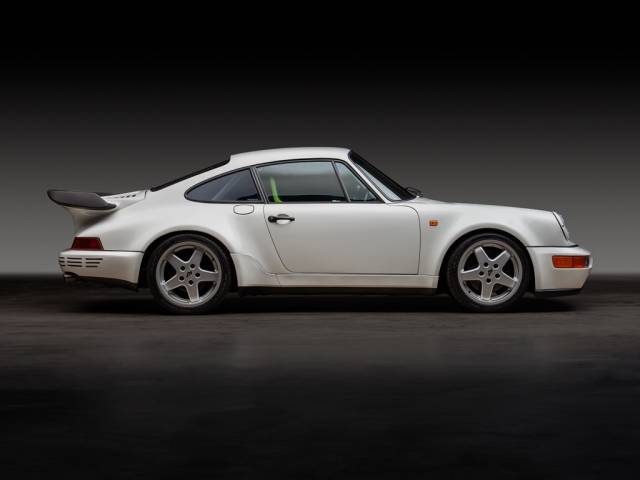
1990 | RUF CTR
1990 Porsche RUF CTR Carrera 4
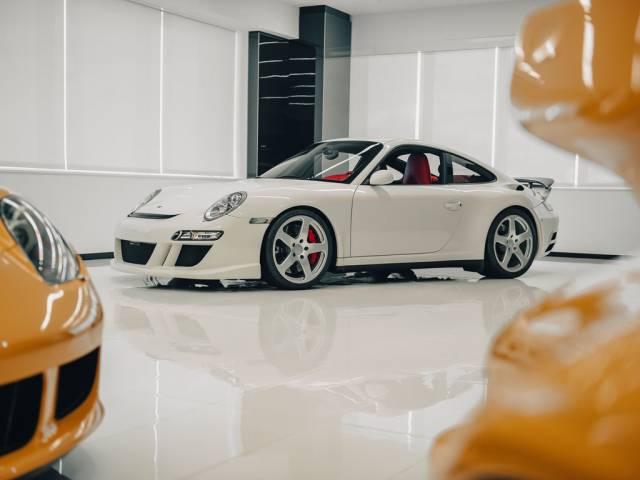
2007 | RUF Rt 12
2007 RUF Rt12
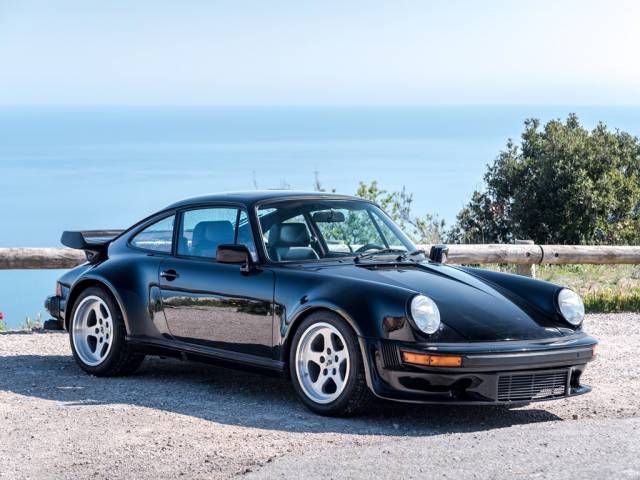
1985 | RUF BTR II 3.4
1985 RUF BTR II
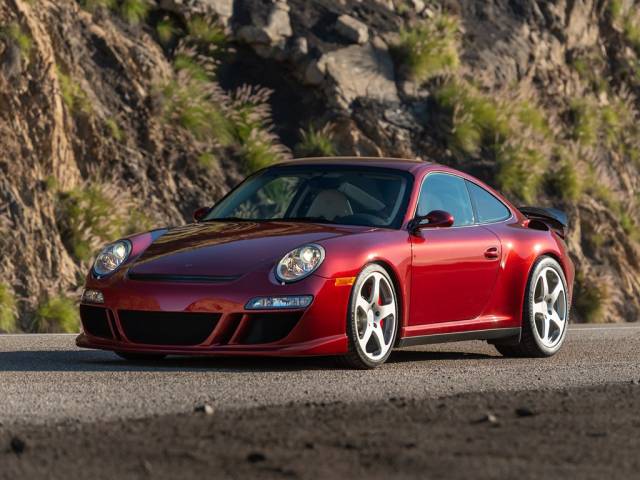
2009 | RUF Rt 12
2009 RUF Rt12
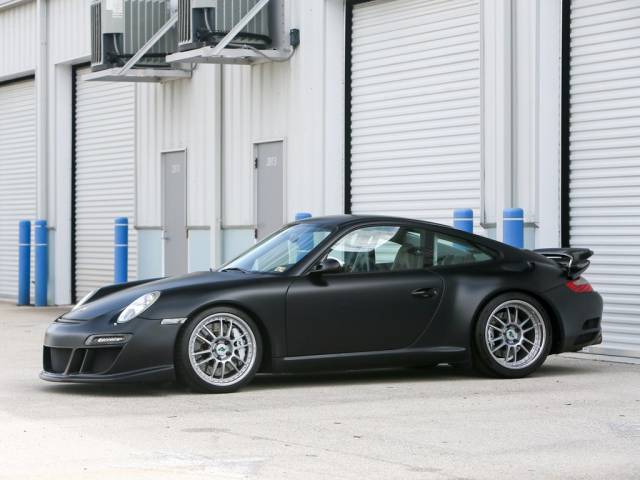
2006 | RUF Rt 12 S
2006 RUF Rt12 S
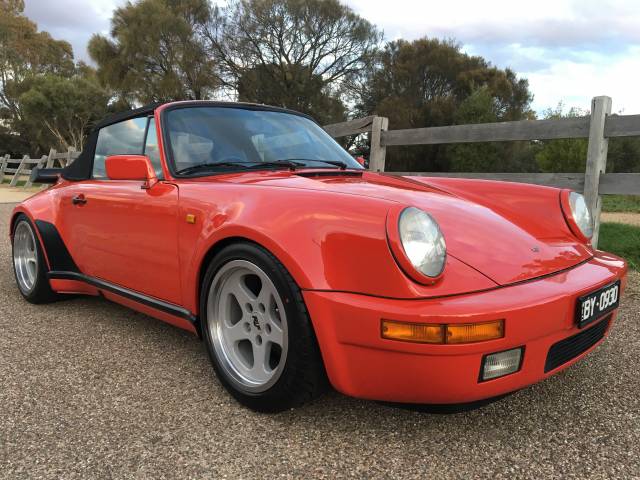
1988 | RUF BTR 3.4
1988 Porsche 930 Turbo Cabriolet RUF BTR 3.4 conversion egg
Create search alert
Let yourself be notified as soon as a listing is published that matches your search filters.
History and heritage
RUF is one of the most unusual names in the modern collector-car world because it sits on both sides of a line that many enthusiasts casually blur. A car may be a Porsche converted by RUF, or it may be a RUF automobile built under RUF’s own manufacturer status. Both can be compelling, but their paperwork, identification and market position are not automatically the same. For an Australian buyer, that distinction matters as much as horsepower: it affects authenticity research, insurance agreed values, import documentation and the way a future purchaser will read the car.
The business began in Pfaffenhausen, Bavaria, where Alois Ruf Sr established a service station in 1939. The workshop developed into a Porsche specialist, and his son, Alois Ruf Jr, took responsibility for the company in 1974 after his father’s death. The younger Ruf had a clear idea of what the firm could become. Instead of treating Porsche-based work as cosmetic tuning, he pursued complete engineering packages: more power, carefully chosen gearing, suspension calibration, aerodynamic development and an ownership experience supported by a small manufacturer rather than an anonymous parts supplier.
In 1975 RUF introduced its first five-speed transmission conversion for the Porsche 911, an important early expression of that approach. The company’s naturally aspirated and turbocharged conversions followed through the late 1970s. In 1981, German authorities recognised RUF as an automobile manufacturer. That date is a useful dividing point when examining a vehicle’s identity, although every individual car still needs to be checked by chassis number, RUF documentation and the wording on its registration papers.
The 1980s made the marque internationally visible. RUF’s BTR, launched in 1983, married a Porsche 911 Turbo foundation to a 3.4-litre turbocharged flat-six and comprehensive mechanical changes. It was a hugely fast road car, but still a car intended to cover serious distance rather than merely dominate a drag strip. In 1987 the CTR became the machine that put Pfaffenhausen in popular culture. Its appearance in Faszination auf dem Nürburgring, where a yellow CTR was driven with extraordinary commitment around the Nordschleife, gave it the nickname Yellowbird. A 1987 Road & Track top-speed test recorded 211 mph (339 km/h), then an astonishing production-car figure.
RUF did not freeze itself in that celebrated moment. The 1990s brought the CTR2, based on the 993 generation and available in highly developed two- and four-wheel-drive forms. Later manufacturer-built cars such as the RGT, Rt 12, CTR3, SCR and the modern carbon-monocoque CTR showed that the company could use Porsche architecture while moving progressively further from the donor-car idea. In parallel, RUF continued to restore and convert earlier Porsche platforms, including the 964 and 993. This breadth is why a make-level RUF search should be approached as a marque with several distinct eras, not as one famous yellow coupe.
For collectors, RUF’s history also has a particularly human continuity. The company remains associated with its Pfaffenhausen base, with Alois Ruf Jr’s engineering direction, and with an unusually long relationship between manufacturer, specialist workshop and owner community. Original period brochures, invoices, test records and correspondence are therefore valuable evidence rather than decorative extras. They help establish exactly what left RUF, when the work was carried out and whether later changes preserve the car’s intended specification.
RUF highlights and character
The defining RUF quality is integration. A genuine, well-specified car should not feel like a standard Porsche carrying a large turbocharger and a badge. Engine output is paired with a transmission ratio, cooling capacity, brakes, wheel and tyre choice, suspension geometry and often revised bodywork. The exact package varies widely by period, which is why a buyer should request the original build specification rather than relying on a seller’s shorthand description.
The BTR illustrates the point. Its enlarged, turbocharged engine was supported by revised intercooling and exhaust arrangements, while RUF’s five-speed gearbox made the performance more useful at high speed than the Porsche four-speed turbo transmission it often replaced. A later CTR took the recipe much further: light weight, a close-ratio five-speed transaxle, altered body panels and substantial aerodynamics made it an integrated high-speed machine. The result was not simply a peak-power number; it was a car with exceptionally tall capability and a specific, demanding driving manner.
Several recurring features are prized in period cars:
- RUF-numbered engine and transmission components, with records tying them to the chassis;
- factory-style conversion paperwork, invoices, certificates and period photographs;
- original RUF wheels, steering wheel, instruments, seats and aerodynamic parts where specified;
- appropriate matching engine, gearbox and chassis numbers on a RUF-built car; and
- a coherent restoration history rather than a collection of later aftermarket upgrades.
It is important not to overstate any one detail. A RUF conversion may legitimately retain much Porsche equipment, and a car can have replacement service parts after decades of use. Conversely, RUF-look bodywork, yellow paint, a wheel centre cap or a dashboard plaque do not make an ordinary 911 a RUF. The strongest cars have a convincing chain: base vehicle identity, period work order, RUF records, engine and gearbox inspection, and a history that does not leave unexplained gaps.
RUF’s appeal also lies in its restraint. The best-known examples are dramatic, yet the company’s design language generally keeps the familiar rear-engined silhouette. Bumpers, spoilers, mirrors and wheels serve airflow, cooling or stability before theatre. Inside, equipment is purposeful but not necessarily stripped-out. A late-1980s high-speed coupe can be surprisingly civilised on a long road, while later cars add more modern ergonomics and performance without losing the compact, mechanical feel that attracts collectors.
Technical data across key RUF cars
Figures below are representative published specifications. RUF built small numbers, offered evolving packages and sometimes completed customer-specific work, so an individual car’s build sheet takes priority over a general table. Production figures commonly quoted in marque histories should be treated as approximate unless confirmed by RUF for the vehicle concerned.
The numbers explain why RUF values are not driven by a single formula. Early air-cooled cars are comparatively light and analogue; a BTR’s boost response, rear weight bias and long-legged gearing create a very different ownership proposition from a later RGT’s naturally aspirated precision. A CTR2 combines 1990s twin-turbo force with considerably higher speeds and complexity. Modern cars use their own RUF-developed structures and are closer to limited-production supercars. A buyer should decide which period and philosophy they want before being distracted by headline output.
Market overview and buying tips
RUF’s market is thin, international and documentation-led. The rarest manufacturer-built cars occasionally appear at major auctions; more frequently, buyers encounter converted Porsche-based cars sold privately or through specialists. This does not make one category automatically better. A period BTR conversion with complete RUF records and sympathetic stewardship can be deeply desirable, while a poorly documented car described as a RUF can be a costly research project.
Recent public auction evidence demonstrates the size of the gap between ordinary Porsche-derived performance cars and landmark RUF automobiles. RM Sotheby’s recorded US$6,055,000 for a 1989 RUF CTR “Yellowbird” at its Monterey sale in August 2025, including buyer’s premium. That result reflected an exceptionally significant, well-known example rather than a universal price guide. Earlier high-profile CTR sales have also reached seven figures, but condition, originality, colour, mileage, provenance and auction setting move the result dramatically. At the other end of the marque, BTR, RGT and later conversion values need to be judged vehicle by vehicle; using a Yellowbird record to price them is not sensible.
For an Australian buyer, convert overseas hammer prices only after allowing for buyer’s premium, exchange-rate movement, shipping, marine insurance, import charges, port and broker fees, state-based registration work, and any remedial engineering required. A spectacular overseas result may establish rarity, but it does not state the landed Australian cost. Ask the selling auction house for the sale result and condition report, then have an independent specialist inspect the car before committing to an import.
Identification is the first inspection task. Request clear photographs of the chassis stamping, compliance or identification plates, engine and gearbox numbers, RUF build plaque and all paperwork. Confirm with RUF or an established RUF specialist what the car was supplied as: a complete RUF-manufactured vehicle, a RUF conversion, or a Porsche with later RUF-style parts. Be cautious with phrases such as “RUF specification”, “RUF tribute” and “Yellowbird look”. They may accurately describe appearance or components, but they are not proof of origin.
Inspect the underlying car as rigorously as the RUF work. Air-cooled, Porsche-based examples need a body inspection for accident repair, corrosion around the front suspension pan, battery area, sills, jacking points, windscreen surround and rear screen area. Look beneath underseal and fresh paint, especially on an imported car with an unclear climate history. Measure panel alignment and paint thickness; an aerodynamic nose can make front-end repair harder to read. On later cars, inspect front radiators, coolant pipes and undertrays as well as body structure.
Mechanical examination needs marque knowledge. On turbocharged flat-sixes, check cold and hot oil pressure, compression and leak-down figures, turbocharger condition, boost behaviour, exhaust integrity, oil leaks and evidence of overheating. Confirm that fuel, ignition and engine-management work was done by a shop capable of documenting calibration. A non-standard tune may produce a dramatic dyno sheet but reduce both drivability and market confidence. Test the clutch, synchros, shift linkage and limited-slip differential; a tired gearbox or incorrect ratios undermine the very character RUF engineered into the car. Brakes, dampers, bushes and tyres should be inspected for age as well as tread.
Originality is nuanced, not dogmatic. Correct-period replacement tyres, rebuilt turbochargers, safety improvements and refreshed suspension components can be sensible. The question is whether the work is transparent, technically appropriate and reversible where it should be. Retain invoices, removed original parts and photographs. On very rare cars, speak to RUF before changing paint, upholstery, wheels or engine specification. An attractive restoration that erases a documented original configuration can cost more in collector value than it adds in visual appeal.
Parts support is better than the low production figures might imply, but it is not inexpensive. Porsche service items and many mechanical components can be sourced through established Australian Porsche specialists or international suppliers. RUF-specific body panels, trim, wheels, instruments, gearsets and archive confirmation are a different proposition. Establish the source, lead time and landed cost for any missing item before negotiating. A car needing a rare original wheel set, correct seats or bespoke bodywork can turn an apparently affordable purchase into an expensive restoration.
Australia’s size also shapes ownership. A car bought in Sydney may be a long way from a preferred air-cooled or RUF-experienced workshop, and interstate transport should be budgeted realistically. Pre-purchase inspections can be commissioned locally, but the inspector should understand both Porsche construction and RUF provenance. For a car intended for touring, consider cooling health, air-conditioning performance, tyre availability, fuel quality and the effect of summer heat before fitting more power.
Buying in Australia: RHD, importing and compliance
RUF is a German marque, so many cars offered to Australian buyers began life in left-hand drive. That is not necessarily a barrier, but it is a decision to make before purchase. Australian road rules and registration requirements are administered differently by each state and territory. The vehicle’s age, original steering position, approval pathway, modifications and intended registration state all matter. Do not assume that an overseas registration or a previous import approval guarantees straightforward registration in Victoria, New South Wales, Queensland, Western Australia or elsewhere.
Before shipping, obtain the appropriate Commonwealth vehicle import approval through the Australian Government’s Register of Approved Vehicles (RAV) / import approval process applicable to the vehicle and pathway. Australia’s rules have changed over time, and eligibility depends on facts such as manufacture date, vehicle type and import category. Historic vehicles may have options unavailable to newer vehicles, but a rare badge does not replace the formal process. Check the current Department of Infrastructure requirements before bidding, not after a deposit becomes non-refundable.
Right-hand-drive examples deserve special attention. A genuine RHD car documented when new is usually more straightforward to explain and may suit Australian road use better. A converted car requires strong evidence of the quality and legality of the steering conversion. Examine pedal box, steering geometry, dashboard structure, wiring, wiper sweep, headlights, brake lines and any engineering certification. A poor conversion can compromise safety, cabin finish and resale appeal. For a collectible RUF, converting a genuine LHD original solely for local convenience can also damage originality; seek specialist and state-registration advice before considering it.
Shipping should be handled as a preservation exercise. Obtain condition photographs at collection, secure loose spares and documentation separately, specify enclosed or suitable container transport, and insure the car for a realistic agreed value including its rarity. Check biosecurity requirements carefully: soil in wheel arches, leaves, plant material and a dirty underbody can delay clearance and add cleaning costs. Once landed, retain import documents, shipping records, receipts and any compliance paperwork in the vehicle history file.
State registration may require identity inspection, roadworthiness inspection, engineering evidence or concessions rules for historic registration. Those schemes can limit use and vary by state. Speak with the relevant registration authority and an engineer experienced with specialist imports before the car leaves Europe, Japan, the United Kingdom or North America. The most economical purchase is not always the lowest advertised price; the best Australian ownership experience is usually the car whose identity, steering configuration and compliance path are clear from day one.
Driving feel
Driving a classic RUF is less about posing than concentration. In an early turbocharged car, the steering is alive with surface texture, the pedals demand deliberate inputs and the engine’s response changes character as boost arrives. The rear-mounted engine gives traction and a distinctive pivoting feel, but it also rewards patience on corner entry. The driver who brakes in a straight line, sets the car early and uses the throttle progressively will understand why these cars have such a devoted following.
A BTR-like car can feel surprisingly compact and usable below its maximum, then gather speed with a force that makes open-road restraint essential. The CTR is more intense still: light weight, high power and the period chassis demand respect rather than bravado. Later cars are more capable and stable, yet they preserve the essential RUF sensation of a hand-built machine with a serious purpose. A naturally aspirated RGT offers a cleaner, more linear answer to the same question; a modern CTR delivers supercar performance with a manual gearbox and analogue-style involvement that are increasingly unusual.
Australian conditions reward mechanical sympathy. Let oil temperature rise before using full boost, keep cooling systems immaculate and avoid treating a rare air-cooled turbo as a traffic-proof commuter in extreme heat. On country roads, use the performance sparingly and legally. The pleasure is in the accuracy of the controls, the flat-six sound and the knowledge that the car was engineered as a whole.
Design and coachwork
RUF design starts with a silhouette everyone knows and then edits it with intent. The early cars retain the compact 911 form, but their integrated bumpers, deep front air openings, rear spoilers and signature wheels announce a different engineering brief. The famous CTR’s narrow-looking body and restrained yellow paint are part of its appeal: it looks purposeful rather than ornamental. Its aerodynamic changes were developed to make enormous speed repeatable, not merely to advertise it.
As RUF moved into later generations, the visual language became more individual. The CTR2 has a wider, more planted 1990s stance; the CTR3 uses a mid-engined layout and a coachbuilt body distinct from any standard Porsche. Modern RUF cars may reference historic proportions while using carbon-fibre structures and newly made panels. Across these eras, the desirable design feature is coherence. Correct panel fit, paint quality, wheels, lighting and interior trim tell a more persuasive story than an aggressive collection of aftermarket additions.
When assessing coachwork, inspect it like any valuable low-volume car. Check composite panels for stress cracks and poor repairs, examine fastener consistency, look for corrosion in steel structure behind non-standard panels, and compare details with period literature. Paint colours can be important, but factory confirmation is more valuable than folklore. A colour change is not necessarily disqualifying; undocumented structural repair or improvised body fitting is far more concerning.
Motorsport, records and culture
RUF’s cultural moment came through road performance rather than a conventional factory racing programme. The Yellowbird’s Nürburgring film became an enthusiast landmark because it showed a road car being driven at the limit with frightening fluency. The company’s cars have also appeared in games, magazines and collector conversations for decades, but the enduring appeal is technical credibility. RUF made cars capable of embarrassing exotic machinery while retaining a link to real-world road use.
For a buyer, records are part of that culture. Keep auction catalogues, old registration papers, service books, correspondence, dyno sheets, inspection reports and photographs in date order. If the car has media history, verify it rather than repeating a claim. A well-organised file makes servicing easier, supports insurance and gives the next custodian confidence that the car’s exceptional story is documented rather than imagined.
Summary
To buy a RUF classic car well is to buy the right documented example, not simply the fastest or most visually dramatic one. The marque spans period Porsche conversions, independently manufactured air-cooled icons and later limited-production supercars; each deserves its own valuation logic. For Australian ownership, add right-hand-drive suitability, shipping, biosecurity, import approval and state registration to the usual provenance and mechanical checks.
Start with the records, commission a specialist inspection and cost the entire landed and registered project before agreeing a price. Then choose the RUF character that genuinely appeals: early turbocharged theatre, naturally aspirated clarity, 1990s high-speed sophistication or a modern hand-built interpretation. Find RUF classic cars on Classic Trader and use the listings as the beginning of careful, evidence-led ownership.