- Car
- Rambler (0 offers)
Rambler classic cars for sale
Rambler cars, with roots dating back to 1897, reflect the pioneering days of American automotive history. From early runabouts to practical saloons and innovative coupes, Rambler vehicles stand out for their accessible engineering and distinct design. Discover the unique story and intriguing technical background of each Rambler classic.
Search results
Currently, there are no matching listings for your search.
Create search alert
Let yourself be notified as soon as a listing is published that matches your search filters.
Rambler listing references from Classic Trader
Below you will find listings related to your search that are no longer available on Classic Trader. Use this information to gain insight into availability, value trends, and current pricing for a "Rambler" to make a more informed purchasing decision.
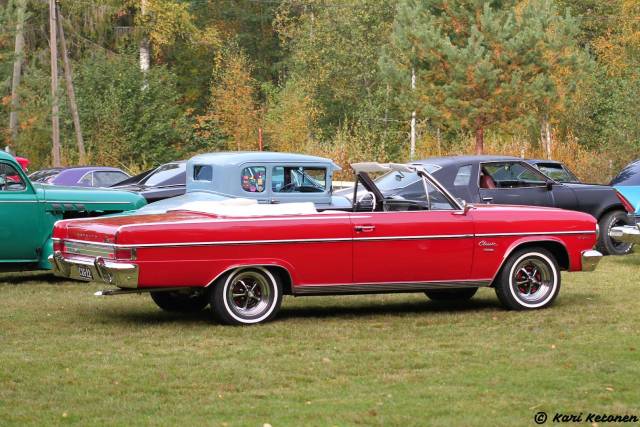
1965 | Rambler Classic 770
Very rare Rambler model

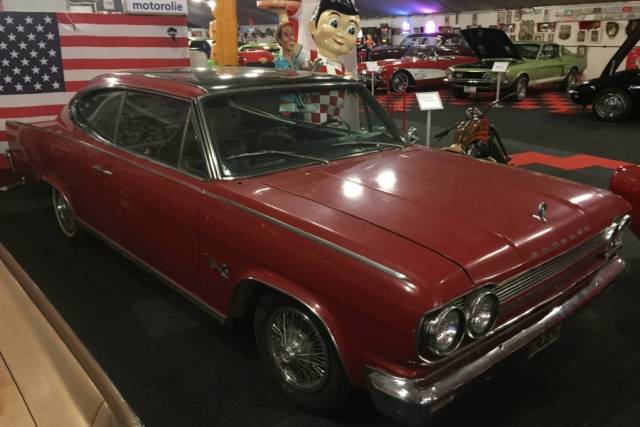
1965 | Rambler Marlin

Create search alert
Let yourself be notified as soon as a listing is published that matches your search filters.
History of Rambler
The Rambler name first appeared in 1897, when the Thomas B. Jeffery Company developed its prototype in Chicago. Encouraged by enthusiastic customer feedback, the company launched serial production in 1900, quickly expanding its model range. In 1903, the Rambler 6 HP Runabout entered mass production. Following Thomas B. Jeffery's sudden death, his son Charles Jeffery rebranded the cars as 'Jeffery' to honour his father's legacy. From 1917, the brand evolved into Nash Motors, continuing the Rambler tradition with models that were affordable and appealing across social classes. Decades later, Nash Motors revisited the Rambler heritage, integrating its distinctive look and ethos into post-war small and midsize cars. Today, Rambler vehicles are preserved in museums as examples of accessible innovation and early American engineering.
Model History
Rambler's lineage began with the 6 HP Runabout. The brand quickly diversified, releasing limousines, coupés and convertibles. During the Nash Motors era, models such as the Nash Airflyte, Nash Metropolitan, Nash Rambler Greenbrier, and Nash Ambassador drew on Rambler’s design DNA. Each model reflected advances in streamlining, size, and features, while maintaining a connection to the brand’s origins. The introduction of the Nash Rambler paid further homage to the Jeffery legacy.
Highlights and Unique Features
Rambler vehicles are recognised for combining affordability and durable design, with styling that resonated with both younger and older drivers. The development of streamlined bodies with models like the Nash Airflyte marked the brand's technical ambitions. The classic profile and logo, proudly stating 'The Thomas B. Jeffery Company - Rambler - Kenosha. Wis. U.S.A.', remain hallmarks for collectors and enthusiasts.
Technical data
Special Editions and Collectible Models
The Nash Rambler Greenbrier and Metropolitan stand out due to their unique combinations of compact comfort and quirky styling. Additionally, certain early Runabouts and the Nash Ambassador models are especially valued by collectors for their pioneering technical features or as representations of design shifts within the brand.
Weak Spots and Common Issues
No specific known issues or weak spots have been documented in the current data. As with most pre-war and early post-war vehicles, prospective owners should inspect for age-related chassis and drivetrain wear, sourcing of replacement parts, and maintenance records, given production ceased decades ago.
Engine, Performance, Transmission and Handling
Early Rambler models were engineered for reliability and straightforward driving. The 6 HP Runabout set the tone for pragmatic performance, with later Nash-developed cars featuring modest but dependable engines suited to everyday motoring. Steering and suspension were tailored more for durability and comfort than for spirited driving, reflecting the needs of mainstream buyers of their era. Transmission systems evolved in step with broader industry advances, without outlier technical complexity. - Rambler 6 HP Runabout: early example of mass-produced American car
- Nash Metropolitan: recognised for compact size and urban practicality
- Nash Airflyte: designed with streamlining and improved aerodynamics in mind
Interior, Comfort, Exterior and Design
Rambler cars stood out for their clear, simple designs, often featuring rounded bodies and distinctive front grilles. Streamlined shapes found in the Nash Airflyte anticipated design trends well ahead of their time. Interiors prioritised practical comfort, benefitting from robust materials typical of the period. The Nash Metropolitan introduced bolder colours and playful details, enhancing its urban appeal. Original Rambler accessories included branded hubcaps and period-correct lighting, while the materials used were chosen for both durability and ease of maintenance.
Other Relevant Features
The Rambler marque is closely associated with inclusivity in car ownership, as its models were specifically designed to be accessible to a broad public. This legacy persists, with surviving vehicles representing important milestones in democratising mobility.
Summary
Rambler classics encapsulate the spirit of early American car manufacturing: accessible, practical, and forward-thinking. Whether as pioneering runabouts or as standout Nash-era saloons and coupés, Rambler vehicles continue to draw interest for their historical value, technical approach, and unique design language. Their strong supply and demand within the classic sector are a testament to their enduring relevance among enthusiasts.