Puma GT/GTS classic car for sale
The Puma GT/GTS, a Brazilian-built sports car with striking fiberglass bodywork and reliable VW technology, stands out for its unique design heritage and rarity in Europe. Lightweight construction, sporty looks, and VW mechanicals make each example both easy to own and distinctive—read on to discover what sets the Puma GT/GTS apart.
Search results
Currently, there are no matching listings for your search.
Create search alert
Let yourself be notified as soon as a listing is published that matches your search filters.
Create listing
Do you have a Puma GT/GTS that you want to sell? Then create a listing now.
Create listingPuma GT/GTS listing references from Classic Trader
Below you will find listings related to your search that are no longer available on Classic Trader. Use this information to gain insight into availability, value trends, and current pricing for a "Puma GT/GTS" to make a more informed purchasing decision.
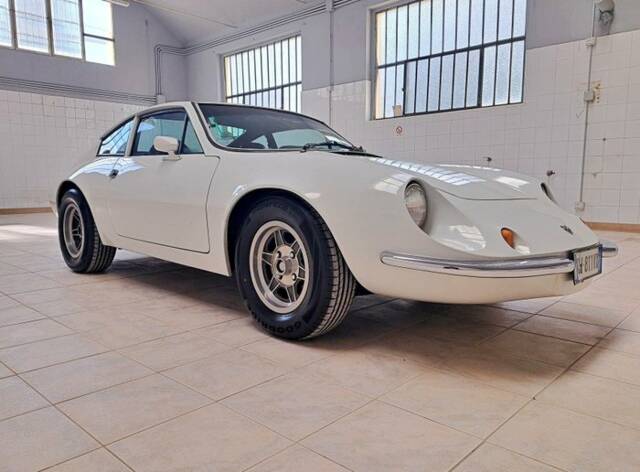
1978 | Puma GTE 1600
Puma - GTE 1600 Coupé - NO RESERVE - 1978


1967 | Puma GT
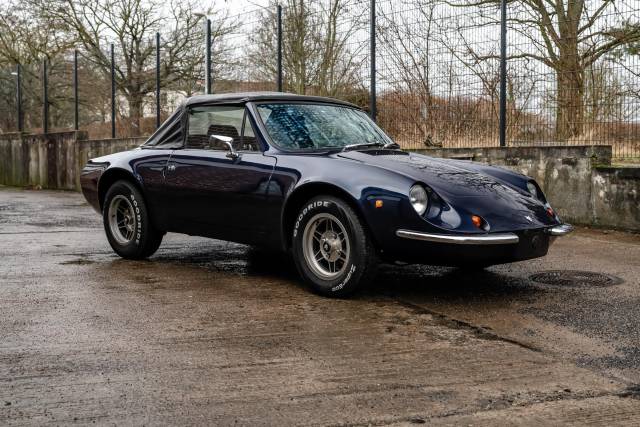
1976 | Puma GTS 1600
Puma GT 1600 Cabrio in Marineblau Metallic aus 2. Hand GFK-Karosserie (1976)


1978 | Puma GTE 1600 S

1978 | Puma GTE 1600 S
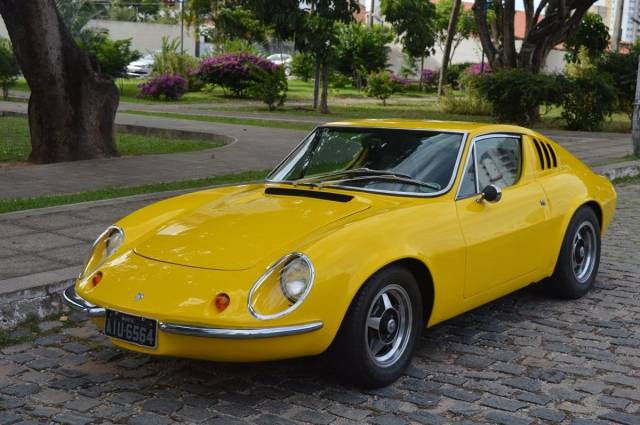
1976 | Puma GTE 1600
Import aus Brasilianischer Sammlung
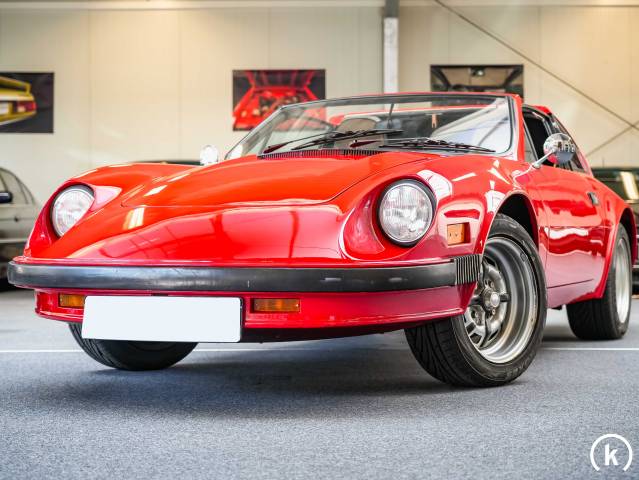
1980 | Puma GTS 1600
Puma 1600 GT Targa der einzige auf dem deutschen Markt extrem selten (1980)

1967 | Puma GT
Beautiful - A Very Rare Opportunity

1973 | Puma GT 1600
The Puma is a Volkswagen-based specialty sports car built in Brazil.
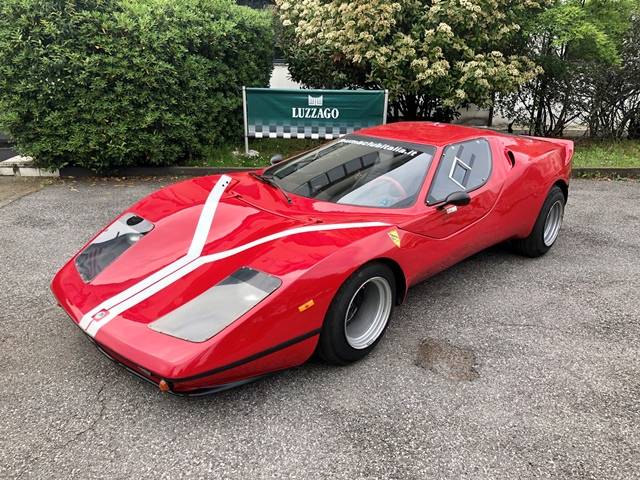
1980 | Puma GTE 1600


1973 | Puma GT 1600
PUMA GTV motore VW 1.600 boxer
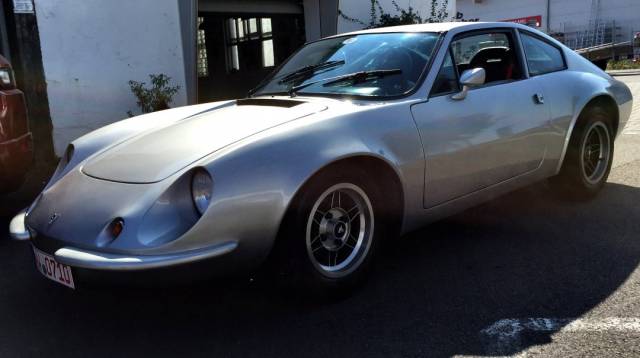
1976 | Puma GTE 1600
Sportwagen aus Brasilien
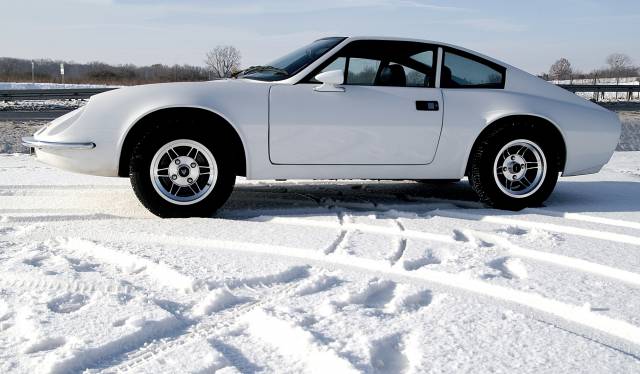
1976 | Puma GTE 1600
VW Puma 1600 GT, like Karmann Ghia, Porsche, ferrari


1978 | Puma GT 1600

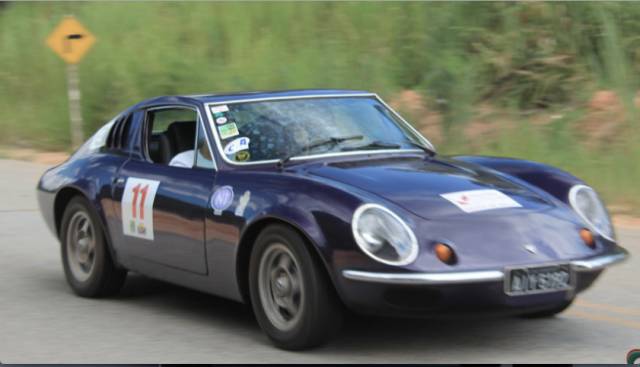
1973 | Puma GT 1800
Create search alert
Let yourself be notified as soon as a listing is published that matches your search filters.
Create listing
Do you have a Puma GT/GTS that you want to sell? Then create a listing now.
Create listingPuma GT/GTS Classic Cars: Prices & Market Values
History of the Puma GT/GTS
Founded in 1964 in Matão, São Paulo, Puma sought to build sports cars based on the widely available technology of mass producers, predominantly using Volkswagen underpinnings. The earliest versions, originally called GT Malzoni, quickly evolved after 1967 into models bearing the Puma name. With design input from Anísio Campos and visual influences from the Ferrari 250 GTO and Dino, early Pumas captured a distinctly European flair despite their Brazilian origins. Initially, some models used DKW front-drive technology, but from 1968 onwards, the company switched to the dependable, air-cooled VW platform. This shift led to Puma's best-known era: the GT and GTS series which firmly established the brand in Brazil's automotive landscape.
Model History of the Puma GT/GTS
The Puma GT and its open-top counterpart, the GTS, trace their roots to the Puma GT Malzoni. As DKW's influence waned, Puma adopted the VW Beetle's rear-mounted, air-cooled engine and chassis from 1968. This setup was later shared with the more upmarket VW Karmann Ghia, leading to improved comfort and reliability. Over time, engine capacity rose from 1.5 to 1.6 litres, while the coupé (GTE) and cabriolet (GTS) bodystyles expanded the range. The most coveted versions feature the 'Tubarão' (shark) styling, produced until 1976, renowned for sculpted flanks and a distinctive silhouette. Most cars remained in Brazil, but a handful made it to Europe during the 1970s, where they remain rare collector items today.
Highlights and Statistics: Puma GT/GTS
Key features include the striking GFK (fibreglass) bodywork, low kerb weight, and a blend of Italian-inspired aesthetics with proven Volkswagen technology. The availability of both coupé and cabriolet forms, combined with the signature 'Tubarão' model and customisable interiors, made the Puma GT/GTS highly individualistic. Its robust 1600cc air-cooled engines and 4-speed manual gearboxes ensure simple maintenance and enjoyment for enthusiasts. A defining trait is its VW-based componentry, which guarantees straightforward parts supply and easy servicing.
Technical Specifications
Special Editions and Collector Variants
Within the GT/GTS range, the earliest 'Tubarão' bodied cars built up to 1976 are seen as the most visually striking, known for their shark-like rear styling behind the B-pillar. Models that retain their original condition, complete documentation, and unmodified mechanicals attract extra attention, especially those with period colours like blue or yellow. Rare, Europe-imported examples and those officially registered as collector vehicles (for instance, ASI-certified in Italy) are regarded as the pinnacle for enthusiasts.
Maintenance and Known Weaknesses
Puma GT/GTS maintenance is straightforward due to Volkswagen mechanical parts. The glassfibre body is rustproof, though care must be taken to protect the steel chassis. The interior and running gear are as robust as equivalent VW models, ensuring good parts availability. Many cars have undergone restoration; authenticity and accident history are factors to watch, as some were used for motorsport. The durability of the original paint and upholstery can vary, and buyers should look for evidence of sympathetic upkeep.
Engine, Transmission and Drive Experience
Thanks to lightweight GFK construction and the Beetle-derived 1600cc VW flat-four (ranging from roughly 60 to 70 hp), the Puma GT/GTS delivers a responsive and unfiltered driving experience. The 4-speed manual gearbox is known for its reliability, and the rear-engined, rear-drive layout gives the car handling characteristics similar to contemporary VW sports models. The low weight enhances agility, making the car nimble in corners and enjoyable on twisty roads. However, performance remains more about the experience than outright speed, befitting of its era. - Puma GT/GTE Coupé (notable for 'Tubarão' shark styling)
- Puma GTS Cabrio (sought after for open-top enjoyment and rarity in export markets) All use VW air-cooled engines and mechanics, providing both character and dependability.
Interior and Exterior Design, Comfort and Accessories
Puma GT/GTS design is defined by its European-inspired lines, thanks to Anísio Campos's work and direct influence from the Ferrari 250 GTO and Dino. The fibreglass body allows for expressive curves, especially in the 'Tubarão' series. Interiors are basic but unmistakably sporty, with period-correct gauges and a selection of cloth or synthetic leather, sometimes with a centre console. Standard trim was often minimalist, but buyers could select from classic exterior colours like blue, red, yellow and silver. Factory wheels keep the VW pattern. The car is strictly a 2-seater, and accessories typically echoed the tastes of 1970s sports car buyers.
Other Notable Features
Puma GT/GTS models frequently served as affordable, individualistic sports cars both in their native Brazil and for a few enthusiasts abroad. Registering as a historic vehicle is straightforward thanks to VW underpinnings, and the car continues to have a presence at vintage and collector events in both hemispheres. Most cars today remain in the hands of dedicated collectors, especially in Brazil, and a strong culture of restoration ensures that both original and modified examples survive.
Summary
The Puma GT/GTS stands out as a unique Brazilian sports car with European design lineage, reliable VW engineering, and compelling rarity—especially outside South America. Its blend of lightweight fibreglass construction, readily available mechanical parts, and charismatic styling continues to attract collectors and drivers seeking individuality and mechanical simplicity in classic motoring.