Piaggio Vespa 400 classic cars for sale
The Piaggio Vespa 400 is a French-built microcar with a distinctive soft top, produced from 1958 to 1961 under Piaggio’s design concept. With its two-seat layout, practical maintenance solutions and ample availability of original parts, the Vespa 400 stands out as a microcar tailored to enthusiasts who value authentic restoration and detailed originality.
Search results
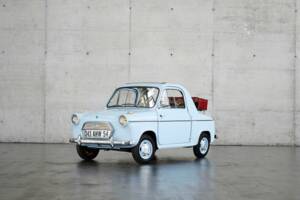
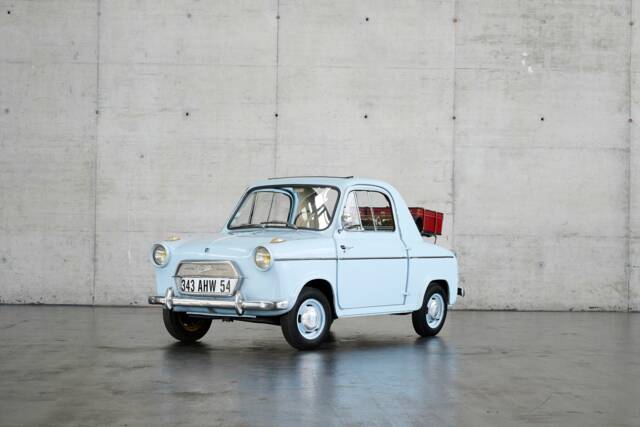
1961 | Piaggio Vespa 400
1961 Vespa 400. Im Auktionsverkauf. Schätzwert: 5.000 € - 10.000 €. Ohne Mindestpreis!

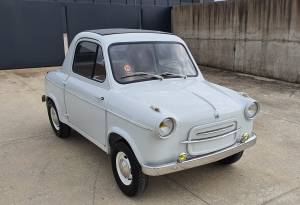
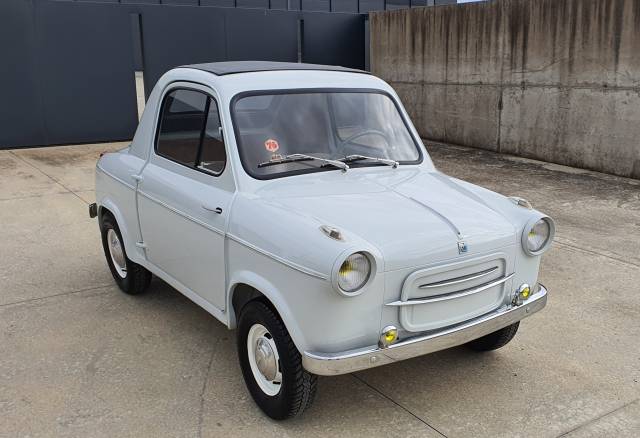
1957 | Piaggio Vespa 400
FULLY RESTORED !!!

Piaggio Vespa 400 listing references from Classic Trader
Below you will find listings related to your search that are no longer available on Classic Trader. Use this information to gain insight into availability, value trends, and current pricing for a "Piaggio Vespa 400" to make a more informed purchasing decision.
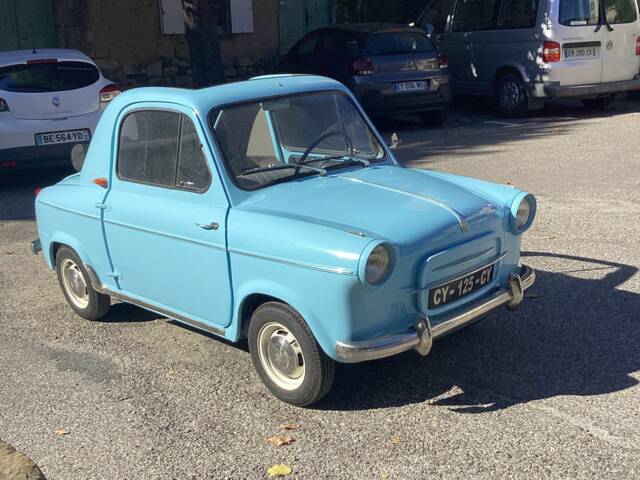
1959 | Piaggio Vespa 400
Vespa 400 | 1959 | Route 66 Auctions - For sale by auction. Estimate 11500 EUR

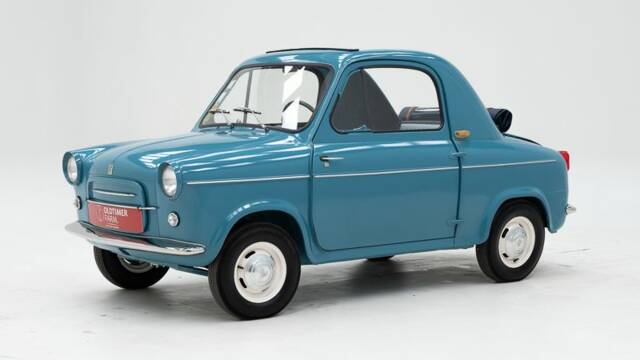
1958 | Piaggio Vespa 400
1958 Vespa ACMA '58

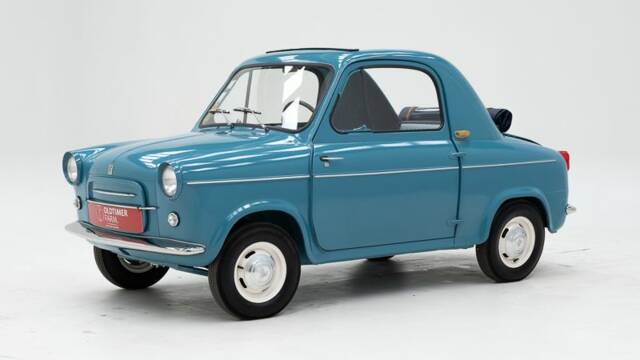
1958 | Piaggio Vespa 400
1958 Vespa ACMA '58
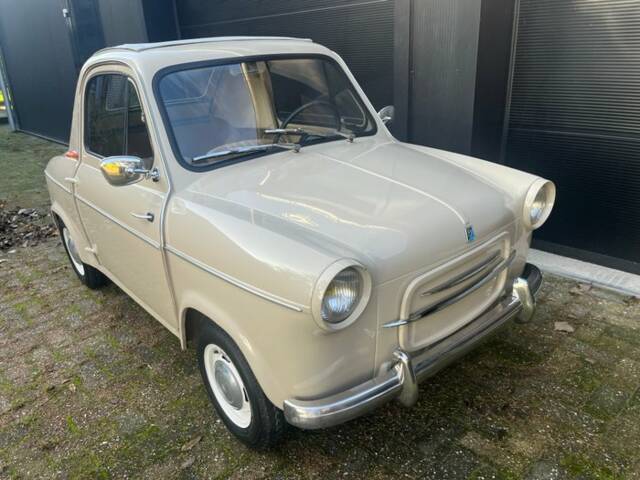
1959 | Piaggio Vespa 400
Vespa - 400 cabriolet - 1959
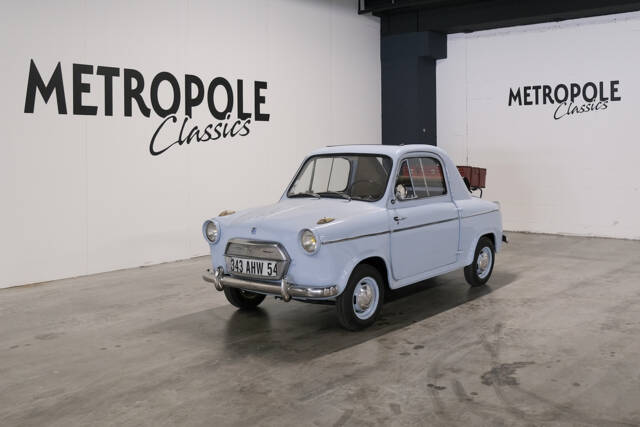
1961 | Piaggio Vespa 400
Vespa 400 OLD PRICE: € 19.750,- M0323
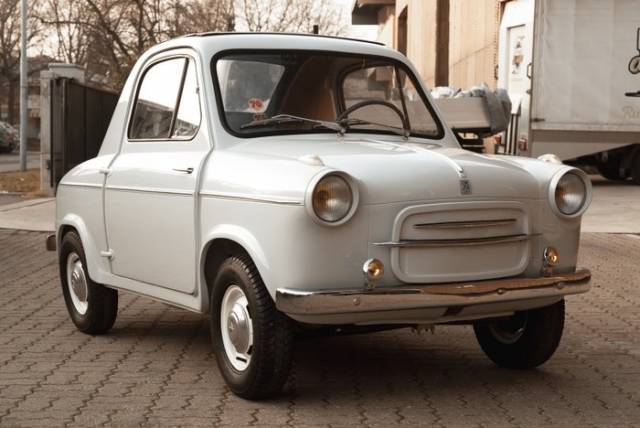
1957 | Piaggio Vespa 400
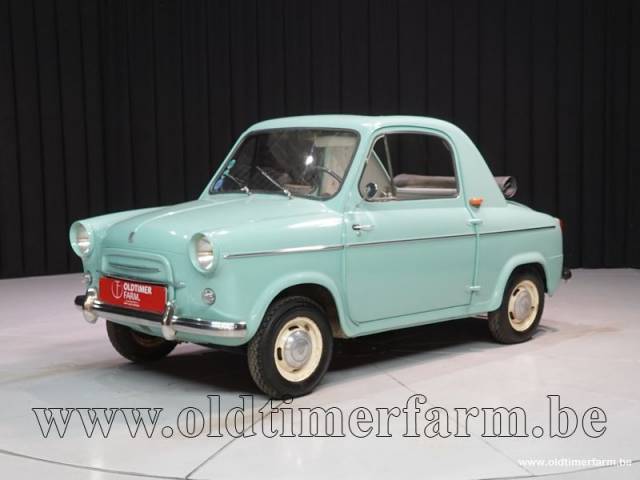
1959 | Piaggio Vespa 400
1959 Vespa 400 '59
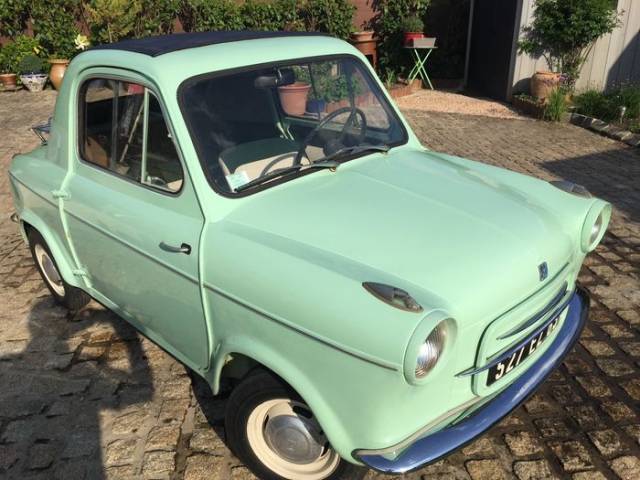
1960 | Piaggio Vespa 400
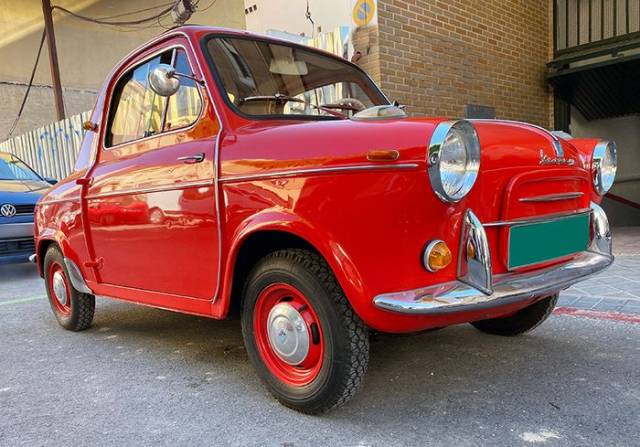
1960 | Piaggio Vespa 400
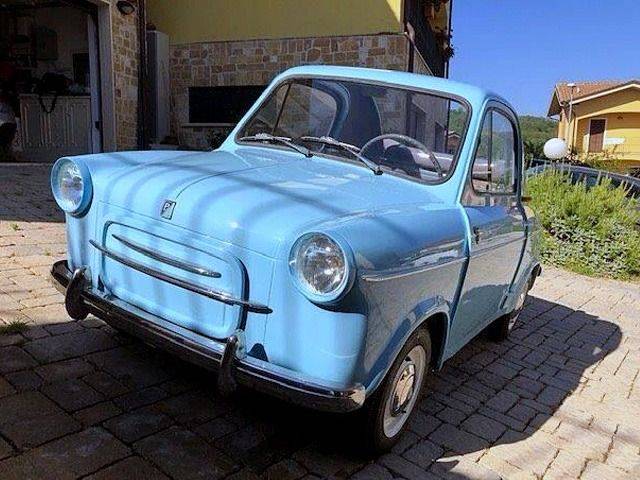
1958 | Piaggio Vespa 400
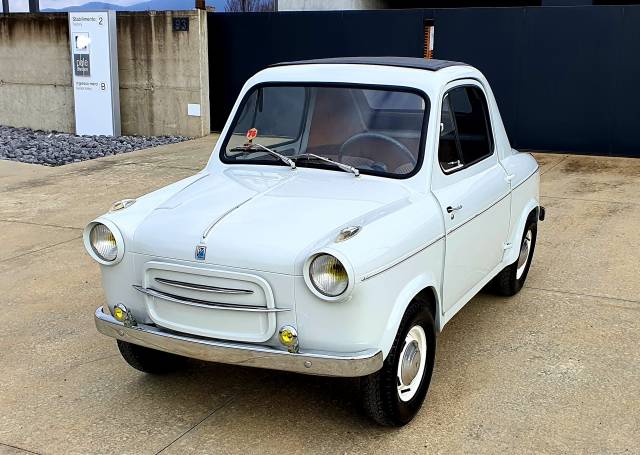
1957 | Piaggio Vespa 400
VERY RARE FIRST SERIES !!! FIXED GLASSES !!
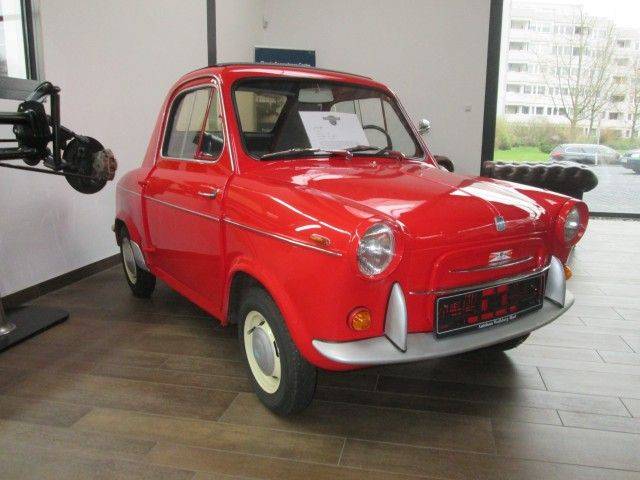
1960 | Piaggio Vespa 400

Piaggio Vespa 400 Classic Cars: Prices & Market Values
History of the Piaggio Vespa 400
Developed from Piaggio’s design vision, the Vespa 400 was manufactured by ACMA (Ateliers de Constructions de Motos et Accessoires) in Fourchambault, France starting in 1958. Piaggio intended to extend the Vespa brand into the microcar market, resulting in a compact vehicle featuring innovative construction for its segment and a focus on practical, everyday usability. Vehicles were initially supplied with French documentation, indicating direct targeting of the continental European market. Production continued until 1961, with the model becoming a notable representative of postwar microcar experimentation.
Model history of the Vespa 400
The Vespa 400 had no direct predecessor, as it represented Piaggio’s first foray into the microcar class though rooted in scooter engineering. Early units, especially the first series with fixed windows, are especially notable. Over its brief production run, the Vespa 400 remained largely consistent in design, with minor refinements and options — such as improvements to ignition, carburettor conversions by Mikuni, and evolutions in interior trim. The end of production in 1961 marked Piaggio’s exit from microcars, with no immediate successor model.
Highlights of the Piaggio Vespa 400
Key features of the Vespa 400 include its compact 2+2 coupé configuration, foldable fabric roof, and attention to interior originality. Restoration specialists and collectors value early models with fixed glass and matching numbers. Most available vehicles maintain high authenticity, with period-correct documentation, fabric upholstery, and sometimes even their original paint. Restoration often involves renewal of bushings, brake components, electricals, and bodywork — a testament to the microcar’s robust parts supply, primarily consisting of original new old stock rather than reproductions.
Technical data of the Piaggio Vespa 400
Special editions and collectible models of the Vespa 400
The first series Vespa 400s, distinguished by their fixed glass windows and early production numbers, are considered particularly noteworthy among collectors. Vehicles with matching numbers and unmodified original paint or upholstery carry added significance. Some restored examples feature period-correct upgrades like electronic ignition or specific Mikuni carburettors with bespoke intake manifolds—though authentic original parts are usually retained.
Weak Spots and Common Issues of the Vespa 400
Ongoing maintenance is straightforward but vital: regular cleaning and sealing of the fuel tank, oil changes, and inspection of the distributor, electrics, and brake system are standard. Complete refurbishments typically address bushings, master cylinders, brake drums and pads, hoses, gaskets, cables, and lighting. Body and paintwork require expertise due to the fabric rooftop and soft panels. Interiors, including seat covers and dash, are best renewed by skilled trimmers familiar with the original materials. Structural rust and worn mechanicals—common in microcars of this era—require careful inspection. Many available Vespa 400s have undergone comprehensive restoration, incorporating new or fully refurbished original parts.
Engine, transmission and handling of the Vespa 400
The Vespa 400 features a two-stroke engine with separate lubrication of the drivetrain, which delivers adequate power for a microcar of its era. The simple manual gearbox remains true to period engineering, and driving behaviour is defined by the lightweight chassis, providing agility at low speeds and in city environments. Safety can be improved on some models with the retrofit of rear turn signals. The tactile gear change and basic mechanicals offer an authentic classic microcar experience. Notably, early fixed glass Vespa 400s, cars with matching numbers, and those retaining original paint and interior are particularly sought after. These models often come with full documentation and a large number of original spares, enhancing their appeal for both use and display.
Interior, comfort and design of the Vespa 400
Characteristic of late 1950s microcar design, the Vespa 400 sports a plush—yet simple—fabric or vinyl interior, with original dashboards and door panels reflecting craftsmanship of the time. The body is equipped with a full-length soft top, providing both style and open-air driving. Chrome details on bumpers and front elements, together with artfully restored hubcaps, underline its era-correct appearance. Options have included two rear indicators for increased safety. Refined accessories and professionally restored interiors, including sunshades, seat covers, and floor mats, pay homage to the vehicle’s French-Italian heritage.
Other features of the Vespa 400
Many Vespa 400s still in circulation possess international documentation—often French, Spanish, or other European papers. The microcar is popular with specialist restorers and appears on well-known online auction sites, some offering worldwide shipping. Dedicated supply chains for original parts and knowledge networks support ongoing restoration and preservation efforts.
Summary of the Piaggio Vespa 400
The Piaggio Vespa 400 is a distinct microcar produced by ACMA in France to Piaggio specifications from 1958 to 1961. Featuring practical two-seat-plus-bench design, removable soft top roof, and a robust supply of authentic spare parts, it becomes a practical proposition for enthusiasts with restoration ambitions. Thanks to a near-exclusive share among Piaggio classics in both listings and buyer interest, the Vespa 400 occupies a unique niche in the microcar and collector landscape.