Patriarca Delfina classic cars for sale
The Patriarca Delfina stands out as a rare example of Italian engineering and motorsport heritage, offering a uniquely focused experience for classic motorsport enthusiasts. With a striking design and a reputation closely tied to competitive racing, the Delfina remains an intriguing option for collectors and fans of Italian automotive craftsmanship.
Search results
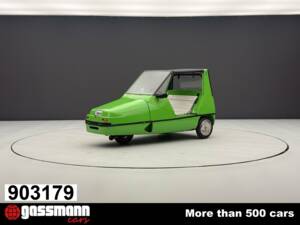
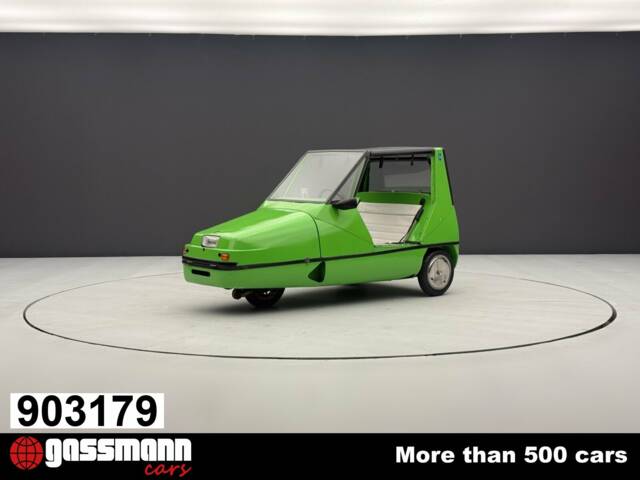
1994 | Patriarca Delfina
Patriarca Delfina 50cc Benelli

Patriarca Delfina listing references from Classic Trader
Below you will find listings related to your search that are no longer available on Classic Trader. Use this information to gain insight into availability, value trends, and current pricing for a "Patriarca Delfina" to make a more informed purchasing decision.
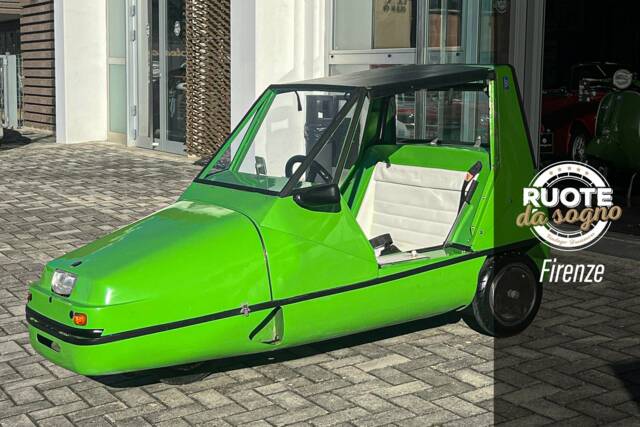
1994 | Patriarca Delfina
Patriarca Delfina Classic Cars: Prices & Market Values
History of the Patriarca Delfina
The Patriarca Delfina traces its roots to the Italian racing scene of the 1950s, an era defined by innovation and a drive for automotive excellence. Founded by patriarch Giovanni Patriarca, the company quickly made a name for itself in the world of competition cars, often competing alongside better-known Italian marques in hill climbs and endurance events. The Delfina emerged as an expression of Patriarca’s engineering philosophy – light, agile, and purpose-built for motorsport. Although produced in very small numbers, the Delfina’s reputation was forged on the track, where its mechanical simplicity and balanced chassis made it a favourite among privateer racers seeking an edge in Italian and European events.
Model History
The Delfina represented the primary model output of the Patriarca marque, with no large-scale commercial relatives either preceding or succeeding it. Built mainly for motorsport participation, the Delfina was typically supplied as a rolling chassis to be bodied by Italian coachbuilders according to the owner’s specifications. Due to its bespoke nature and limited run, each Delfina carries subtle differences, reflecting the era’s approach to artisan construction and the requirements of motorsport homologation. Later developments occasionally saw the use of updated engines and mechanicals, but production always remained extremely low – underlining the exclusivity of these cars.
Highlights of the Patriarca Delfina
What distinguishes the Patriarca Delfina is its pure motorsport orientation: tubular steel chassis, lightweight construction, and mechanicals drawn directly from racing. Each car was typically tailored for hill-climb or circuit racing, with a focus on agility rather than outright power, a rarity among 1950s sports cars. Elements like quick-change gear ratios, competition-spec suspension, and space for dual fuel tanks demonstrate the racing intent behind the Delfina’s design.
Technical Data
Special Editions and Collectible Models
Due to the rarity and custom-built nature of the Delfina, every example can be considered unique. Some vehicles feature bodywork by renowned Italian carrozzerie, adding provenance and aesthetic distinction. Occasional 'works' examples, built or campaigned directly by the Patriarca factory, are especially noteworthy for their motorsport history and configuration details.
Weak Spots and Common Issues
Given the Delfina’s motorsport heritage and bespoke construction, owners should pay close attention to the structural integrity of tubular frames, particularly regarding corrosion or damage from historic competition use. Mechanical components—often derived from period Fiat, Lancia, or Alfa Romeo sources—require expert inspection, as replacements may be hard to source due to the age and exclusivity of parts. Regular checks for fatigue in suspension components and careful monitoring of bodywork attachment points, especially on lightweight coachbuilt examples, are highly advised.
Engine and Performance, Transmission and Handling
Performance for the Delfina varies depending on original configuration and later modifications but always expresses a lightweight and responsive character. Typically weighing significantly less than contemporary road cars, the Delfina delivers an engaging driving experience with quick steering, short gearing, and sharp braking. These traits make it ideal for period motorsport or spirited road use. Power output depends on the engine—frequently tuned for competition—with drivetrains maximised for acceleration and agility rather than top speed. Unique coachbuilt models or examples with competition history are particularly prized among collectors for their provenance and mechanical specification.
Interior, Comfort, Exterior and Design
The design of the Patriarca Delfina is dictated by its competition focus: spartan interiors with simple instrumentation, lightweight bucket seats, and minimal upholstery. Dashboard layouts vary, often tailored for racing function over comfort. Exterior aesthetics depend on the coachbuilder: some bodies are characterized by elegant Italian lines, while others emphasise aerodynamic efficiency for motorsport. Unusual features such as covered headlamps, faired wheel arches, and period racing livery reflect the individual history of each car. Certain examples feature rare bespoke colours or period accessories, adding to their historical value.
Other Relevant Features
Given their rarity, surviving Delfina models sometimes include extensive racing documentation and period photographs, which can provide insight into their unique competition history. Some cars may also include race-prepared spares or original homologation paperwork, further connecting them to their motorsport roots.
Summary
The Patriarca Delfina encapsulates the innovation and spirit of Italian post-war motorsport. Its unique combination of bespoke manufacturing, coachbuilt artistry and dedicated racing engineering makes every Delfina a singular addition to any classic collection. Technical rarity, combined with verifiable motorsport history, ensures continued attention from knowledgeable enthusiasts and collectors who appreciate the nuance and exclusivity of 1950s racing cars.