- Coche
- Oldsmobile
- Oldsmobile Model 30 (0 ofertas)
Oldsmobile Model 30 classic car for sale
Oldsmobile’s Model 30, often referred to as the Oldsmobile Six, represents one of the most distinctive six-cylinder American touring vehicles from the 1920s. Produced in Lansing, Michigan, between 1923 and 1927, the Model 30 evolved mechanically and visually each year, with versions coded 30-A through 30-E. This page compiles current Oldsmobile Model 30 vehicles available for purchase, together with in-depth background and technical details.
Resultados de la búsqueda
Actualmente no hay anuncios que coincidan con su búsqueda.
Create search alert
Let yourself be notified as soon as a listing is published that matches your search filters.
Create listing
Do you have a Oldsmobile Model 30 that you want to sell? Then create a listing now.
Create listingOldsmobile Model 30 listing references from Classic Trader
Below you will find listings related to your search that are no longer available on Classic Trader. Use this information to gain insight into availability, value trends, and current pricing for a "Oldsmobile Model 30" to make a more informed purchasing decision.
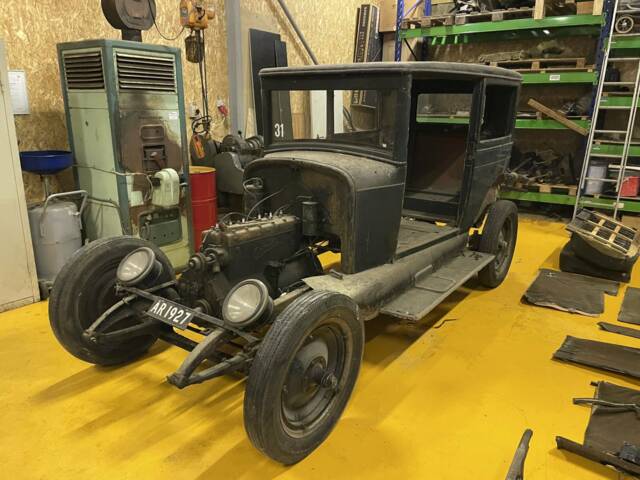
1927 | Oldsmobile Model 30-E
Restauring project
Create search alert
Let yourself be notified as soon as a listing is published that matches your search filters.
Create listing
Do you have a Oldsmobile Model 30 that you want to sell? Then create a listing now.
Create listingOldsmobile Model 30 Classic Cars: Prices & Market Values
History of the Oldsmobile Model 30
Oldsmobile introduced the Model 30 in 1923 as a robust six-cylinder model, distinguishing itself at a time when four-cylinder engines were still the norm for many American cars. Each production year carried an incremental letter suffix, marking continuous technical and visual enhancements until the end of its run in 1927. The Model 30 was exclusively built in Lansing, Michigan, underlining Oldsmobile’s status as an early innovator within the General Motors group. As a predecessor to later more luxurious Oldsmobile lines, the Model 30 firmly established the brand’s commitment to accessible engineering performance for a broader public.
Model History
The Model 30 series originated from Oldsmobile’s decision to diversify beyond four-cylinder cars. Starting with the 30-A in 1923, each subsequent letter marked annual updates in drivetrain, chassis, and bodywork, culminating in the final 30-E in 1927. As the Six, the Model 30 bridged the gap to more advanced Oldsmobile models and played a key role in the domestic rise of six-cylinder engines in the US. The direct successor to the Model 30 was the more refined and technically advanced models as Oldsmobile integrated further into the growing General Motors portfolio.
Highlights of the Oldsmobile Model 30
The Oldsmobile Model 30 is notable for having made the six-cylinder configuration broadly accessible in the mid-1920s, setting a standard for reliability at an attainable price point. Each year’s refinement introduced incremental improvements to ride comfort and durability, giving the vehicle long-term appeal among enthusiasts of pre-war American cars.
Technical Data
Special Editions and Collectible Models
The Model 30 itself was delivered in evolving series forms, labelled from 30-A through 30-E. These serial model codes denote annual updates rather than traditional limited editions. Collectors often seek out particularly complete or original examples of any of these annual designations, but there are no documented factory special editions for this model.
Weak Spots and Common Issues
Due to absence of specific manufacturer-reported issues for the Oldsmobile Model 30 series, buyers should pay particular attention to age-related wear: this includes checking for engine and transmission condition, chassis corrosion, and the state of wooden body framing, which was common in the era. Close examination of any mechanical restoration quality is advisable.
Engine and Performance, Transmission and Handling
The Oldsmobile Model 30’s six-cylinder engine gave it a considerable performance upgrade over four-cylinder competitors at its launch. Featuring a conventional rear-wheel drive and robust ladder frame, the Model 30 offered stable if not sporty handling typical for American touring vehicles of the mid-1920s. Its mechanical layout prioritised durability and comfort over outright speed. Within the Model 30 series, the later versions (30-D, 30-E) are frequently highlighted for their improved engine output and incremental chassis enhancements, making them preferred among dedicated restorers.
Interior, Comfort, Exterior and Design
The Model 30 followed the American tradition of the time, offering functional, uncluttered dashboards, generous open touring or sedan bodies, and period-correct trim like wooden wheels and painted or nickel-plated radiator shells. Special finishes or accessories, such as motometers, period luggage racks, or deluxe upholstery, reflect buyers’ individual tastes of the era. Interior materials varied, typically featuring mohair or leatherette, while exteriors were usually finished in deep lacquers popular during the 1920s. No renowned designer is associated with this model, but its contours reflect the solid, elegant aesthetic prevalent pre-Depression.
Other Relevant Features
Due to the Model 30’s production era, survivors today feature many hand-built characteristics. Mechanical simplicity makes them suitable for hands-on ownership, but sourcing era-correct parts may pose challenges. Enthusiast clubs and online platforms remain key resources for restoration advice and sourcing components.
Summary
Oldsmobile’s Model 30 forged a clear path for the six-cylinder mid-market touring car of the mid-1920s and stands out today as an example of early American mass production combined with mechanical evolution. Its variants from 30-A to 30-E reflect incremental but tangible advances. For collectors, the Model 30 is a noteworthy choice for its originality and historical significance within the Oldsmobile lineage.