- Car
- Oldsmobile
- Oldsmobile 66 (1 offer)
Oldsmobile 66 classic cars for sale
The Oldsmobile 66, produced between 1939 and 1948, marked a turning point for Oldsmobile, introducing practical innovations that set it apart in the full-size car segment. Designed as an affordable yet well-equipped entry into the Oldsmobile lineup, it brought technical and comfort features previously rare at this price point.
Search results
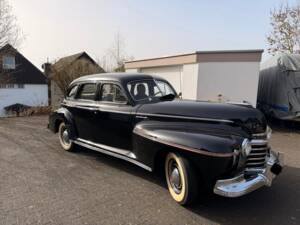
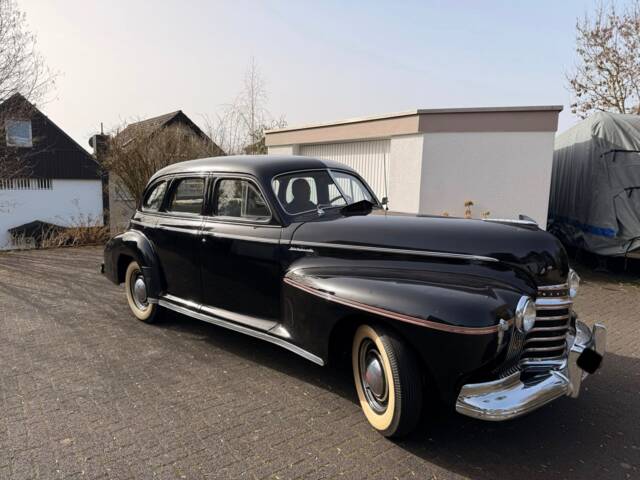
1941 | Oldsmobile 66
1941 Oldsmobile Series 66 Sedan – Survivor – Hydra-Matic Automatic – Original Paint – Matching Numbers – 2-Owner Car

Oldsmobile 66 listing references from Classic Trader
Below you will find listings related to your search that are no longer available on Classic Trader. Use this information to gain insight into availability, value trends, and current pricing for a "Oldsmobile 66" to make a more informed purchasing decision.
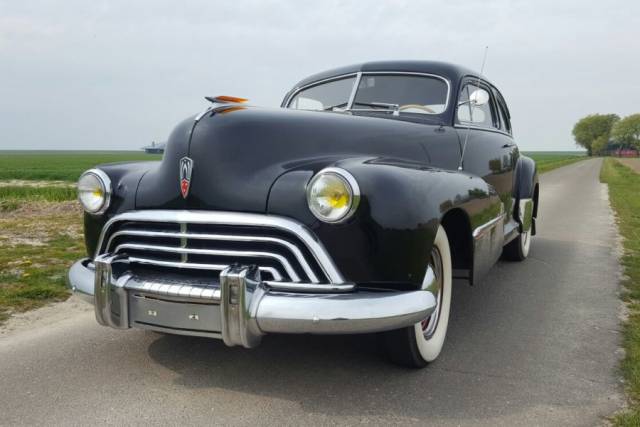
1947 | Oldsmobile 66 Special Club Coupé

Oldsmobile 66 Classic Cars: Prices & Market Values
History of the Oldsmobile 66
Introduced in 1939, the Oldsmobile 66 (Series 60 'Special') was conceived as the brand's entry-level model on General Motors' A-body platform. Competing directly with more basic Chevrolet and Pontiac siblings, the 66 offered additional standard features and comfort upgrades typically missing from its rivals. The model capitalised on the growing fame of U.S. Route 66, integrating this cultural reference directly into its marketing. As with many GM models of its era, the Oldsmobile 66 grew in width during its production run, eliminating exterior running boards to expand passenger compartment space. This focus on passenger comfort and usability paved the way for major interior reconfigurations, such as broader bench seating for three front and rear passengers. One of its more notable advances was the introduction of the column-mounted gear selector, especially for cars fitted with the early Hydramatic automatic transmission — a forward-thinking step for usability in the 1940s.
Model History
The Series 60 originated as Oldsmobile’s practical answer to the mass-market family car, bridging the gap between affordability and mid-tier comfort. Early models relied on Oldsmobile’s flathead six-cylinder engine, differentiating from the more expensive eight-cylinder Series 70 and 80. The 66 line remained constant until 1948, after which Oldsmobile’s lineup shifted its focus. There was no direct modern successor to the Series 60/66, as GM's platform strategy evolved after WWII, and Oldsmobile saw its positioning move upward in the market hierarchy.
Highlights and Unique Features
The Oldsmobile 66’s main distinctions were the early adoption of GM’s broader A-body, which provided impressive passenger space for an entry-level full-size car, and features such as a steering column gear selector. The majority of entry-level cars on this platform, particularly from Chevrolet and Pontiac, offered fewer amenities — making the 66 stand out to buyers wanting more standard comfort without moving into a higher price class. The link to U.S. Route 66 in marketing connected the model to the American spirit of travel and mobility during and after the pre-war era.
Technical Data
Special Editions and Collectible Models
No factory-designated special editions for the Oldsmobile 66 have been recorded. However, certain production years with particularly low numbers, or cars equipped with rare factory accessories, may hold additional interest for collectors.
Weak Spots and Common Issues
Maintenance for the Oldsmobile 66 revolves around typical pre-war American mechanicals. The flathead six is robust if maintained with regular oil changes and lubrication. The early Hydramatic transmissions, when fitted, need routine fluid and seal checks. Bodywork may be susceptible to typical rust issues where running boards were removed, as mud and road debris could impact sills and lower body panels. Original interior materials and trim can be expensive to source if restoration is necessary.
Engine and Performance, Transmission and Handling
The flathead six-cylinder engine prioritised reliability and smoothness over outright speed, aligning with the car’s family-focused design. Handling was characteristic of full-size GM cars from the era: soft suspension settings for comfort, and a solid, relatively heavy chassis. The move to a steering column-mounted gear selector for the Hydramatic contributed to simpler operation and more interior space. While not engineered for high performance, the Oldsmobile 66 was among the easier full-size American cars of its era to drive. The standout engineering highlight was the introduction of the Hydramatic automatic transmission as an option during the production run, which made the Oldsmobile 66 especially appealing to buyers seeking effortless motoring — a rare feature in affordable cars at the time.
Interior, Comfort, Exterior and Design
The design of the Oldsmobile 66 reflected GM’s pre-war and immediate post-war design cues: pronounced curved fenders, enlarged cabin space, and bench seating for up to six. The elimination of exterior running boards made way for a sleeker, more modern profile. Material choices included typical period-appropriate cloth and, in certain trim levels, carefully finished plastics and fascia. The column gear selector increased front passenger foot room. Accessories ranged from heater units to special radio options and trim lines, depending on year and market.
Other Notable Features
While no marked factory bespoke models were released, many Oldsmobile 66s were sold with period accessories tailored to U.S. domestic buyers, including factory-fitted AM radios, heater-defroster systems and external brightwork upgrades. Some vehicles were delivered with dealer-fitted accessories, such as fog lights or custom seat covers, adding unique characteristics to individual examples.
Summary
The Oldsmobile 66 merged attainable pricing with features and comfort adjustments which differentiated it among full-size American cars of the late 1930s and 1940s. Its technical innovations, use of GM’s then-modern A-body, and the marketing link to U.S. Route 66 make it a distinctly American artefact from the era. For enthusiasts, the 66 remains a highly usable classic with practical engineering, a spacious interior and understated design features recognised by attentive classic car collectors.