- Car
- Nash (1 offer)
Buy Nash Classics
Nash blended American innovation with bold styling, from the wind-cheating Airflyte to the rare Nash-Healey and the compact Rambler. For Australian buyers, that mix is especially appealing because the brand connects to local RHD history, AMI assembly, and a strong enthusiast scene.
Search results
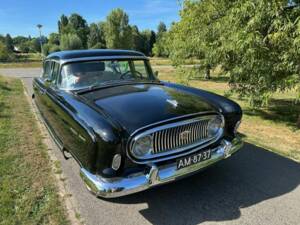
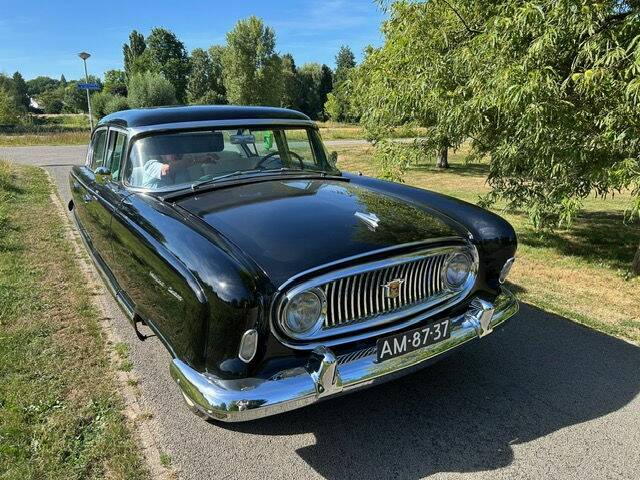
1955 | Nash Ambassador 8
Nash Ambassador V8 | Route 66 Auctions - For sale by auction. Estimate 15600 EUR

Nash listing references from Classic Trader
Below you will find listings related to your search that are no longer available on Classic Trader. Use this information to gain insight into availability, value trends, and current pricing for a "Nash" to make a more informed purchasing decision.
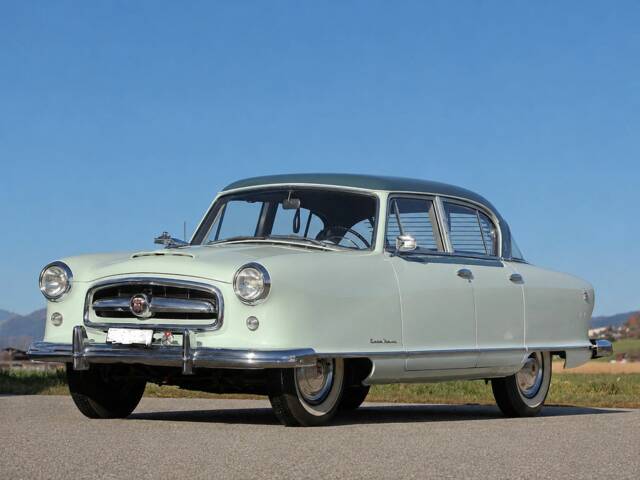
1954 | Nash Rambler
Nash Custom Rambler | 1954 | Route 66 Auctions - For sale by auction. Estimate 11400 EUR
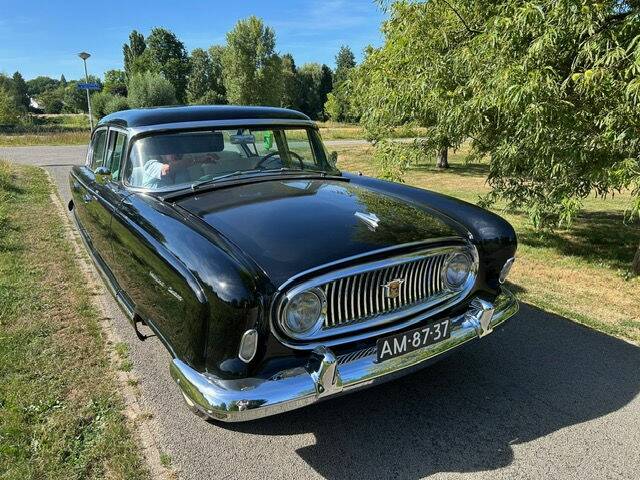
1955 | Nash Ambassador 8
Nash Ambassador V8 | Route 66 Auctions - For sale by auction. Estimate 15500 EUR
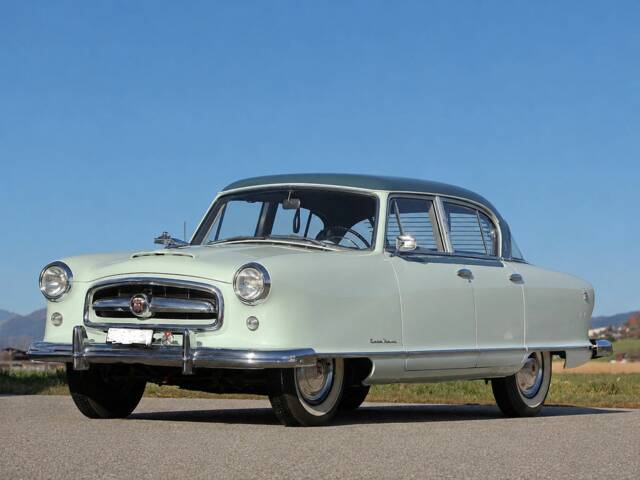
1954 | Nash Rambler Cross Country
Nash Custom Rambler | 1954 | Route 66 Auctions - For sale by auction. Estimate 13500 EUR
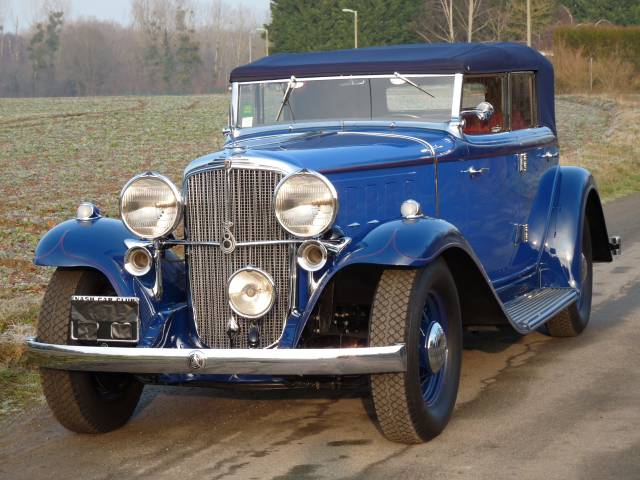
1932 | Nash Ambassador 8
1093 four doors convertible Sedan

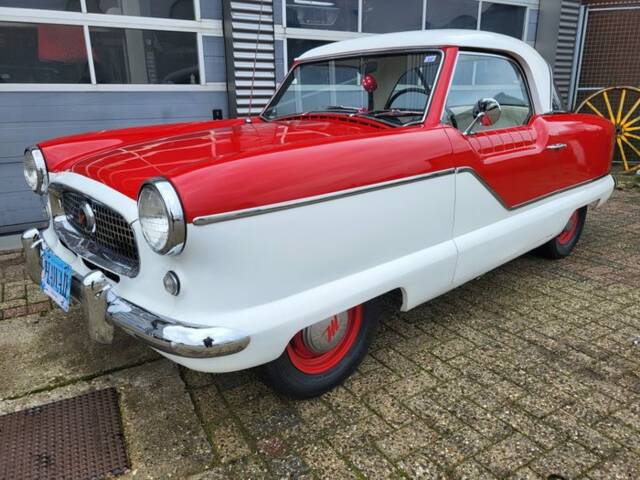
1957 | Nash Metropolitan
Nash - Metropolitan - 1957
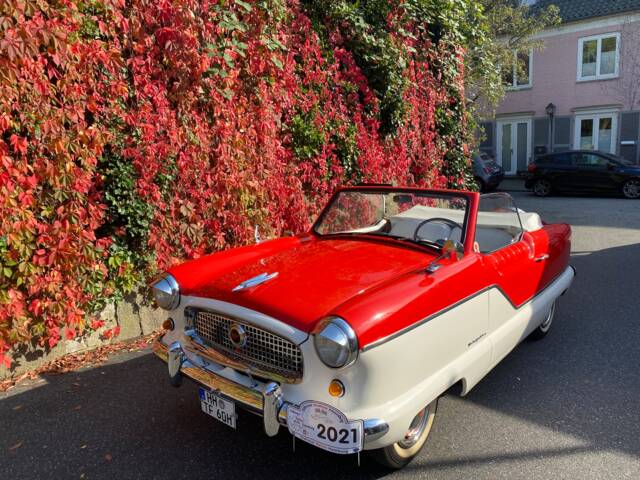
1960 | Nash Metropolitan
Roadster

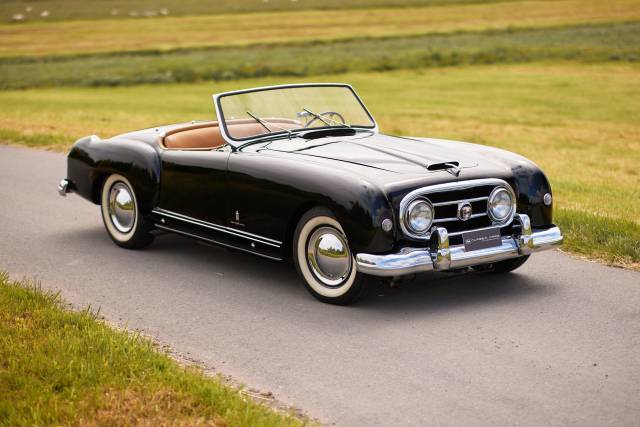
1953 | Nash Nash-Healey
Roadster
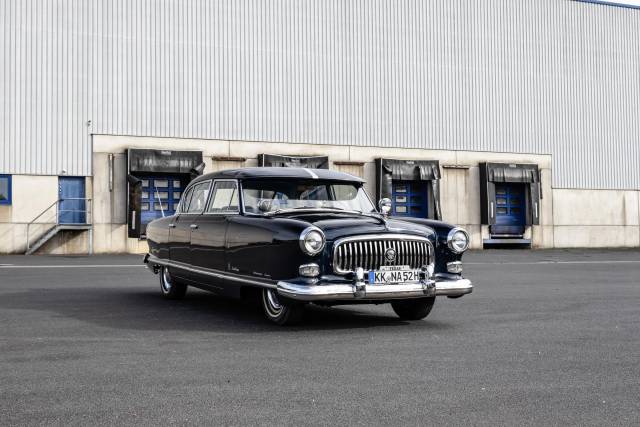
1952 | Nash Airflyte Ambassador
Nash Ambassador Airflyte Super (Golden Anniversary) Designed By Pininfarina
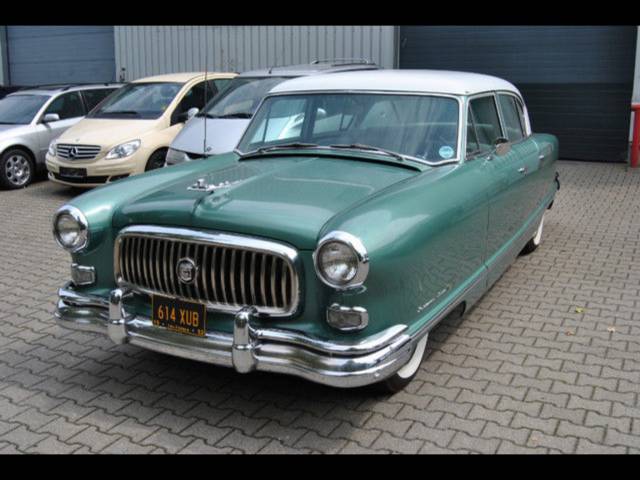
1952 | Nash Airflyte Ambassador
Nash Ambassasor Super Airfliyte zugelassen mit H Kennzeichen Tausch möglich
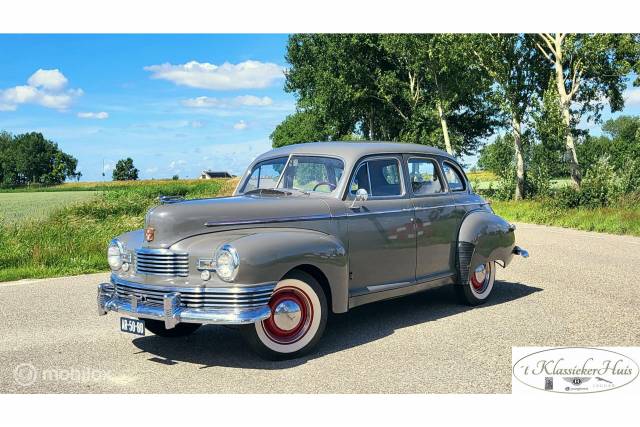
1947 | Nash 600 Trunk Sedan
Nash 600 super
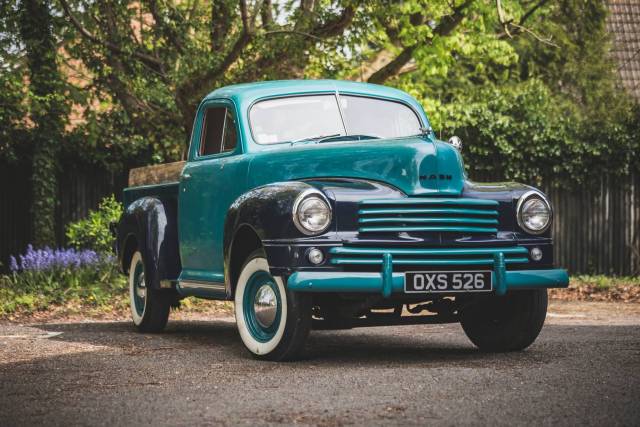
1946 | Nash P1
One-Off Prototype - Restored - Quite Amazing

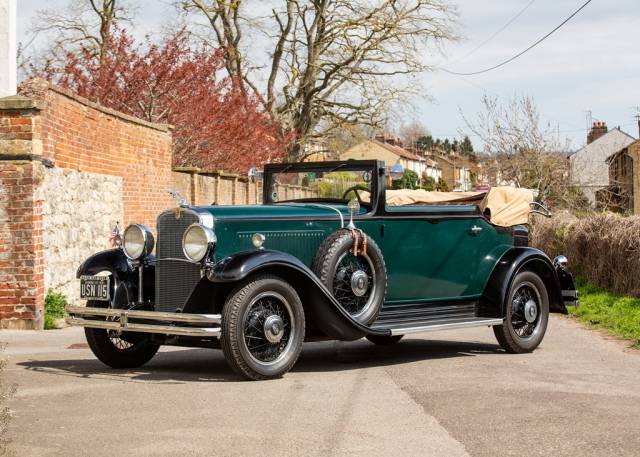
1931 | Nash 881 Convertible
Nash 881 Convertible
History
Nash is one of those marques that rewards buyers who like engineering stories as much as chrome and curves. The company was founded in Kenosha, Wisconsin, in 1916 after Charles W. Nash took control of the Thomas B. Jeffery Company, inheriting the Rambler name and a reputation for solid, thoughtfully built cars. From the start, Nash tried to do things differently: better packaging, smart use of space, and a willingness to chase technical progress rather than simply follow Detroit fashion.
By the 1930s and 1940s, Nash had become a serious player in the upper-middle and luxury classes, especially with the Ambassador. After the war, the brand moved into its most distinctive era. The Airflyte of 1949 brought full-fendered, wind-tunnel-informed shapes to the market and made Nash instantly recognisable. The company’s compact Rambler followed in 1950 and became one of the most important small American cars of the post-war period, long before “downsizing” became a buzzword.
Then came the halo cars. The Nash-Healey was a transatlantic sports car built from a Nash straight-six, a Healey chassis, and later Pininfarina coachwork. It gave Nash a motorsport edge and a rare prestige model with real racing credibility. In 1954, Nash merged with Hudson to form AMC, and the Nash name gradually faded, but its technical DNA remained visible in Rambler-badged cars and AMC derivatives for years.
For Australian collectors, Nash has an added layer of relevance. Australia saw RHD Ramblers through Ira L. & A.C Berk, later AMI (Australian Motor Industries) CKD assembly from 1961, and a wider local appreciation for AMC’s “orphan” character. That matters today: buyers here understand low-volume American cars, import complexity, and the value of right-hand-drive history. It also means Nash sits comfortably in the same conversation as Packard, Hudson, and other niche classics that never followed the mainstream.
One caveat for local buyers: the Nash Metropolitan was not sold new in Australia in any meaningful mainstream sense, so most examples are imports. That makes originality, paper trail, and compliance history especially important.
Highlights
Nash stands out because the brand was never just another American make. Its best cars combine useful engineering with visual personality, and that combination still sells well to collectors who want something different.
- Airflyte design: The 1949–1951 cars are among the most recognisable post-war Americans, with their rounded bodywork and almost aerodynamic surfacing.
- Rambler practicality: Nash made a compact car feel upmarket, not cheap. That idea would later echo through the entire US industry.
- Nash-Healey pedigree: Few American marques can claim a genuine sports car with European coachbuilding and Le Mans history.
- Ambassador presence: Big, comfortable, and well-equipped, the Ambassador is the Nash for buyers who want distance-covering style.
- Metropolitan charm: Tiny, cheerful, and easy to live with, it’s one of the most approachable classics in the whole Nash family.
- Technical courage: Nash was early with ideas like sealed-unit body construction, clever ventilation, and packaging-led cabin design.
Australian buyers tend to value cars that feel special without being impossible to own. Nash fits that brief nicely. The marque is uncommon enough to draw attention at club runs and café meet-ups, yet it is not so rare that every drive feels precious. In the Australian classic car scene, where Holdens, Falcons, MGs, and E-Types dominate a lot of chatter, Nash gives you a more individual statement.
That individuality is reinforced by the cars’ shapes. A Nash does not blend in. An Airflyte looks almost sculptural. A Rambler has a tidy, neatly proportioned stance. A Metropolitan looks like it should be parked outside a Brighton beach house, a Byron Bay café, or a suburban garage full of weekend toys. And a Nash-Healey looks every bit the special-order machine it was.
Technical Data
The table shows why Nash is such a good make-level buy for enthusiasts with different tastes. The Nash-Healey is the rarest and most prestigious, the Airflyte is the style icon, the Rambler is the smart entry point, the Ambassador is the long-legged luxury choice, and the Metropolitan is the compact crowd-pleaser.
For Australian buyers, the numbers also hint at ownership realities. The smaller, lighter cars can be easier to store and cheaper to move, while the larger Ambassadors and some Airflytes can be more expensive to ship, insure, and maintain. Import costs matter here: freight, GST, customs processing, compliance work, and possible right-hand-drive or state-registration hurdles can quickly add a meaningful premium to the purchase price. That is why a seemingly affordable US listing can become an A$40,000+ landed proposition once all the paperwork and logistics are done.
Market Overview & Buying Tips
The Australian Nash market is thin, but that is not a bad thing. It means the right car can stand out quickly, and well-documented examples often attract buyers who already know what they are looking at. As a rule, you should think in terms of model family, condition, originality, and import story rather than just odometer figures.
Nash-Healey: These are the blue-chip cars in the range. Recent international sales show that good roadsters and coupes can move from the mid-five figures in US dollars into much higher money once condition and provenance improve. Converted into Australian context, clean cars commonly justify an A$80,000 to A$150,000+ asking range depending on body style, coachwork, and completeness, with exceptional cars well above that. Because only 506 were built, originality is everything. Check engine numbers, chassis identity, coachbuilder details, and body material condition carefully. A car missing hard-to-find trim or major mechanical components can become a long, expensive project.
Airflyte and senior Nash sedans: These are often more affordable than the sports cars, but the restoration bill can bite. In overseas markets, decent driver-quality cars may sit around the equivalent of A$20,000 to A$45,000, while excellent restorations can rise above that. The shape is wonderful, but the structure is what matters. Rust repair on a self-supporting Nash is not a casual weekend task. Look hard at lower panels, floorpans, sills, wheelarches, trunk areas, and the underside of the body. In coastal Australian climates, corrosion can advance fast if the car has spent time near salt air.
Nash Rambler: This is often the most sensible choice for Australian enthusiasts. International prices for tidy cars commonly translate to A$18,000 to A$40,000 depending on body style and condition, with convertibles and highly original examples sitting at the top of the range. The Rambler’s size works well in modern traffic, and its “small but not cheap” character fits the Australian taste for usable classics. Because AMI assembled Rambler-badged cars locally from 1961, there is also a special local resonance: Australian buyers tend to appreciate the model more than they might at first glance.
Nash Ambassador: The Ambassador ranges from elegant pre-war luxury to the later V8 full-size cars. Prices are highly dependent on year and trim. A good post-war Ambassador can often be found in the A$25,000 to A$60,000 band, while desirable V8 cars and well-restored examples can exceed that. These are best for buyers who want presence, comfort, and long-distance cruising rather than nimble handling.
Nash Metropolitan: In Australia, the Metropolitan is popular with newcomers and seasoned collectors alike because it is compact, photogenic, and mechanically straightforward. Expect many imported cars to land around A$15,000 to A$35,000, with top restorations higher. Since the Metropolitan was built in the UK, parts availability is often better than people expect, but body rust is the real danger. Floors, sills, lower doors, and rear body sections should be inspected carefully.
When buying in Australia, think about import pathway early. A car over 25 years old can qualify under the older-vehicle route, but there is still compliance paperwork, port handling, and state-by-state registration scrutiny. US LHD cars are especially worth checking against your registration state’s rules before you commit. A smart purchase on paper can become awkward if the registration path is unclear.
Also factor in the Australian ownership landscape. Enthusiast support is strong, but niche. The best cars are the ones with club backing, spare-part sources, and honest documentation. For Nash, that means paper trails, club contacts, and pre-purchase inspection by someone who knows American classics, not just generic vintage sedans.
Driving Feel
Driving a Nash is about character, not outright speed. Each model family has its own rhythm, and that is part of the appeal.
The Airflyte feels like a rolling lounge chair with a steering wheel. It rides with a calmness that suits open Australian roads, especially on relaxed weekend drives through regional towns or coastal hinterlands. The steering is period-appropriate rather than sharp, but the car’s relaxed personality is exactly why people fall for it. It encourages smooth inputs and an unhurried pace.
The Rambler feels compact, honest, and pleasantly usable. Compared with many American cars of its era, it is easier to place on narrow roads and in car parks. That makes it a better fit for Australian owners who want to actually use their classic. It is the kind of car you can take to a club breakfast without feeling like you need a truck’s turning circle or a fuel bowser every 200 kilometres.
The Ambassador is all about relaxed torque and distance. It suits the Australian outback fantasy better than many smaller classics, provided the car is mechanically healthy and cooling is sorted. Big Nash cars like to lope, and they do it with a dignity that makes them feel more expensive than their market values suggest.
The Nash-Healey is the enthusiast’s car in the range. It feels lighter, more focused, and much more alive than the sedans. The steering, seating position, and drivetrain give it an authentic pre-modern sports car feel, and that is why the best examples are so coveted. It is not merely a collectible; it is a car that rewards a committed driver.
The Metropolitan is the opposite of intimidating. It feels playful and light, and because it is small, every drive becomes an event. In Australian cities, it is especially charming: easy to park, easy to show, and impossible to ignore. If you want a classic that sparks conversations everywhere from suburban meet-ups to coastal car events, the Metropolitan delivers.
Design
Nash design evolved from tidy conservative American styling into something much more adventurous. That evolution is what gives the make its range of personalities.
The pre-war Ambassador shows Nash at its most formal. Long bonnets, upright proportions, and substantial coachwork give those cars a commanding look. They suit buyers who want early-American elegance and a link to the era when prestige came with large engines, generous trims, and a more traditional silhouette.
The Airflyte era is the visual peak of the brand for many collectors. Those rounded, slab-sided forms, integrated front fenders, and flowing rooflines create a look that is instantly identifiable from a distance. It is not pretty in a delicate sense; it is bold, modern, and slightly futuristic. That is why the Airflyte still works so well on the concours lawn or in a modern lifestyle photoshoot.
The Rambler brings the same intelligence in a smaller package. It is neat rather than dramatic, but that restraint is part of its charm. It looks like a car designed by people who knew exactly how much car a family needed and refused to waste anything.
The Nash-Healey is the most cosmopolitan design in the family. British engineering, American power, and later Italian coachwork create a shape that feels more elite than its brand badge might suggest. For Australian buyers, that transnational mix is attractive because it puts the car in a broader collector conversation than a single-country classic.
The Metropolitan is perhaps the most loveable of all. Its proportions are tiny, its face is cheerful, and its scale almost guarantees attention. It is a design that does not rely on aggression or status. Instead, it trades on charm, and that is why it remains so easy to sell to new enthusiasts.
Nash also deserves credit for being a brand that designed around the cabin, not just around the exterior. Space use, seating comfort, ventilation, and visibility were all central concerns. That practical intelligence is part of the reason the cars feel so distinctive even today.
Other
Nash’s motorsport and cultural footprint is small compared with the biggest American brands, but it is memorable. The Nash-Healey earned real respect on European circuits, including Le Mans, and that sporting link still underpins its desirability. Buyers respond to cars with a story, and Nash-Healey has one of the best stories of any post-war American sports car.
In Australia, the brand’s relevance is tied less to competition trophies and more to provenance, assembly history, and the enthusiast community. Ira L. & A.C Berk helped build the early import/distribution relationship that put American cars into local consciousness, while AMI’s CKD assembly from 1961 gave Nash/AMC cars a tangible Australian presence through the broader Rambler line. That history matters because it gives the marque a local foothold even where fully built Nash-branded cars were never common.
There is also a practical side to that heritage. Australian collectors are familiar with the realities of import duty, GST, quarantine cleaning, freight, and registration. A US LHD Nash can still be a smart buy, but the landed cost must be calculated honestly. Once you add shipping, compliance, and paperwork, a car that looks like a bargain in dollars can sit much closer to the price of a tidy local classic.
Club support is another plus. Nash and AMC enthusiasts are usually well networked, and that matters for parts and advice. The brand may be niche, but it is not isolated. Australian owners can draw on both local classic-car clubs and international parts networks, which helps keep projects moving.
Summary
Nash is a make for buyers who value originality, engineering curiosity, and a little bit of understatement. The Nash-Healey is the prestige choice, the Airflyte is the design statement, the Ambassador is the comfort cruiser, the Rambler is the sensible collector car, and the Metropolitan is the cheeky little icon that wins hearts fast.
For Australia, Nash makes even more sense than it first appears. The local RHD Rambler story, AMI assembly, and strong appreciation for rare American marques give the brand a genuine place in the market. Add in the realities of import costs, LHD registration rules, and rust risks in coastal climates, and the best advice is simple: buy the cleanest, most original car you can afford.
If you want a classic that feels uncommon without being awkward, Nash deserves a serious look. Find the right example, verify the paperwork, and you’ll own a car that still feels distinctive every time you turn the key.