- Car
- Mitsubishi
- Mitsubishi Celeste (1 offer)
Mitsubishi Celeste classic cars for sale
The Mitsubishi Celeste, a distinctive coupé derivative of the first-generation Lancer, stands out among classic Japanese models for its sporty silhouette and unique market history. Originally positioned to bridge the gap between economy and sports models, the Celeste attracts enthusiasts who appreciate authentic 1970s styling and the technical ingenuity of Mitsubishi’s early engineering. Discover a Mitsubishi Celeste from our exclusive listings and explore the highlights of this dynamic coupé.
Search results
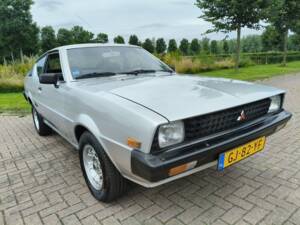
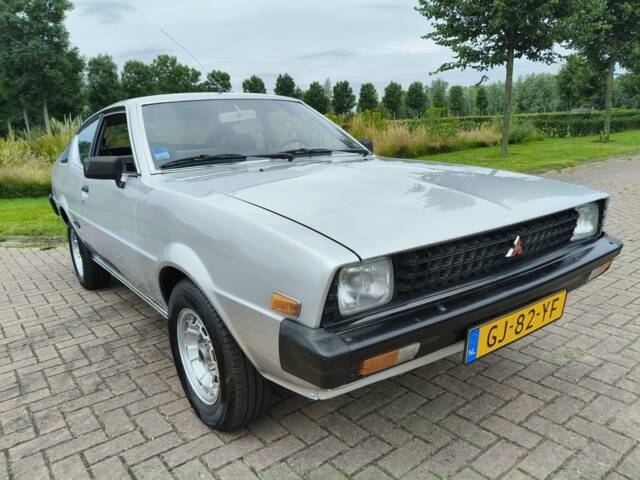
1981 | Mitsubishi Celeste
Mitsubishi Celeste 1600 ST | 1981 | Route 66 Auctions - For sale by auction. Estimate 7200 EUR

Mitsubishi Celeste listing references from Classic Trader
Below you will find listings related to your search that are no longer available on Classic Trader. Use this information to gain insight into availability, value trends, and current pricing for a "Mitsubishi Celeste" to make a more informed purchasing decision.
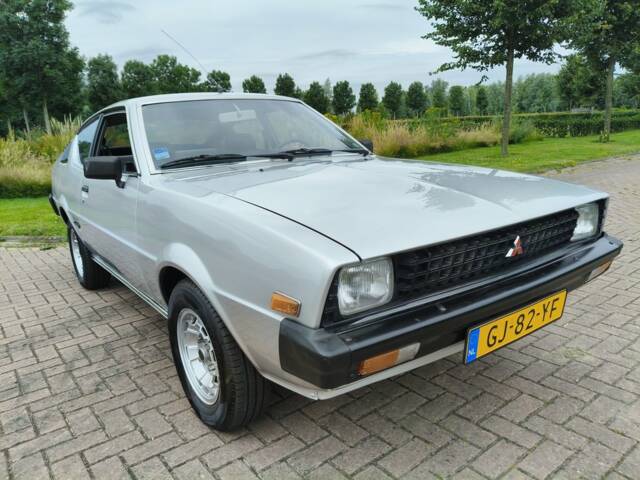
1981 | Mitsubishi Celeste
Mitsubishi Celeste 1600 ST | 1981 | Route 66 Auctions - For sale by auction. Estimate 7200 EUR

1980 | Mitsubishi Celeste
2000 GSR

Mitsubishi Celeste Classic Cars: Prices & Market Values
History of the Mitsubishi Celeste
The Mitsubishi Celeste debuted in 1975 as a coupé variant of the original Lancer (A70) series, itself launched in 1973 as Mitsubishi’s answer to the growing demand for compact yet dynamic vehicles. Developed on the firm’s flexible A70 platform, the Celeste aimed at customers favouring a sportier appearance without sacrificing everyday usability. The model remained in production until 1981, offering a blend of Japanese engineering and individualistic styling that set it apart from ordinary sedans of the era.
Model history
The Celeste’s roots lie in the Mitsubishi Lancer A70 series, which had already replaced the Colt 1200 in the early 1970s. The Celeste inherited much of the Lancer sedan’s mechanical layout but shifted focus to sporty driving with its coupé body style. After 1981, the Celeste was succeeded by other sportier iterations within the Lancer lineage, marking the end of its unique presence as a distinct coupé in Mitsubishi’s line-up.
Highlights of the Mitsubishi Celeste
The Celeste’s greatest appeal lies in its fusion of compact coupé proportions with the robust underpinnings of the Lancer. Characterised by sharp, wedge-shaped lines, large glass surfaces, and a driver-focused cabin, it exemplifies 1970s Japanese automotive design. The Celeste was praised for its reliability and adaptability in global markets, with various names and configurations. Today, the Celeste accounts for 100% of Mitsubishi classic car supply in our marketplace, highlighting its singular status among Mitsubishi models. Demand data for the Celeste is currently unavailable.
Technical data
Special Editions and Collectible Models
Information on strictly limited or special editions of the Celeste is sparse in available sources. However, enthusiasts may encounter market-specific variants with unique trims or enhanced equipment depending on market—particularly in Japan and select export territories.
Weak Spots and Common Issues
Specific weak spots or recurring problems for the Mitsubishi Celeste are not documented in our current sources. As with many Japanese coupés of the era, typical inspection points include body rust due to minimal corrosion protection, especially around wheel arches, sills, and underbody sections.
Engine and Performance, Transmission and Handling
The Celeste’s engine line-up includes economical four-cylinder units, which are known for their reliability when correctly maintained. Rear-wheel drive and relatively light weight made the Celeste nimble in city and country driving alike. The manual gearbox is preferred by purists for its direct shifting and mechanical feedback, while the basic suspension design offers enough comfort for daily use and an honest, unfiltered feel of the road. Particularly desirable Celeste variants tend to be those equipped with higher-output engine options available in certain export markets, but concrete model distinctions depend on availability.
Interior, Comfort, Exterior and Design
Styling of the Mitsubishi Celeste showcases the visual language of 1970s Japanese coupés: wedge profiles, bold creases, distinctive front and rear details, and generous glass surfaces. Interiors are typically functional, offering analog instrumentation and straightforward materials. Optional features might include period-correct alloy wheels, sunroofs, or vinyl roof treatments, reflecting market and trim variations. Special accessories such as original badges or factory sport seats are especially valued by collectors.
Other relevant information
The Celeste was released under various model names depending on the country and is sometimes considered a hidden gem among Japanese classic cars for its individuality and scarcity outside Japan. Its close relation to the Lancer means many mechanical parts are easier to source compared to rarer, stand-alone coupé offerings.
Summary
The Mitsubishi Celeste is a unique chapter in the brand’s history—a coupé derivative of the successful first-generation Lancer, known for its characteristic 1970s style and balanced driving qualities. Its 100% representation in our Mitsubishi classic listings underlines its prominence among classic Mitsubishi models in Western markets. With careful attention to specific model features and preservation of original condition, the Celeste offers a rewarding experience for classic car enthusiasts interested in a standout Japanese coupé from the golden age of compact sports cars.