Mini 850 classic cars for sale
The Mini 850, introduced by the British Motor Corporation in 1959, redefined compact car engineering for the urban landscape with its ingenious design by Alec Issigonis. This rear-space-optimised four-seater set technical standards with its transverse engine and unparalleled manoeuvrability.
Search results
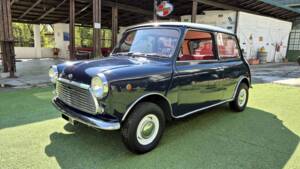
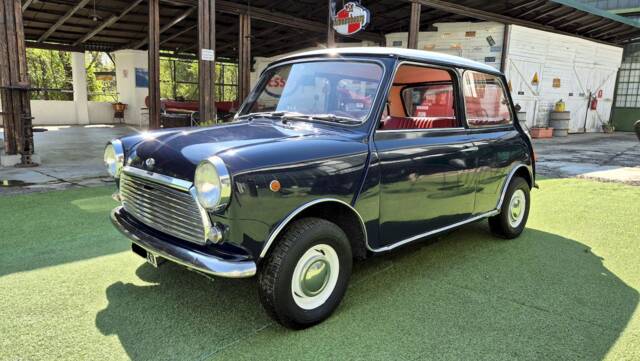
1970 | Mini 850
SUMMER PRICE 2026 @ CITY MOTORS

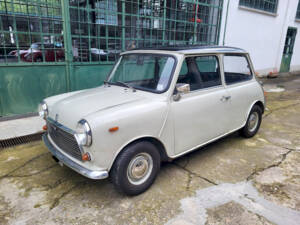
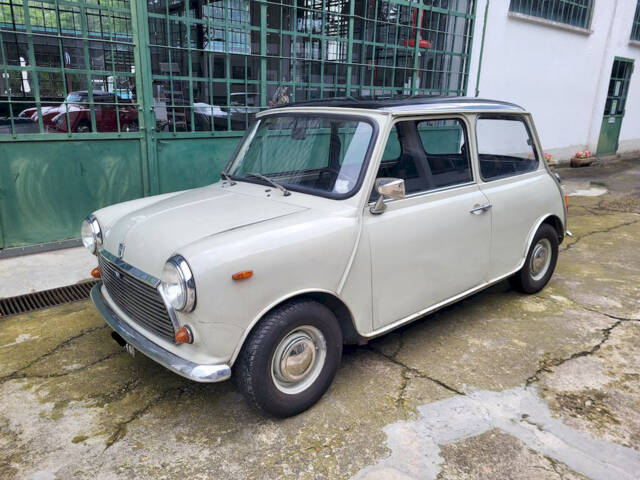
1976 | Mini 850
SUMMER PRICE 2026 @ CITY MOTORS
Auctions ending soon

Loading…
Loading…
Loading…
Loading…
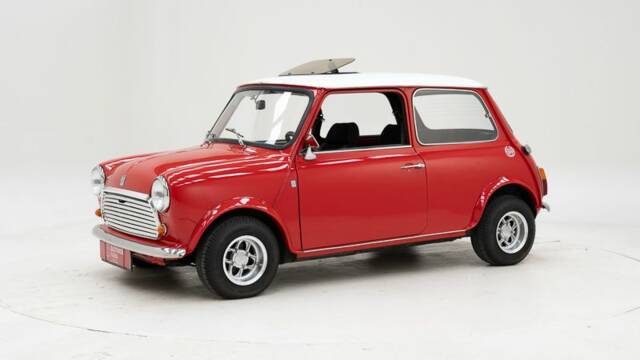
1975 | Mini 850
1975 Mini 850 '75

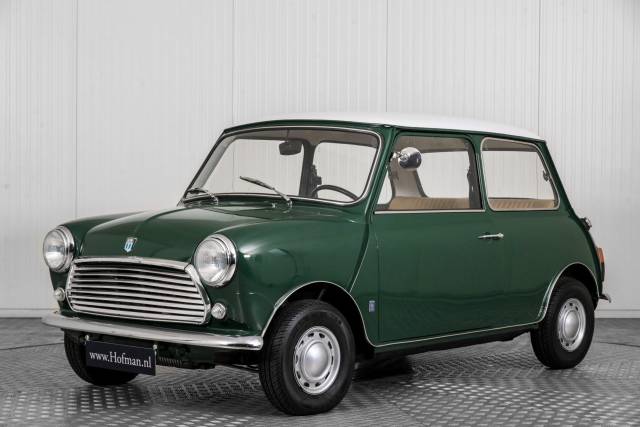
1974 | Mini 850
MINI 850 Deluxe

Newsletter
The best Mini listings, straight to your inbox
Get hand-picked Mini listings, plus the best of cars, motorbikes, and auctions on Classic Trader — all in one place.
Mini 850 listing references from Classic Trader
Below you will find listings related to your search that are no longer available on Classic Trader. Use this information to gain insight into availability, value trends, and current pricing for a "Mini 850" to make a more informed purchasing decision.
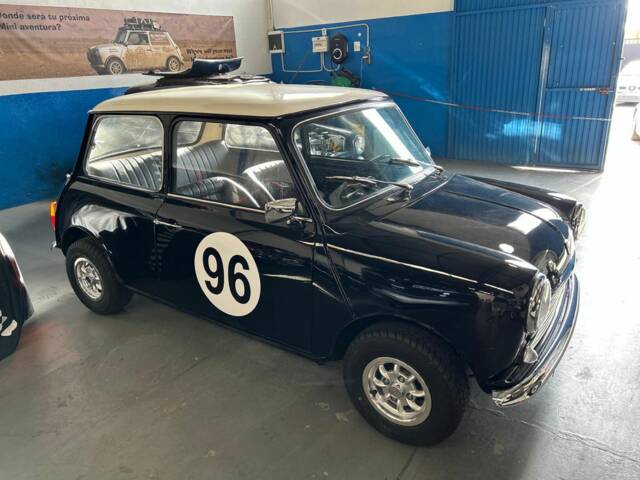
1971 | Mini 850
Mini 850 | 1971 | Route 66 Auctions - For sale by auction. Estimate 7500 EUR
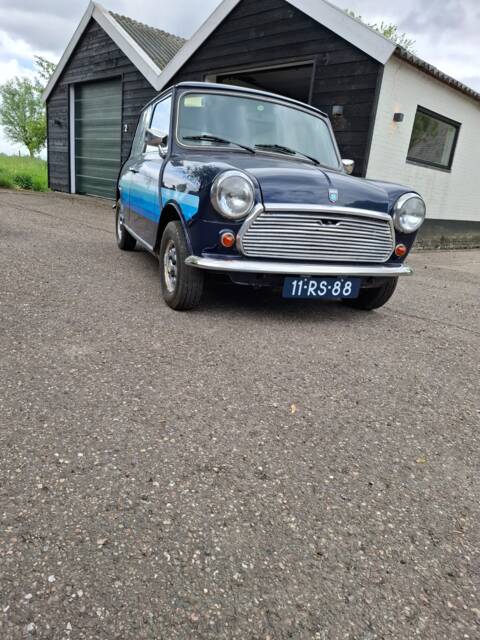
1977 | Mini 850
Mini Lady, slechts 220 van gemaakt
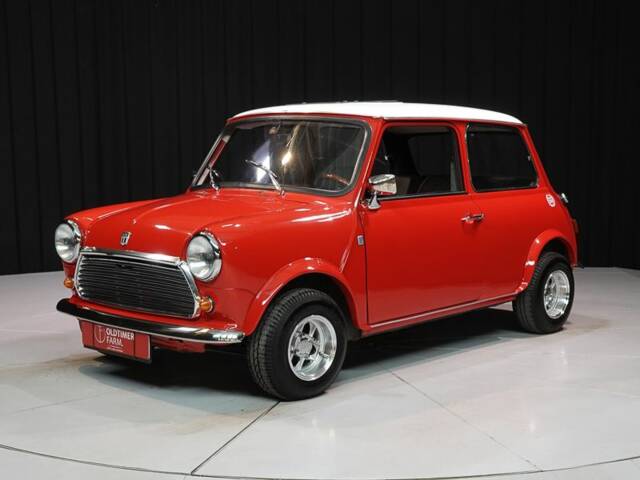
1975 | Mini 850
1975 Mini 850 '75
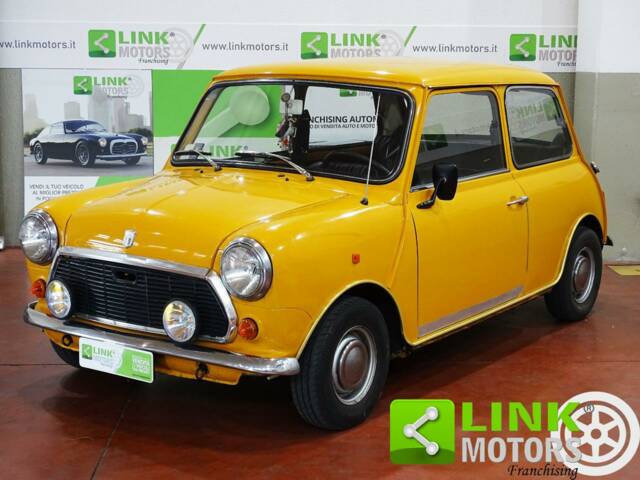
1975 | Mini 850
AUSTIN MINI 850 ANNO 1975
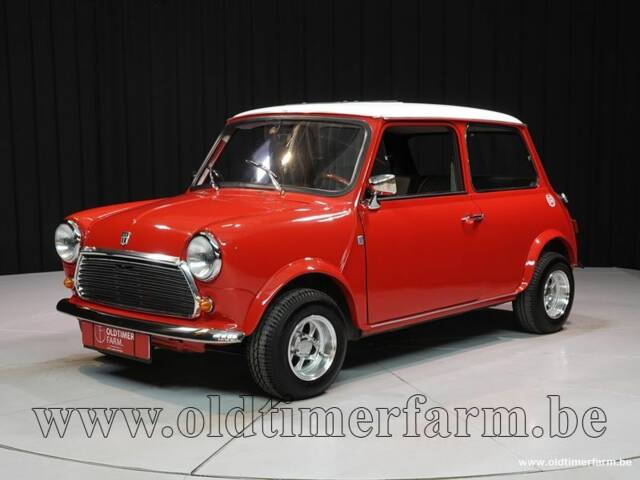
1975 | Mini 850
1975 Mini 850 '75
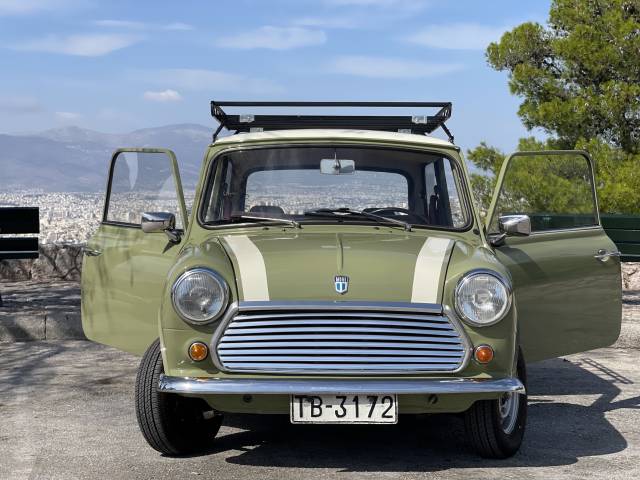
1978 | Mini 850

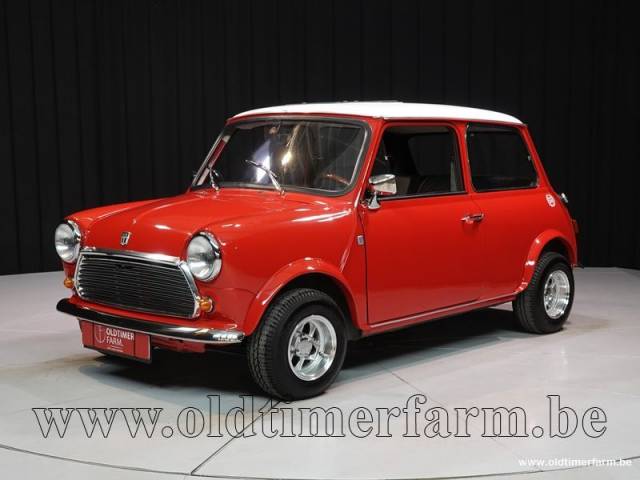
1975 | Mini 850
1975 Mini 850 '75
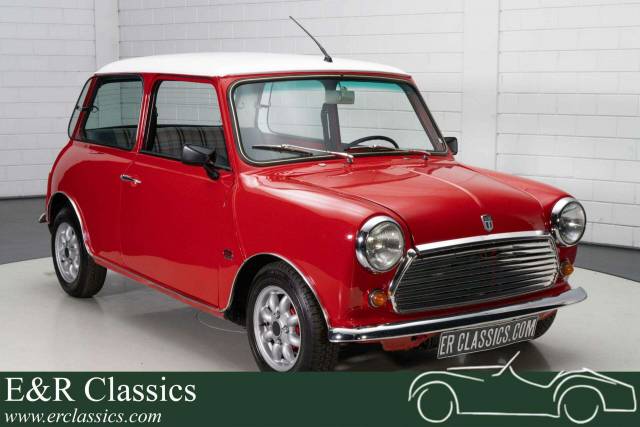
1975 | Mini 850
MINI 850 | Gerestaureerd | Gereviseerde motor | 1975
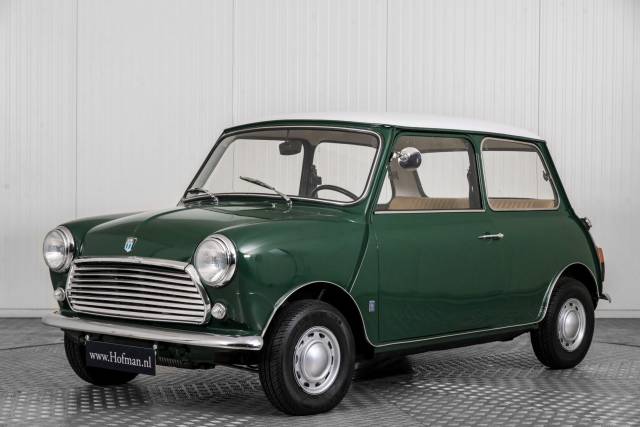
1974 | Mini 850
MINI Mini 850 luxe
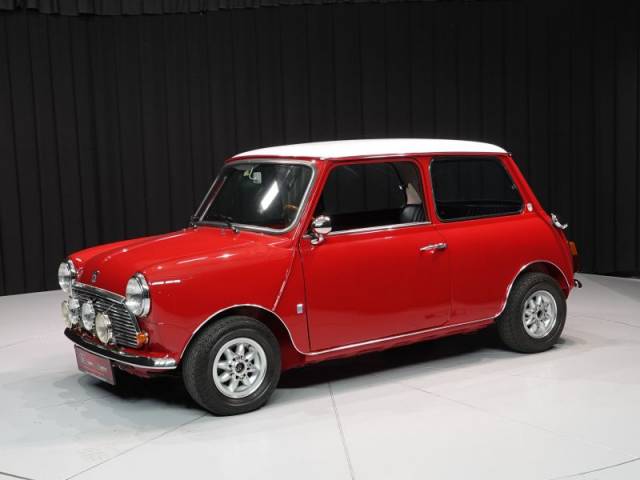
1974 | Mini 850
1974 Mini 850 '74
Mini 850 Classic Cars: Prices & Market Values
History of the Mini 850
In response to the Suez Crisis of 1956, British Motor Corporation developed a car tailored to post-war Europe's need for efficient, affordable transport. Designed by Alec Issigonis, the Mini 850 debuted in 1959. Its compact 303 cm body concealed a front-driven, transverse engine layout—a construction milestone of the era. Initially focused on practicality over performance, the Mini 850 featured minimal trim and just two doors but prioritised interior space and agile handling. As years passed, Mini's footprint expanded: by the sixties, variants like the Traveller estate showcased extended versatility, while competition versions—such as the Mini-Cooper S—highlighted engineering innovation. Despite production changes and ownership transfers over the decades—from BMC to Rover Group, later to BMW—the Mini's distinct concept persisted. The original form was produced until 2000, with its final edition aptly named the Final Edition.
Model Series and Evolution
The Mini 850 began with the first series in 1959 and continued well into the seventies and eighties, each decade marking engineering and trim updates. Starting with the minimalist saloon, the line soon included the Traveller estate and the sporty Cooper S. In the seventies, the classic 848 cc engine received a power bump to 37 bhp. Throughout these years, successive generations maintained the iconic form while adding strengthened bodywork, broader tracks, and more powerful engines—culminating in the 1275 cc unit with fuel injection in the nineties. Other derivatives included the Mini Clubman Estate and Clubman Saloon, each reflecting market demands and regulatory shifts. The Mini 850 remained available as both left- and right-hand drive, adapting to its wide range of users.
Highlights of the Mini 850
The Mini 850 broke new ground with its transverse engine, front-wheel drive, and innovative rubber suspension—features rare for late-1950s vehicles. Despite its diminutive size, the car accommodated four adults thanks to clever packaging, including 10-inch wheels to clear rear wheelarches. Another highlight lies in the broad range of bodystyles: from saloon to Traveller to vans and even pick-ups. The popularity and owner diversity established the Mini as a cultural reference point, featuring in films such as "The Italian Job" and series like Mr. Bean, and being driven by everyone from musicians to politicians.
Technical Data
Special Editions and Collectible Models
Over the decades, the Mini 850 platform gave rise to unique derivatives such as the Traveller estate for those needing more space, as well as performance versions like the Mini Cooper S with a larger 997 cc engine and dual carburettors. Although the 850 badge primarily signified the base, economical variant, these offshoots underscore the versatility of the Mini concept.
Engine and Performance, Transmission and Handling
Engineered foremost for city agility, the Mini 850's small displacement ensured affordable running costs and reliable daily use. The combination of front-wheel drive and rubber cone suspension made for direct steering and precise handling—a significant advance over its rear-drive competitors. Performance figures highlight its urban suitability: 34 bhp propelling just over 600 kg allowed for adequate briskness in period traffic, while the manual four-speed transmission reinforced mechanical connection and control. The car's stance and low centre of gravity offered steadfast grip even on tight bends. - Mini 850 Saloon: The archetype, balancing basic equipment and robust engineering.
- Mini Traveller: The estate model for those seeking increased luggage volume, practical for families or weekend outings.
- Mini Cooper S (as a performance landmark): Although not an 850, the direct evolution within the model line with up-rated engine and competition features.
Interior, Comfort, Exterior and Design
Alec Issigonis's design philosophy is evident in every aspect of the Mini 850: functional simplicity, maximised space, and pragmatic forms. Door and switch placement, the use of minimal trim, and a vast windscreen provided both practicality and excellent visibility. Exterior features included compact proportions, a wheels-at-each-corner layout, and contrasting colour schemes that would later be expanded in later editions. Accessories ranged from basic cloth seats to optional wooden dashes in up-market trims. The Traveller estate brought rear barn-style doors and longer timber trim to the mix. Across the range, wheel sizes remained compact (10 inches) and chrome details were kept restrained.
Although minimalist by intent, owners could specify custom features, from extra driving lamps to contrasting roofs, to suit personal tastes.
Other Features
Notable is the Mini 850's adaptability: it served as transport for a cross-section of British society, became a staple of urban streets, and even lent itself to commercial derivatives (van and pick-up). Its history includes a remarkably long production period (significantly from 1973–1981 for this variant), testament to the durability of both concept and construction.
Summary
The Mini 850 remains a benchmark for space-efficient engineering, urban suitability, and technical ingenuity. With its enduring popularity among collectors and enthusiasts—evident in its dominant presence within classic Mini listings—it represents both a design milestone and a chapter in British automotive history best appreciated behind the wheel or lovingly maintained in the garage.