- Car
- Messerschmitt / FMR (2 offers)
Buy Messerschmitt / FMR Classic Cars
Messerschmitt and FMR classics are among the most distinctive microcars ever built: compact, aircraft-inspired, and instantly recognisable. For Australian buyers, every example is an import, which adds both complexity and appeal to the hunt.
Search results
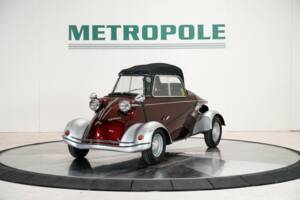
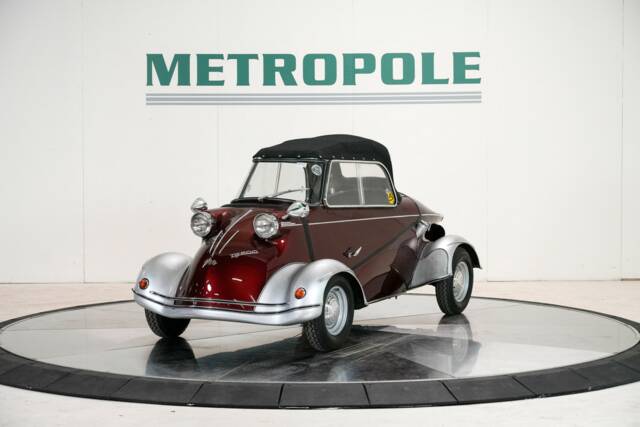
1960 | Messerschmitt / FMR Tg 500
Messerschmitt FMR Tg500 Tiger Cabriolet M1062

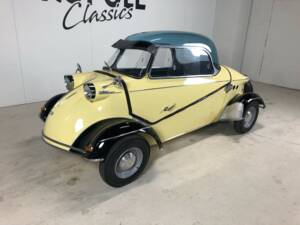
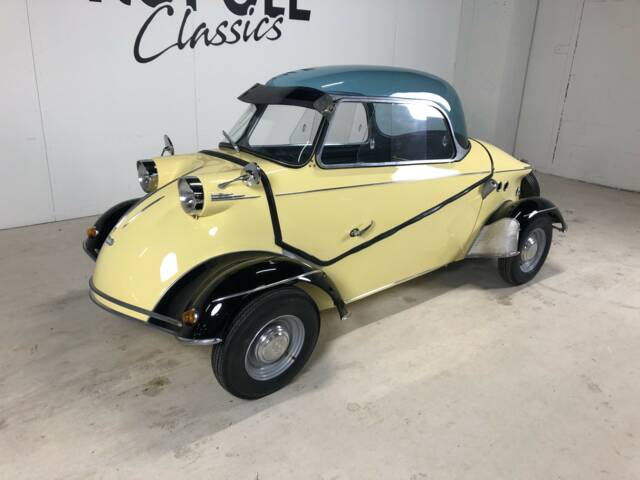
1959 | Messerschmitt / FMR Tg 500
Messerschmitt TG 500 Tiger M0558
Messerschmitt / FMR listing references from Classic Trader
Below you will find listings related to your search that are no longer available on Classic Trader. Use this information to gain insight into availability, value trends, and current pricing for a "Messerschmitt / FMR" to make a more informed purchasing decision.
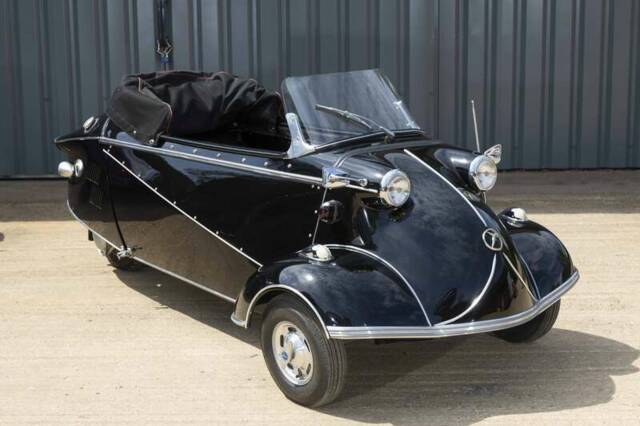
1958 | Messerschmitt / FMR KR 201
1958 Messerschmitt KR201 Roadster

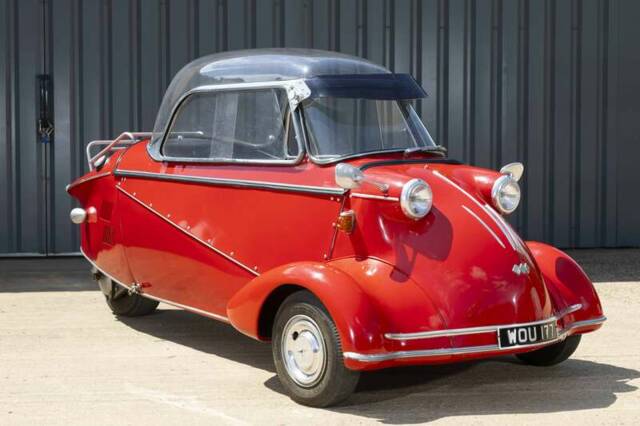
1959 | Messerschmitt / FMR KR 200
1959 Messerschmitt KR200
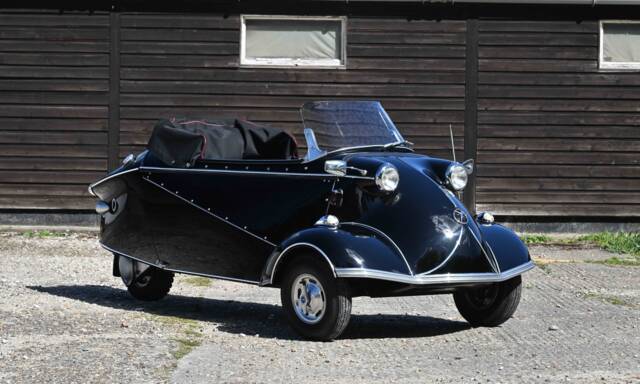
1958 | Messerschmitt / FMR KR 201
1958 Messerschmitt KR201 Roadster
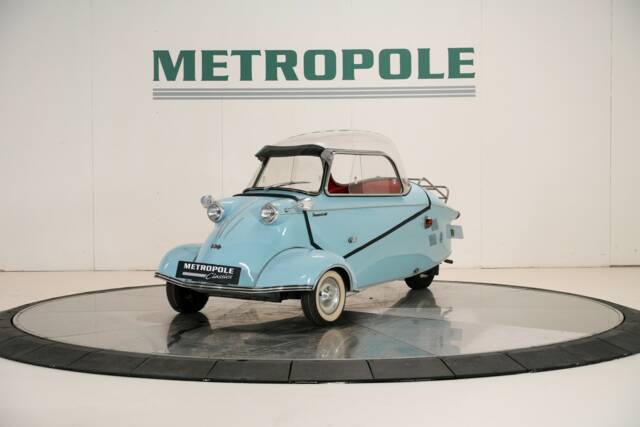
1959 | Messerschmitt / FMR KR 200
Messerschmitt KR 200 M1115
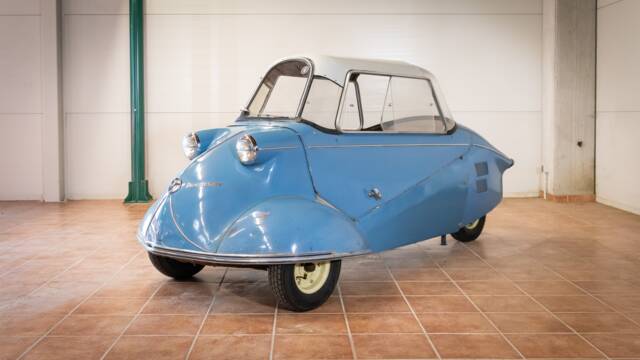
1953 | Messerschmitt / FMR KR 175
Charming Microcar with Aircraft Engineering Heritage


1959 | Messerschmitt / FMR KR 200
1959 Messerschmitt KR200
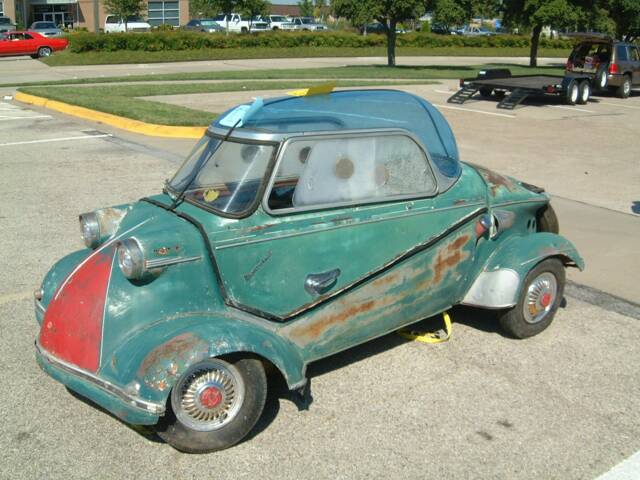
1958 | Messerschmitt / FMR Tg 500
probably the last unrestored Tg500 available

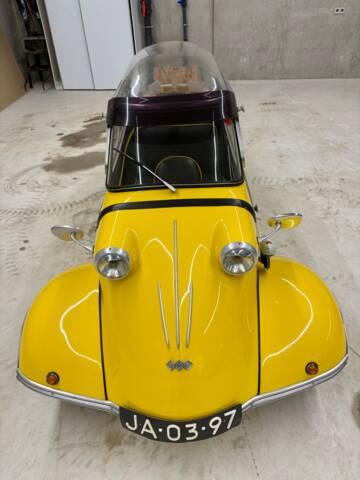
1964 | Messerschmitt / FMR KR 200
compleet gerestaureerd
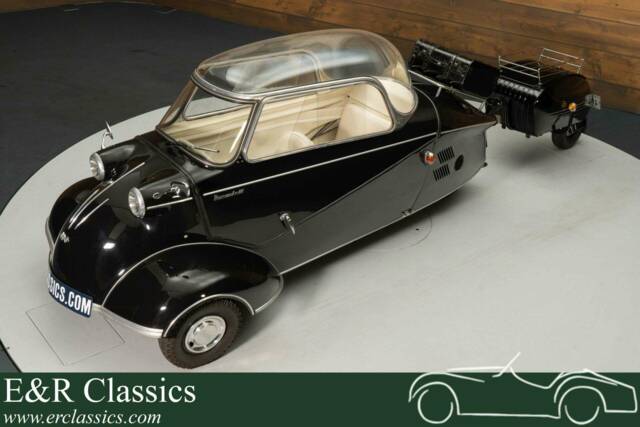
1961 | Messerschmitt / FMR KR 200
Oldtimer Messerschmitt KR200 | Gerestaureerd | Incl. aanhanger | 1961
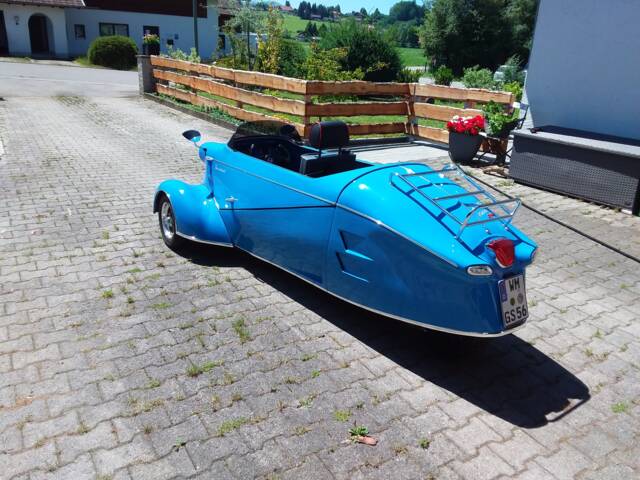
1962 | Messerschmitt / FMR KR 202 Sport
Nachbau von 2022 von den Messerschmitt Werken
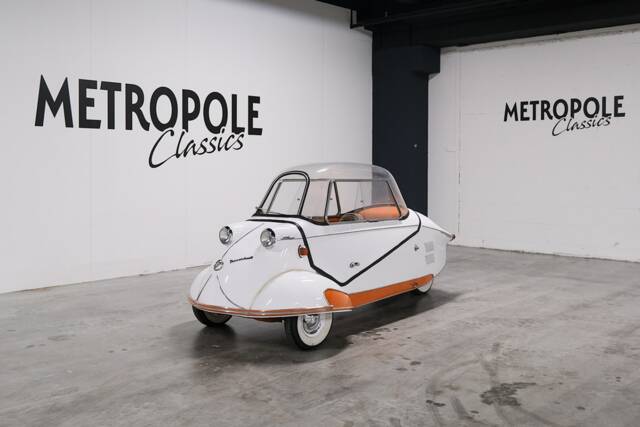
1954 | Messerschmitt / FMR KR 175
Messerschmitt FMR KR 175 M0344
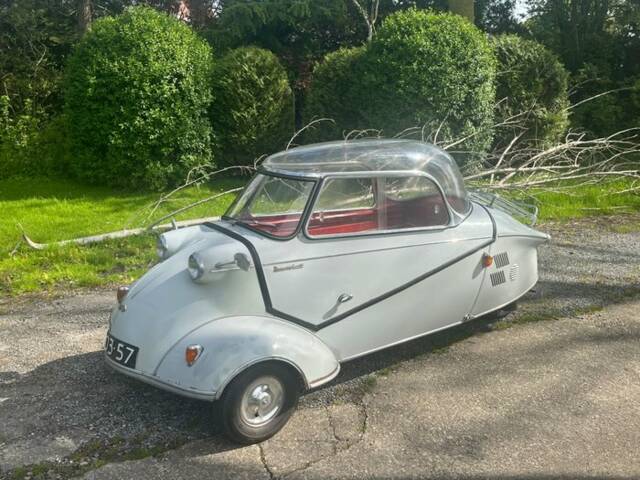
1959 | Messerschmitt / FMR KR 200
Messerschmitt - KR200 bubblecar - 1959
History
Messerschmitt / FMR classic cars occupy a very special corner of post-war motoring. They were born from necessity, shaped by aviation thinking, and built for a Europe that needed affordable mobility more than it needed status. That is exactly why they still attract collectors today: they are not just small cars, but rolling artefacts of a period when engineering had to be clever, compact and economical.
The story begins with Fritz Fend, whose ideas about lightweight personal transport preceded the famous cabin car era. Fend had already worked on disabled transport and small utility vehicles before joining forces with Willy Messerschmitt. The partnership gave the project a name with enormous recognition, even if the underlying concept was very much Fend’s. Messerschmitt’s post-war industrial background, combined with Fend’s practical ingenuity, created a vehicle family that looked as if it had escaped from an aircraft hangar.
The first major production model was the KR175, introduced in 1953. KR stood for Kabinenroller, or “cabin scooter” — an accurate description for a machine that sat somewhere between motorcycle, scooter and car. Its single-cylinder two-stroke engine, lightweight construction and tandem seating made it unlike the broader microcar field, which included bubble cars, three-wheelers and small saloons from across Europe. The KR175 established the template: a narrow body, a clear bubble canopy, a direct driving position and a driving style that demanded engagement rather than comfort.
In 1955 came the KR200, the model most enthusiasts know best. It refined the concept rather than reinventing it, with a larger 191 cc engine, improved suspension and a more polished presentation. Production numbers rose, the car gained a stronger following, and the KR200 became the definitive Messerschmitt for many buyers. It is the model most likely to appear at international auctions and the one most often referenced in club circles.
By the late 1950s, the firm’s identity had changed. The name FMR — Fahrzeug- und Maschinenbau GmbH Regensburg — reflected a new production structure, and the range evolved accordingly. The most coveted machine from this era was the Tg500, often nicknamed the “Tiger”. It was a far more serious piece of engineering than the KR cars, with four wheels, more power, and a driving character that moved the concept from novelty towards true small-performance car territory. Production was tiny, which is why the Tg500 now sits in the upper tier of rare post-war collectibles.
For collectors, the line from KR175 to KR200 to Tg500 tells the whole story of the brand: a small but bold experiment that became a cult object. These are not common cars with a fancy following. They are unusual machines that achieved lasting fame because they were different in every possible way.
Highlights
What makes Messerschmitt / FMR classics so compelling is the way they combine engineering oddity with genuine usability. They are not museum pieces in the usual sense. A healthy example still moves with purpose, creates conversation everywhere it goes, and delivers a driving experience that modern cars cannot imitate.
Aircraft-inspired design is the obvious headline. The canopy, the slim body, the tandem seating and the control layout all point back to aviation. That visual language is what most people notice first, even if they know nothing about microcars. The car looks as if it was designed for a runway rather than a road.
Tiny size, big presence is another strength. In a city or at a show, a Messerschmitt occupies very little space physically, yet it commands attention. That makes it especially attractive to collectors who want a car with strong visual identity rather than anonymous elegance.
Mechanical simplicity is part of the charm. The KR cars use two-stroke mechanical logic that is easy to understand once you accept the era-specific quirks. The Tg500 adds complexity, but even that remains refreshingly mechanical by modern standards. For the right owner, this is a benefit, not a drawback.
Club support is excellent. Messerschmitt owners tend to be enthusiastic, technical and highly networked. In Germany, the Messerschmitt Club Deutschland has long been a central reference point, and there are active communities in the UK and elsewhere that help with parts, knowledge and restoration advice. For Australian buyers, that matters because the local pool is small and most support will come through overseas contacts.
Investment-grade rarity also plays a role. The KR200 is the most accessible route into the marque, while the KR175 and especially the Tg500 are far scarcer. Rarity alone does not guarantee value, but in this case it supports a market that rewards originality, correct details and good documentation.
Pop-culture appeal remains strong. Messerschmitts are instantly photogenic, which helps them maintain visibility in classic car media, auctions and club events. They look distinctive from every angle and are rare enough that even experienced enthusiasts stop to look.
For Australian buyers, there is an extra layer of attraction: these cars were not officially sold here, so every example has an import story. That makes ownership feel a little more special. It also means buyers tend to be more deliberate, because the process of sourcing, shipping and registering an overseas microcar is not casual work.
Technical Data
The KR175 and KR200 are famously light and compact, which is why they feel more lively than their power output suggests. Their performance numbers look modest on paper, but in a vehicle weighing little more than a modern motorcycle sidecar combination, they are more meaningful than they appear.
The KR200’s sequential gearbox deserves special mention. It is not a modern synchromesh arrangement and it rewards patience, timing and mechanical sympathy. The driving experience depends as much on the driver’s rhythm as it does on engine output.
Fuel use is typically modest. Period-appropriate figures generally sit around 3.2–3.7 L/100 km for the KR models, while the Tg500 is naturally thirstier at around 6.5 L/100 km. That said, most owners are not buying these cars as transport appliances. They are buying them for character, and character usually has a price.
Braking systems differ by model and age. The KR cars are more basic, while the Tg500’s more advanced layout gives it a noticeably more grown-up feel. Buyers should always confirm what has been restored, what remains original, and whether the current setup has been maintained by someone who actually understands these vehicles.
Market Overview
The Australian market for Messerschmitt / FMR classic cars is shaped by scarcity, import rules and the taste of a niche but knowledgeable audience. These cars were not officially sold in Australia, so every local example is an import. That has a direct effect on pricing, availability and the kind of buyer who steps forward.
In Australia, the conversation usually starts with import legality. These vehicles are generally left-hand drive, and that is relevant because the rules for importing and registering LHD classics differ from those for modern cars. For many buyers, the key pathways are the pre-1989 import rules or, where applicable, the SEVS (Specialist and Enthusiast Vehicle Scheme). The practical outcome is that older importable classics can be brought in legally, but paperwork, shipping, compliance and registration costs must be budgeted from the start.
There is also the matter of duty, GST, quarantine and compliance work. Buyers often underestimate the total landed cost. A car bought overseas for a seemingly attractive figure can end up materially more expensive once freight, inspection, customs processing and local registration are added. This is especially true for small, unusual vehicles, where any missing trim, canopy hardware or specialist component can trigger extra sourcing costs.
As a rough Australian collector reality, a presentable KR200 may sit in the A$45,000 to A$90,000 range depending on condition, originality and documentation, while very tidy or restored examples can move beyond that. Heavily project-oriented cars can appear lower, but with Messerschmitts the gap between “cheap to buy” and “cheap to finish” is often enormous. The rare KR175 and the Tg500 are a different conversation altogether: the former can command a premium because of its scarcity, while the latter belongs in serious collector territory and may reach well into six figures in AUD when the right car appears.
A useful reference point for Australian buyers is the way international results flow into local expectations. The market pays attention to auction outcomes even when the cars sell offshore, because importers and collectors use those figures as an anchor. One notable Australian reference is the 1958 KR200 sold by Shannons at the Sydney Spring Classic in 2013 for USD $33,662. Even though that sale is older and denominated in US dollars, it remains a reminder that Australia has long had an audience for these cars and that competition can be real when a good one appears.
Australian classic car clubs matter here too. Buyers often rely on club networks for registration advice, engineer sign-off knowledge, import recommendations and parts leads. For an unconventional vehicle like a Messerschmitt, that local community is almost as important as the car itself. If you can connect with owners who have already navigated import and compliance issues, you are far less likely to make expensive mistakes.
From a buyer-habit perspective, Australian enthusiasts tend to be practical. They ask about originality, roadworthiness, rust, canopy condition and spare parts before they get emotionally attached. That is healthy behaviour. A Messerschmitt can be charming from ten metres away, but the right example is one with good structure, complete details and paperwork that will satisfy an engineer or registrar.
In short: buy the best car you can, not the cheapest one you can find. With Messerschmitt / FMR classics, the cheapest example is rarely the cheapest ownership experience.
Driving Feel
Driving a Messerschmitt is unlike driving almost anything else on the road, past or present. You do not sit in it so much as settle into it. The canopy closes around you, the windshield frames the world like a cockpit, and the narrow cabin places the driver and passenger in a very deliberate line. That arrangement changes the whole mood before the engine has even started.
The KR175 and KR200 have a driving character that is part scooter, part light car and part aircraft taxiway machine. Acceleration is modest, but because the car is so light, it never feels dead. The engine note is crisp, a little metallic and unmistakably two-stroke. There is a sense of motion even at low speed, and that is part of the appeal: the car feels active rather than passive.
The sequential gearbox is central to the experience. It asks for a different mindset from a conventional manual. You are not slurring your way through traffic; you are working with the machine, anticipating its responses and keeping the engine in the right part of the rev range. Once you learn it, the action becomes satisfying and almost ritualistic.
Handling is surprisingly honest. The KR cars are narrow and low, and that gives them a nimble quality, particularly at urban and secondary-road speeds. They are not fast enough to flatter reckless behaviour, which is a virtue in a car that has so little mass and so much visual drama. The sensation of speed arrives earlier than the numbers suggest, which is why even a relaxed run can feel exciting.
The Tg500 feels more complete. With more power and four wheels, it behaves less like a curiosity and more like a properly developed small sports car. The extra stability is welcome, the cabin feels less fragile, and the car can settle into cruising more confidently than the three-wheelers. It is still tiny and still unusual, but it has a more serious road presence.
For Australian roads, these cars are best suited to touring, club events and coastal or rural loops where speeds are manageable and the scenery matters. They are not built for freeway punishment, especially in hot weather. That said, owners who use them sensibly often find them surprisingly dependable. The key is respect for the car’s limitations and attention to maintenance.
There is also a social element. A Messerschmitt creates interaction wherever it goes. People wave, photograph, ask questions and smile. That can be tiring if you want anonymity, but for many owners it is exactly the point. Few classics make strangers happy so efficiently.
Design
The design of a Messerschmitt / FMR classic is what gives it lasting appeal, even to people who know nothing about microcars. It is not merely unusual. It is coherent, purposeful and highly memorable.
The most obvious feature is the bubble canopy. On the KR models it gives the car a near-transparent roofline and a visual connection to aircraft cockpit design. It also makes the car feel enclosed in a way that is far more intimate than a normal cabin. You are aware of weather, light and space in a way that modern drivers are usually not.
The tandem seating is equally important. By placing occupants one behind the other, the car reduces frontal area and gives the body a sharply tapered shape. It also creates a more focused social dynamic. You are not side-by-side in a lounge; you are aligned like crew members. That is a big part of the identity.
The body itself is a lesson in economy. Lines are simple, surfaces are compact and there is little visual excess. Yet the result is not plain. It has theatre. The front, the curved canopy and the tapering tail combine into a shape that looks engineered rather than styled for fashion’s sake.
The KR200 Cabriolet and KR201 Roadster add another layer. They soften the aircraft analogy and make the cars feel a little more open, a little more holiday-ready. For some buyers, these open versions are the sweet spot because they deliver the Messerschmitt look without the full greenhouse effect of the bubble-top.
The Tg500 changes the visual formula just enough to suggest performance. Its wider stance and four-wheel layout give it a more complete, planted silhouette. It is still unmistakably related to the KR family, but it looks more serious and more valuable — which, in collector terms, it is.
Colour and trim matter more than many buyers expect. Period-correct paint, correct badging, good canopy condition and authentic interior details all contribute heavily to the visual impression. These are small cars, so every detail sits close to the eye. A poor restoration is very obvious, while a careful one can make the car look jewel-like.
For Australian collectors, design also affects usability. The canopy can trap heat, so originality must sometimes be balanced with sensible care. Even so, the basic visual drama is what makes the car worth the effort. If you want something that looks like nothing else at an event, Messerschmitt / FMR is the answer.
Other
Several additional factors help explain why these cars retain such a loyal following.
RHD and registration: Most Messerschmitts in Australia will be LHD, and that is important for local compliance. Depending on the state and the vehicle’s eligibility, pre-1989 import rules may allow registration of LHD classics more easily than later vehicles. Buyers should confirm local rules before purchase, especially if the car is going to be used regularly rather than stored as a display piece.
Parts supply: A strong club network helps, but parts are still a serious consideration. Service items, rubber parts and some trim pieces are obtainable through specialist channels, while body components and specific canopy hardware can be harder. The more original and complete the car, the easier ownership becomes.
Restoration reality: Because these cars are so small, people sometimes assume restoration is simple. It is not. Tiny cars still have rust, hidden damage, missing details and specialist mechanical needs. A complete but tired car is often preferable to an incomplete bargain.
Collector psychology: Buyers of Messerschmitts are often not following mainstream classic trends. They want individuality. That means values can remain resilient even when the broader market changes, because demand is driven by identity as much as by investment logic.
Events and clubs: In Australia, a Messerschmitt tends to be welcome at club runs, specialty displays and European car gatherings. It is the sort of vehicle that broadens a collection and gives a garage a genuine talking point.
Summary
Messerschmitt / FMR classic cars are small in size but huge in character. The KR175 established the idea, the KR200 made it famous, and the Tg500 proved the concept could be taken further. Each model offers a different balance of rarity, usability and collector appeal.
For Australian buyers, the appeal is sharpened by the fact that these cars were never officially sold here. Every example is an import, every purchase needs a compliance plan, and every well-sorted car stands out even more because so few are around. That is exactly why the best cars are worth chasing.
If you are looking for a classic with aviation-inspired design, deep club support, genuine rarity and unforgettable street presence, a Messerschmitt or FMR deserves serious attention. Find the best example you can, verify its history carefully, and enjoy one of the most distinctive classics ever built.