Mercedes 22/50 Classic Cars for Sale
The Mercedes 22/50 is a rare encounter on the classic car market, providing a glimpse into the luxury and pioneering technology of pre-war German automotive engineering. Collectors value this model both for its historical weight and the remarkable craftsmanship of its era.
Search results
Currently, there are no matching listings for your search.
Create search alert
Let yourself be notified as soon as a listing is published that matches your search filters.
Create listing
Do you have a Mercedes 22/50 that you want to sell? Then create a listing now.
Create listingMercedes 22/50 listing references from Classic Trader
Below you will find listings related to your search that are no longer available on Classic Trader. Use this information to gain insight into availability, value trends, and current pricing for a "Mercedes 22/50" to make a more informed purchasing decision.
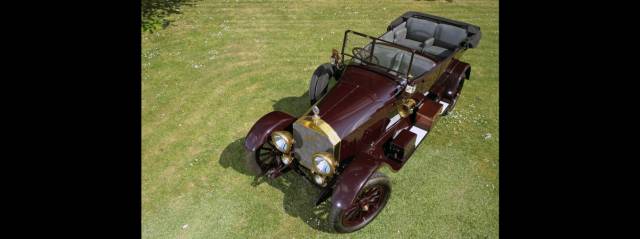
1915 | Mercedes 22/50 PS

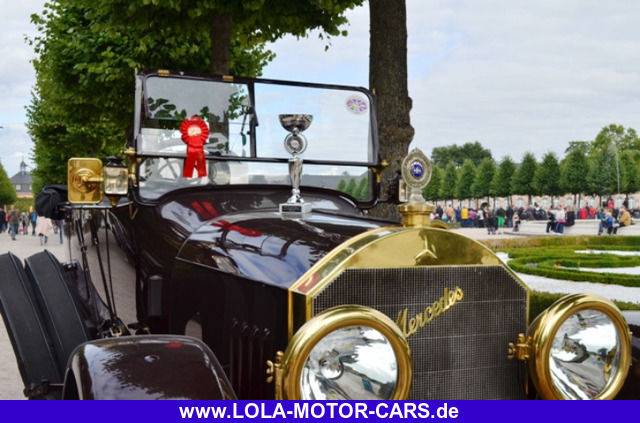
1915 | Mercedes 22/50 PS
| 22/50 hp | 1.Platz CONCOURS D'ELEGANCE SCHWETZ

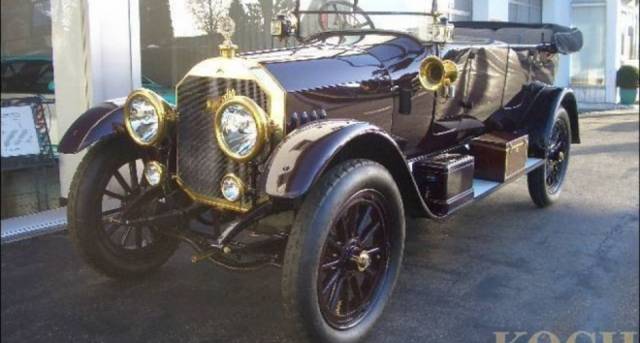
1915 | Mercedes 22/50 PS
22/50 Siebensitzer Open Tourer
Create search alert
Let yourself be notified as soon as a listing is published that matches your search filters.
Create listing
Do you have a Mercedes 22/50 that you want to sell? Then create a listing now.
Create listingMercedes 22/50 Classic Cars: Prices & Market Values
History of the Mercedes 22/50
The Mercedes 22/50 was introduced during the early 1920s, representing a significant chapter in the development of luxury vehicles in Germany. Developed by Daimler-Motoren-Gesellschaft before its merger with Benz, the model exemplified the technical ambitions that would later shape the Mercedes-Benz legend. Its presence marked a period when Mercedes stood at the forefront of innovation, seeking both refinement and robust engineering at a time when automobiles were transitioning from exclusive luxury to more widespread objects of admiration among the elite.
Model History
The 22/50 belongs to a generation of large-displacement, powerful touring cars produced by Mercedes in the 1920s. Preceded by the likes of the Mercedes 21/35, the 22/50 further expanded on engine size and luxury appointments. Its successor models included vehicles such as the Mercedes 24/100/140, which continued the tradition of high-capacity, technologically sophisticated vehicles. This lineage highlights Mercedes' early commitment to performance and prestige.
Highlights of the Mercedes 22/50
Standout features of the 22/50 include its imposing six-cylinder engine with a substantial displacement for the era, providing both smoothness and consistent torque. The vehicle also reflects engineering advancements in chassis and suspension design, indicative of the brand’s early focus on driver and passenger comfort. Each 22/50 was frequently tailored to customer specifications, resulting in a diversity of individual styles for coachwork and interior design.
Technical Data
Special Editions and Collectible Models
While available information does not point to officially designated special editions by the factory, many surviving Mercedes 22/50 cars feature unique coachbuilt bodies, making each vehicle essentially a bespoke creation. Notable examples include drophead coupés and cabriolets commissioned by aristocratic buyers in the 1920s.
Weak Spots and Common Issues
No verified weak spots or known technical issues have been recorded in the current available information. For vehicles of this age, however, buyers should always expect the possibility of classic age-related wear such as chassis corrosion, engine lubrication system concerns, and the need for specialist knowledge in maintenance of early 20th-century mechanical components.
Engine and Performance, Transmission and Handling
The 22/50's large-capacity six-cylinder engine was designed to deliver both a smooth and forceful driving experience, particularly by the standards of the early 20th century. The engine’s ample torque permitted relaxed touring, while the robust crankshaft design contributed to reliability on long journeys. Gear changes were managed via a non-synchromesh manual transmission system, requiring skillful operation. The chassis and suspension geometry afforded impressive ride quality for a car of its period, though road handling was still defined by contemporary standards and mostly suited to cruising. Most sought-after bodies include early two-door phaetons and bespoke cabriolets, both offering a compelling mix of period-correct luxury and engineering sophistication.
Interior, Comfort, Exterior and Design
The exterior design of the Mercedes 22/50 is dominated by its elongated bonnet and upright grille, hallmarks of 1920s prestigious automobiles. Interiors were tailored to the preferences of individual clients and typically finished with luxurious materials such as polished wood trims, deep upholstery, and detailed clockwork instrumentation. Unique features included custom exterior paint, elaborate rear seating, and a suite of optional accessories like luggage racks and windshields tailored for touring. Coachbuilt bodies frequently incorporated then-modern details like step plates, bespoke lighting, and finely worked door handles, highlighting the car’s bespoke nature.
Other Relevant Features
Due to its rarity and bespoke nature, documentation and complete ownership histories greatly enhance the collectibility of any surviving 22/50. Some examples have period extras such as custom trunk fittings or original sales documentation, prized by dedicated collectors.
Summary
The Mercedes 22/50 offers a rare opportunity for classic car enthusiasts and historians to experience the craftsmanship and spirit of pre-war German luxury motoring. Each example tells its own story through unique bodywork and specifications, reflecting both the aspirations of its original owners and the technical mastery of the era.