Mathis TY Classic Cars for Sale
The Mathis TY stands out as the economic evolution of its predecessor, designed with performance in mind and realised on the versatile PY chassis. From agile cabriolets to practical vans, the TY offers remarkable technical ingenuity that marks Mathis’ innovative spirit. Explore its technical details and rare variants below.
Search results
Currently, there are no matching listings for your search.
Create search alert
Let yourself be notified as soon as a listing is published that matches your search filters.
Create listing
Do you have a Mathis TY that you want to sell? Then create a listing now.
Create listingMathis TY listing references from Classic Trader
Below you will find listings related to your search that are no longer available on Classic Trader. Use this information to gain insight into availability, value trends, and current pricing for a "Mathis TY" to make a more informed purchasing decision.
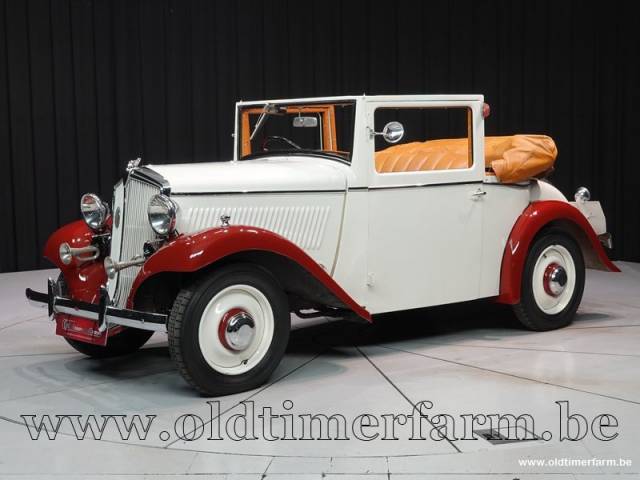
1933 | Mathis TY
1933 Mathis TY 5HP '33

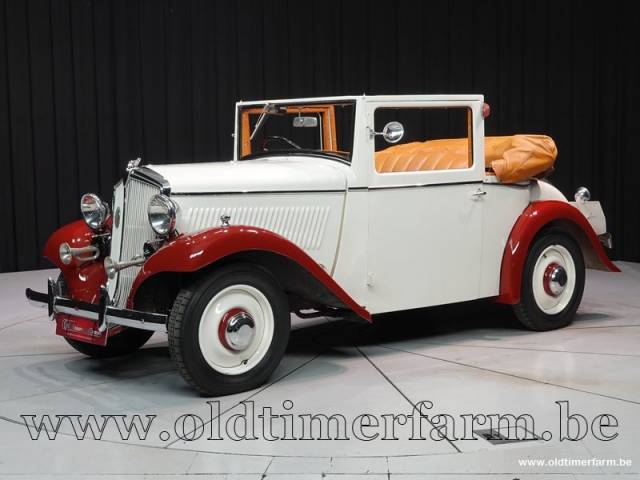
1933 | Mathis TY
1933 Mathis TY 5HP '33
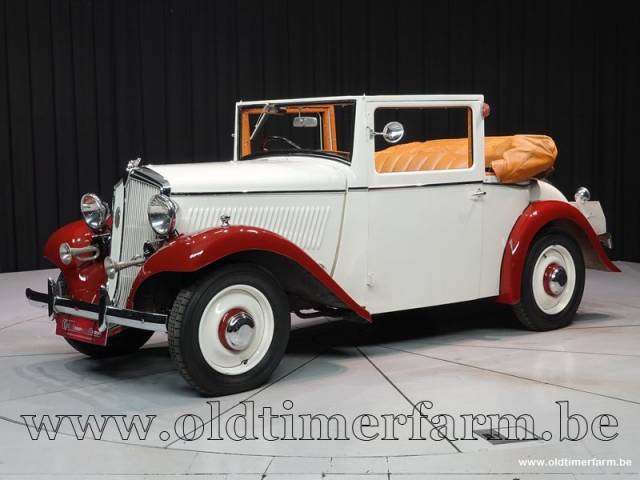
1933 | Mathis TY
1933 Mathis TY 5HP '33
Create search alert
Let yourself be notified as soon as a listing is published that matches your search filters.
Create listing
Do you have a Mathis TY that you want to sell? Then create a listing now.
Create listingMathis TY Classic Cars: Prices & Market Values
History of the Mathis TY
The Mathis TY entered production in August 1931 as a more economical and efficient counterpart to the Mathis PY. Utilising the proven PY chassis, the TY was initially equipped with a 905 cc side-valve four-cylinder engine producing 15 hp at 3600 rpm, which was notable for a compact car of its era. In 1934, a revised engine known as the TYN appeared, increasing displacement to 935 cc and output to 18 hp. The model ran until the end of 1934, with the final units built on a Matford chassis—representing a shift in supplier partnerships towards the twilight of Mathis production. The story of the TY is a reflection of early 1930s automotive pragmatism and adaptation by Mathis, highlighting efficiency through technical simplicity and a wide range of body variants.
Model History
The TY draws directly from the Mathis PY, sharing the same chassis and a host of components. The model expanded upon its predecessor by making available not only a refined engine series, but also a wider spectrum of frames: PY, TYN, TY3, TYL, and TY4. All variants maintained a 2.425-metre wheelbase and a track width of 1.18 metres. By the final year of production, the TY evolved again when assembled atop the Matford chassis. Succession was indirect, as Mathis’ fortunes waned; the TY effectively represents the apex of Mathis small car development before their eventual absorption and market retreat.
Highlights of the Mathis TY
Distinctive features of the Mathis TY include its compact yet robust side-valve four-cylinder engine, thermostatic cooling via the ‘thermosiphon’ system, and reliable mechanical brakes. Versatility was paramount, offering cabriolets, two coupe types, luxury/traditional interiors, and a van variant for practical use. The combination of chassis and engine revisions allowed the TY to cover an impressive breadth of applications within a single series.
Technical Data
Special Editions and Collectible Models
The TY range encompassed a healthy variety of factory-bodied versions, including open-top cabriolets, elegant coupés, business coupés, and even utilitarian vans. Trim levels ranged from the basic 'Standard' to the upgraded 'Luxury' interior fittings. Each body style and specification variant was offered from new, making individual examples with well-preserved or rare configurations—such as the Kastenwagen—particularly attractive for collectors focusing on variety within a single series.
Weak Spots and Common Issues
While specific common issues have not been detailed, prospective owners should pay close attention to the mechanical braking system and the thermosiphon cooling method, both typical points for age-related wear. Further, original components like ignition, oil pump, and dry single-plate clutch warrant careful inspection for continued reliability—a usual concern for 1930s engineering. Routine checks for frame integrity, especially on Matford-chassis examples, are also recommended.
Engine and Performance, Transmission and Handling
The 15–18 hp output from the compact side-valve four was designed for reliability and ease of maintenance rather than top speed. A three-speed manual gearbox and hypoid rear axle combine for steady, unhurried progress, well suited to period road conditions. The relatively short wheelbase and uniform track provide agility, while mechanically actuated brakes demand anticipation from the driver. Riding on period-typical tyres, the overall driveability is defined by simplicity and focus on real-world usability. Notable models include the cabriolet for open-air touring, the business coupé for practical elegance, and the rare van (Kastenwagen) for utility. Each variant retains the same fundamental mechanical package but reflects a distinct user profile—from leisure to professional use.
Interior, Comfort, Exterior and Design
Mathis offered the TY in multiple body and trim configurations, such as the sporty cabriolet, formal coupés, and utilitarian vans. Interior trims varied from 'Standard' to 'Luxury', with seat materials, dashboard layouts, and fittings tailored accordingly. The coachbuilding followed clean lines typical of the early 1930s, emphasising rationality over flamboyance. Accessories were listed in the catalogue, and special wheels with varying tyre dimensions provided additional distinction between models. The understated, functional design aligns with Mathis’ focus on cost-effective motoring.
Other Features
A notable aspect of the TY series is the adoption across several chassis (PY, TYN, TY3, TYL, TY4) with full interchangeability of major components. The latter production run’s shift to Matford chassis hints at the increasing collaboration between French manufacturers in the mid-1930s. Each vehicle’s precise specification can often be traced via chassis and body codes—details valued by dedicated Mathis historians.
Summary
The Mathis TY embodies the innovative adaptability of early 1930s French automotive engineering. With a combination of practical body styles, incremental mechanical advancements, and a focus on economic operation, the TY remains a rare but instructive example of period motoring. Today, it stands as the primary and singular representative of Mathis on the classic car market, offering a unique entry point into pre-war French automotive culture.