Lotus Mark IX classic cars for sale
The Lotus Mark IX stands as a pure-bred British sports racing machine from 1955, renowned for its lightweight aluminium construction and aerodynamic design by Frank Costin. With only around thirty built, it’s a highly distinctive car for enthusiasts with a taste for authentic motorsport engineering of the period.
Suchergebnisse
Zur Zeit sind keine passenden Inserate zu Ihrer Suche veröffentlicht.
Create search alert
Let yourself be notified as soon as a listing is published that matches your search filters.
Create listing
Do you have a Lotus Mark IX that you want to sell? Then create a listing now.
Create listingLotus Mark IX listing references from Classic Trader
Below you will find listings related to your search that are no longer available on Classic Trader. Use this information to gain insight into availability, value trends, and current pricing for a "Lotus Mark IX" to make a more informed purchasing decision.
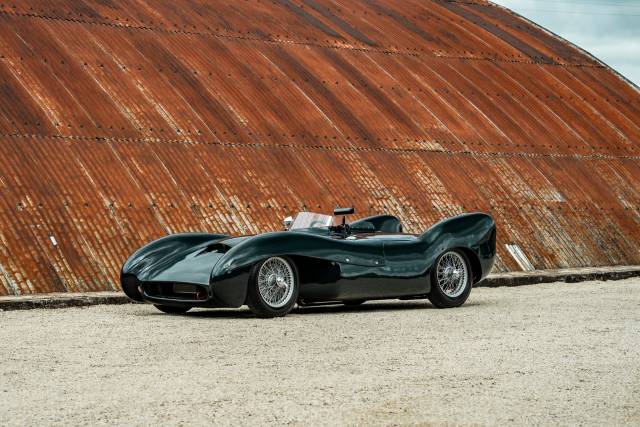
1955 | Lotus Mark IX
Earls Court Motor Show car, Ex Peter Lumsden
Create search alert
Let yourself be notified as soon as a listing is published that matches your search filters.
Create listing
Do you have a Lotus Mark IX that you want to sell? Then create a listing now.
Create listingLotus Mark IX Classic Cars: Prices & Market Values
History of the Lotus Mark IX
The Lotus Mark IX represents a milestone in automotive innovation from the mid-1950s, developed by Lotus Engineering Ltd as a dedicated sports racing car. Emerging after the Mark VI and Mark VIII, the Mark IX adopted a space frame chassis—a design philosophy that defined Colin Chapman’s early racing Lotus creations. Its lightweight approach, coupled with a body crafted by the master coachbuilders Williams & Pritchard Limited, reflects the drive for efficiency so typical of Chapman’s Lotus ethos. The car quickly found its way onto racing circuits across the UK and continental Europe, upholding Lotus’s reputation for producing machines capable of outmanoeuvring much more powerful opposition through lightweight construction and cutting-edge aerodynamics.
Model history
The Mark IX is embedded within the developmental pathway of early Lotus competition cars. Preceded by the Mark VIII (of which about seven were made), the Mark IX benefited from the lessons learned by Lotus in the use of their innovative space frame. The Mark VI, launched in 1952, was the origin of this chassis approach. After the Mark IX, Lotus would move forward with further evolution in the Mark X and XI, both continuing the lightweight, competition-oriented focus. The Mark IX is notable within the series for its balance of aerodynamic sophistication and robust racing reliability.
Highlights of the Lotus Mark IX
The Lotus Mark IX is instantly recognisable thanks to its sleek, aerodynamic silhouette, created by Frank Costin’s expertise in aerodynamic bodywork. Its design improves straight-line speed and cornering stability, both substantial advantages in period sports car racing. The blend of a space frame chassis and aluminium cladding keeps the overall weight spectacularly low, delivering exceptional handling response. With just thirty examples ever produced, the Mark IX is a truly rare motorsport artefact.
Technical data
Special Editions and Collectible Models
There are no officially documented special editions of the Lotus Mark IX. Given the extremely low production figures—approximately thirty cars—every Mark IX can be considered individually significant due to unique build characteristics and racing provenance.
Engine and Performance, Transmission and Handling
The Mark IX demonstrates Lotus’s dedication to weight reduction, resulting in outstanding performance relative to modest engine outputs typical for the mid-1950s. Its space frame chassis endows the car with a rigid yet lightweight platform, directly benefitting handling, especially in tight corners and under acceleration. Engine selection was varied, generally restricted by period racing regulations, but all focused on strong torque and revvy characteristics. The manual transmission further emphasises driver engagement, rewarding skilled operation on circuits or twisty back roads. Popular variants of the Mark IX focus on those with documented racing history or period-correct engine configurations. Each car’s technical record is unique due to the bespoke nature of construction and the modifications tailored by early customers.
Interior, Comfort, Exterior and design
Frank Costin’s design DNA is visible throughout the Mark IX, marked by attention to airflow, a low frontal area, and efficient body shaping. The cockpit is minimalistic, echoing the car’s racing intent; comfort is sacrificed for weight saving and control. Aluminium panels dominate the surfaces, hand-formed for each body. The colour palette largely follows period racing conventions, with simple finishes underlining its no-nonsense track pedigree. Specialist touches include handmade instrumentation and, in some examples, bespoke seating or minor aerodynamic tweaks requested by original customers.
Summary
The Lotus Mark IX occupies a singular niche in British motorsport history, marrying cutting-edge, lightweight space frame engineering with the aerodynamic finesse of Frank Costin. With only about thirty units built and a design wholly focused on competitive racing, it remains a significant artefact for connoisseurs of pure, purposeful British sports cars of the mid-1950s.