Lotus 19 classic cars for sale
The Lotus 19, also called the Monte Carlo, is a mid-engine sports racing car produced from 1960 to 1962 under Colin Chapman’s direction. The Lotus 19 stands out for its engineering focus on lightweight construction and its remarkable track record in motorsport.
Search results
Currently, there are no matching listings for your search.
Create search alert
Let yourself be notified as soon as a listing is published that matches your search filters.
Create listing
Do you have a Lotus 19 that you want to sell? Then create a listing now.
Create listingLotus 19 listing references from Classic Trader
Below you will find listings related to your search that are no longer available on Classic Trader. Use this information to gain insight into availability, value trends, and current pricing for a "Lotus 19" to make a more informed purchasing decision.
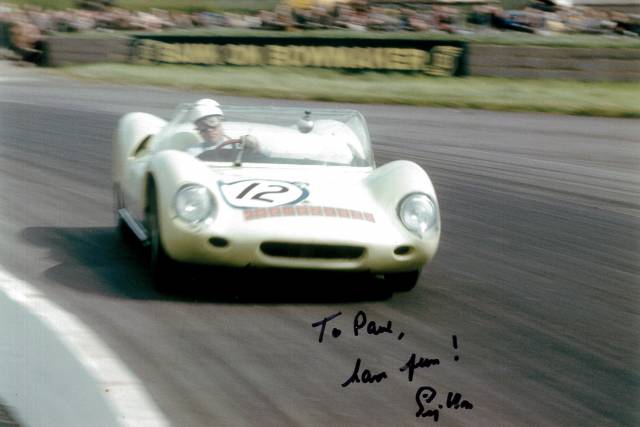
1960 | Lotus 19
1960 Lotus 19 Monte Carlo - Chassis '953'
Create search alert
Let yourself be notified as soon as a listing is published that matches your search filters.
Create listing
Do you have a Lotus 19 that you want to sell? Then create a listing now.
Create listingLotus 19 Classic Cars: Prices & Market Values
Introduction and history of Lotus 19
The Lotus 19, introduced in 1960, reflects Colin Chapman's relentless pursuit of speed through lightness. Also known as the Monte Carlo, it emerged as a purpose-built sports-racing car leveraging mid-engine layout, an innovation that Lotus helped popularise in motorsport. Its competitive career was marked by successes in both European and North American circuits, benefiting from advanced chassis design and Lotus's signature minimalist engineering philosophy. The model saw production until 1962 before Lotus evolved its racing programme with further technologically advanced vehicles.
Model history
The Lotus 19 was designed as a successor to the versatile Lotus 15, bringing a more focused, mid-engined arrangement suitable for international sports car racing. Liquidating the conventional front-engine layout, it set the tone for subsequent Lotus sports racers. The 19’s production run was brief, as it was soon followed by the Lotus 23, an even lighter machine targeting smaller engine classes and incorporating developments gleaned from the 19’s racing tenure.
Highlights of Lotus 19
Among the significant technical features, the Lotus 19 benefitted from fearless weight-saving strategies and a mid-mounted engine that allowed superior balance and cornering prowess. Its open-top format, race-ready suspension, and simple cockpit made it a staple among privateer drivers and factory teams alike. The Lotus 19 is particularly notable for being the most prevalent model from the make in the current market; based on our database statistics, 100% of all Lotus listings in this segment are Lotus 19s, underscoring its singularity and enduring relevance among classic Lotus offerings.
Technical data
Special Editions and Collectible Models
While no official factory special editions of the Lotus 19 are documented, individual chassis were custom-tailored for high-profile customers and racing teams, often with unique engine installations or modifications to meet specific competition requirements. As such, some examples can differ significantly in mechanical specification and provenance.
Engine and Performance, Transmission and Handling
Racing versions of the Lotus 19 were typically fitted with four-cylinder engines such as the Coventry Climax FPF, though some US entrants experimented with larger V8 engines. Power output varied depending on configuration, but the combination of a sub-500 kg kerb weight and well-developed suspension resulted in formidable lap times and outstanding agility. The car’s steering and road-holding capabilities reflected Chapman's uncompromising agility-first philosophy. Gearboxes were usually Hewland or Lotus-designed units, offering short shifts optimised for track use. The Coventry Climax-powered Lotus 19 remains the most authentic setup, while variations fitted with different engines—especially for American racing—are notable for their historical deviations. Each configuration reflects adaptations to specific racing regulations and driver preferences.
Interior, Comfort, Exterior and design
The Lotus 19 sported a minimalist, functional cockpit with little provision for comfort—bare essentials like simple bucket seating, plain instruments, and quick-release steering wheel dominated the interior. Bodywork showcased streamlined minimalism, highlighted by low-slung aluminium panels, integrated aero aids, and a short windscreen. No road-oriented luxury items or accessories were provided; every design element reduced excess. Special design tweaks appeared on some privateer cars, including bespoke paintwork or minor aerodynamic adjustments.
Other relevant features
The Lotus 19’s reputation in racing circles is matched by its adaptability—cars were often modified between races to suit local regulations or event types. Chassis numbers and provenance remain critical when considering purchase, as individual histories may significantly affect originality and value.
Summary
The Lotus 19 encapsulates the early 1960s shift towards mid-engine layouts in racing, anchored by Chapman's philosophy of reducing weight to maximise speed. It stands alone as the Lotus classic in its segment, both in supply and observed interest, underscoring its status as a purebred machine. Buyers and enthusiasts value its originality, racing pedigree, and mechanical simplicity.