Lister Knobbly classic cars for sale
The Lister Knobbly stands out as a purpose-built British sports racing car from the late 1950s, instantly recognisable by its curved aluminium body and commitment to lightweight engineering. Produced in very limited numbers and powered by either potent Jaguar or Chevrolet engines, the Knobbly is a rare find for enthusiasts seeking a car with a real motorsport pedigree.
Search results

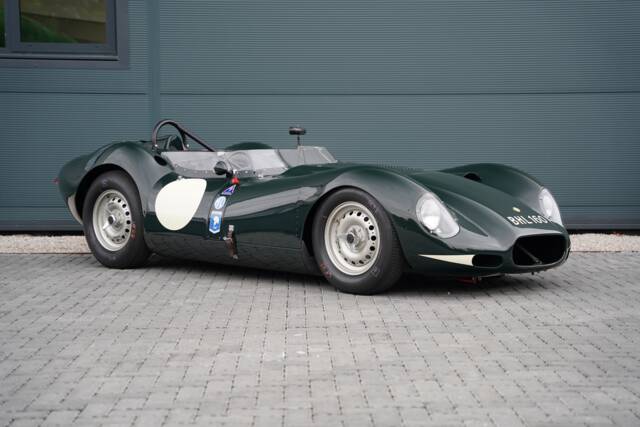

Lister Knobbly listing references from Classic Trader
Below you will find listings related to your search that are no longer available on Classic Trader. Use this information to gain insight into availability, value trends, and current pricing for a "Lister Knobbly" to make a more informed purchasing decision.
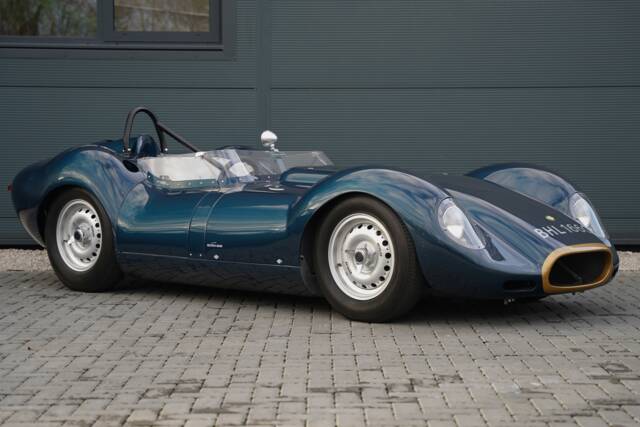
1958 | Lister Knobbly
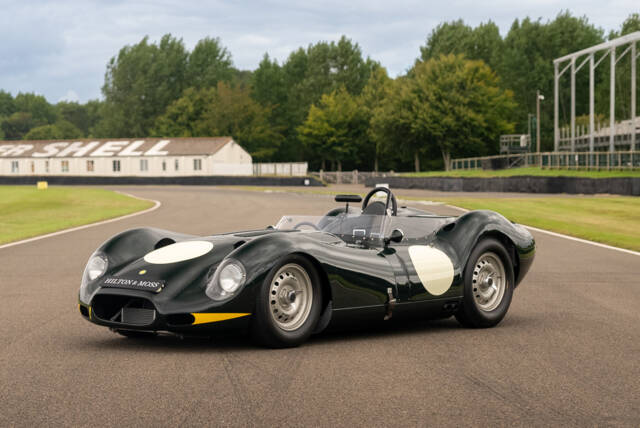
2021 | Lister Knobbly

1957 | Lister Knobbly
1957 Chevrolet Lister '57

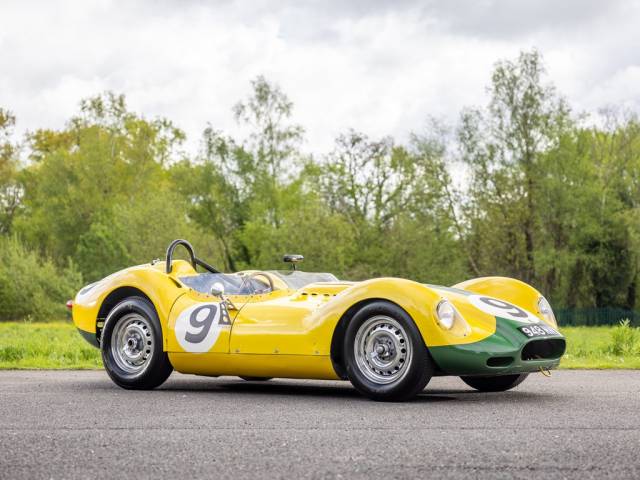
1958 | Lister Knobbly
1958 Lister-Jaguar 'Knobbly'
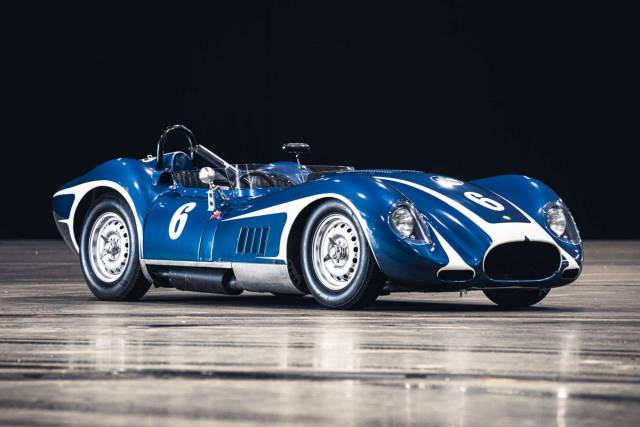
1989 | Lister Knobbly
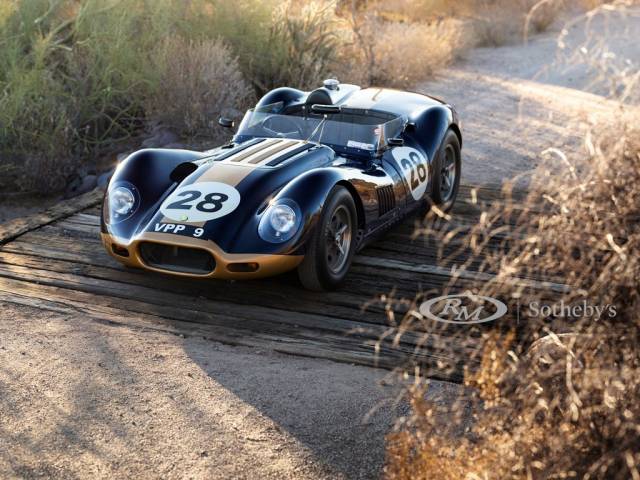
1958 | Lister Knobbly
1958 Lister-Jaguar 'Knobbly'
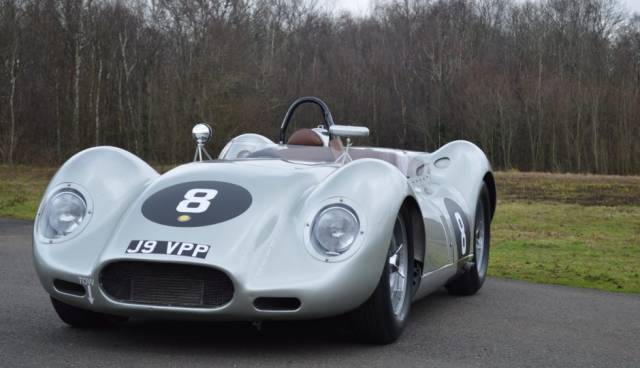
1958 | Lister Knobbly
Jaguar Continuation – BHL158
Lister Knobbly Classic Cars: Prices & Market Values
History of the Lister Knobbly
The Lister Knobbly was created by Brian Lister and first appeared in 1957, built in Cambridge, UK, and shaped to meet the demanding FIA Appendix C regulations of the era. Its unmistakable ‘Knobbly’ name refers to the pronounced curves of its aerodynamic aluminium coachwork, designed to house advanced mechanicals within an ultra-light tubular chassis. Race-ready straight from the factory, the Knobbly quickly found success against established competitors, famously outpacing the likes of Jaguar D-Type and Aston Martin DBR1 on British circuits. With just around 20 original examples manufactured between 1957 and 1959, its rarity and competition success have cemented its reputation among motorsport historians.
Model History and Motorsport Timeline
The Knobbly continued the pioneering spirit of earlier Lister sports racers but took the concept further with improved aerodynamics and chassis rigidity. Jaguar XK D-Type engines were most common, while the US market saw larger Chevrolet V8s used. Special versions received unique bodywork, sometimes inspired by contemporary aerospace design. After its original production run, the Knobbly remained a reference point for racing specials, and its legacy is sustained today by highly accurate recreations and continued eligibility for prestigious events like Goodwood Revival and Le Mans Classic.
Unique Features and Market Presence
The Knobbly’s design is entirely driven by function: a long bonnet, low front end, and de Dion rear axle for optimal handling. Cockpits are fitted with shell seats and racing instruments, and cars are either original hand-formed aluminium or faithful replicas built to precise specifications. The Knobbly’s international competition history and acceptance at the world’s top historic racing meetings enhance its appeal. Its market share is absolute – every Lister in the Classic Trader database carrying this code is a Knobbly, giving it a 100% listing share for both supply and demand among Lister models. This is indicative not only of its exclusivity but of the focus and sustained interest collectors have for this specific model.
Technical Data
Special Editions and Unique Examples
A handful of Knobblys received bespoke bodywork, such as ‘high nose’ front ends or pronounced Kamm tails, often tailored for specific races or clients. The one-off car that started the 24 Hours of Le Mans is particularly notable. Additionally, limited series recreations built by contemporary specialists maintain the strict lightweight formula and compliance with original blueprints.
Maintenance and Restoration
Restoration and servicing are typically entrusted to specialist British firms familiar with historic racing technology. Many cars require attention to the aluminium panelling, period suspension components, and regular drivetrain inspection. Attention to originality, accurate documentation (FIVA/FIA passes), and access to bespoke parts are crucial for both maintenance and market value.
Engine, Transmission and Handling Characteristics
The Lister Knobbly’s performance eclipsed many contemporaries, thanks to its low centre of gravity, robust Jaguar or Chevrolet engine options, and advanced suspension setup. With dry-sump lubrication and a light frame, it is especially adept at high-speed circuits, offering exceptional balance and feedback. Renowned for its raw mechanical character, the Knobbly’s on-track reputation at Snetterton, Oulton Park, Spa, and the TT remains supported by technical superiority and racing success. The most sought-after Knobblys employ the 3.8-litre Jaguar XK engine with dry sump, while US-bound vehicles with Chevrolet small blocks are also well regarded for their extra torque and American racing context.
Exterior and Interior Design
The bodywork’s distinctive curves serve aerodynamic efficiency and ensure optimal cooling for the powerful engines. Interiors are strictly functional, usually comprising racing buckets, roll cages, and period-correct instrumentation. Aluminium dominates throughout, though some later recreations substitute fibreglass. Special features like period toggle switches, riveted wheel arches, and minimal comfort accessories confirm the car’s purist racing focus.
Further Noteworthy Facts
The Knobbly is frequently eligible for formal road registration in some European countries when equipped with suitable lighting and safety systems. Its participation in events such as the Goodwood Revival, Le Mans Classic and various FIA series cements its presence beyond static collections and ensures cars are regularly seen in action. Provenance, period documentation, and known racing history add significantly to the vehicle’s stature.
Summary
As a genuine slice of British motorsport heritage, the Lister Knobbly blends rare lightweight engineering, proven competition pedigree, and a distinctively organic design into a package that’s uniquely appealing for committed collectors and racers. With every listing at Classic Trader representing the Knobbly within Lister’s brand, its significance for fans of 1950s race cars cannot be overstated.