Lancia Prisma Classic Cars for Sale
The Lancia Prisma is an Italian compact saloon from the 1980s, offering distinctive engineering derived from the Lancia Delta and acclaimed for its technical sophistication, lively engines, and comfort. Read more for an in-depth look at its history, versions, and collector appeal.
Search results
Currently, there are no matching listings for your search.
Create search alert
Let yourself be notified as soon as a listing is published that matches your search filters.
Create listing
Do you have a Lancia Prisma that you want to sell? Then create a listing now.
Create listingLancia Prisma listing references from Classic Trader
Below you will find listings related to your search that are no longer available on Classic Trader. Use this information to gain insight into availability, value trends, and current pricing for a "Lancia Prisma" to make a more informed purchasing decision.
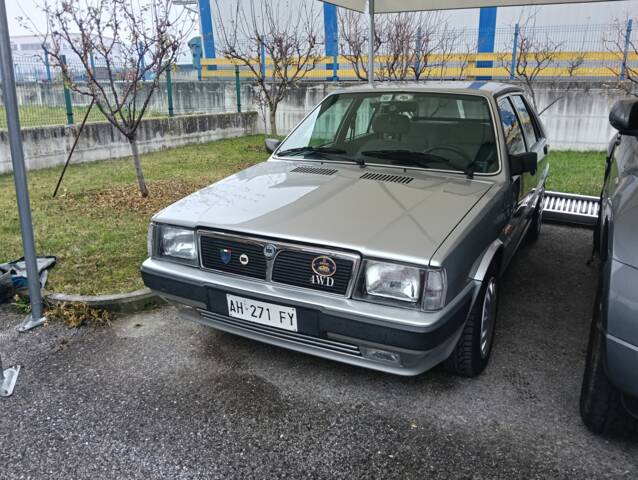
1987 | Lancia Prisma 4WD
Lancia in perfette condizioni

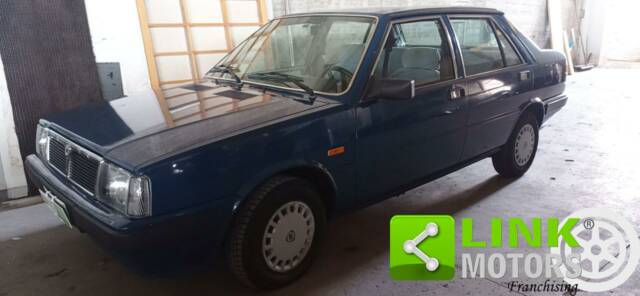
1988 | Lancia Prisma 1.5 LX
LANCIA Prisma 1.5 80cv automatica
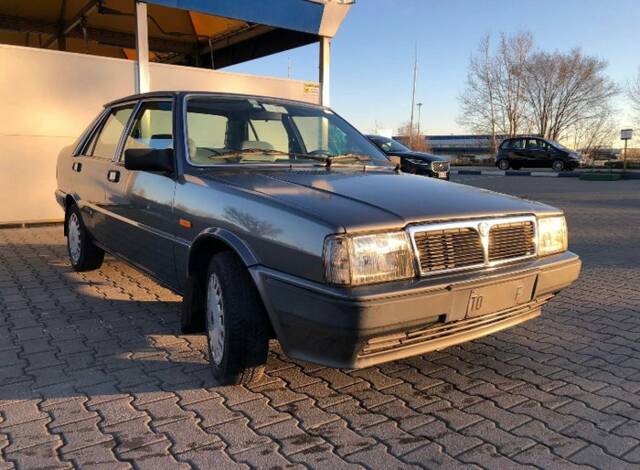
1986 | Lancia Prisma 1600
Lancia - Prisma 1.6 - NO RESERVE - 1986

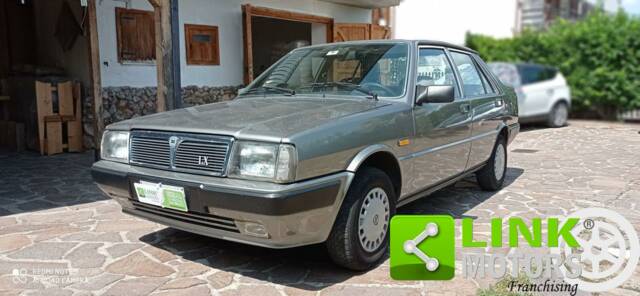
1989 | Lancia Prisma 1.5 LX
LANCIA Prisma 1.5 LX
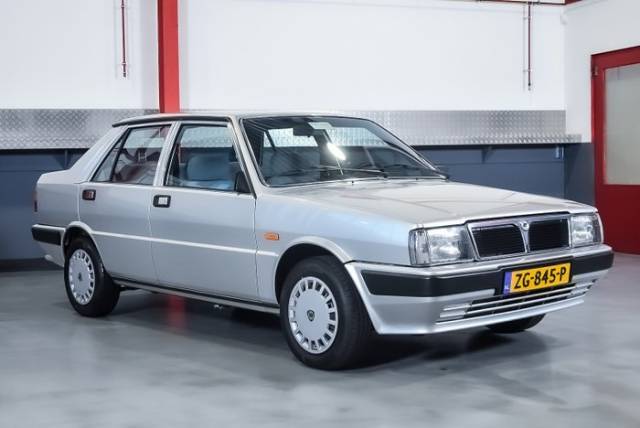
1986 | Lancia Prisma 1600
Lancia - Prisma Sedan 1.6L - 37323 km - 1986
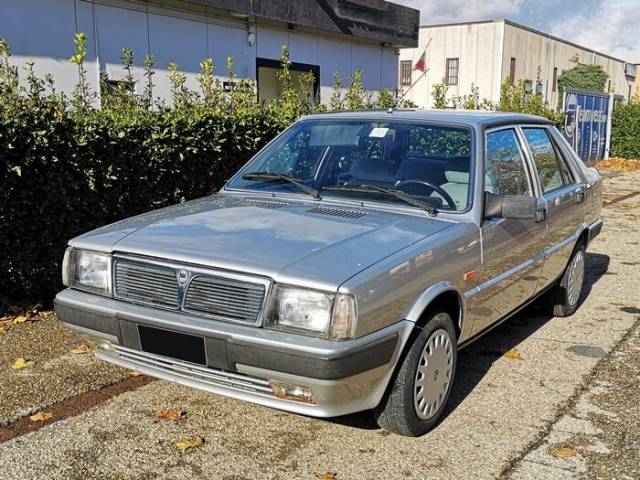
1988 | Lancia Prisma 1600 I.E.
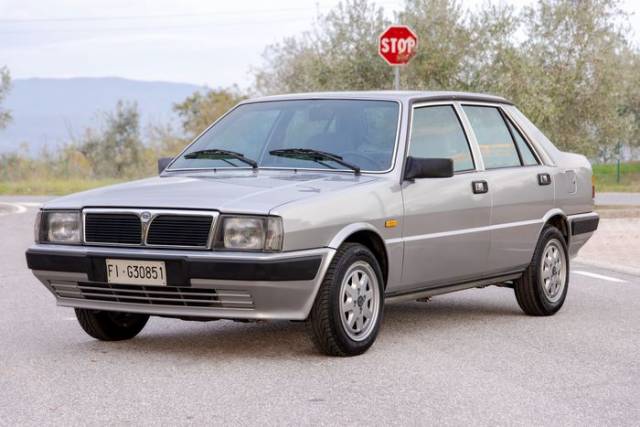
1987 | Lancia Prisma 1600
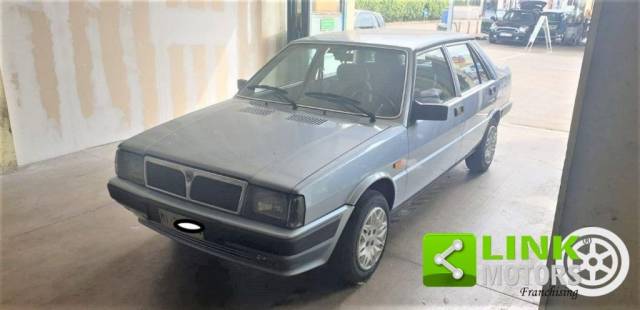
1989 | Lancia Prisma 1600 I.E.
LANCIA Prisma 1.6 ie Iniezione
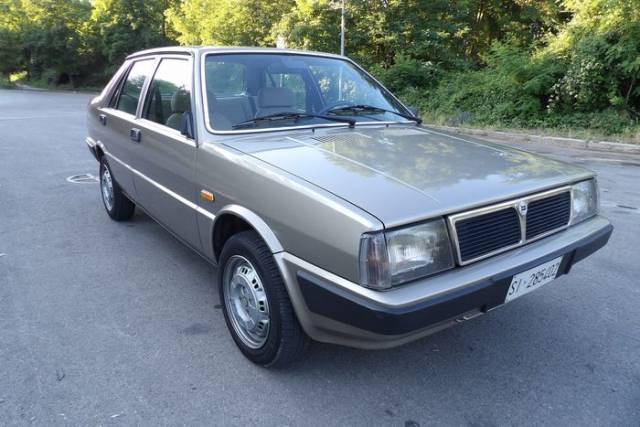
1985 | Lancia Prisma 1600
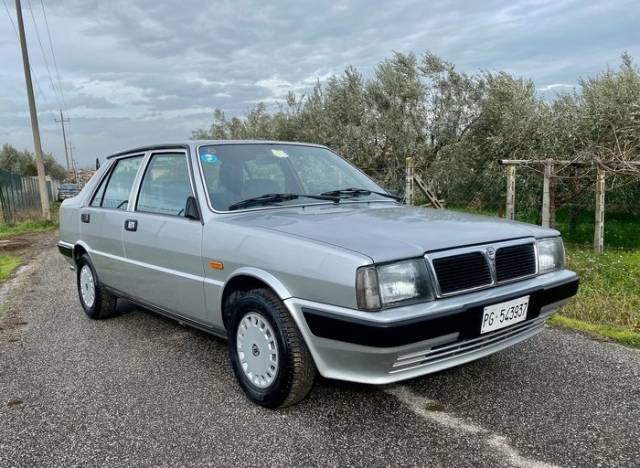
1987 | Lancia Prisma 1300
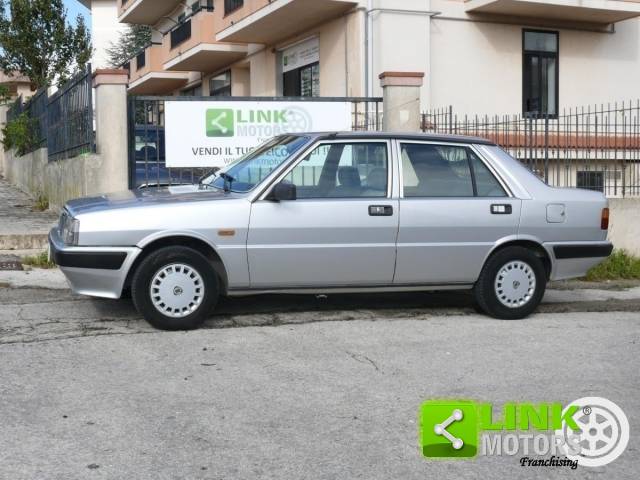
1986 | Lancia Prisma 1500
Prisma 1.5 ARIA CONDIZIONATA
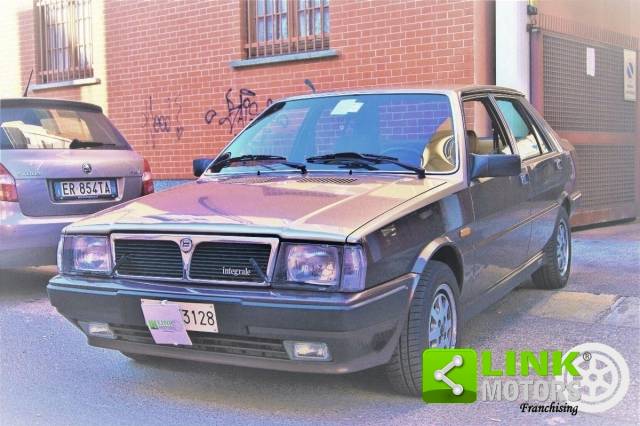
1989 | Lancia Prisma 4WD
Lancia Prisma I.e. Integrale PERFETTA 2 PROPRIETARI AUTO RARISSIMA POSSIBILITA' DI GARANZIA SULLA MECCANICA
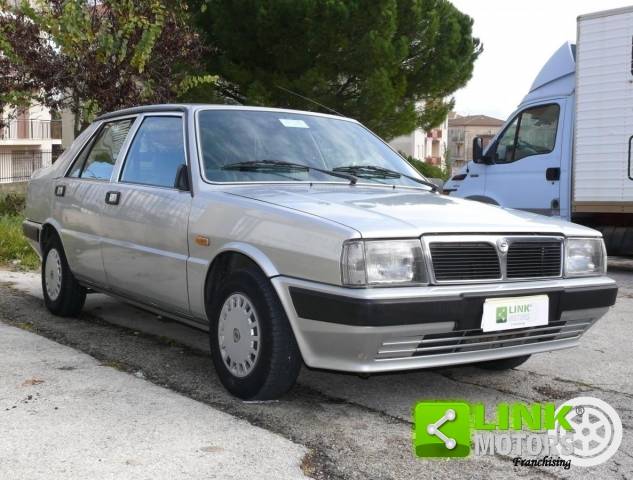
1986 | Lancia Prisma 1500
Prisma 1.5 ARIA CONDIZIONATA
Create search alert
Let yourself be notified as soon as a listing is published that matches your search filters.
Create listing
Do you have a Lancia Prisma that you want to sell? Then create a listing now.
Create listingLancia Prisma Classic Cars: Prices & Market Values
History of the Lancia Prisma
Launched in 1982 and produced until 1989, the Lancia Prisma was Lancia’s entry into the compact saloon segment. Designed by Giorgetto Giugiaro, the Prisma shared its platform and technology with the renowned Lancia Delta, but offered a traditional four-door notchback layout. While the Delta focused on a youthful audience with its hatchback body, the Prisma was aimed squarely at families preferring saloon practicality. Engine updates and exterior modifications across its production span kept the Prisma technically current, with the final models featuring advanced fuel injection and the option of four-wheel drive. In 1989, the Prisma was succeeded by the Lancia Dedra, a model that built upon its technical base.
Model History and Timeline
The Prisma’s journey began as a saloon derivative of the Delta in 1982. Early variants featured petrol engines developing 75 PS, quickly joined by diesel options from 1984 with 65 PS, later uprated to 80 PS. From 1986, Lancia introduced significant updates: the bodywork received a facelift, mirroring Delta’s contemporary design cues, and fuel-injected petrol engines grew to 108 PS. By 1989, power output reached 115 PS in the top petrol models. Notably, the Prisma 4WD variant provided improved traction but did not carry over the Delta’s turbocharging. Production ended in 1989, as the Prisma made way for the new Dedra saloon.
Highlights and Noteworthy Features
The Prisma distinguished itself from its competitors through a combination of independent suspension, all-round disc brakes, and a spacious, thoughtfully appointed interior. Engine options ranged from robust 1.3- to 1.6-litre Lampredi four-cylinders, with the Prisma 1600 twin-cam offering 105 PS, 0 to 100 km/h in 9.8 seconds, and a top speed of 180 km/h. The model included unique touches like availability of original registration documents and badges, and the possibility of an official European Certificate of Conformity on request.
Technical Data
Special Editions and Collectible Models
The Prisma’s standout variant is the 4WD, which, while not turbocharged, offered advanced traction technology uncommon in this class during the 1980s. Some versions had rare specification packages, such as unique upholstery colours and trim options, often tailored for specific markets. Limited supply and specification changes over the years create desirable features sought by enthusiasts.
Weak Spots and Common Issues
Inspection of any Prisma should focus on rust in the sills, underbody, and wheel arches, as with many Lancias from the period. Mechanically, the Lampredi engines are known for reliability if properly maintained, but timing belt replacement intervals should be observed closely. Electrical systems and switchgear can exhibit wear, especially in heavily used examples. Interior fabrics, especially lighter colours, may show ageing. Always check for original documentation and service history where available.
Engine, Performance, Transmission and Handling
Prisma models offered responsive, lively performance, particularly with the 1600 twin-cam producing 105 PS. Brakes are discs all round, rare for compact saloons of the era, and the suspension layout provides stability even on twisting roads. The 4WD variant is particularly notable for providing surefooted traction. Gearboxes are precise, with a robust five-speed unit as standard. Diesel variants, especially the later 80 PS models, deliver solid torque for long-distance comfort. - Prisma 1600 twin-cam: Lampredi engine, 105 PS, 0–100 km/h in 9.8 s
- Prisma 1.5: Known for balance between economy and adequate performance
- Prisma Diesel (from 1984): Reliable, economical with improved 80 PS version
- Prisma 4WD: Non-turbo, air-locked rear differential, unique in the range
Interior, Comfort, Exterior and Design
Giorgetto Giugiaro’s work for Lancia is evident in the balanced, angular lines of the Prisma, which conveyed understated Italian elegance. Facelifts from 1986 modernised the grille, wheels, and cabin design, better aligning the Prisma with the Delta’s evolving style. Interiors could feature light blue cloth or other period fabrics, and trims varied—from simple black dashboards to more luxurious combinations, depending on market and year. Accessories included original number plates, and functional details like two sets of keys, and some models featuring a pristine headliner. Unique exterior badge details were also used to mark engine variants and editions.
Other Special Features
A benefit for collectors is the wide presence of original paperwork, official registration documents, and historic number plates with some examples. Professional export support and availability of a European Certificate of Conformity can contribute to a smooth purchase process for buyers outside Italy. It’s recommended to check local registration rules before importing.
Summary
The Lancia Prisma remains an intriguing option for those seeking an Italian compact saloon with advanced 1980s engineering, attractive design, and a distinctive driver’s experience. Its rare 4WD variant, Lampredi engines, and well-crafted interiors make it especially attractive for enthusiasts seeking something different from the era’s mainstream choices.