Lagonda Rapier classic cars for sale
The Lagonda Rapier epitomises the British approach to compact sports cars of the 1930s: advanced engineering, a rare DOHC four-cylinder engine and handcrafted coachwork make every example a true connoisseur's choice. Produced in limited numbers and offering both technical finesse and distinctive design, the Rapier stands out among pre-war compact classics.
Search results
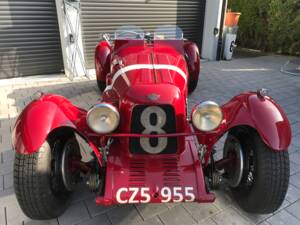
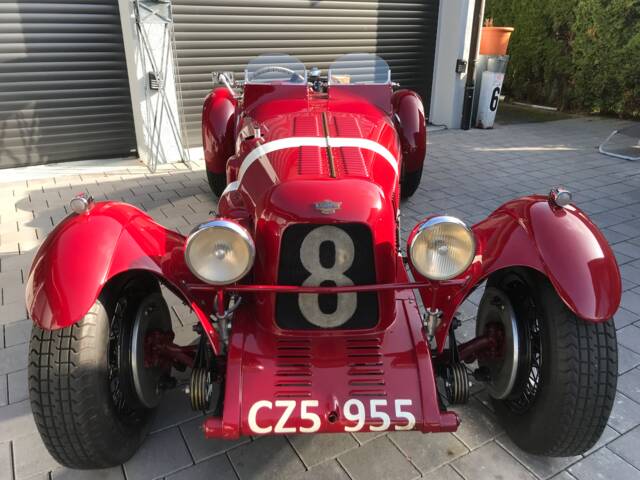
1934 | Lagonda Rapier
Aston Martin-Lagonda Rapier supercharged, 1934, meticulously restored,German H registration

Lagonda Rapier listing references from Classic Trader
Below you will find listings related to your search that are no longer available on Classic Trader. Use this information to gain insight into availability, value trends, and current pricing for a "Lagonda Rapier" to make a more informed purchasing decision.
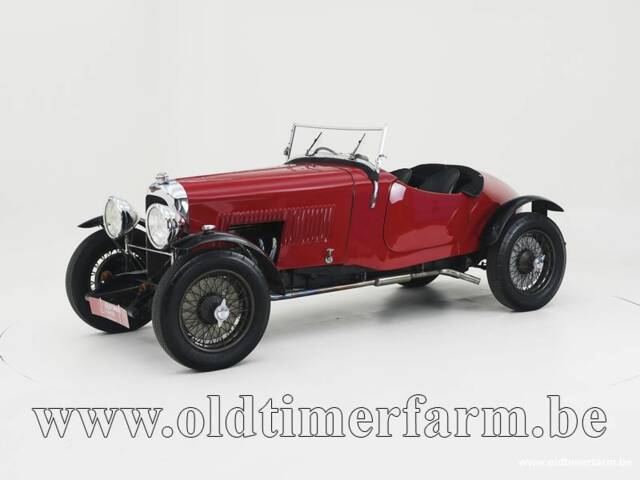
1934 | Lagonda Rapier
1934 Lagonda Rapier '34

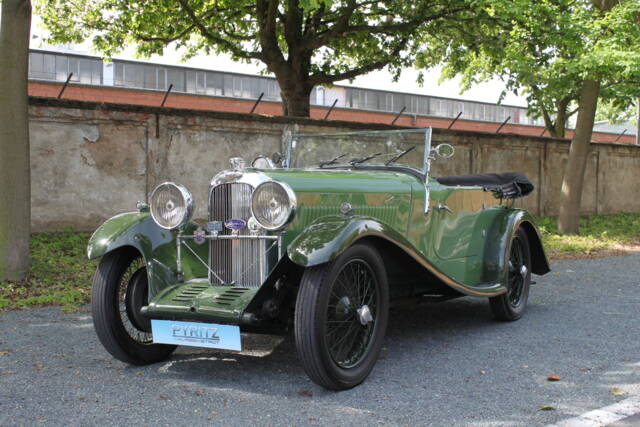
1934 | Lagonda Rapier
Originale Karosserie
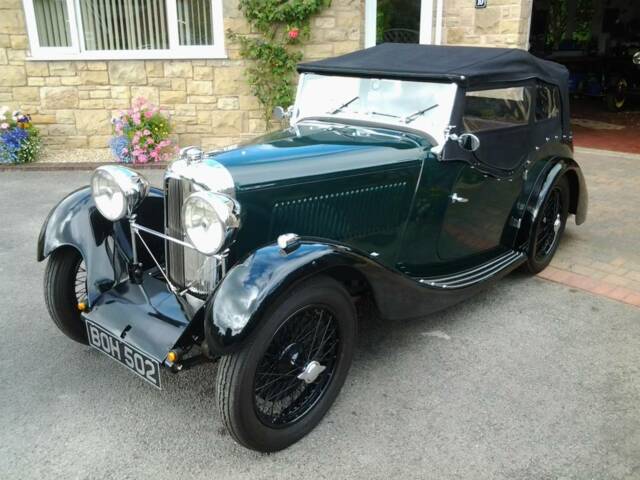
1934 | Lagonda Rapier
1934 Lagonda-Rapier coachwork by Ranalah

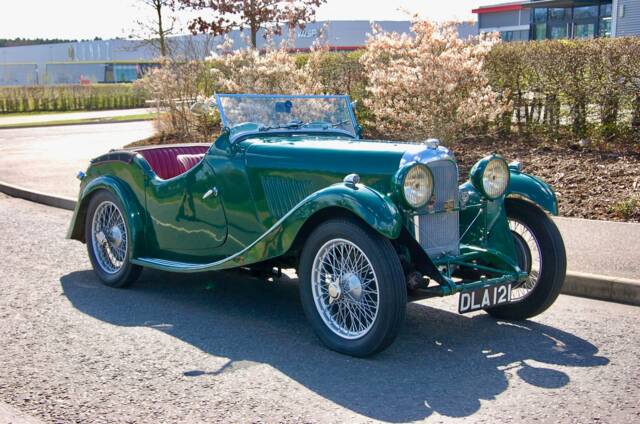
1936 | Lagonda Rapier Ranalah
Lagonda Rapier 1936
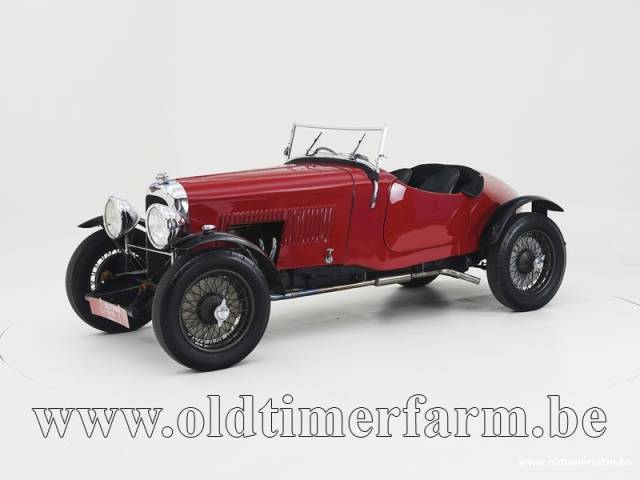
1934 | Lagonda Rapier
1934 Lagonda Rapier '34
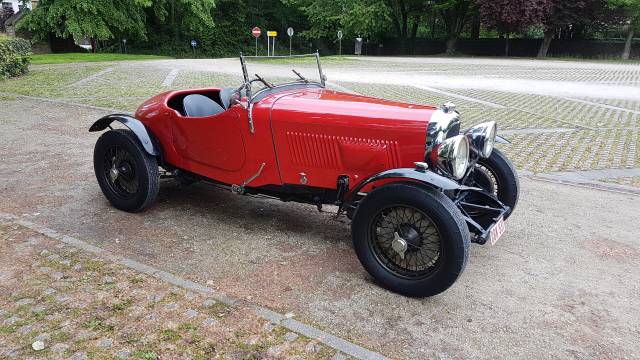
1935 | Lagonda Rapier Special
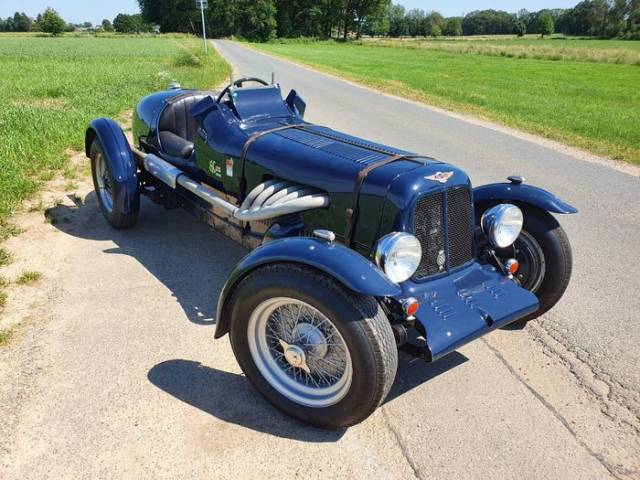
1934 | Lagonda Rapier

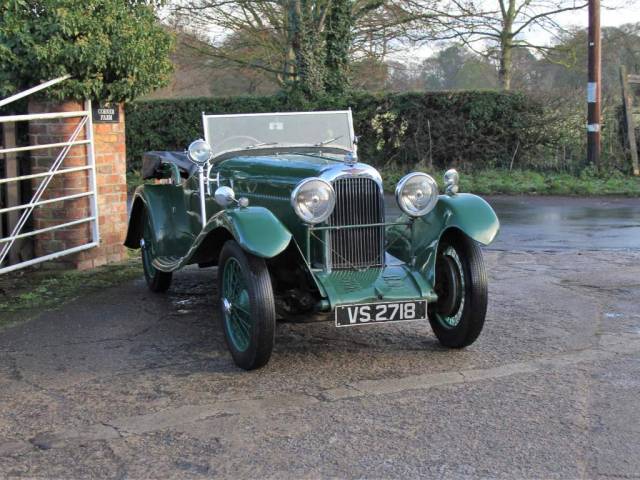
1934 | Lagonda Rapier
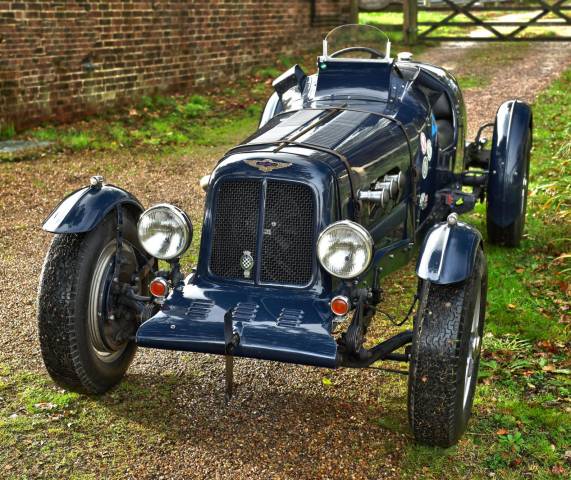
1934 | Lagonda Rapier
Monoposto Special, 2.0 lire AC engine
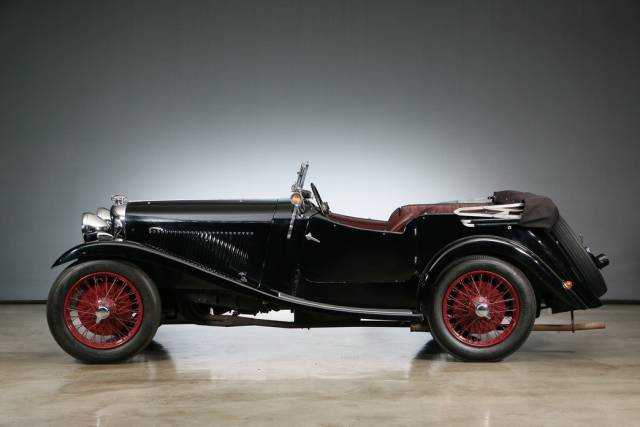
1934 | Lagonda Rapier
Lagonda Rapier Tourer
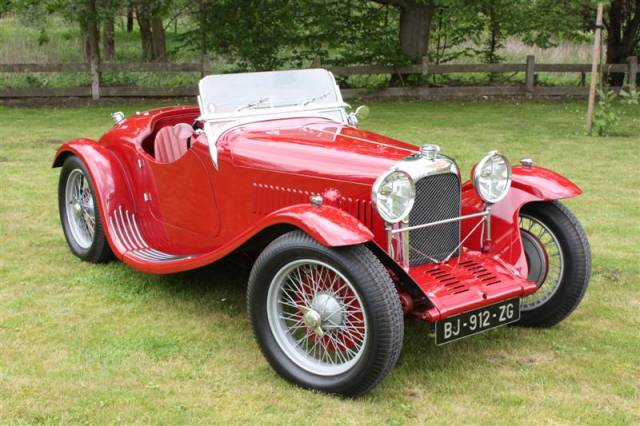
1934 | Lagonda Rapier
Zagato style open 2-seater
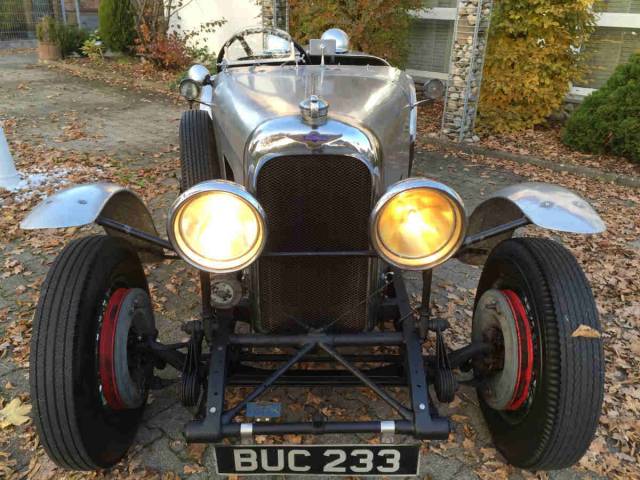
1935 | Lagonda Rapier Special
LAGONDA RAPIER SPECIAL (1935)
Lagonda Rapier Classic Cars: Prices & Market Values
History of the Lagonda Rapier
Lagonda, originally founded in 1906, began as a manufacturer of motorcycles and three-wheelers before turning its attention to luxury automobiles in 1907. In the early 1930s, amidst industry challenges, Lagonda sought to broaden its appeal with a smaller car that would combine advanced technology with manageable size. Thus the Rapier was born, presented as 'the best small car in the world' at the Olympia Motor Exhibition in 1933 and launched in spring 1934. Initially produced in-house at Lagonda, the Rapier’s fate shifted due to financial difficulties; from 1935, the project was transferred to the independent Rapier Cars Ltd in London, which continued small-scale production until 1938. Despite a short career, with approximately 516 units built, the Rapier cemented itself as a remarkable technical and stylistic achievement within British motoring history.
Model History
The Lagonda Rapier was designed during challenging economic times to diversify the Lagonda range and attract a broader clientele. Powered by an Ashcroft-designed 1104 cc (later 1141 cc) DOHC four-cylinder engine, it featured technical solutions uncommon in the compact segment, particularly the advanced preselector gearbox. Various body styles, supplied by coachbuilders such as Abbott, Ranalah (only 46 units), Clifford, and others, made each Rapier distinctive. The predecessor to the Rapier was Lagonda’s larger, more traditional luxury saloons; no direct successor followed, as the brand shifted focus after acquisition by Aston Martin in 1947 and wartime production changes.
Highlights and Special Features
Key features of the Lagonda Rapier include:
- DOHC inline four-cylinder engine, a rarity for its time and class
- 4-speed Wilson or ENV preselector gearbox allowing rapid, clutchless gear changes
- Carefully crafted coachwork, with bespoke bodies by Abbott, Clifford, and Ranalah
- Available as both coupé, tourer and open sports car variants
- Lightweight steel body construction and attention to driving dynamics
- Right-hand drive configuration typical for British sports cars of the era
- Outfitted from new by established London dealers such as Warwick Wright Ltd.
Technical Data
Special Editions and Collectible Models
The most distinctive variations of the Lagonda Rapier are found in its coachbuilt bodies. Notably, only 46 examples with Ranalah coachwork were made, setting them apart in exclusivity. Other rare versions include Abbott Fixed Head Coupés and bespoke open four-seater tourers, each reflecting the tradition of British artisanal customisation in the interwar period. No official factory special editions existed; collectability today is primarily defined by body style rarity and provenance.
Weak Spots and Common Issues
As pre-war vehicles, Rapier models require regular, knowledgeable mechanical attention. The cast iron engine is notably heavier than contemporary light-alloy units, sometimes resulting in increased front-end wear. Preselector gearboxes need careful set-up and lubrication. Suspension components—especially leaf springs and friction dampers—should be inspected for fatigue given the age of most surviving cars. Spares can be limited, particularly for unique coachwork panels. Original SU carburettors and Girling brakes require periodic overhaul to maintain driveability.
Engine and Performance, Transmission and Handling
The Rapier’s advanced twin-cam four-cylinder delivers unexpected zest for a compact 1930s vehicle, providing around 45-50 hp and respectable acceleration for its day. The 4-speed preselector gearbox, a technical highlight, enables quick shifts and a more 'modern' driving sensation than most contemporaries. With rear-wheel drive and a lightweight chassis, handling is notably agile despite vintage suspension architecture. Girling 13-inch drum brakes offer adequate stopping power relative to the period. The open tourer version provides a particularly engaging, wind-in-the-hair sporting experience. Popular and notable body styles include the Abbott Fixed Head Coupé and the open four-seater tourer. The rare Ranalah-bodied cars, with only 46 made, are especially prized among enthusiasts for their unique design and craftsmanship.
Interior, Comfort, Exterior and Design
The Rapier places strong emphasis on hand-built individuality: each body is custom-crafted, with designs reflecting the chosen coachbuilder’s flair. Interiors tend to be simple but elegant, utilising materials like leather and wood. Exteriors range from streamlined coupés to open tourers, all unified by Lagonda’s reputation for proportion and balance. Notable design features include flowing fenders, split windscreens, and classic round headlamps. Factory options included spoked wheels, unique dashboard layouts, and various brightwork details, with right-hand drive as standard. Accessories such as period-correct toolkits, driving lamps and luggage racks are highly sought after by collectors.
Other Relevant Features
Most Rapier models possess documentation verifying their originality, making them eligible for historic road registration (e.g., H-plate in Germany). Postwar, no genuine Rapier was produced, further cementing their period authenticity. Surviving examples are almost exclusively British-market cars, often delivered new via prominent London dealers.
Summary
Combining a technically ambitious twin-cam engine, advanced transmission, bespoke coachwork and distinctive British character, the Lagonda Rapier is a remarkable example of pre-war compact car ingenuity. With only around 516 produced, each vehicle is a study in craftsmanship and engineering progress—a true driver’s machine for the connoisseur with a passion for 1930s motoring history.