Lada Nova classic cars for sale
The Lada Nova stands out as a staple of Soviet-era automotive engineering, offering robust mechanical simplicity and lasting utility in everyday classic motoring. Available as both saloon and station wagon, this model series was especially known in Germany under the Nova name and is still appreciated today for its straightforward mechanics and affordability.
Suchergebnisse
Zur Zeit sind keine passenden Inserate zu Ihrer Suche veröffentlicht.
Create search alert
Let yourself be notified as soon as a listing is published that matches your search filters.
Create listing
Do you have a Lada Nova that you want to sell? Then create a listing now.
Create listingLada Nova listing references from Classic Trader
Below you will find listings related to your search that are no longer available on Classic Trader. Use this information to gain insight into availability, value trends, and current pricing for a "Lada Nova" to make a more informed purchasing decision.
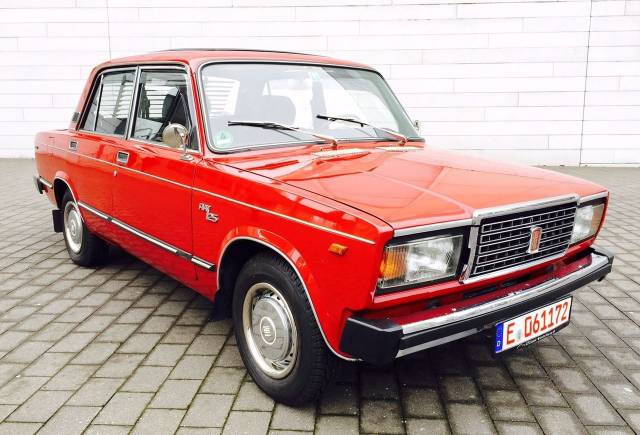
1995 | Lada Nova
Lada 125 S Special Faltdach Serie 2107 TOP Zustand
Create search alert
Let yourself be notified as soon as a listing is published that matches your search filters.
Create listing
Do you have a Lada Nova that you want to sell? Then create a listing now.
Create listingLada Nova Classic Cars: Prices & Market Values
Introduction and History of the Lada Nova
The Lada Nova (VAZ-2105/2104/2107) was introduced in the Soviet Union in 1979, quickly spreading to Western Europe in the early 1980s. In Germany, it was best known as the Lada Nova, while in the UK it took on the Riva moniker. The series was derived from the established Zhiguli platform but was refreshed with technical and stylistic updates for export markets. Known for their pragmatic functionality, these cars gained popularity through the political and social backdrop of the Cold War, offering an affordable entry into the world of personal transport across many countries.
Model History
The Nova traces its roots to the original Zhiguli line, with the VAZ-2105 as the primary base vehicle. The range soon expanded to include the VAZ-2104 estate and the more upscale VAZ-2107. The Nova succeeded earlier Lada models derived from the Fiat 124, sharing much of their underpinnings. Variations between models centred mainly on trim, grille design, and mechanical specifications for different export markets. Production continued into the early 2010s, making it one of the most widespread postwar Eastern European cars.
Highlights of the Lada Nova
What sets the Lada Nova series apart is its stubborn mechanical reliability and low-cost maintenance. Throughout the years, it maintained its rear-wheel drive layout and carburettor engines while many competitors modernised more quickly. Its robust construction made it a favourite for export into markets with rougher roads and harsher climates.
Technical Data
Special Editions and Collectible Models
Within the Nova series, certain export models occasionally received unique trim or interior options to appeal to Western buyers, such as special upholstery, colour schemes, and minor improvements in equipment, though no strictly limited editions are widely documented.
Engine and Performance, Transmission and Handling
The Lada Nova delivers a straightforward driving experience, with a focus on durability rather than agility. Engines are known for their tolerance of poor fuel quality and extreme climates. Manual gearboxes are robust, yet shifting can be imprecise in higher mileage examples. Suspension tuning prioritises comfort, which can result in pronounced body roll compared to more modern vehicles. The 2105, as the base saloon, is admired for its simplicity; the 2104 estate remains popular for its versatility; and the 2107 is appreciated for slightly richer equipment. All variants offer classic-car accessibility and basic mechanical technology.
Interior, Comfort, Exterior and Design
The Nova’s design reflects late-1970s Soviet pragmatism: angular bodywork, straightforward interior layout, and rugged materials. Seat fabrics and dashboards varied between domestic and export versions, the latter sometimes gaining additional convenience features like heated rear windows or revised sound insulation. Estate models offered removable rear seats for increased boot space. No signature designer is associated with the series, as its development was the result of in-house AvtoVAZ engineering evolution rather than a single creative mind.
Other relevant features
The Nova’s reputation for adaptability means that many have seen creative upgrades or modifications worldwide, from modern engine swaps in rallying circles to custom interiors for enthusiast restoration projects.
Summary
The Lada Nova family offers a fascinating window into a unique period of automotive history. Known for practical engineering, affordable maintenance, and robust build quality, these saloon and estate models remain a popular choice for those seeking a usable and distinctive classic from the Cold War era.