Lada 1200 Classic Cars for Sale
The Lada 1200, also known as the VAZ-2101, is a compact sedan or estate famously engineered for ruggedness and straightforward maintenance. Its origins as a reworked Soviet version of the Fiat 124 make it an accessible entry point into Eastern European automotive history.
Search results
Currently, there are no matching listings for your search.
Create search alert
Let yourself be notified as soon as a listing is published that matches your search filters.
Create listing
Do you have a Lada 1200 that you want to sell? Then create a listing now.
Create listingLada 1200 listing references from Classic Trader
Below you will find listings related to your search that are no longer available on Classic Trader. Use this information to gain insight into availability, value trends, and current pricing for a "Lada 1200" to make a more informed purchasing decision.
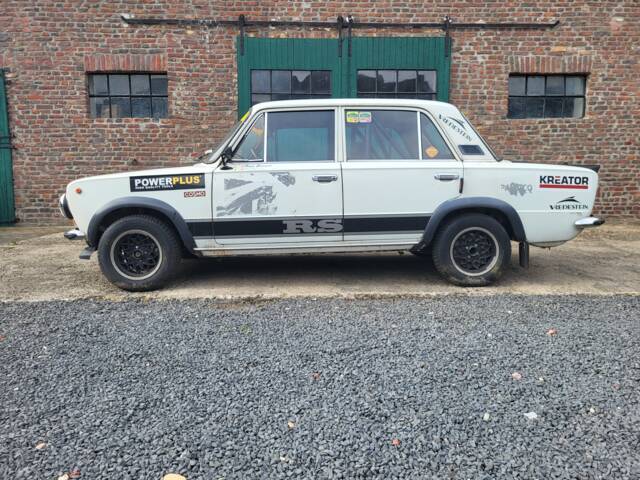
1984 | Lada 1200 S
Lada 1200 RS Rally Car VAZ 2x 40-Weber 2101

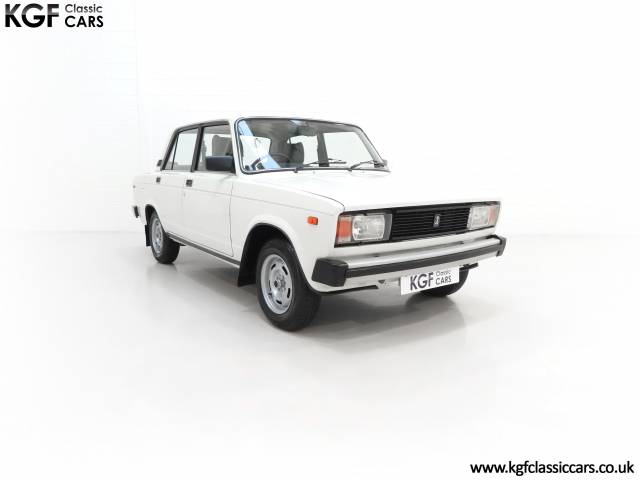
1984 | Lada 1200 L
An Exquisite and Rare Surviving Lada 1200L Riva with Only 11,442 Miles.

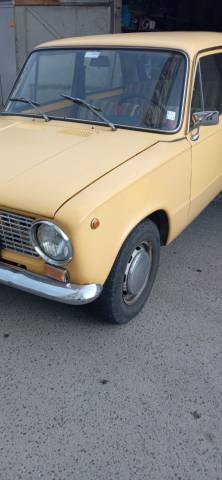
1980 | Lada 1200
Lada 2101, 1980, which is registered and ready to drive, in excellent conditio
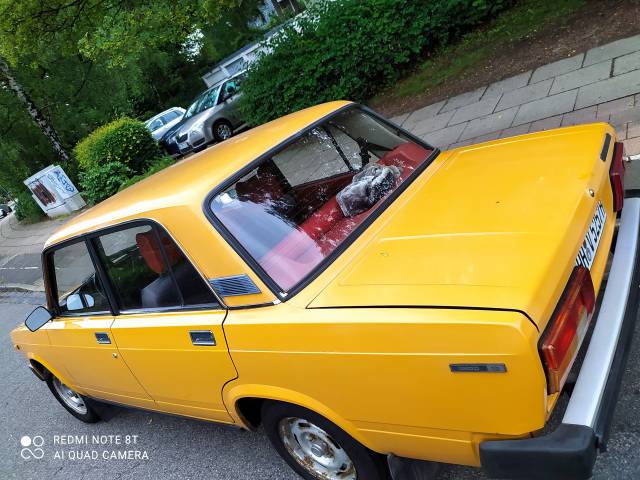
1984 | Lada 1200 S
Verkäufe Lada 2105 BJ. 1884
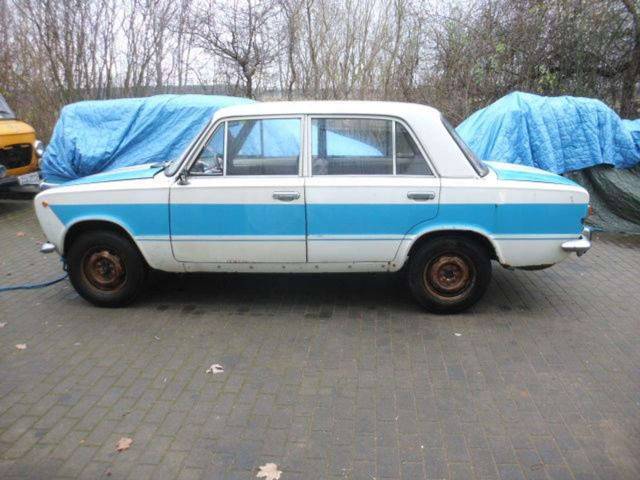
1978 | Lada 1200 S
Lada 1200 LADA 2101
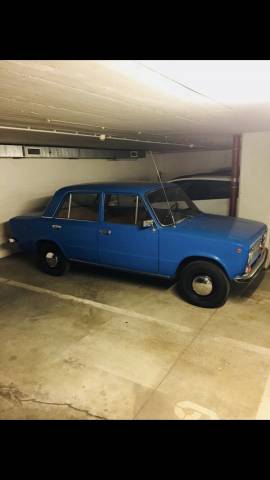
1976 | Lada 1200 S
TÜV NEU LADA Shiguli 1200 2101 mit H Zulassung
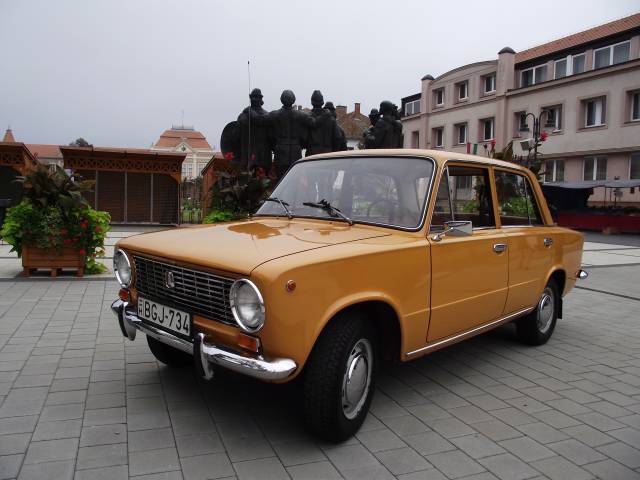
1979 | Lada 1200 S
Lada 2101 for sale – 1979 – two owner – perfectly preserved, original – 22,398

Create search alert
Let yourself be notified as soon as a listing is published that matches your search filters.
Create listing
Do you have a Lada 1200 that you want to sell? Then create a listing now.
Create listingLada 1200 Classic Cars: Prices & Market Values
History of the Lada 1200
The Lada 1200, internally known as the VAZ-2101 and branded 'Zhiguli' in its domestic Soviet market, entered production in 1970 as the first model from the newly founded AvtoVAZ plant. It was built under license from Fiat and heavily based on the Fiat 124, though reengineered with reinforced steel, simplified mechanicals, and robust components to endure the harsh road conditions of the Eastern Bloc. Over time, the Lada 1200 became synonymous with the Soviet idea of mass mobility, widely used as a public and private vehicle throughout the USSR and later exported globally, notably to Western Europe. Its role as an affordable, practical car meant that many served as daily drivers and taxis, and only a small portion of the original output survives today.
Model History
Preceded by the Fiat 124, the Lada 1200 improved upon its Italian progenitor with thicker body panels, drum brakes at the rear, a new Lada-specific engine, and other reinforcements. The model underwent various updates: the early VAZ-2101 gave rise to later derivatives such as the VAZ-21011 (an evolved 1200), VAZ-2102 (estate), and further sedans like the 2105 and 2107 series. Across the years, equipment and design details varied, but all models kept the core formula of rear-wheel drive, a four-speed manual gearbox, and robust mechanicals. Continuous incremental updates and market adaptations extended production into the late 1980s.
Highlights and Unique Features
The Lada 1200 distinguishes itself with its simple yet effective engineering: a 1.2-litre inline-four OHV engine, rugged reinforced chassis, and an interior focused entirely on utility. Factory features included halogen headlights, drum brakes at the rear, aluminium bumpers with rubber inserts, 13-inch steel wheels, and a practical tool kit stowed in the boot. Design elements such as the original Lada Viking-ship emblem and chrome side trim mark export and domestic variants. Unadorned PVC upholstery and basic but durable interior fittings reflect the car’s utilitarian philosophy. Its most valued asset remains its legendary mechanical durability and ease of maintenance.
Technical Data
Special Editions and Collectible Models
Numerous versions and subtle facelifts appeared, including the 1200S, 2101, and export-only variants. Later models (21011, 2105) received visual and technical improvements, but early cars with original features such as chromed trim, the classic Lada emblem, and the factory tool kit are particularly sought-after among enthusiasts. Rally-prepared variants gained a following in amateur motorsport.
Weak Spots and Common Issues
Body corrosion is the Lada 1200’s most notable vulnerability, especially along wheel arches, sills, and the underside due to the Soviet steel’s composition and general exposure. Early models may exhibit wide panel gaps and inconsistent paint. The mechanicals are intentionally robust and parts availability is generally excellent, yet regular inspection of brake components and the simple but sensitive ignition system is advisable. Original interiors, especially the PVC upholstery and carpets, can show considerable wear. Verify the presence of the original toolkit and emergency medical bag as these are common to period cars and valued by collectors.
Engine, Performance, Transmission and Handling
The Lada 1200’s OHV 1.2-litre engine delivers 60–62 bhp, propelling the car to approximately 140 km/h (about 90 mph). The powerplant is recognised for its tolerance of low-octane fuel and harsh conditions, which, combined with the simple 4-speed manual gearbox and rear-wheel drive, makes the car service-friendly. Suspension tuning provides reasonable ride comfort and ground clearance, key for rough roads. Handling is predictable owing to the simple layout, though not sporty by Western standards. Popular models include the baseline 1200 sedan (VAZ-2101), the estate version (VAZ-2102), and the later 21011, all sharing fundamental mechanics but with incremental improvements in output, interior options, and trim. Performance upgrades were rare but rally modifications enhanced durability and driving dynamics for motorsport applications.
Interior, Comfort, Exterior and Design
Designers adopted the functional Fiat 124 template but reworked nearly every component for rugged reliability. Externally, the Lada 1200 is marked by squared lines, bright chrome trim, and details like robust aluminium bumpers with rubber inserts. Export cars received subtle cosmetic upgrades (badges, trim). Inside, the cabin features black vinyl seating, minimalist instrument panels, and practical touches such as a passenger parcel shelf and various storage cubbies. Notable are heated rear windows and laminated windshields, later becoming standard in export versions. Accessories like original radios, mudflaps, and auxiliary lighting were period options. The aesthetic is unpretentious and resolutely purposeful, in keeping with the model’s working-class image.
Other Notable Features
All Lada 1200s are known for their original toolkits, comprehensive emergency medical bags, and the ability to run reliably under adverse conditions – winter or summer. Many survive with their original viking-ship emblems, a nod to the car’s branding in Soviet folklore. Notably, these vehicles enjoyed a price advantage over Western alternatives at launch, contributing to their broad distribution and continued presence on classic markets.
Summary
The Lada 1200, or VAZ-2101, represents one of the most recognisable Eastern European classic cars, blending straightforward engineering, impressive mechanical resilience, and a style rooted in the socialist era’s pragmatic philosophy. Most common in saloon form but also available as an estate, its popularity in today’s classic car market is unmatched among Ladas, according to Classic Trader’s listings and search statistics. For anyone seeking an authentic, well-documented example of Soviet industrial history, the Lada 1200 offers a compelling combination of affordability, accessibility, and historical intrigue.