Kaiser Manhattan classic cars for sale
The Kaiser Manhattan stands out among post-war American saloons with its distinctive eyebrow-shaped front and rear windows and a host of original features tailored to the 1950s US market. With production from 1945 to 1955 and a later assembly line even in the Netherlands, the Manhattan comes with a unique historical footprint and a design language all of its own.
Search results
Currently, there are no matching listings for your search.
Create search alert
Let yourself be notified as soon as a listing is published that matches your search filters.
Create listing
Do you have a Kaiser Manhattan that you want to sell? Then create a listing now.
Create listingKaiser Manhattan listing references from Classic Trader
Below you will find listings related to your search that are no longer available on Classic Trader. Use this information to gain insight into availability, value trends, and current pricing for a "Kaiser Manhattan" to make a more informed purchasing decision.
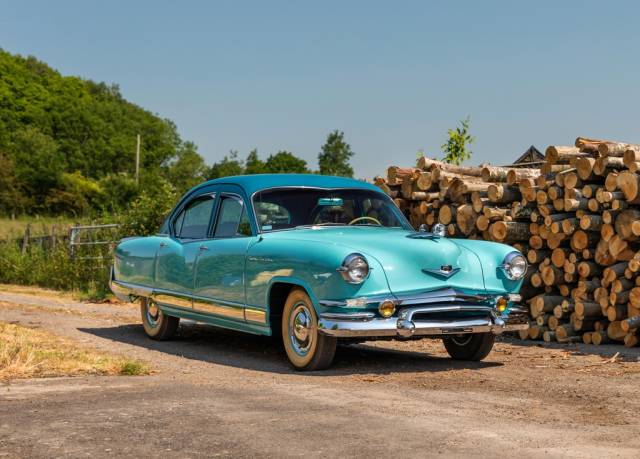
1953 | Kaiser Manhattan
Kaiser Manhattan

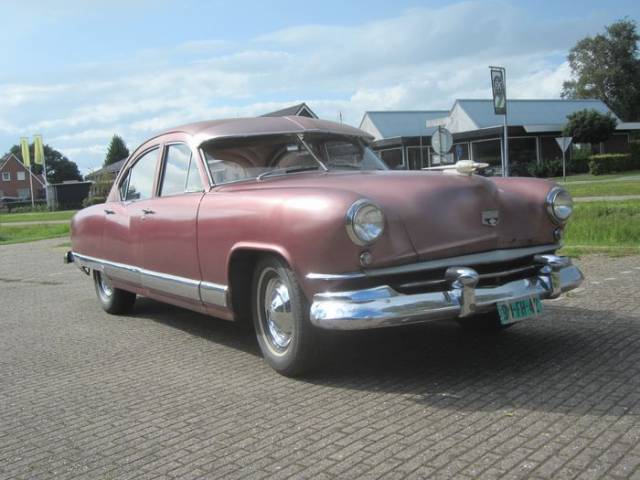
1953 | Kaiser Manhattan

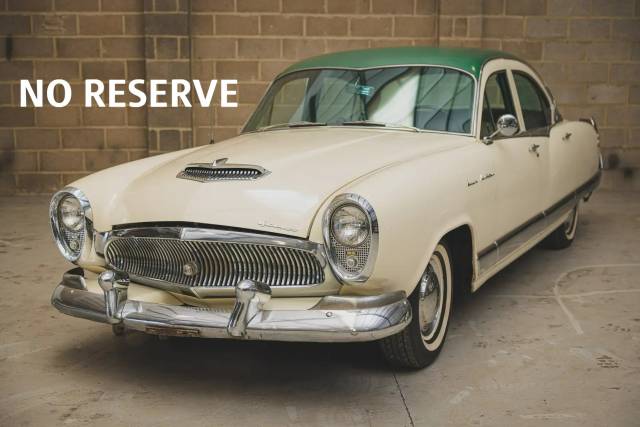
1954 | Kaiser Manhattan Supercharged
Rare American Beauty - No Reserve
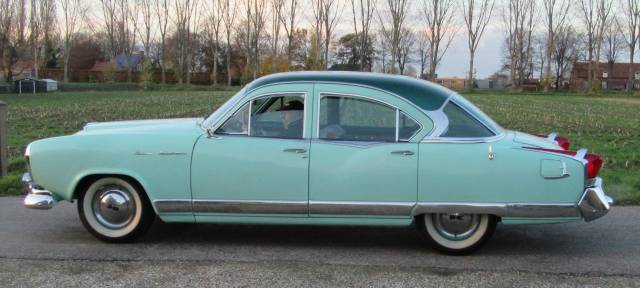
1954 | Kaiser Manhattan Supercharged
Kaiser Manhatten 1954
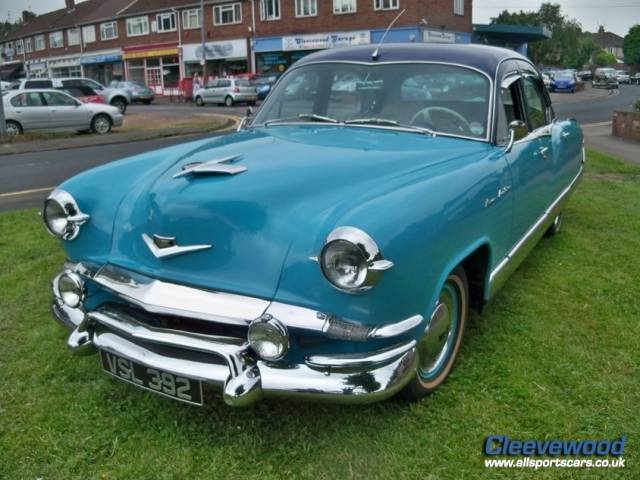
1953 | Kaiser Manhattan
Create search alert
Let yourself be notified as soon as a listing is published that matches your search filters.
Create listing
Do you have a Kaiser Manhattan that you want to sell? Then create a listing now.
Create listingKaiser Manhattan Classic Cars: Prices & Market Values
History of the Kaiser Manhattan
The Kaiser Manhattan was produced between 1945 and 1955, primarily targeting the US market as a premium sedan. The Manhattan reflected Kaiser's ambition to offer something different in a segment dominated by the Big Three. Its production even extended beyond the US: from 1948, Kaiser vehicles were built in Rotterdam at the Sluisjesdijk, a facility later known as the 'Nederlandse Kaiser Fabriek', famous for the NEKAF Jeep. In 1953, a new Manhattan would set you back around $2,595, making it a significant investment, with average American income at $4,000 and a house at $9,550 that same year. The Manhattan’s stand-out style includes front and rear glasswork with a pronounced 'eyebrow' shape, immediately setting it apart from the competition.
Model History
The Manhattan was Kaiser’s flagship sedan line, evolving from their earlier models of the late 1940s. While early Kaisers established the company’s postwar foothold in the US, the Manhattan embodied the peak of their design and engineering philosophy. The model series continued to define Kaiser's direction until production wound down in 1955, with manufacturing activities in the Netherlands focusing more on utilitarian vehicles thereafter.
Highlights and Statistics
The Manhattan’s distinctiveness lies in design touches such as its characteristic eyebrow-shaped window frames and the attention to interior details like the authentic sun visors. Originally marketed as an import to select international markets, it’s now a rare sight outside North America. Manhattan sedans with manufacturer codes K 5321 and K 542 each represent exactly half of Kaiser's available Manhattan supply. However, models with code K 542 generate 79.1% of the model series’ total listing views, indicating substantially higher interest compared to K 5321 (20.9%). This suggests that K 542 variants are notably more sought-after by classic car enthusiasts.
Technical Data
Special Editions and Collectible Models
Some Kaiser Manhattan variants, especially early US-only models or those assembled in the Netherlands, are considered more unusual, reflecting their specific production provenance or rare factory equipment. Particular value is attached to cars retaining original design features such as their signature glasswork and complete interior accessories.
Weak Spots and Common Issues
No dedicated manufacturer data on typical weaknesses is currently available. As with many American sedans of the early 1950s, the usual wear areas include drivetrain components and rust on structural elements if the car hasn’t been carefully preserved. Ensuring authenticity of glasswork and interior details may present a challenge due to the rarity of model-specific parts.
Engine and Performance, Transmission and Handling
With a focus on luxury and long-distance comfort, the Manhattan was engineered more for relaxed cruising than for performance driving. Its chassis layout and suspension prioritised smoothness, while drivetrain configurations offered sufficient power for highway conditions of its era. Both auto and manual gearboxes were available, tailored to owner preference. The better-supplied K 542 vehicles are the most frequently viewed, suggesting they are either more often equipped with desirable engine/trim combinations or their condition appeals more to today’s buyers. 1. Kaiser Manhattan K 542 – Most popular among enthusiasts, likely due to features, specification or desirability 2. Kaiser Manhattan K 5321 – Equally represented in supply, though it attracts less attention
Interior, Comfort, Exterior and Design
Distinctive design elements define the Kaiser Manhattan: the curved 'eyebrow' windscreen and rear window were its immediate visual signature, a styling innovation at launch. Interiors typically feature original sun visors and fabrics indicative of postwar American luxury. Paint and trim options often drew from a vibrant period palette. While the body shape prioritised comfort and presence, the use of materials and detailing speaks to a brand intent on punching above its segment weight. Those seeking factory-correct accessories or rare colour combinations should verify interiors and glasswork for period authenticity.
Other Features
The Kaiser Manhattan was also assembled outside the United States, most notably in Rotterdam. These Dutch-built examples are a curiosity for those interested in non-US classic car provenance and European assembly nuances.
Summary
The Kaiser Manhattan remains one of the more unique luxury sedans from the immediate post-war American automotive boom. With its characteristic window design, robust build, and scarcity outside its home market, it appeals particularly to collectors seeking something with a distinct visual and historical backstory. The supply of Manhattans is evenly split between two main variants, but demand favours the K 542 strongly. Buyers should prioritise originality, especially given the difficulty of sourcing authentic glasswork and trim.